Let me start with this: six months in a Greek village will either transform you into a sun-kissed, olive-oiled demigod… or into someone who can’t function without a daily fix of burnt lamb chops. In my case? Both. For context, that village was Kounoupidiana, Chania, Crete. No, you cannot pronounce it. Don’t even try.
Here are the highly scientific, completely factual things I learned while living in a Greek village for half a year.
More info: sallygolan.com | Instagram | Facebook
I moved to a cute Cretan village expecting peace and sunsets, instead, I found time operates like a loose suggestion whispered by the wind
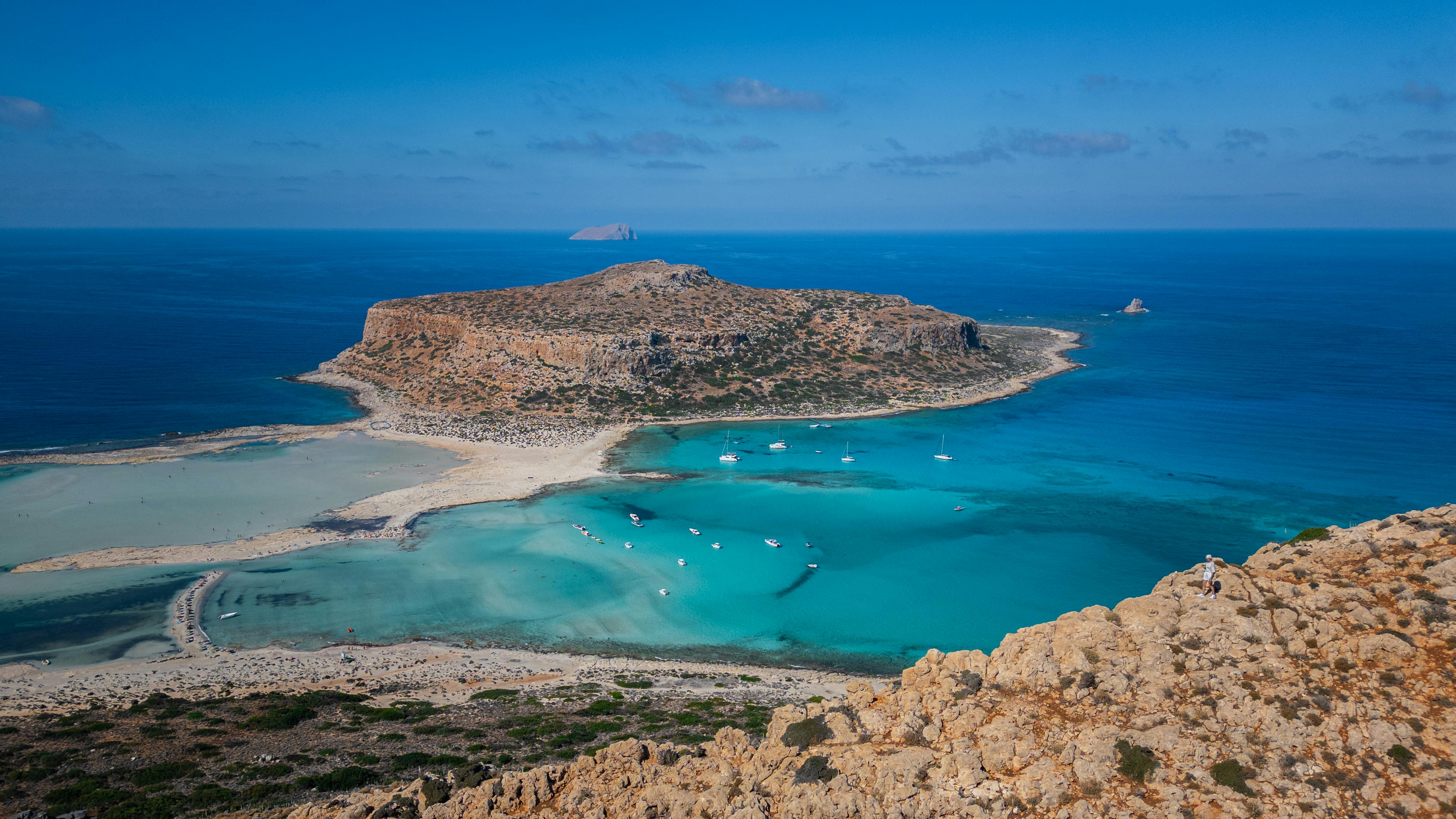
Image credits: Dzmitry Charnou / pexels.com
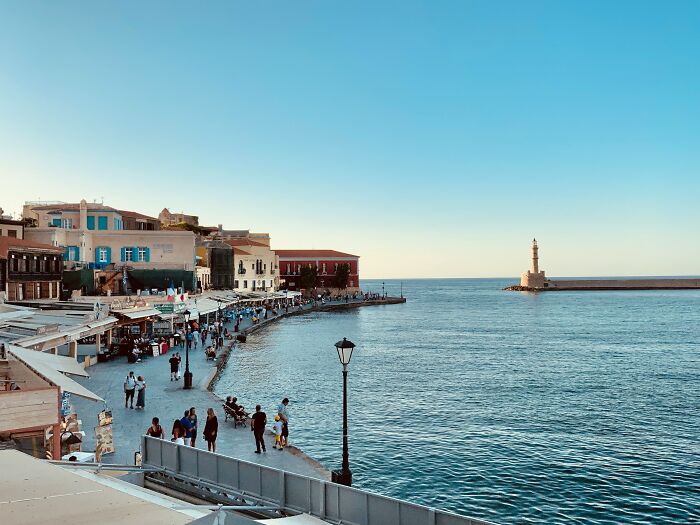
Image credits: Marie Cheng Yu / unsplash.com
The village was called Kounoupidiana, Chania, Crete — a name you cannot pronounce unless you were born there or have at least three ancestors named Manolis.
My first week there, I learned something crucial: Greek time is not “time” as you know it. It’s a mood, a vibration, a general intention loosely pinned to the concept of today.
“Let’s meet at 10,” someone would say. This meant one of the following:
- 10:30
- Noon
- Sometime after coffee, lunch, or both
- Next week
- Next lifetime
A few saint-like Greeks did show up early, but I’m convinced they were undercover angels.
Eventually, I learned not to schedule times — only atmospheres. “Meet me at sunset.” They understood. I pretended I did.
Greek coffee turned out to be less of a drink and more of a mild hallucinogenic personality exam

Image credits: Ahmed / unsplash.com
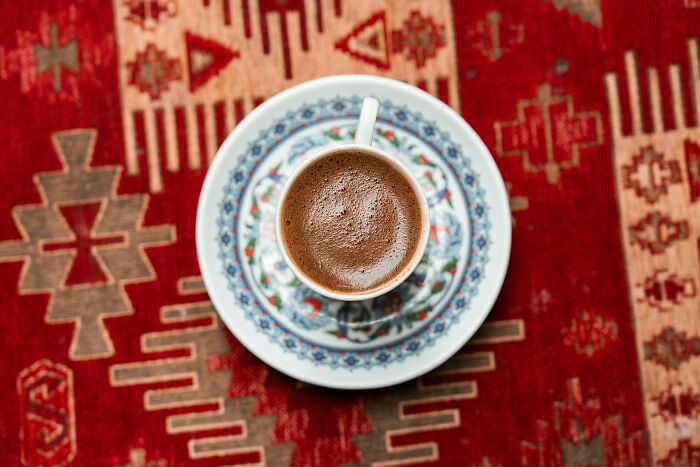
Image credits: Ahmed / unpslash.com
Greek coffee looks like a spell someone brewed under a truck. Thick. Muddy. Possibly sentient. The challenge isn’t drinking it — it’s surviving the internal trembling that begins somewhere in your kidneys and rises to your eyebrows.
Then there’s the frappé: a delicious mix of instant coffee, water, and pure electricity. If your hands aren’t shaking, re-order. And yes, your coffee choice absolutely reveals your psychological profile:
- Black Greek coffee — emotionally stable, probably an old soul
- Medium sugar — philosophical, prone to spiraling into life questions
- Sweet — sunshine in human form
- Frappé, black — stays unbothered under all circumstances
- Frappé with milk — still lives with mom
- Freddo cappuccino — definitely an artist, likely owns two cats and at least one unfinished project
Ordering coffee in Greece is less about caffeine and more about declaring your entire identity.
Within a week, the entire village knew my life story, three versions of my romantic history, and an imaginary grandmother I never asked for
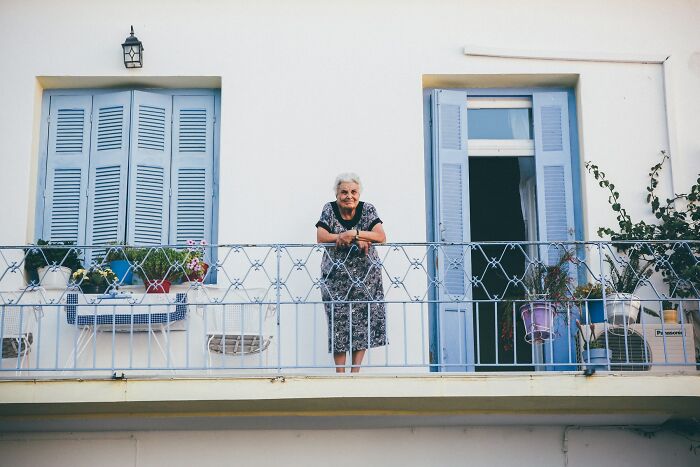
Image credits: Skiathos Greece / unsplash.com
Small Greek villages have one special skill: they know everything about you before you know it yourself.
Within seven days, the locals had:
- Identified me as “the foreigner who keeps returning — suspicious”
- Debated if I had a sugar daddy
- Assigned me a grandmother
- Speculated about my marital status with the intensity of Olympic judges
I’ve never felt so observed in my life. It was like being a celebrity, except instead of paparazzi, it’s eight yiayias watching you from balconies while peeling potatoes.
But over time, I found it heartwarming. Weird, but heartwarming.
Olive oil in Crete is not food — it is religion, medicine, skincare, therapy, and probably the cure for immortality
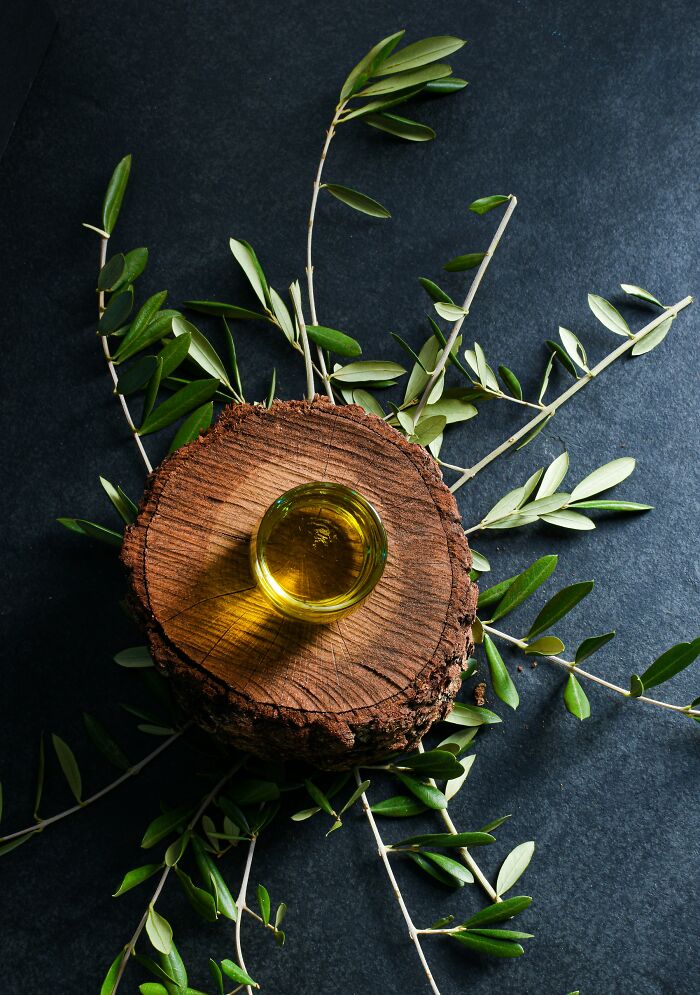
Image credits: Blackieshoot / unsplash.com
Cretan olive oil is not a condiment. It is liquid divinity.
You don’t drizzle it — you baptize your food.
Some things I learned quickly:
- Salad? Olive oil.
- Bread? Olive oil.
- Dry skin? Olive oil.
- Existential meltdown? Also, olive oil.
Once you taste proper Cretan olive oil — dark green, spicy, pleasantly aggressive — you are ruined for life. Forget what doctors say. This is an anti-aging serum. This is health. This is life.
Eating Greek BBQ is less “lunch” and more “being force-fed by a grandmother until you question your will to live”
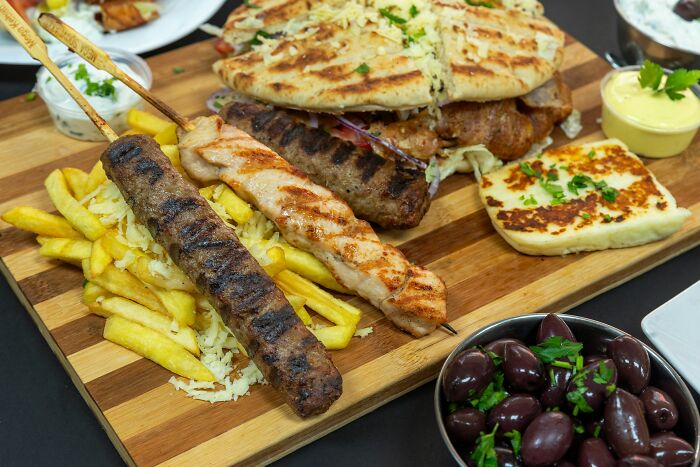
Image credits: Christopher Yiu Chung / unsplash.com
If a yiayia invites you for lunch, cancel the next 36 hours. You’re entering a gladiator arena made of grilled meat.
Here’s the rulebook:
- Rejecting a second portion = impossible
- Rejecting a third = personal insult
- Rejecting a fourth = “Why don’t you love us?”
- Rejecting a fifth = full family discussion about your emotional stability
Food in a Greek village isn’t just food — it’s love, pride, tradition, hospitality, and apparently a cardio workout, judging by how much you sweat during the meal.
The village dogs formed a mafia and I was apparently their sworn enemy
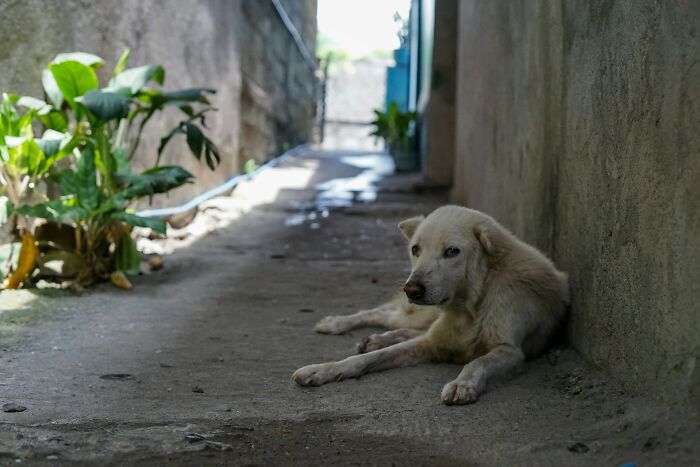
Let me be honest: I have beef with the dogs of Kounoupidiana. They are cute from afar, but they are territorial, vengeful, and deeply unimpressed by foreigners taking out the trash.
Every garbage run felt like a psychological duel:
Them: staring, plotting.
Me: rehearsing escape routes.
Them again: “We bite children, you know.”
Me: “I believe you.”
I now trust cats significantly more than dogs.
Greek hospitality raised my standards of human kindness so high that no Airbnb host in the world can ever compete again
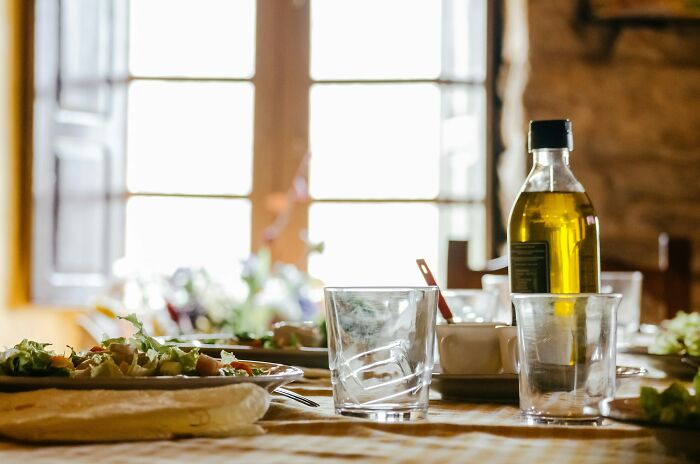
Image credits: Juan Gomez / unsplash.com
After six months in a Cretan village, I became emotionally ruined. People would drop off fresh cucumbers, invite me to dinner, and shout “KALIMERA!” like they were greeting a long-lost cousin.
I got used to:
- Hosts turning into temporary Greek moms
- Family dinners I never planned for
- Being fed more vegetables than I bought
- People watching me come and go like a reality show
- Subtle matchmaking attempts involving their oldest sons
Now when I stay anywhere else, I’m disappointed.
“What do you mean you didn’t leave an omelet at my door?”
“What do you mean you’re not watching me from your kitchen window with loving concern?”
Ruined.
Forever ruined.
One day, the village forced me to slow down, and I accidentally learned how to live like a functioning human being
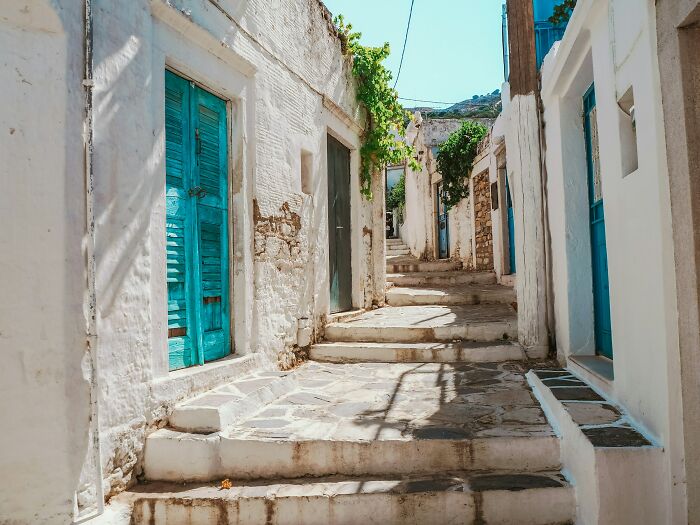
Image credits: Johnny Africa / unsplash.com
At first, I panicked.
“Why is everything closed?”
“Why is everyone drinking coffee at 4 PM?”
“Why isn’t anyone sprinting like they’re in a Marvel film?”
Then… something shifted.
One afternoon, I found myself sitting by the sea, sipping a frappé, totally unbothered by the fact that the supermarket wouldn’t open until Monday. That’s when I understood: the village doesn’t slow down for you. You slow down for it.
And in that slowing, I actually saw my life.
Felt it.
Lived it.
It’s the greatest lesson Crete gave me.
Final thoughts: in the end, a Greek village didn’t just teach me patience and hospitality — it taught me simplicity, joy, and how to live well
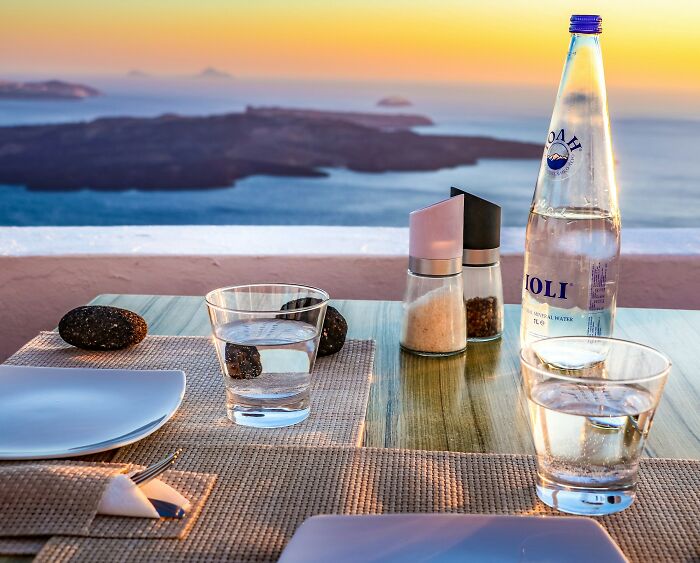
Image credits: Andreas M / unsplash.com
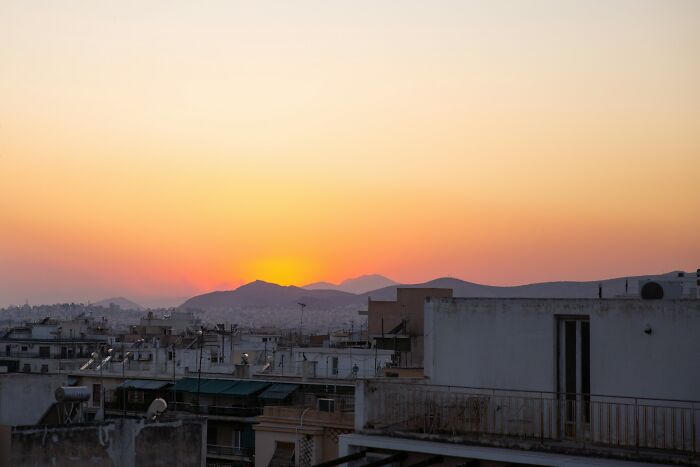
Image credits: Travis Fish / unsplash.com
Six months in Kounoupidiana taught me that life doesn’t need to be dramatic or complicated to be deeply good.
Sometimes all you really need is:
- A sky so blue it feels fictional
- A Greek coffee strong enough to restart your soul
- A tomato that tastes like Mount Olympus personally delivered it
- A judgmental cat
- And a host who keeps leaving vegetables at your door
Living in Greece is walking in the footsteps of gods, but with the heart of everyday people.