
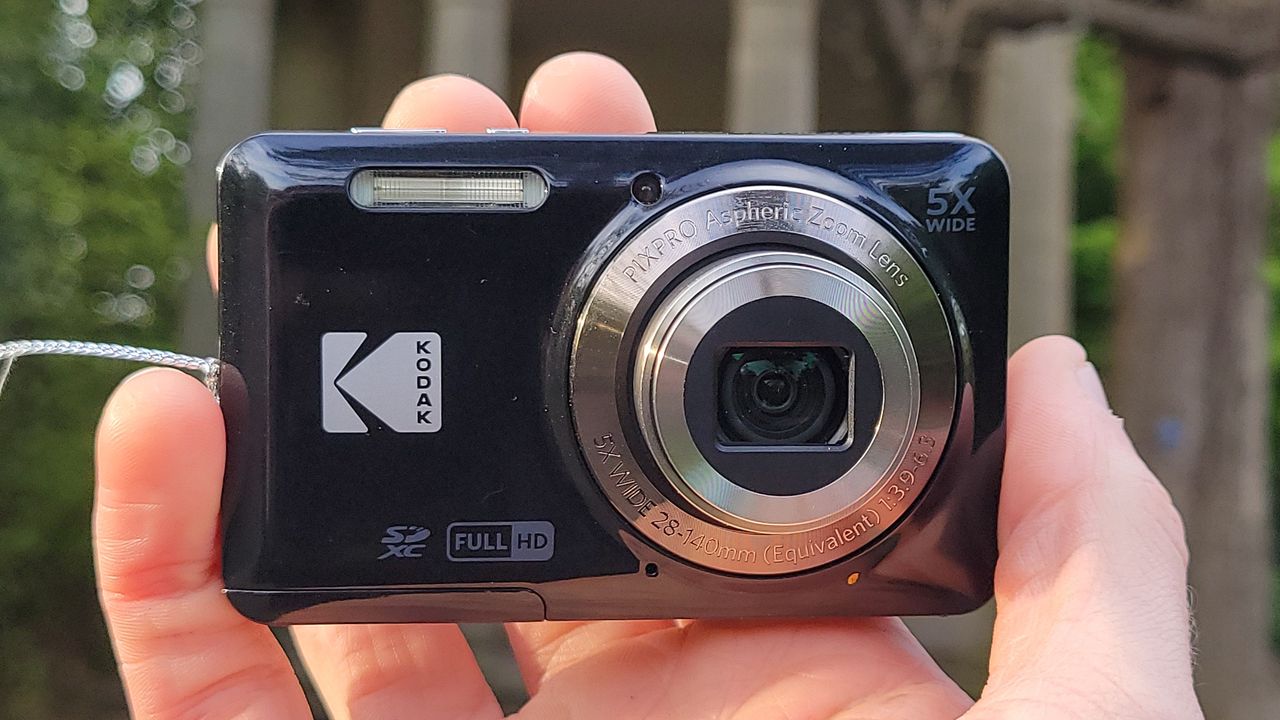
It’s no wonder the Kodak Pixpro ZF55 has topped camera sales charts for so many years. It fits into almost any pocket, takes about 10 minutes to figure out how to use, packs a respectable 16MP sensor, and typically costs less than $160 ( £120 / AU$240).
In fact, I recently spent a week or so mulling around with this fun little point-and-shoot camera and, to my surprise, I really liked it. On a couple of occasions, I even chose to head out with the Kodak instead of my Sony A7 III.

I had a lot of fun with the point-and-shoot, and would certainly recommend it to anyone who wants a really cheap camera and cares more about capturing memories than megapixels. But personally, I’d invest a couple of hundred more and go for something slightly more premium — perhaps an older Canon PowerShot series model, or even a budget APS-C camera like the Sony a6400.
See, the two big things that bugged me about the Kodak PixPro FZ55 were the poorly rendered colors on its tiny LCD screen and the inaccurate exposure metering I experienced when relying on the histogram.
I know the old saying “you get what you pay for” kind of comes into play here but, cheap or not, at least give me a camera that doesn’t consistently blow out my highlights. In layman's terms, I was frustrated with how many times my photos were ruined by bright white sections.
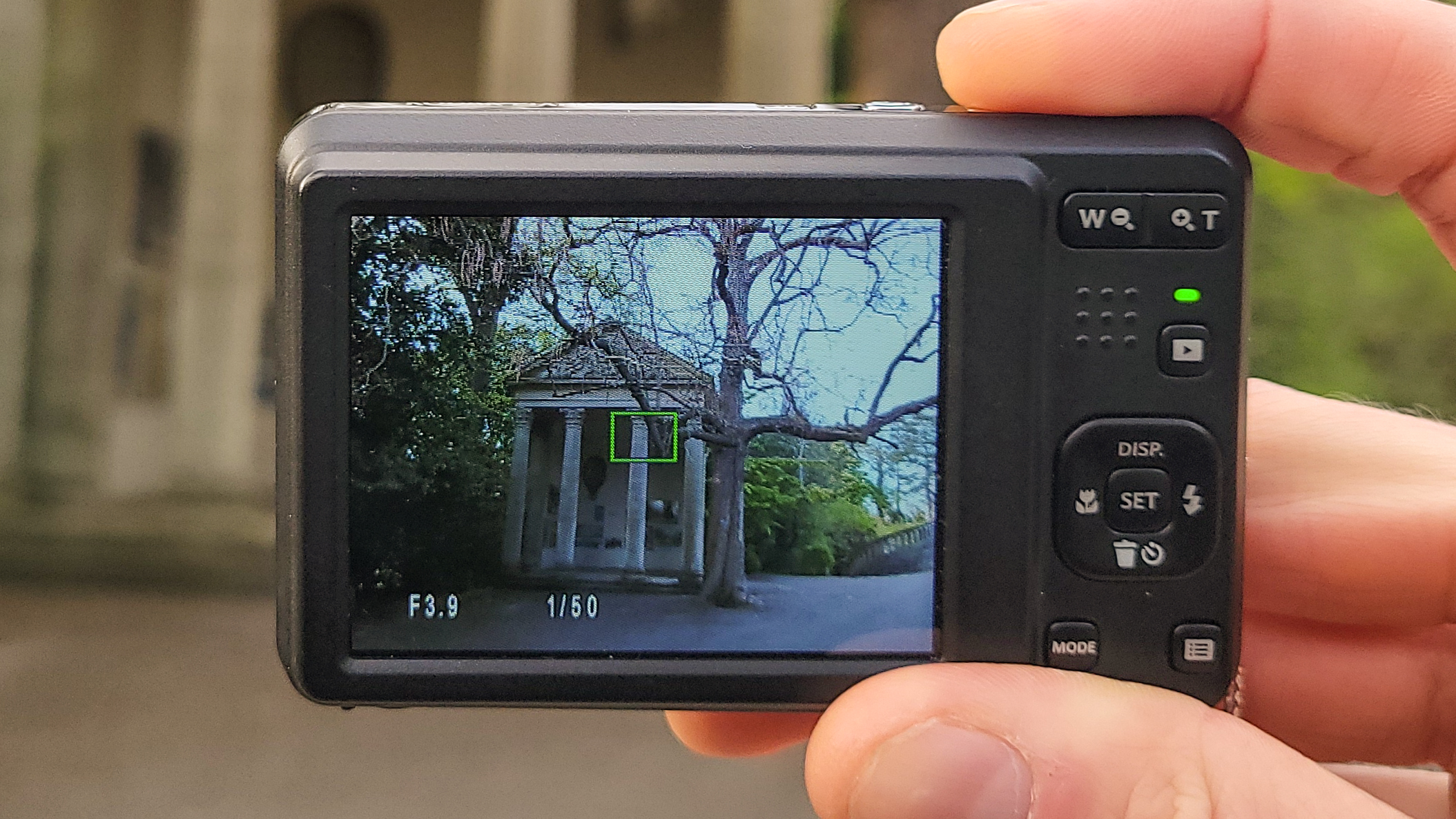
To avoid these issues, I often found myself intentionally underexposing with the PixPro FZ55, which I don’t think would’ve been the case with something like the Canon or Sony models I just mentioned, thanks to their larger screens and better metering systems, albeit at higher prices.
When the PixPro got it right, I was more than happy with the results, some of which you’ve been looking at in this article, so I can’t complain too much about Kodak’s most-loved compact camera. I’d just like to see slightly more reliable performance.
You might also like
Discover our expert pick of the best Kodak cameras for point-and-shoot fun with minimal settings to navigate.