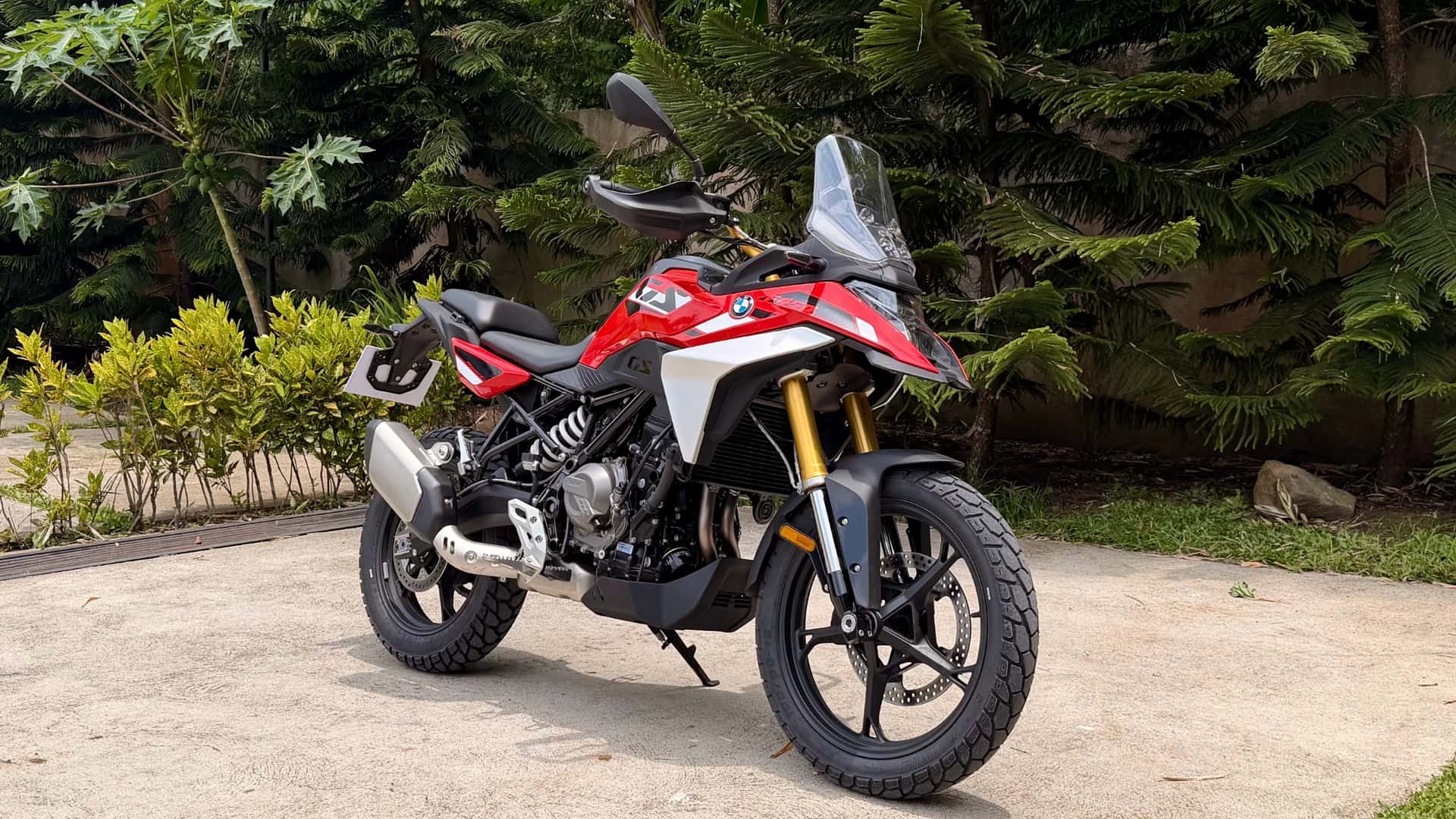
There’s only so much a spec sheet can tell you before it starts reading like a dating profile written by the manufacturer’s legal department. Lightweight. Adventurous. Sophisticated. Ready for anything. Sure, buddy.
So when BMW Motorrad Philippines invited me to ride the new F 450 GS before its local launch, I wanted to know whether it was genuinely good or merely extremely talented at standing under flattering showroom lights.
Our route covered around 130 kilometers, or roughly 81 miles, from Manila down to Tagaytay through Talisay. I know this road like the back of my hand, including the corners where drivers inexplicably stop, park, reverse, or attempt three-point turns as though gravity and common sense are optional. Think of it as a condensed Philippine Stelvio Pass, only hotter, more chaotic, and occasionally occupied by a delivery van doing six miles per hour.
The climb is packed with steep gradients, blind bends, and extremely tight hairpins that can make inexperienced riders suddenly discover religion. Unfortunately, there was no off-road section, which is a mildly hilarious way to test a motorcycle wearing a GS badge. Still, the route was demanding enough to expose a bike with bad fueling, vague steering, excessive weight, or suspension calibrated by somebody who hates vertebrae.
Apparently It Doesn’t Need A 270-Degree Crank
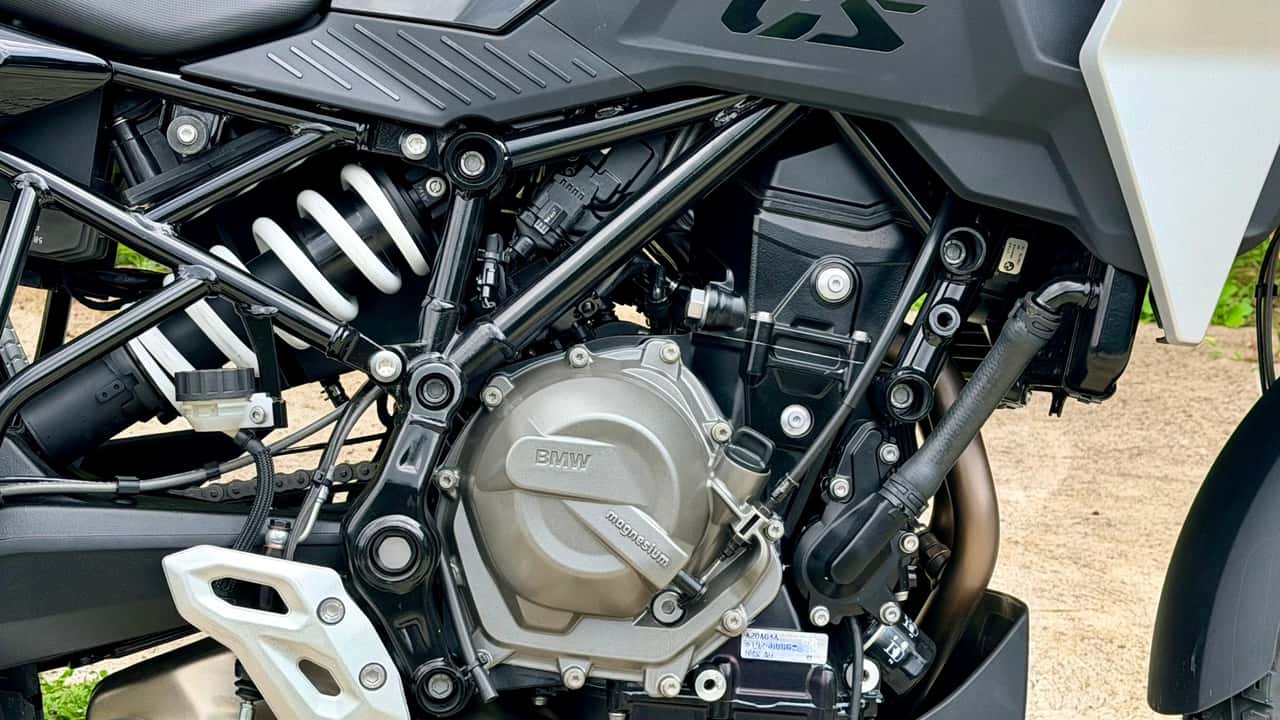
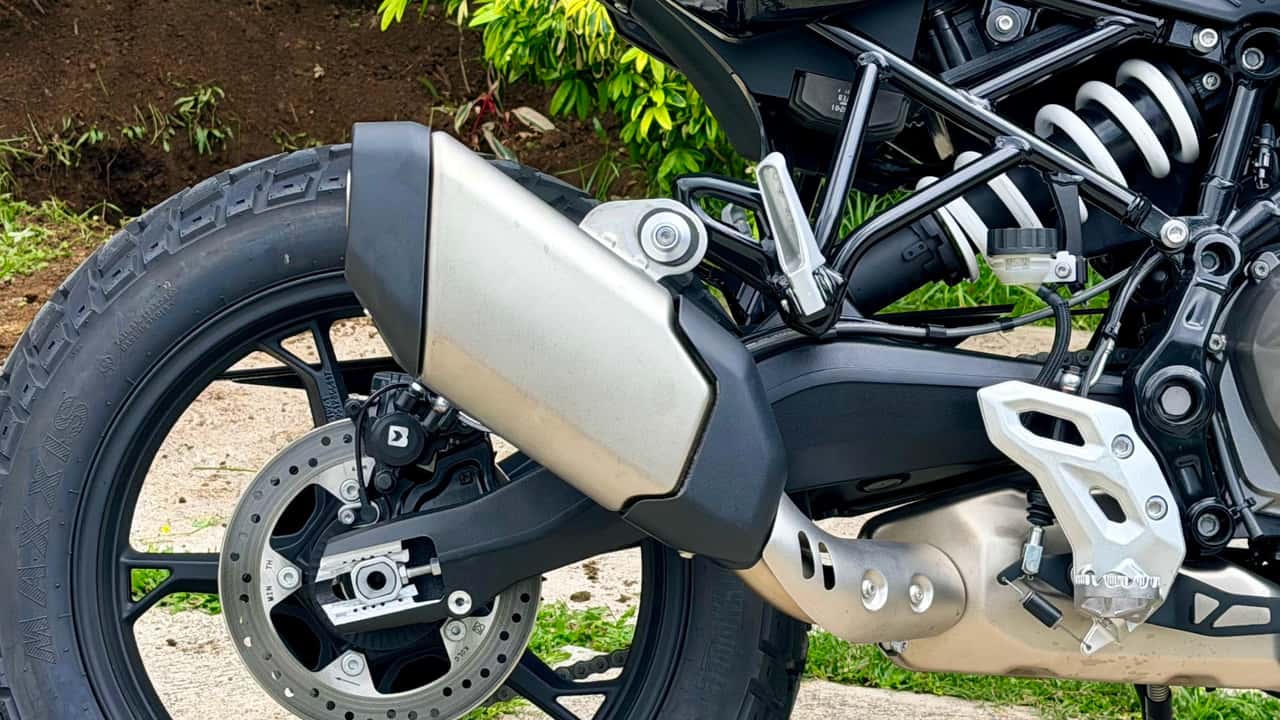
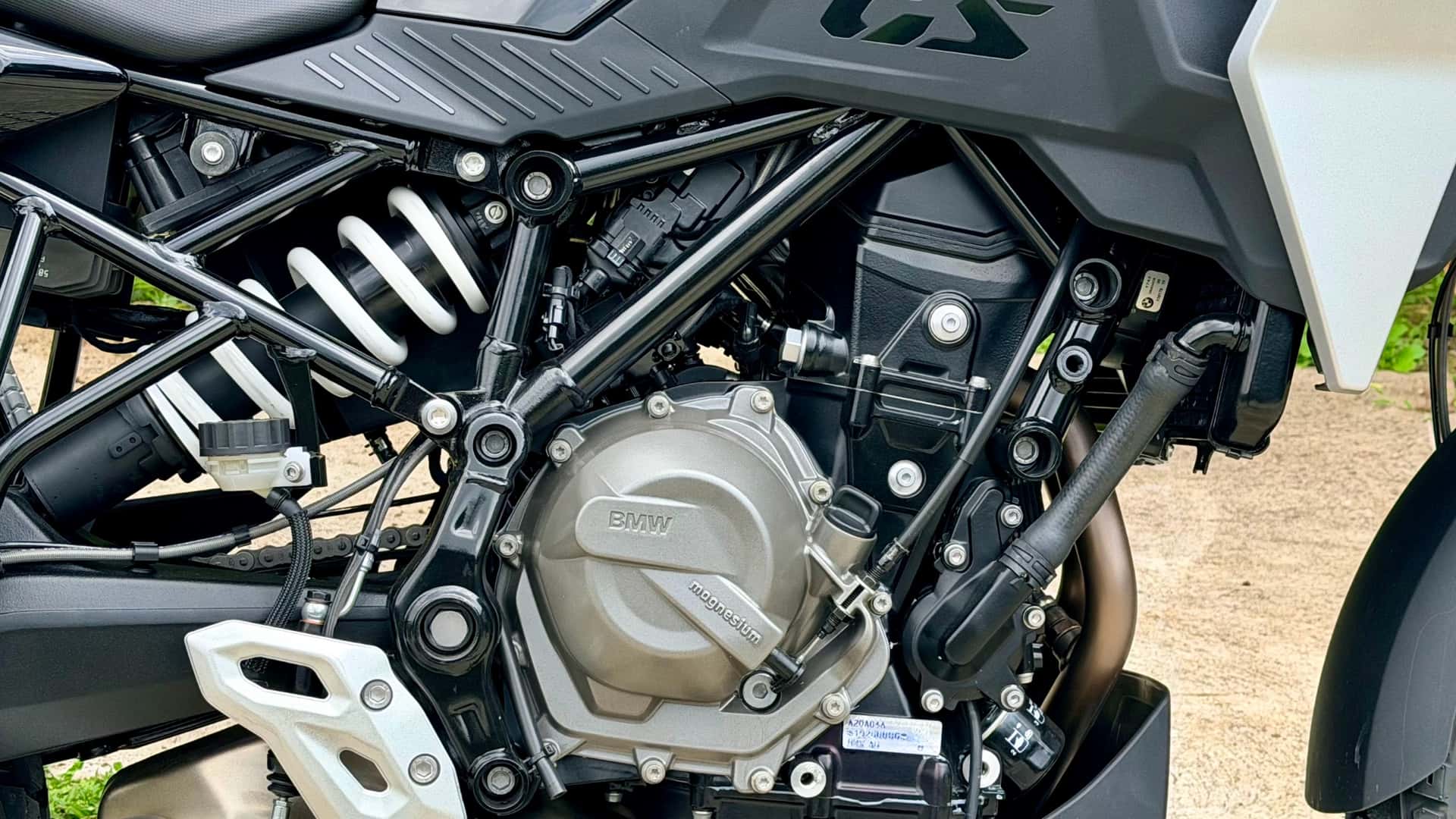
For reasons I can’t fully explain, I’d spent months believing the F 450 GS had a 270-degree crank. It doesn’t. BMW’s 420cc parallel-twin instead uses a 135-degree crankpin offset, which sounds either incredibly clever or like somebody entered the wrong number into an engineering spreadsheet and decided to defend it.
When I first learned this, I thought it might be a deal breaker. As someone who has owned three Yamaha MT-07s (yeah, I know I'm a bit weird), you could say I'm obsessed with the whole "crossplane crankshaft" craze. And I'm not the only one. The 270-degree crank has become the pumpkin spice latte of parallel-twin motorcycles. Everyone has one, everyone claims theirs has more character, and we’re all apparently supposed to nod while listening to another exhaust note described as “V-twin-like.”
But the F 450 GS doesn’t need one. The engine is smooth, eager to rev, and far more entertaining than its sensible displacement suggests. It doesn’t erupt forward with the fury of a bike trying to invalidate your insurance policy, but there’s enough power for overtakes, mountain roads, and sustained highway speeds without making you wish BMW had hidden another cylinder somewhere under the tank.
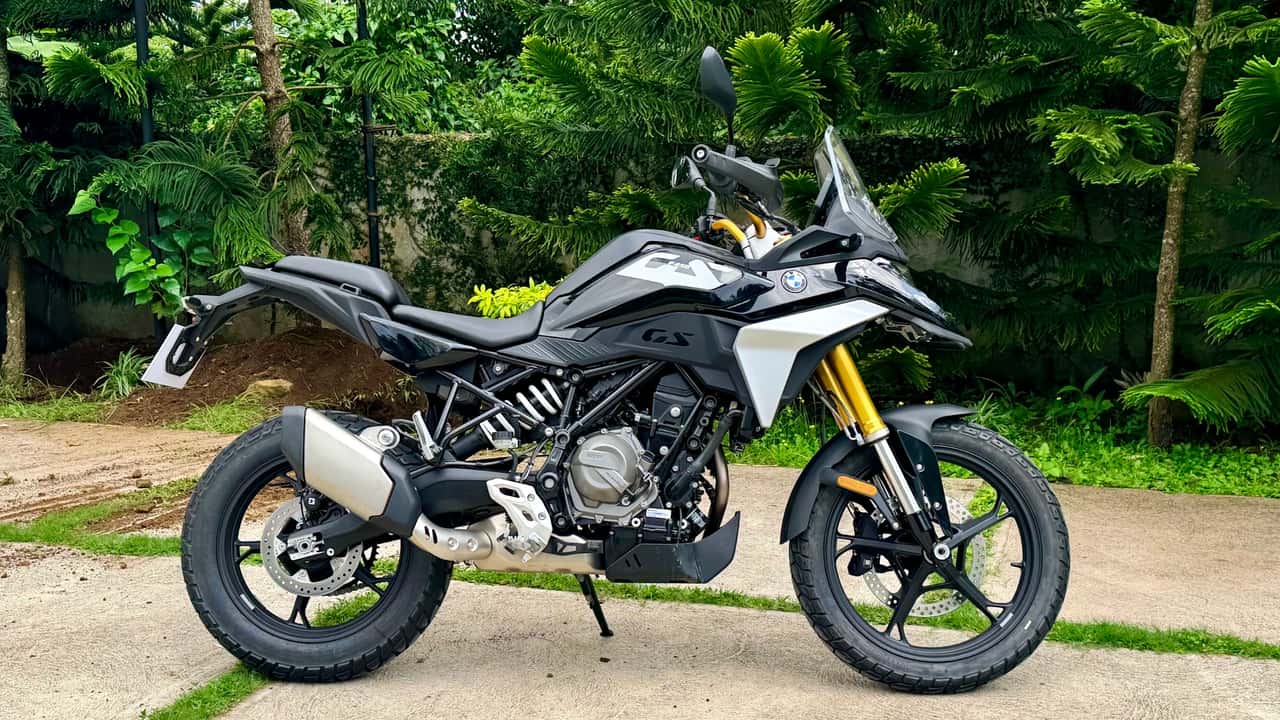
Our group was easily cruising at around 120 kilometers per hour, or roughly 75 miles per hour, whenever traffic allowed. The engine didn’t sound distressed, the bike didn’t begin wandering around the lane, and no component appeared eager to resign. It simply got on with the job, which is becoming disturbingly rare in an industry increasingly obsessed with giving motorcycles seventeen ride modes and a companion app nobody asked for.
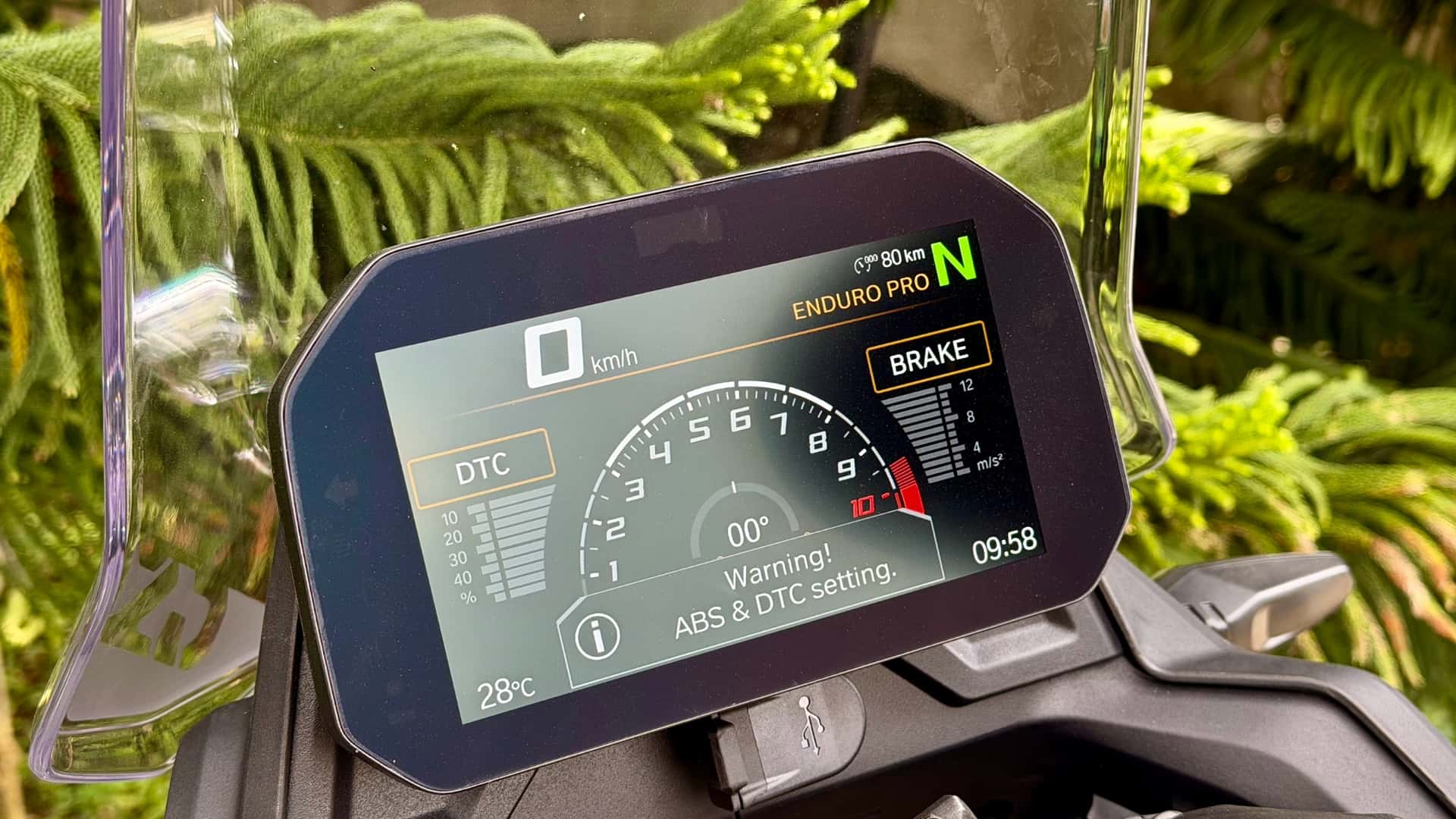
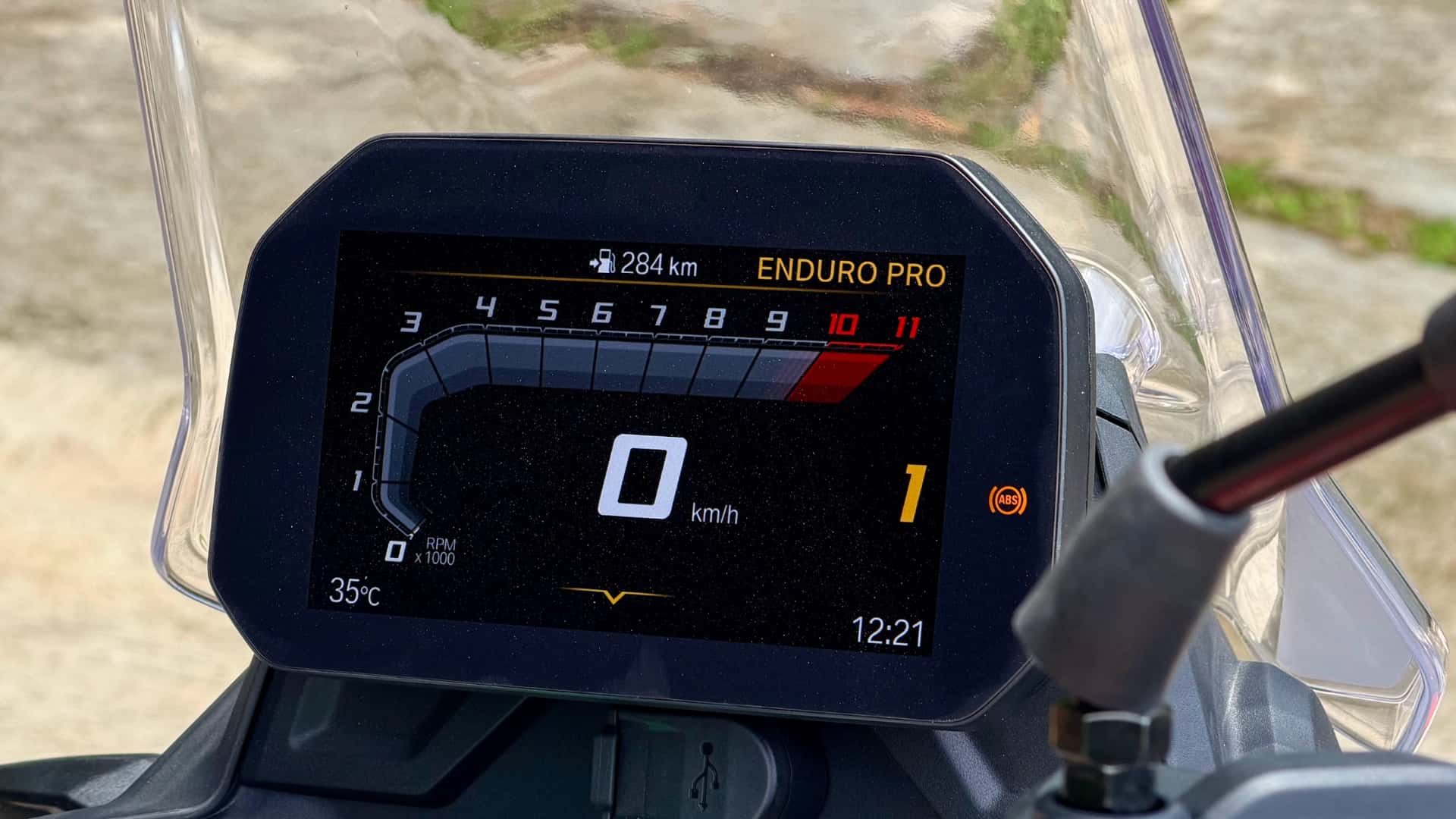
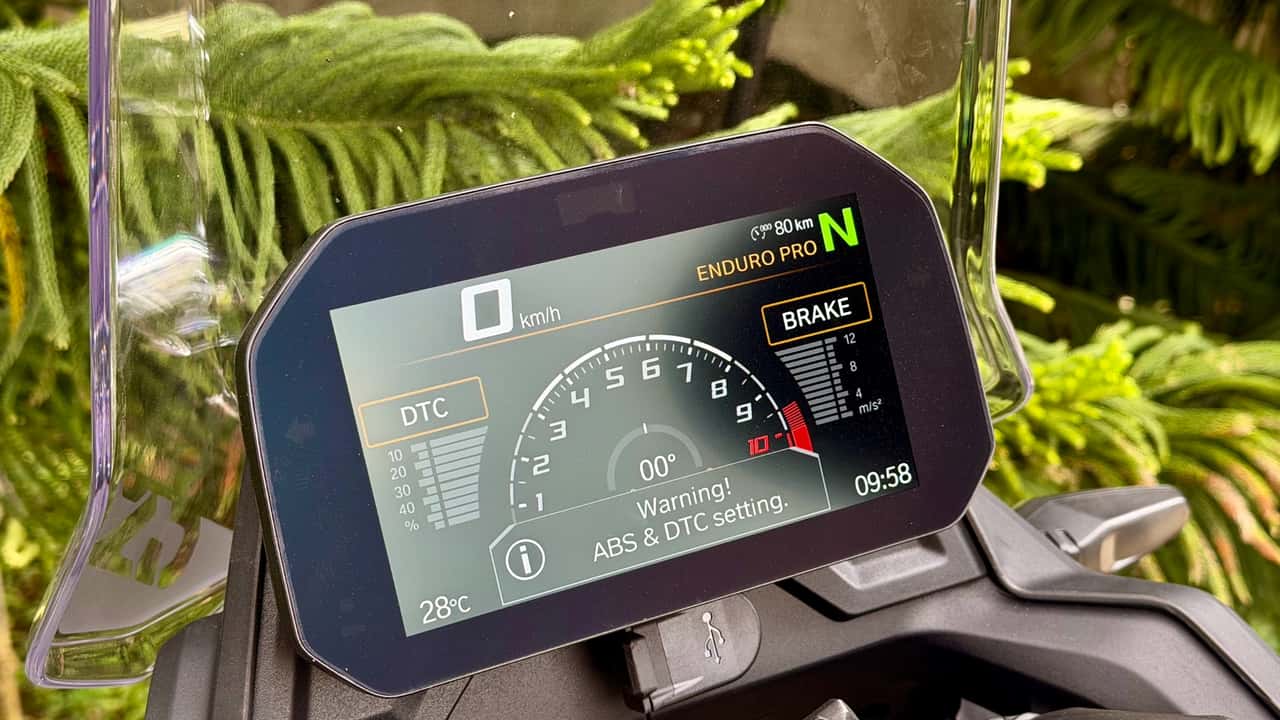
Speaking of modes, yes, the GS does have modes. But they're extremely easy to use, and refreshingly practical, too. Road and Rain mode are as you'd expect. Meanwhile, Enduro mode allows you to pop little wheelies, but keeps the ABS on. Enduro Pro mode, on the other hand, turns over all control to you, which makes the bike way more fun than it has any business being.
The F 450 GS Makes Difficult Roads Much Less Dramatic
The Talisay climb is where the F 450 GS started making an annoyingly convincing case for itself. Corners tighten without warning, inclines become dramatically steeper halfway through a bend, and local traffic operates according to a rulebook apparently written by raccoons... or in this case, stray cats and dogs. It’s exactly the sort of road where a motorcycle’s weaknesses stop being theoretical and begin trying to throw you into the scenery.
But the BMW F 450 GS just worked.
Yes, that sounds like something printed on a refrigerator warranty, but it’s the most accurate description. The bike was easy to place, easy to correct, and reassuring when a corner turned out to be much tighter than it looked. It didn’t demand theatrical body movements, blind faith, or the quads of a professional cyclist. Although it rewarded skill and masterful control. You just pointed it somewhere, and unless you’d made a spectacularly bad decision, it went there.
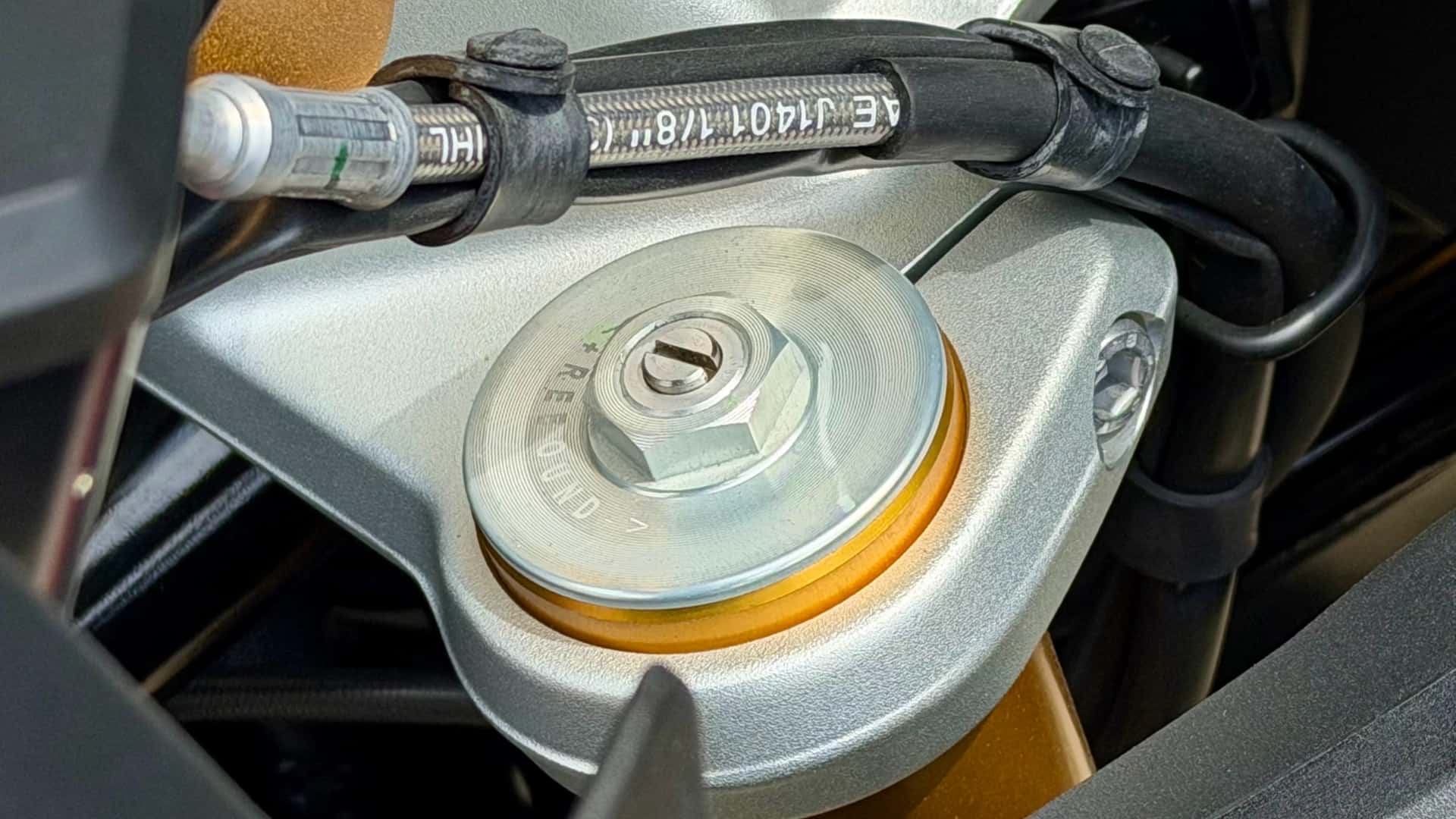
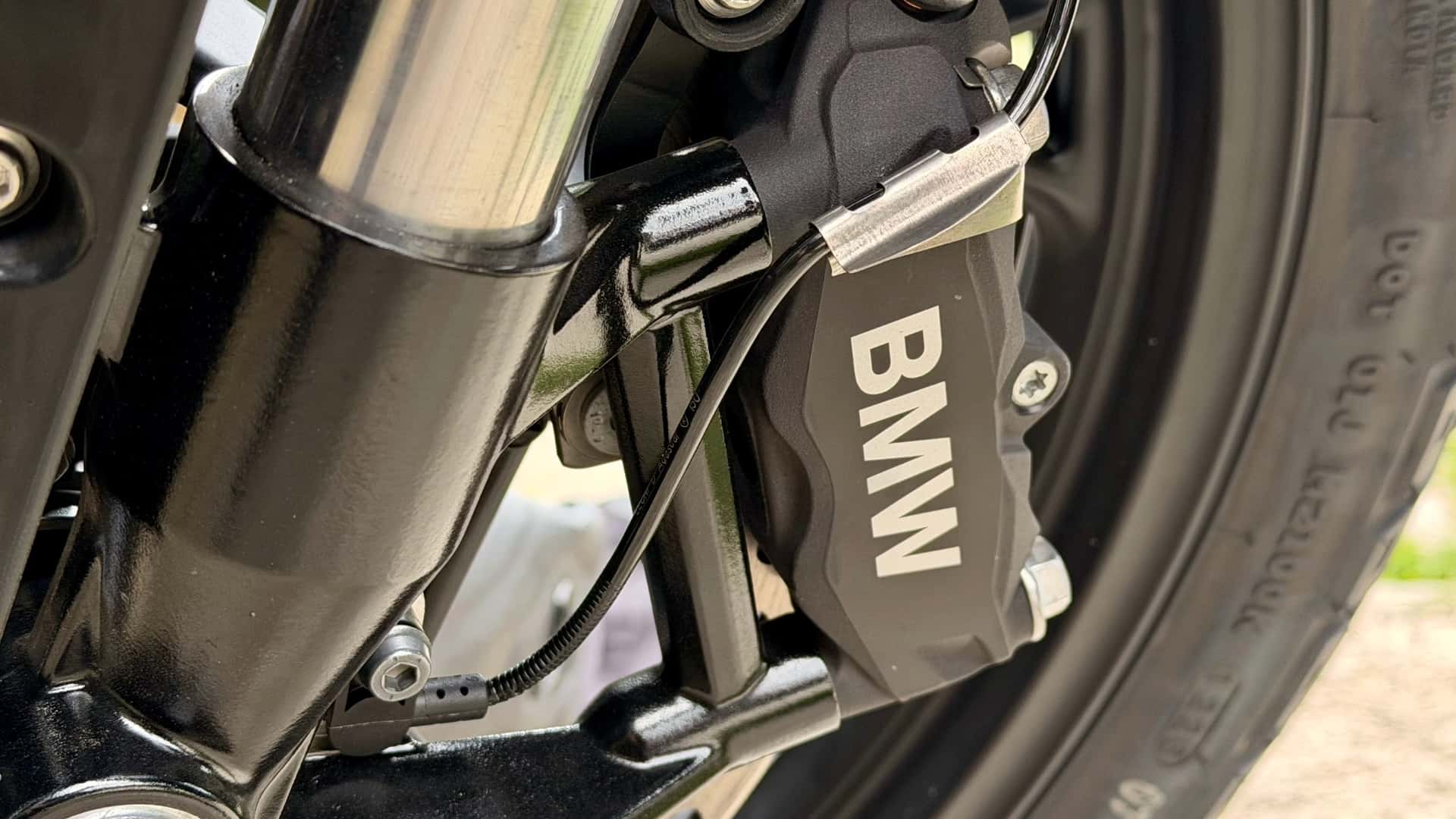
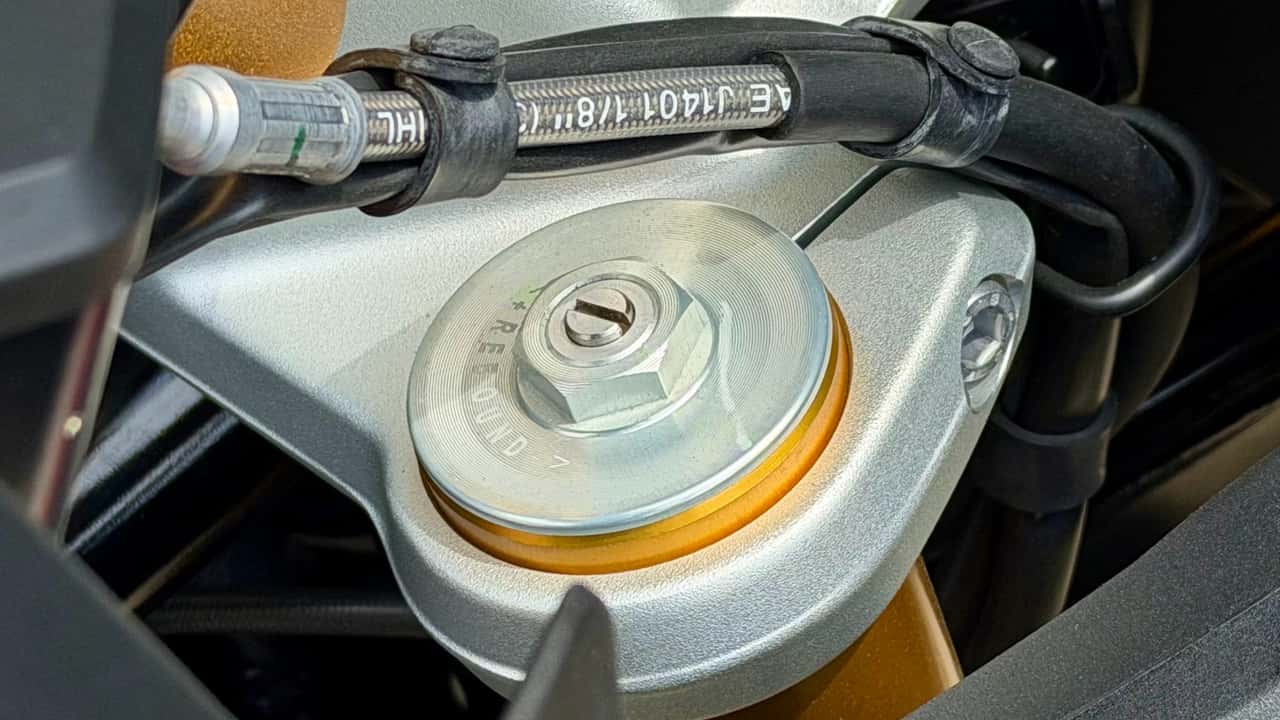
I rode the Exclusive variant on the first half of the route. Its fork isn’t adjustable, which will inevitably cause several "die-hard adventurers" on internet forums to collapse onto fainting couches. On the road, however, the standard setup was completely fine. It stayed composed through the hairpins, dealt with broken pavement, and never once made me think the front end had been calibrated using two broom handles and a bucket of cooking oil.
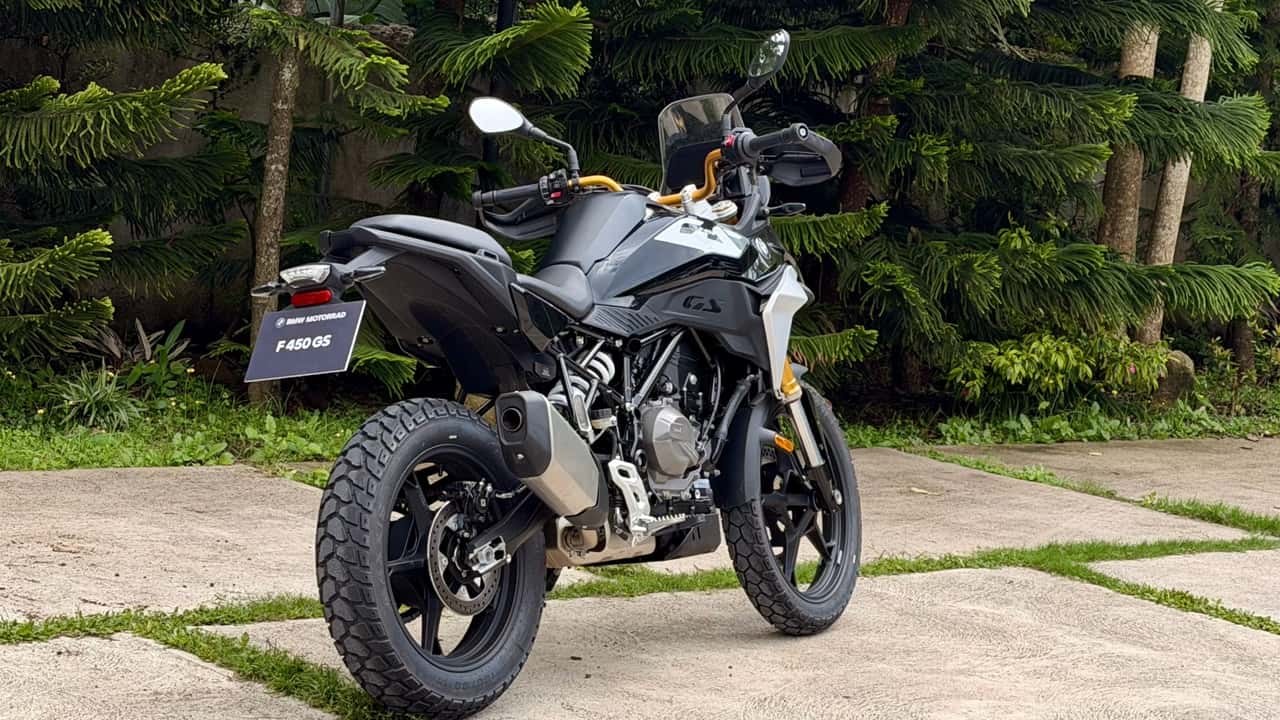
On the return trip, I switched to the Sport, which gets adjustable front suspension. The extra control will matter to riders who carry luggage, ride aggressively, take setup seriously, or simply enjoy turning little screws and telling everyone within earshot about compression damping. It’s the better option for riders planning to push the bike harder, especially off-road, but the Exclusive never came across as the poverty-spec version assembled from leftover parts.
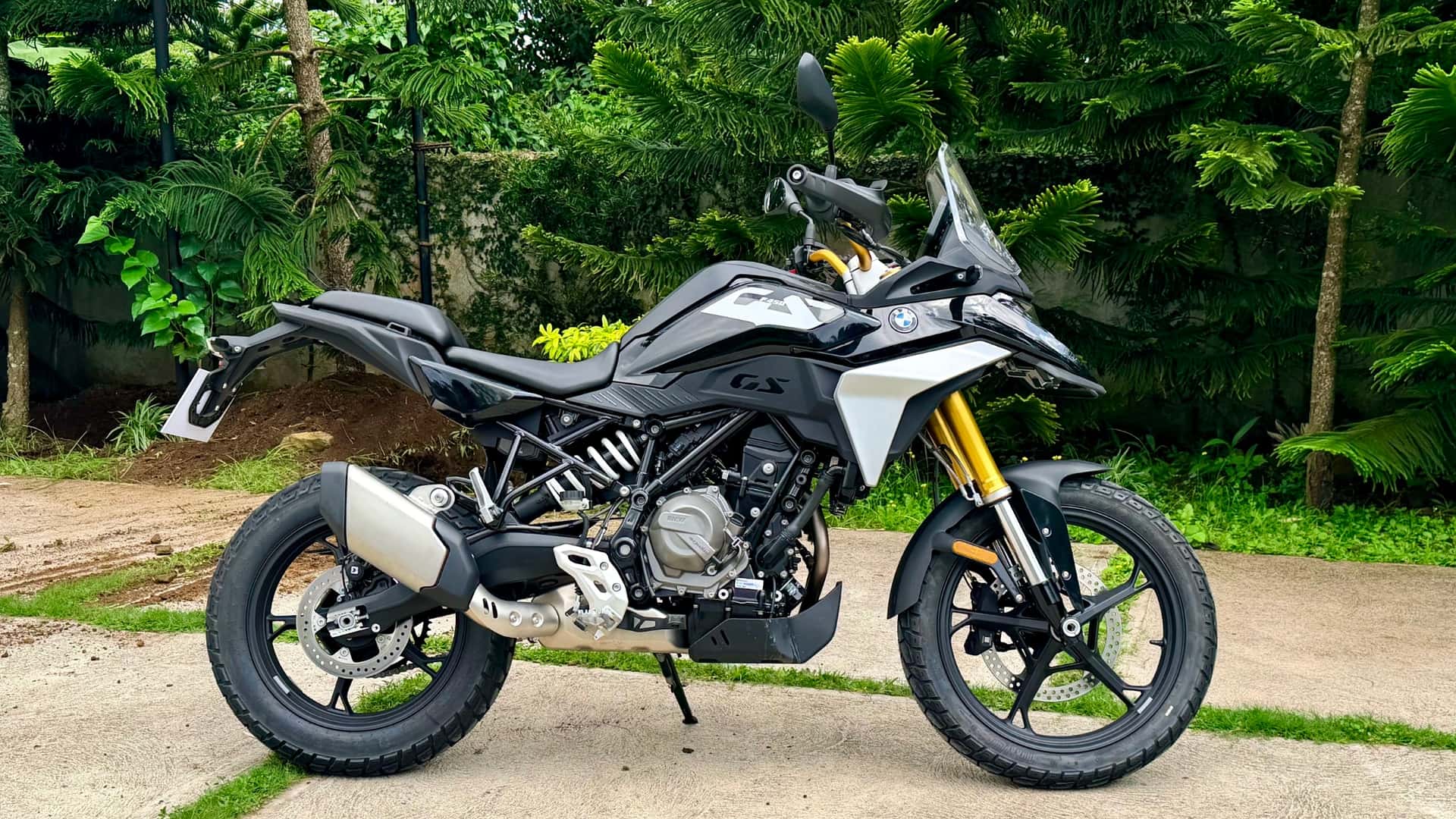
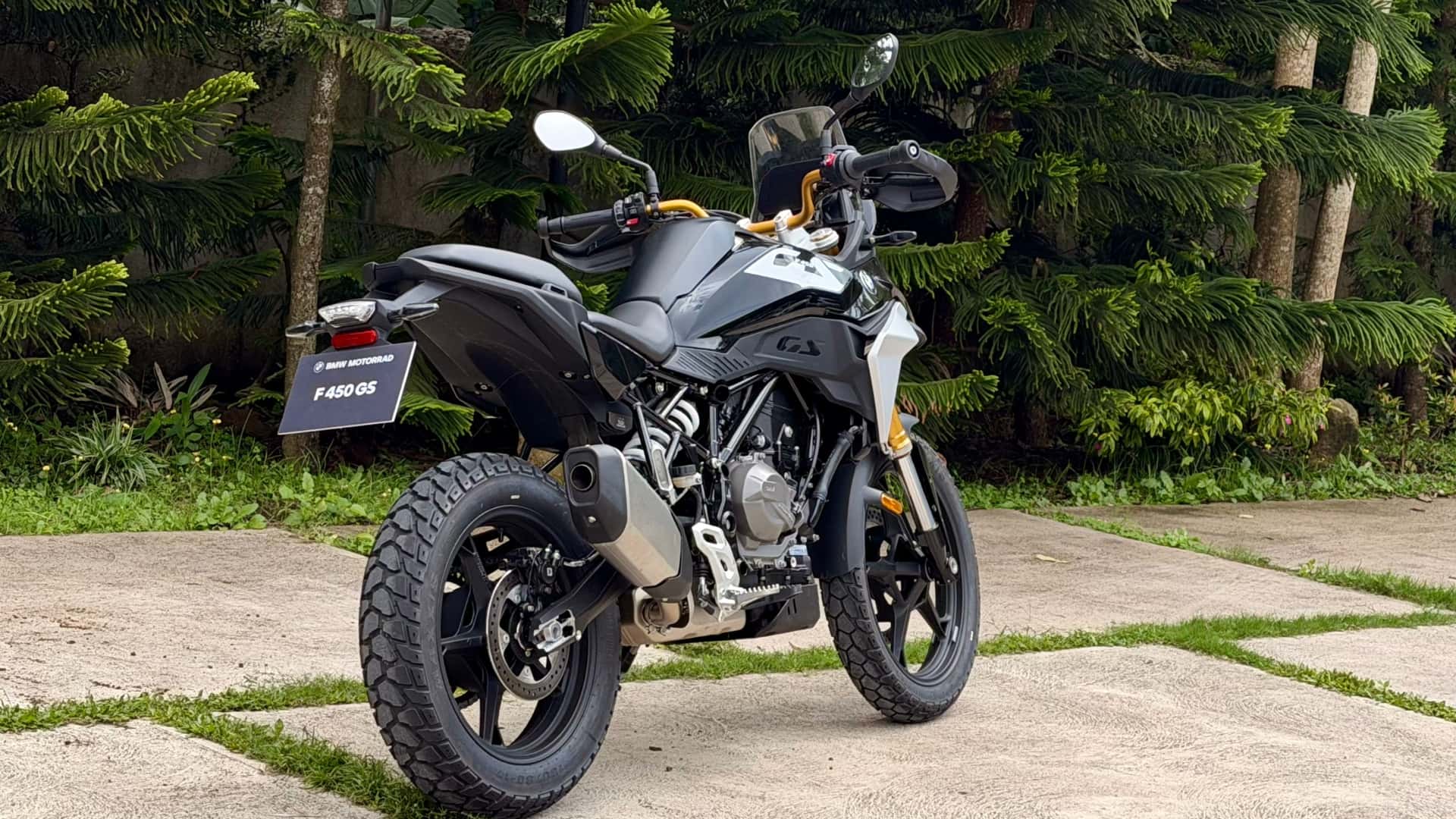
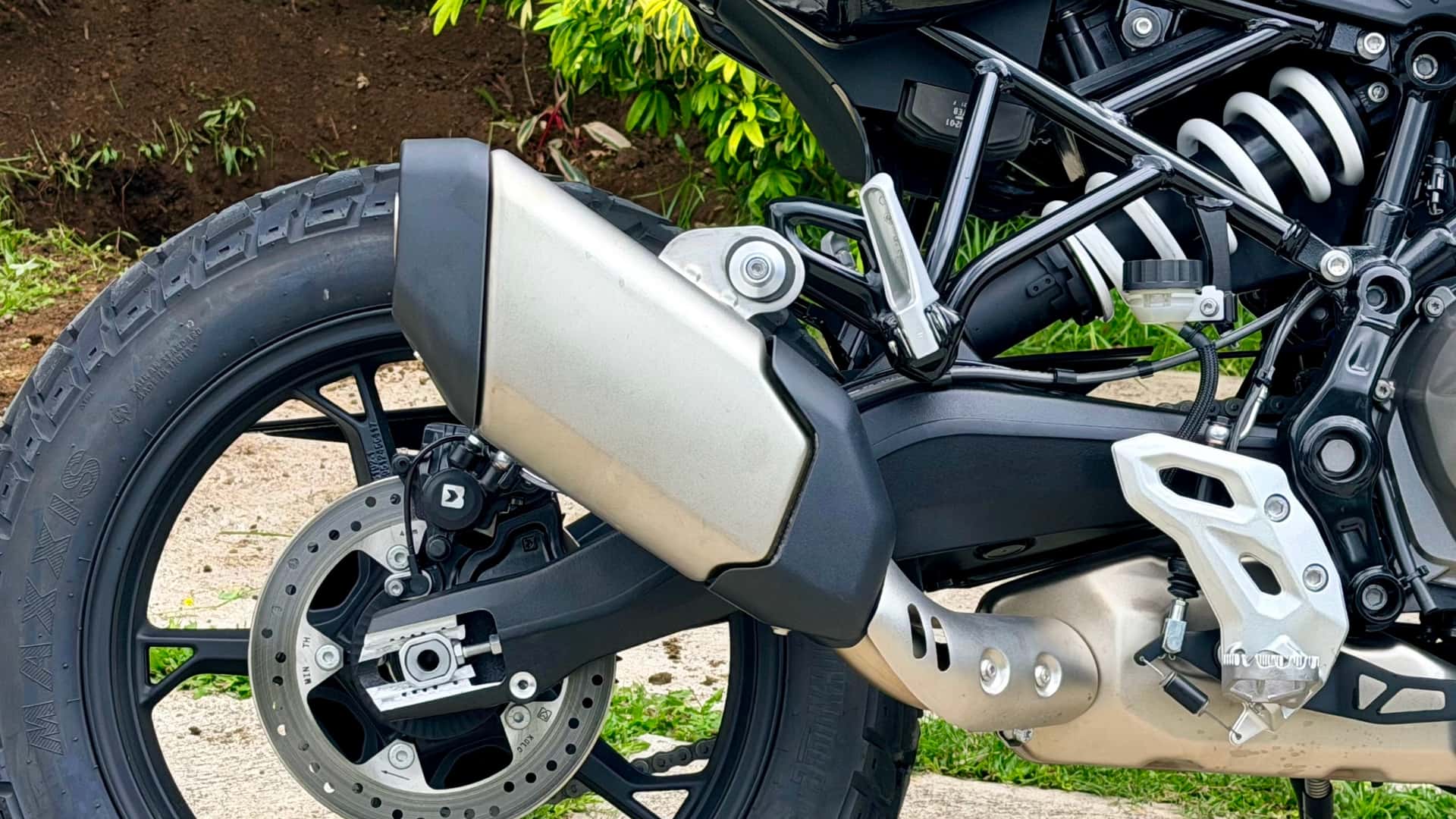
Sadly, the Trophy variant isn’t available in the Philippines yet. That means no loud rally-inspired graphics and, more importantly, no fancy-ass spoked wheels. Cast wheels are lighter, practical, easy to clean, and perfectly sensible for road use. Unfortunately, none of those things matter when spoked wheels make an adventure bike look approximately 63 percent more capable while parked outside a coffee shop.
Seeing Where Its Engine Came From Made This Weirdly Personal
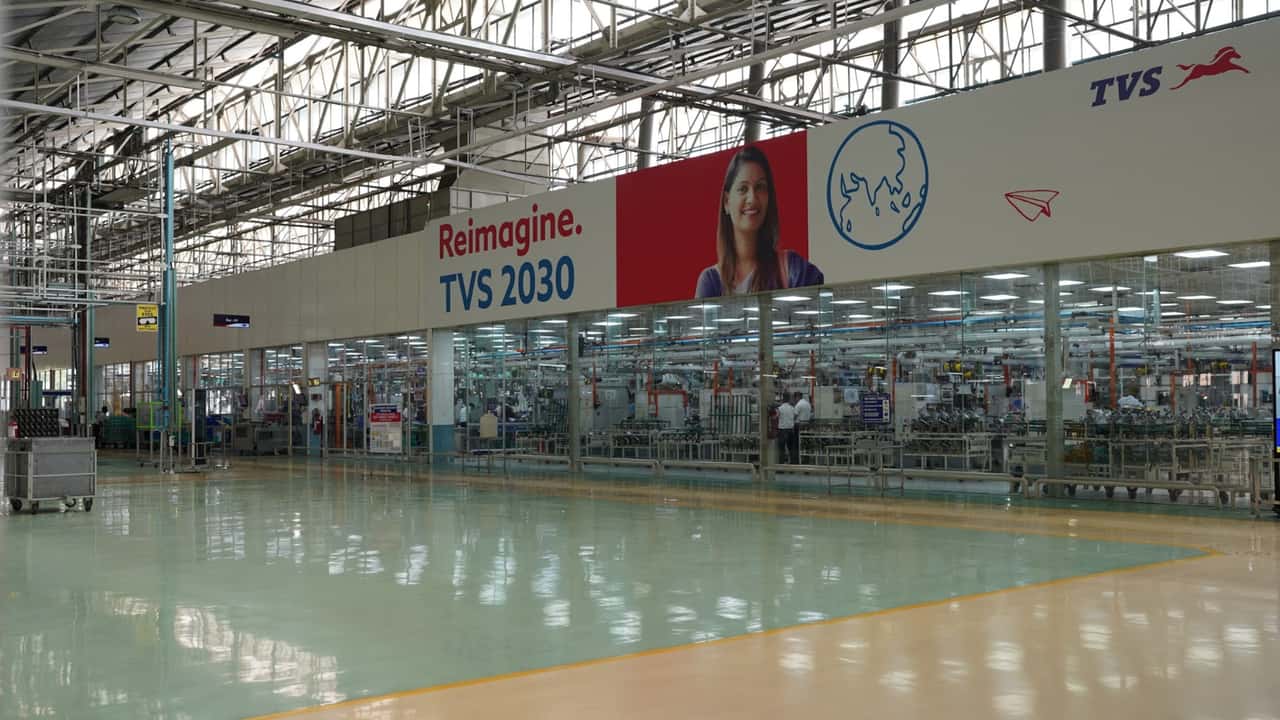
This ride also hit differently because I visited the TVS factory in India last year, where the F 450 GS engine is built. Its production area is separate from TVS’ main assembly line and housed inside a climate-controlled facility filled with state-of-the-art machinery. It looked less like a conventional motorcycle factory and more like a laboratory where extremely serious people manufacture mechanical organs for expensive toys.
At the time, the engine was still just an impressive collection of components, machines, and manufacturing processes. Now I was riding the finished product through roads I’ve known for years. I tried not to romanticize the whole thing because motorcycles are machines, corporations are not our friends, and nostalgia is how manufacturers sell us anniversary paint for extra money.
But yes, it was absolutely a full-circle moment.

I’d watched these engines being built in India, seen the environment and technology behind them, and then ridden the result through one of my favorite roads right here at home in the Philippines. That connection made the test feel more meaningful than the usual launch routine of riding a motorcycle, eating a catered lunch, and pretending a branded USB drive is an exciting gift.
More importantly, the finished bike lives up to the sophistication of the facility producing its engine. The F 450 GS is light, approachable, packed with useful equipment, and versatile enough to commute, tour, carve through mountain roads, and presumably get filthy once somebody finally lets me point it at some dirt.
After 81 miles, my main complaint was that BMW wanted the motorcycle back. I wanted to ride it farther, put luggage on it, take it onto rough roads, and find out whether the GS badge was earned or merely applied with great confidence by the marketing department.
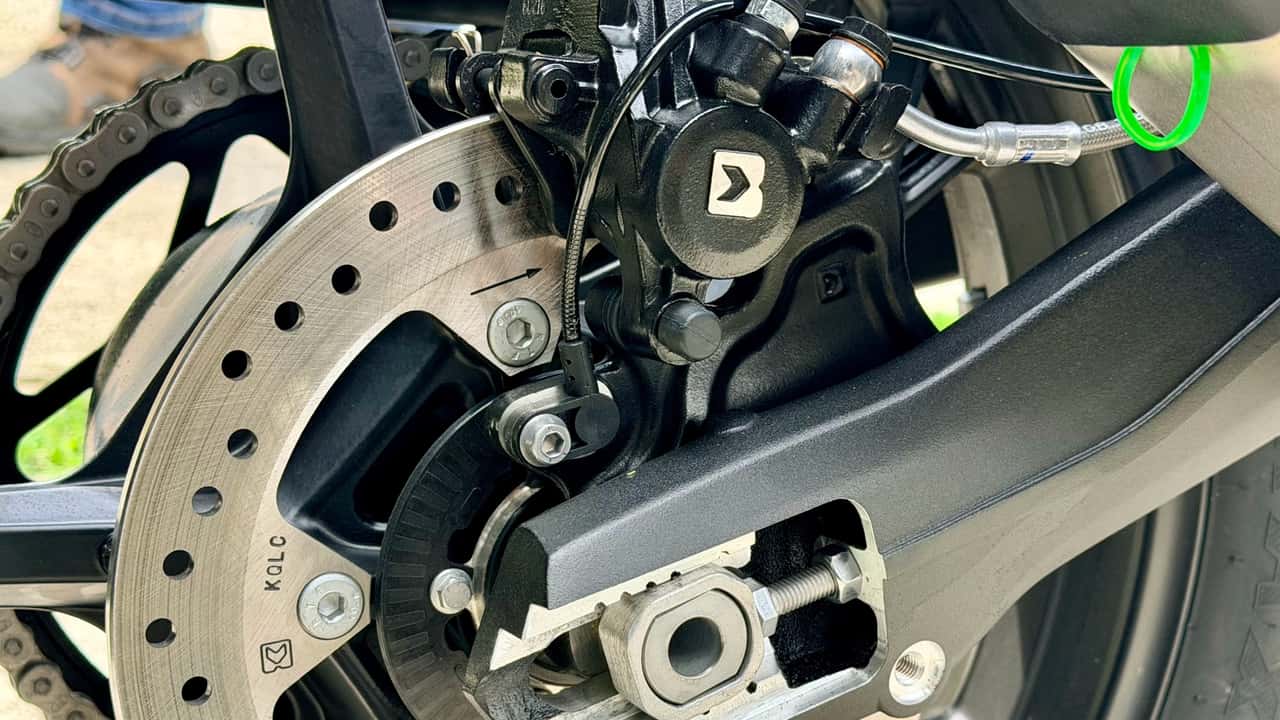
That’s probably the best thing I can say about it. The ride didn’t leave me relieved that the F 450 GS had met expectations. It left me annoyed that the test was over and mentally rearranging my garage to determine what could be moved, sold, or emotionally abandoned to make space.
It goes without saying that riders in the US are in for a treat. The F 450 GS is easily one of the best-equipped adventure bikes in the 450cc class, and it manages to avoid becoming an overweight rolling electronics demonstration in the process. It has enough power, a genuinely friendly chassis, modern technology, and the sort of versatility that makes you start inventing reasons to own another motorcycle (guilty as charged).
It just works. Which sounds boring until you realize how many motorcycles don’t. And yes, I’d seriously consider putting one in my garage.