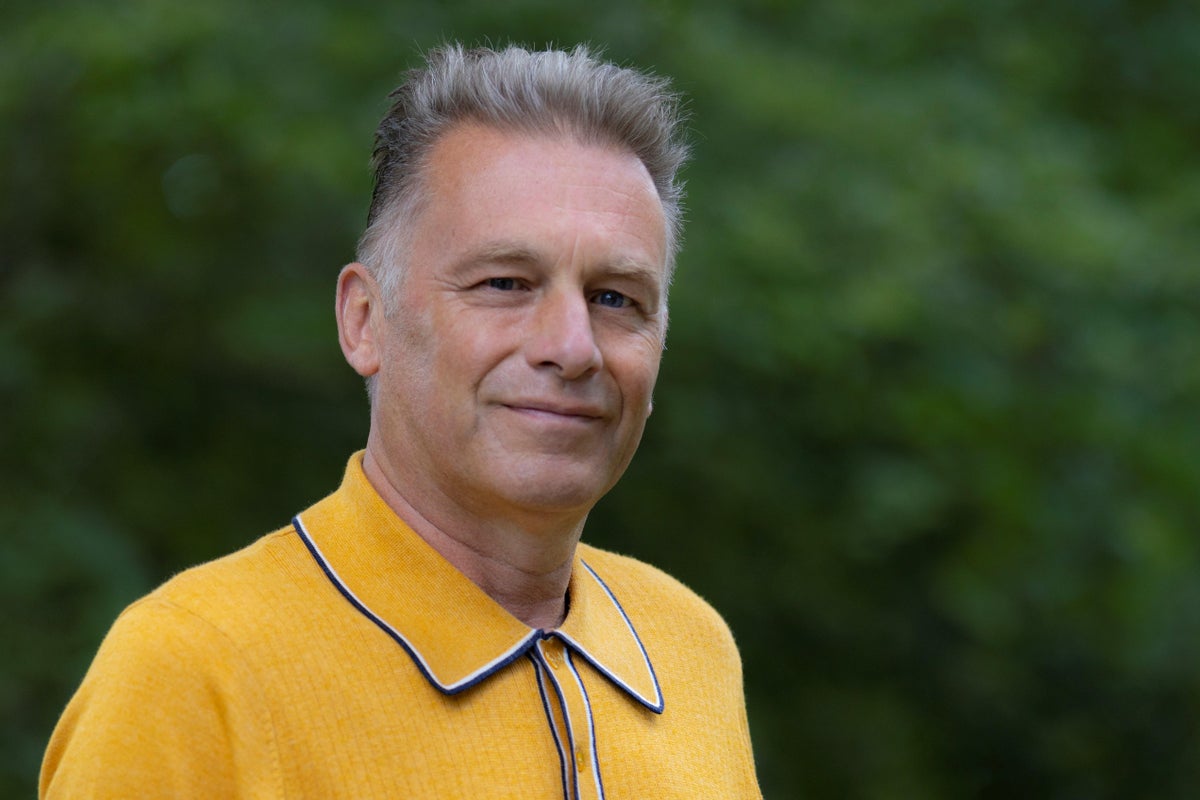
Wildlife TV presenter and campaigner Chris Packham’s earliest memory of eco-anxiety traces back to his early teens, when he felt “blind rage” for the first time.
The now-65-year-old, who lives in the New Forest with his partner Charlotte and two miniature poodles, Sid and Nancy, says this experience was “life-changing” and left an “indelible mark” on him, aged just 14.
“I’d been feeding some badgers at a sett very close to my parents’ home – and it was my first encounter with those animals and it was magical,” Packham tells the Press Association.
“There was a proposal to put housing on that site and I opposed it – I wrote to the local press, wrote to the council, had various meetings.
“I got home from school one day and they’d just driven over the whole lot in bulldozers, and there were badger cubs in the sett at that time. There was no ambiguity about the fact that they would have crushed and killed them all.
“I remember it was just like a blind rage. I was so upset, so desperately upset about what had happened, and yet I had no outlet to do anything positive.”
Living through the Sixties, Seventies and Eighties, Packham explains that “there was the threat of atomic war”, which often seemed “very real”.
With this threat hanging over people, Packham remembers seeing “ridiculous public information films about how to survive a nuclear attack” as a child – and this further fuelled his feelings of anxiety.
“I remember going to bed and thinking, am I going to wake up in the morning? I hope so, because I’m going out to catch some newts or something,” he says.
“Thankfully, no one ever pressed the button on the missiles, but every young person knows that the button has been firmly pressed on climate breakdown.”
Packham, who studied zoology at the University of Southampton, says eco-anxiety is when anxiety meets ecology – he describes it as an extreme and constant worry about the damage we are doing to our planet.
Eco-anxiety can be “chronic” and lead to feelings of despair and hopelessness, but Packham believes it can be a strong motivator for change, too.
“What I learned and needed to learn quite young, certainly by the time I got to 16 or 17, was that you’ve got to turn that energy into something positive,” he says.
“There’s no point in screaming and shouting – that doesn’t help anything. I screamed and shouted and cried in my bedroom about those badgers, but it didn’t do any good.”
Over the years, Packham says he has learned how to channel his eco-anxiety into “something creative and positive” – through campaigning, writing, photography, raising awareness and more.
Most recently, two ads promoting British beef and milk have been banned after Packham complained that they misled consumers about the products’ carbon footprints.
Packham is a vocal advocate for neurodiversity and mental health, and he has openly shared his struggles with depression and how he was not diagnosed with autism until he was in his 40s.
While he now has tools to “better manage (his) mental health” – many of which involve being out in nature – he fears interventions and support are lacking for young people.
“It wasn’t until my 40s that I finally got the therapy that I’d required all of my life, in terms of giving me a framework to be able to better manage my mental health,” he says.
“I regret that because, had it been available in my 20s when I was developing a better understanding of how the neurodivergence was impacting my life, I think I probably could have skipped some pretty serious and disastrous mental health issues.
“But I’m fortunate. I’m 65, I’ve been through that process, I have learned to act immediately on those warning signals.
“I’m gravely concerned that there isn’t a support structure in place for young people who haven’t got to that point yet.”
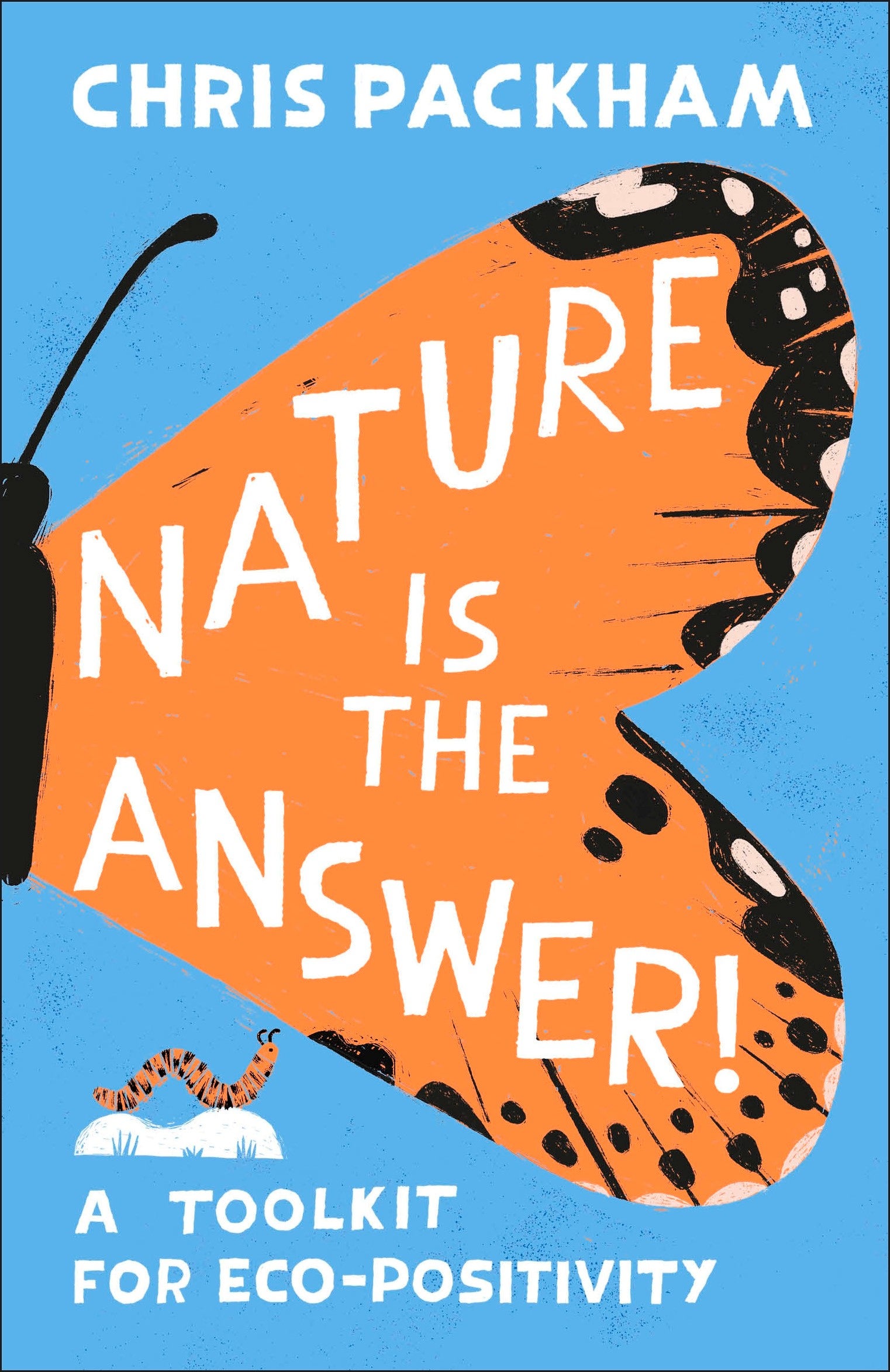
Packham has already written books with young people in mind, but his latest, Nature Is The Answer: A Toolkit For Eco-Positivity, is “more practical and contemporary”.
This new book has a “defined mission” to help young readers understand eco-anxiety, build resilience and make sure their demands for the future are heard.
It features practical, science-backed tips and tricks to lessen ‘green grief’, along with advice on activism, navigating social media and discerning fake news.
Packham, who co-presents the BBC’s Springwatch, Autumnwatch and Winterwatch series, says: “It’s firstly about recognising the symptoms, suggesting some ways of addressing those – communication, connection with nature, various practical things to do – but ultimately, the mission is to turn someone who’s eco-anxious into eco-active.”
Packham says eco-anxiety can impact him in many ways, causing him to withdraw and shut down and experience brain fog and breathlessness.
While he “bumbles along most of the time”, not realising he is eco-anxious, he says, occasionally, he will see or read something that just “punctures that armour”.
“A few years ago, I was on a train and I went on to Twitter, as it was at the time, and I saw a clip of a man repeatedly shooting an elephant,” he says.
“It was just so distressing that it really took the wind out of my sails for a bit. I just didn’t know how to rationalise that.
“Then, a couple of years ago, I was sat out here in the garden and I opened up my mail, and someone had just mailed me with the message that the Faroese had killed 1,400 white-sided dolphins in one of their ghastly whale hunts in one afternoon.
“I just remember sitting out there barely able to breathe.”
Packham finds that having a routine, walking his two dogs and engaging with nature – whether that be solely listening to the bird song or the feeling of bark and leaves – has a “grounding, calming effect”.
He says having a “heightened connection to nature” helps him manage his mental health and wellbeing and, in his new book, he shares other tools to help young people who might be struggling with eco-anxiety.
One of those is forest bathing, which is based on the Japanese practice of relaxation known as shinrin-yoku and is about being calm and quiet among trees, observing the nature and breathing deeply.
Packham hopes he can help give young people a toolkit to transform from eco-anxious to eco-positive and generate “waves of positivity”.
“Nature is the answer and winning is not giving up,” he says. “The source of progress is the not giving up.
“You do trip up, there are hurdles… But you’ve got to learn to pick yourself up, dust yourself down, take a moment to consider what’s happening, and then get going again.”
Nature Is The Answer: A Toolkit For Eco-Positivity by Chris Packham, illustrated by Conor Nolan, is published by DK, priced £9.99. Available now.