The potential economic and environmental rewards presented by emerging domestic and international hydrogen industries are enormous. But the state and regions such as the Hunter need to move fast to seize those opportunities or they could be lost elsewhere.
That was the message that a group of Hunter Region stakeholders presented this week to a NSW parliamentary inquiry looking into the development of a hydrogen industry .
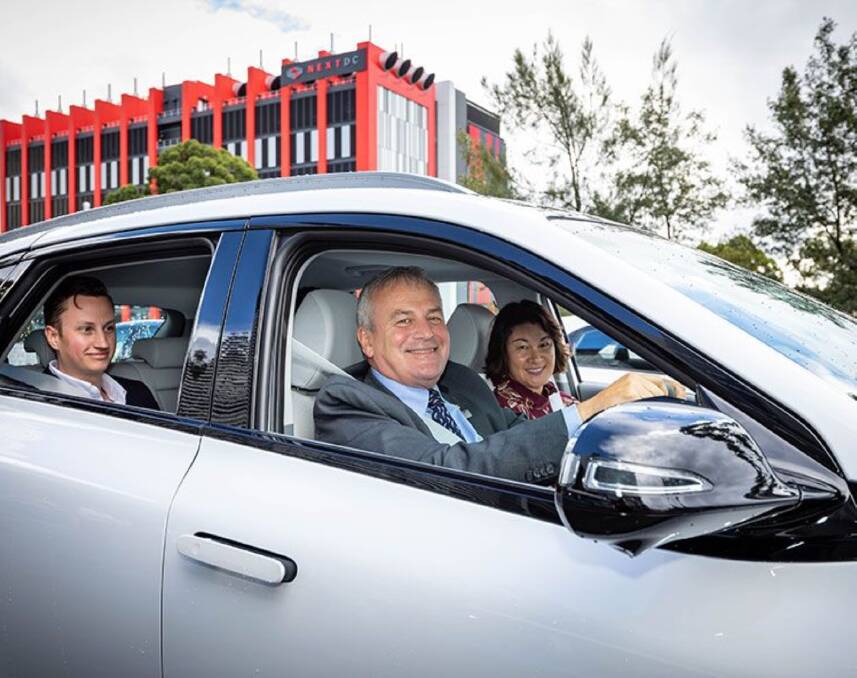
"The biggest thing the state government could do is create a demand for hydrogen in the state, be it with local city councils or it could be with a particular industry like steel making or powering a smelter," University of Newcastle Vice Chancellor Alex Zelinsky said.
"What we need is a constant demand for hydrogen internally. Once you get that up and moving then there are opportunities to go chasing the grand prize, which is exports.
"We also have to remember that other states are getting on with it. There are hubs being established; it is a real competition and if the state doesn't get behind this it could be that the opportunity goes elsewhere to Queensland or South Australia."
The government has committed $70 million to the development of the hubs, which will provide groups of hydrogen users common infrastructure for the local production, use and distribution of hydrogen.
The Hunter hub will complement the National Energy Resources Australia-backed Hunter hydrogen cluster.
The cluster's partners include the University of Newcastle, TAFE, HunterNet, the Hunter Business Chamber, the Australian Industry Group, and the Hunter Hydrogen Taskforce.
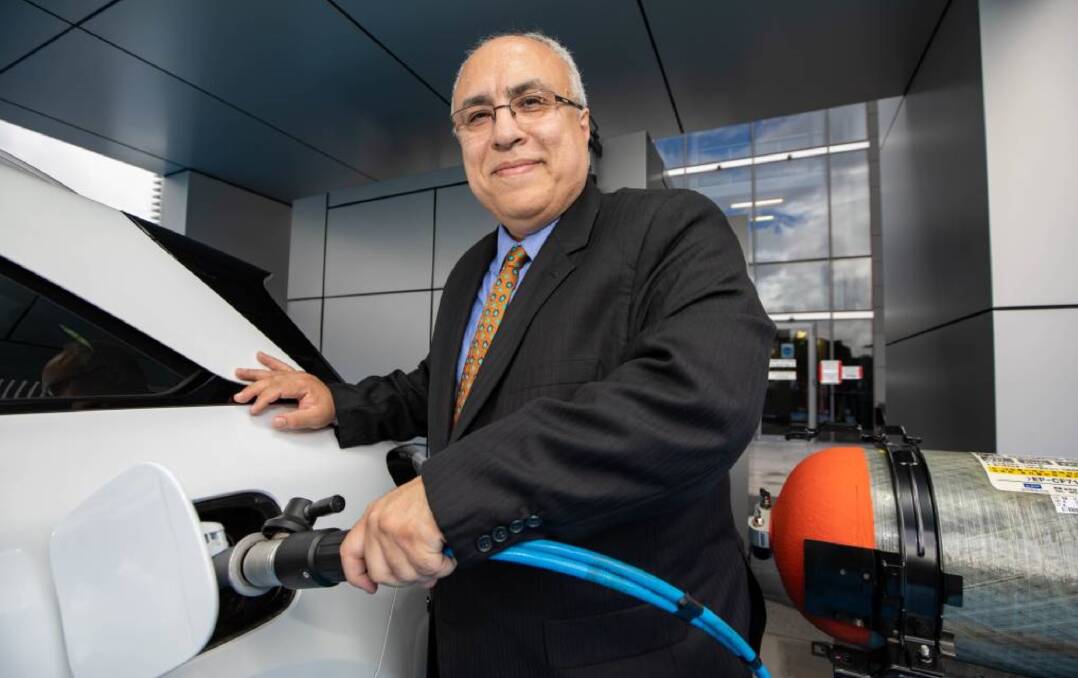
Director of the university's institute for energy and resources Alan Broadfoot told the inquiry the collaboration between the partners created an ideal environment for a hydrogen industry to grow.
"It's not just individuals sitting at a table, it is the fact that it is representative of most of the industries in the region. When you reinforce that with people from the Chief Scientist and Engineer's office and the university it becomes a powerful force," he said.
"Of course the biggest thing in this market is sharing knowledge to advance the market but also to adopt these new technologies.
He said parts of the transport sector, such as buses, trucks and ferries, were ideally placed to be early adopters of hydrogen technology.
"We need to strengthen ourselves for an international (export) market and the best way to do that is through a domestic market," he said. How can we build that capacity."
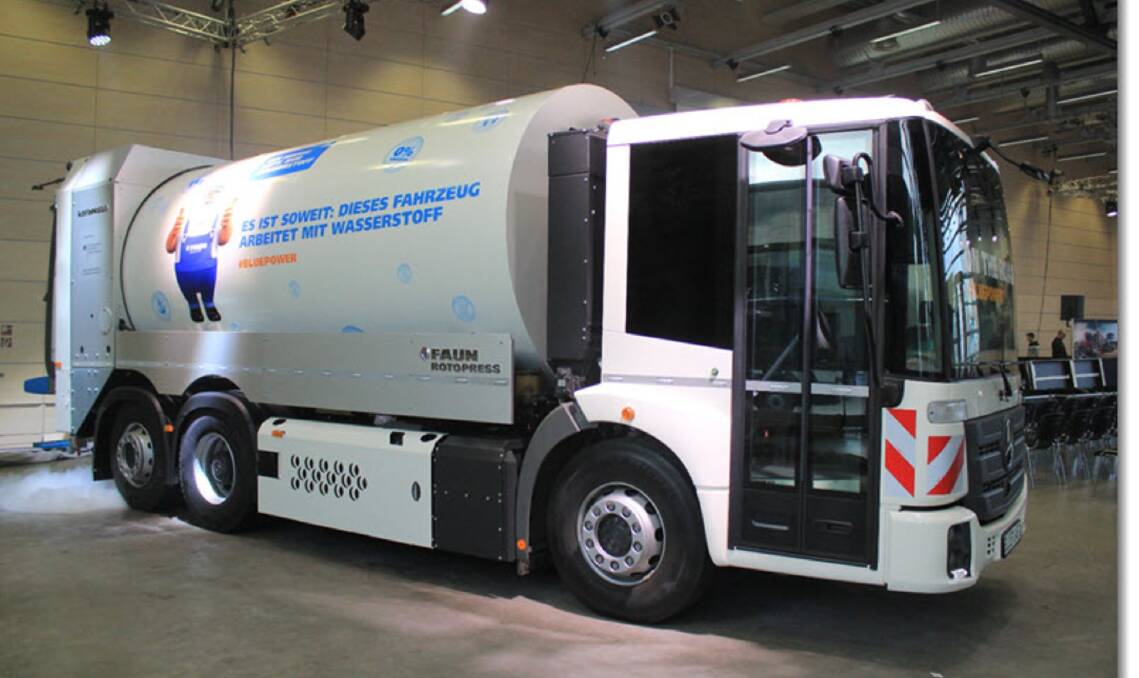
As an example, Lake Macquarie City Council told the inquiry that its fleet of 18 garbage trucks consumed 48,000 litres of diesel a year and emitted 1,125 kilograms of carbon dioxide.
"Very simply, if we could switch that fleet to hydrogen, which is possible and practical to do from what we understand of the technology, we could reduce that carbon footprint and reduce the use of diesel," Director Built and Natural Assets David Hughes said.
"Lake Macquarie is one local government area but there are several hundred local government areas throughout Australia which could apply the same solutions to their garbage and refuse collection."
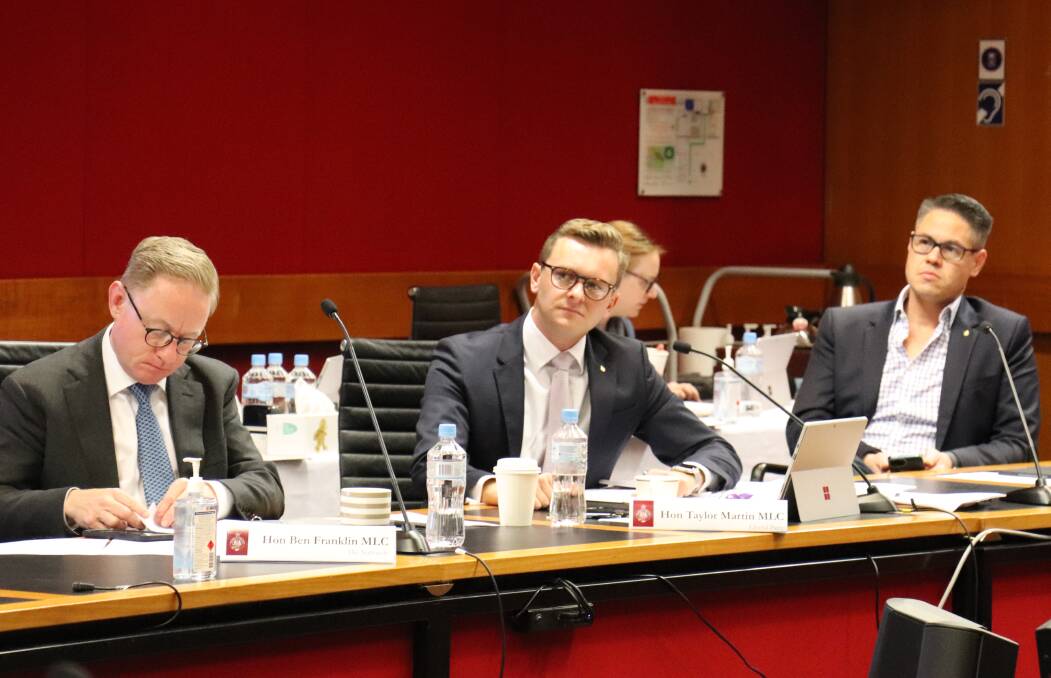
Parliamentary secretary for the Hunter Taylor Martin, who is also a member of the inquiry's committee, said the Hunter was an obvious location to establish a hydrogen industry due to its access to existing energy infrastructure, sustainable water sources, a skilled workforce and its ports and logistics capabilities.
"The Hunter has always been an energy powerhouse. Hydrogen offers opportunities for innovation and diversification of industry across the Hunter and we will see new jobs and investment in the region, as well as opening new markets for export," he said.
"Growing our economic pie and driving ahead into new markets is the key to future proofing the jobs of our region.
"As a state it is imperative that we maximise our role in the international hydrogen economy to maintain a strong export base as the world looks for new sources of zero-emission energy. The opportunities presented by hydrogen are huge. Nations like Japan and South Korea, to name only some, currently import most of their energy in the form of coal, oil or natural gas and they will need sources of renewable energy to meet their carbon emissions reduction targets in the future."