The Hungarian National Assembly has voted overwhelmingly in favour of reversing the country's withdrawal from the International Criminal Court, which was set in motion last year by former prime minister Viktor Orbán's government.
Prime Minister Péter Magyar submitted the bill on Monday and rushed it through legislature in a fast-track procedure.
The 199-member parliament voted 133 for, 37 against with five abstentions to formally repeal the law, just ahead of the deadline. It is now up to President Tamás Sulyok to sign the bill into law.
Among those opposed to reversing the withdrawal, former minister for EU affairs János Bóka of Orbán's Fidesz party argued that the government had set very tight deadlines, which in his view did not allow for a substantive debate on the matter.
He said that while there is no question that genocide, wars and crimes against humanity are unacceptable, he questions whether the court is fit to ensure accountability.
Those opposed to the reversal argue that the ICC has become a political tool, with a proposal by István Apáti of the Our Homeland Movement, suggesting setting up an alternative body similar to the ICC under Hungary’s leadership.
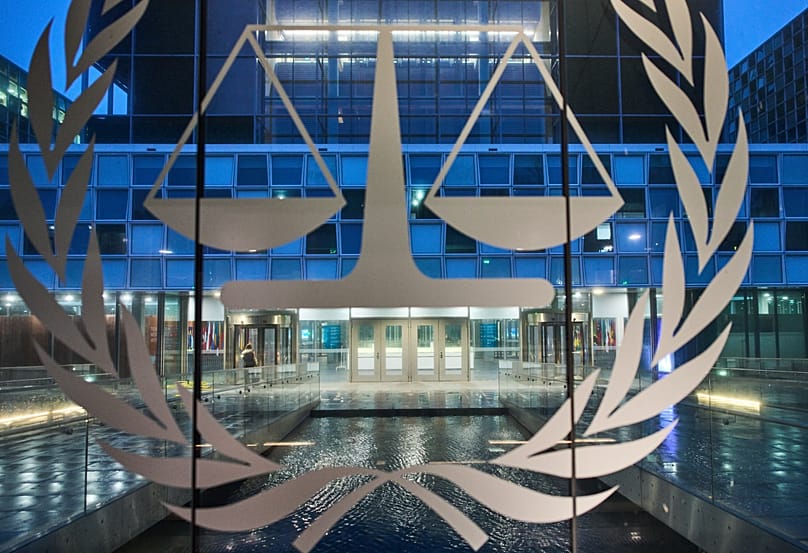
ICC welcomes decision
The ICC's legislative body hailed an "important decision" after the government announced last Friday it would discontinue the process of withdrawal.
Orbán announced Hungary's withdrawal last year while hosting his ally Israeli Prime Minister Benjamin Netanyahu.
In 2024, the ICC issued arrest warrants for Netanyahu and other top Israeli officials over suspected war crimes and crimes against humanity committed in the war against Hamas in Gaza. Arrest warrants were also issued for several Hamas leaders.
Magyar has indicated that Hungary would execute ICC warrants against anyone, even Netanyahu, despite inviting him to Budapest for later this year.
The invite sparked controversy with opposition parties saying it is incompatible with the government's desire to remain a member of the ICC.
Set up in 2002 and backed by 125 member states, the Hague-based tribunal prosecutes individuals responsible for the world's gravest crimes when countries are unwilling or unable to do so themselves.
Since it was founded, the ICC has opened more than 30 cases for alleged war crimes, crimes against humanity, genocide and offences against the administration of justice.
But it has been struggling against a lack of recognition and enforcement power.
China, Israel, Russia and the United States are among nations that do not recognise the jurisdiction of the ICC, hampering its ability to investigate their nationals.