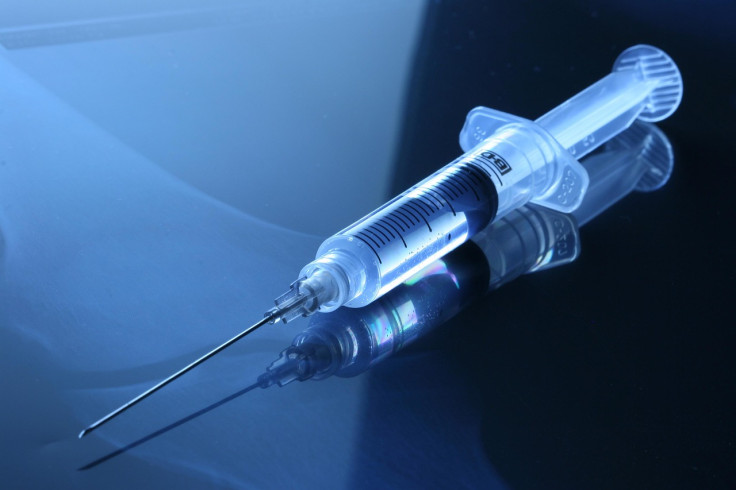
HPV is one of the most common sexually transmitted infections in the world, and it can have serious consequences for women's health if left unaddressed. Understanding how the HPV vaccine works, and when women should receive it, is essential for preventing HPV-related diseases in an informed, evidence-based way.
Why HPV Vaccine Matters for Women
Human Papillomavirus (HPV) includes many different virus types, some of which can cause cervical, vaginal, vulvar, anal, and certain throat cancers in women. The HPV vaccine is designed to protect against high-risk types of HPV that are known to cause the majority of HPV-related cancers and genital warts, making timing and coverage crucial from a public health standpoint.
For women, getting the vaccine at the right time can significantly lower the lifetime risk of developing cervical cancer and other HPV-related diseases. Public health agencies around the world recommend HPV vaccination as part of routine immunization programs because of its strong safety profile and effectiveness in reducing precancerous lesions and infections, according to the World Health Organization.
What Is the HPV Vaccine?
The HPV vaccine is a preventive vaccine that trains the immune system to recognize and fight specific types of HPV before they can cause infection. It is a non-live vaccine made using virus-like particles that resemble HPV but do not contain viral DNA, meaning they cannot cause HPV infection.
Several HPV vaccines have been developed, with Gardasil 9 now commonly used in many countries. Gardasil 9 targets nine HPV types, including the high-risk types most strongly linked to cervical cancer and other anogenital cancers in women, as well as types that cause genital warts. By covering multiple high-risk strains, this vaccine offers broad protection for women across a range of HPV-related conditions.
How Does the HPV Vaccine Protect Women?
The HPV vaccine works by stimulating the body to produce antibodies against the HPV types included in the vaccine. When a vaccinated woman is later exposed to those HPV types, her immune system can quickly recognize and neutralize the virus, preventing it from establishing infection and causing long-term damage.
This immune protection is especially important for women because persistent infection with high-risk HPV types is the primary cause of cervical cancer. By reducing persistent infections and precancerous cervical changes, the vaccine helps decrease the likelihood of needing invasive treatments and ultimately lowers cervical cancer incidence rates over time.
When Is the Best Age for Women to Get the HPV Vaccine?
The ideal time for the HPV vaccine is before any exposure to HPV, typically before a person becomes sexually active. For this reason, health authorities commonly recommend routine vaccination around ages 11–12, although it can start as early as 9 years old. Vaccinating girls at this age allows their immune systems to respond robustly and offers protection before potential exposure.
However, the question "When is the right time for women to get it?" does not end in adolescence. The vaccine is also recommended as a catch-up for older teens and young adult women who did not receive it at the target age. For many women, completing the series in their teens or early twenties still provides strong protection, even if they have already become sexually active.
Common Side Effects of the HPV Vaccine in Women
The HPV vaccine, like other vaccines, can cause side effects, but these are usually mild and short‑lived. Common reactions include pain, redness, or swelling at the injection site, along with headache, fatigue, or low-grade fever. These symptoms typically resolve within a day or two without long-term problems.
Rarely, more significant reactions can occur, such as severe allergic responses. To monitor for these events, vaccination providers often ask women to remain for a brief observation period after receiving the vaccine. Overall, extensive safety monitoring has shown that the benefits of HPV vaccination for women far outweigh the risks.
Why the HPV Vaccine Is Especially Important for Women's Health
HPV is responsible for the vast majority of cervical cancer cases, making the HPV vaccine a cornerstone of cervical cancer prevention strategies. In countries where vaccination programs have high uptake, studies have observed reductions in HPV infections, genital warts, and cervical precancers in young women.
For women as a population, widespread vaccination, combined with regular screening, offers the potential to dramatically decrease cervical cancer rates and related deaths. This dual approach, vaccine plus screening, forms the foundation of many national and global efforts to eliminate cervical cancer as a major public health problem, as per the Centers for Disease Control and Prevention.
Deciding the Right Time for HPV Vaccine as a Woman
Ultimately, the "right time" for the HPV vaccine depends on age, sexual history, health status, and local guidelines. The strongest recommendation is for girls to receive the vaccine before they become sexually active, typically in early adolescence. However, many women beyond this age window can still benefit, particularly if they have not completed vaccination and remain at risk for new HPV infections.
For women seeking clarity, the best step is to discuss HPV vaccination with a healthcare provider who can assess individual risk, explain potential benefits, and help determine the optimal timing. By using accurate information about the HPV vaccine, Women can make informed decisions that support long-term reproductive and overall health.
Frequently Asked Questions
1. Can a woman switch brands if she started the HPV Vaccine series with a different product?
In many cases, if the original vaccine product is unavailable, a woman may complete the HPV vaccine series with another comparable, approved product, based on local guidelines and a clinician's judgment.
However, health authorities generally recommend using the same brand throughout the series when possible, so women should discuss brand availability and interchangeability with their healthcare provider before switching.
2. Does the HPV Vaccine change how often women need cervical cancer screening?
Even after completing the HPV vaccine series, women should follow the same age‑appropriate screening schedule (Pap tests and/or HPV tests) recommended in their country or region.
Vaccination lowers risk but does not eliminate it, because the vaccine does not cover every HPV type and no vaccine offers 100% protection, so regular screening remains essential.
3. Can women with autoimmune conditions safely receive the HPV Vaccine?
Many women with stable autoimmune conditions can receive the HPV vaccine, but decisions should be individualized based on disease activity, medications, and overall immune status.
Because some autoimmune therapies can affect immune responses, women in this group should consult their specialist or primary clinician to weigh potential benefits and any specific precautions.
4. Is there any benefit for women who have had treatment for cervical precancer to still get the HPV Vaccine?
Women who have been treated for cervical precancer may still benefit from HPV vaccination, as the vaccine can help prevent future infections with HPV types they have not yet encountered.
Clinical discussions often focus on reducing the risk of recurrence and future lesions, so post‑treatment vaccination is sometimes considered as part of a broader prevention strategy.