
Secret cabinet documents from 2005 reveal the Howard government viewed Australia's main environmental laws as a barrier to development, prioritising faster project approvals over stronger environmental protection.
The Howard government enacted the Environmental Protection and Biodiversity Act in 1999 and reformed it five years later due to pressures on project approvals.
The 2005 cabinet papers, released by the National Archives on Thursday, show that reforms in this year were about reducing environmental constraint, characterising the laws as too slow and complex.
"Central to the proposed changes is reducing the impost on business and industry resulting from the environmental approvals process," then-environment minister Ian Campbell wrote in a cabinet submission.
"These proposed changes would be welcomed by business, industry and landholders as they will provide greater certainty and reduce assessment and approvals processing time."
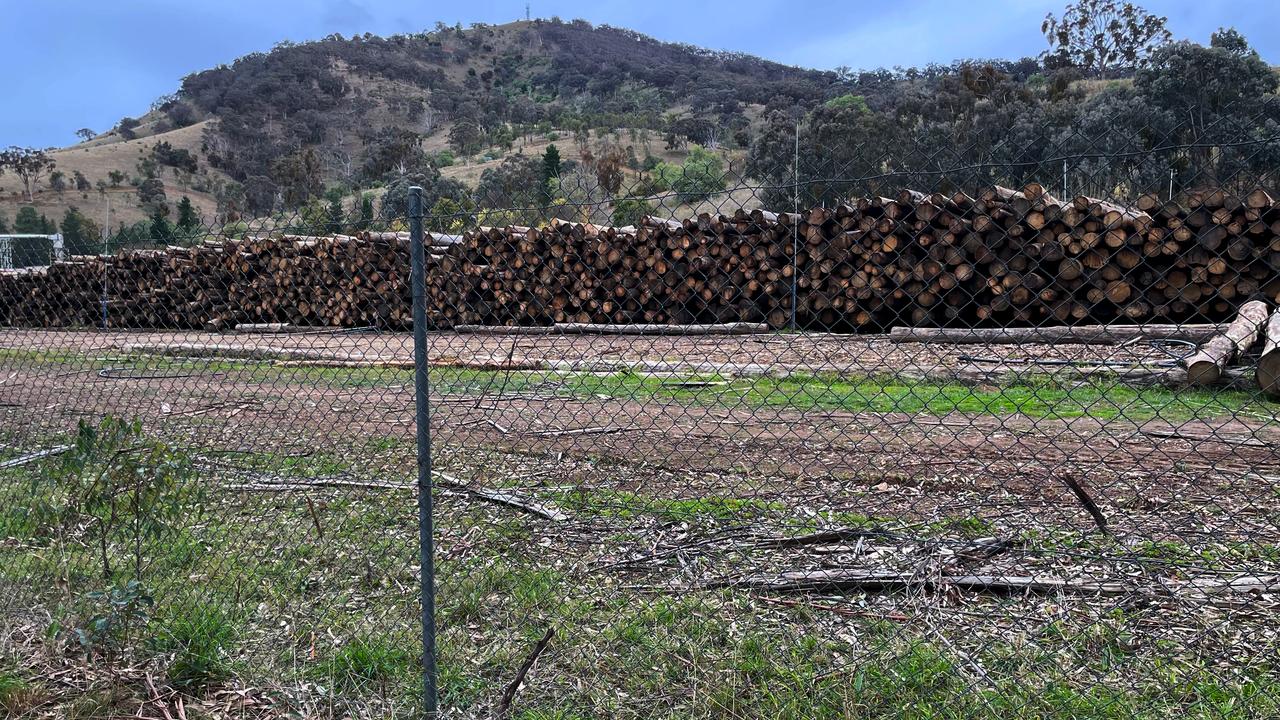
Environmental harm or biodiversity decline is largely absent as a motivating concern in the papers.
"Any criticism (from conservation organisations) can be rebutted as the changes do not reduce the Australian government's ability to protect the environment, rather they make the Act more effective and less process driven," Mr Campbell wrote.
The Albanese government set out to rewrite the "broken" environmental laws in its landmark reforms late last year.
Environment Minister Murray Watt passed the package of bills before Christmas after striking a deal with the Greens, who pushed for further environmental protections.
Both reform agendas promised faster project approvals, but in 2005, speed was pursued by narrowing federal involvement and increasing ministerial discretion.
In 2025, speed was pursued through clearer national standards, independent assessment and reduced litigation risk - measures absent from the 2005 package.
The cabinet papers also show Mr Campbell updated ministers on developments in climate change, including that the "best available" scientific evidence revealed Australian and international temperatures had increased during the late 20th century.
"Australia, they argued, was more vulnerable to climate change than most developed countries, including the United States and many European countries," Dr David Lee, National Archives cabinet historian wrote.
"The dangers included more frequent and intense bushfires, reduced rainfall, pressure on water resources for cities and rural areas, and a negative impact on Australia's agricultural production."

Former attorney-general Phillip Ruddock recalled that most cabinet ministers accepted that science.
"I'm not saying there weren't people who questioned it, but it was fairly clear that the views put by Mr Campbell were accepted by the majority," he told AAP.
The Howard government signed but did not ratify the 1997 Kyoto Protocol, which committed industrialised countries to reduce greenhouse gas emissions.
Instead, the cabinet agreed to pursue a "relatively loose arrangement" focused on technology development, such as carbon capture storage to protect Australia's "economic interests".