
What Zinc Is Actually Doing Inside You
Zinc is not a single-purpose mineral. It is a cofactor in more than 300 enzymatic reactions, wound healing, cell division, protein synthesis, and the production of white blood cells that form the first line of immune defence. When zinc drops below optimal levels, the thymus gland, which trains T-lymphocytes to identify pathogens, begins to shrink. The result is not dramatic illness but a quieter vulnerability: slower recovery from infections, more frequent colds, and inflammation that lingers longer than it should.
The mineral also regulates the hypothalamic-pituitary axis, the hormonal relay that governs both testosterone production in men and the luteinising hormone surges that trigger ovulation in women. A body low in zinc does not simply feel tired. It starts making reproductive decisions at the cellular level that the person carrying it has no awareness of.
Why Indian Adults Are Particularly Exposed
The WHO has identified South Asia as a region with high risk of zinc inadequacy, with population-level estimates suggesting that over 25 percent of Indians may not meet daily zinc requirements. The dietary explanation is specific: the Indian diet, across most regions and income levels, is heavily plant-based. Cereals, pulses, and legumes, dal, rajma, chana, roti, are zinc-containing foods. The problem is that they are also high in phytates, compounds that bind to zinc in the gut and prevent its absorption.
A 2020 review published in Nutrients, examining zinc status across South Asian populations, found that bioavailability of zinc from plant sources can be as low as 15 percent, compared to 35 to 40 percent from animal sources like meat and shellfish. An Indian adult eating dal twice a day may be consuming adequate zinc on paper while absorbing a fraction of it. Soaking and fermenting pulses reduces phytate content, which is why traditional preparation methods, overnight-soaked dal, fermented idli and dosa batter, are not just cultural habit but biochemically sound.
The Fertility Signal Most Doctors Miss
For men, zinc is directly tied to testosterone synthesis and sperm production. The testes contain one of the highest concentrations of zinc in the human body. When zinc falls, testosterone can drop with it, and sperm motility, the ability of sperm to swim effectively, deteriorates. A study published in Fertility and Sterility found that zinc supplementation in zinc-deficient men significantly improved sperm count and motility within three months.
For women, the picture is less studied but no less significant. Zinc is required for follicular development and the maturation of the egg before ovulation. Low zinc has been associated with irregular cycles and, in some research, with higher rates of early pregnancy loss. Indian women who are vegetarian, who have had multiple pregnancies, or who are in the postpartum period are at compounded risk because pregnancy and breastfeeding draw heavily on zinc stores that a plant-heavy diet may not replenish fast enough.
The Indian Foods That Actually Deliver Zinc
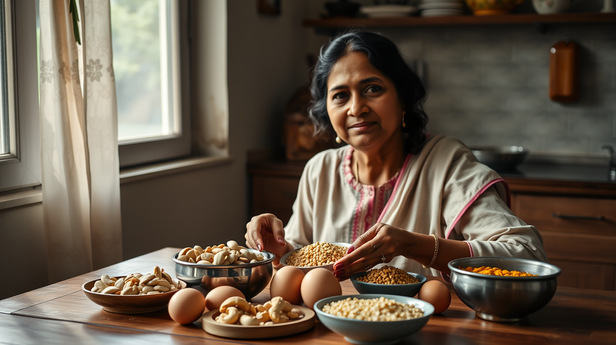
Animal sources remain the most bioavailable: eggs, chicken, and fish, particularly pomfret and rohu, are practical options for non-vegetarian households. Pumpkin seeds (kaddu ke beej) are among the highest plant-based sources, with roughly 2.2 mg of zinc per 30g serving. Sesame seeds, used daily in til chutney and laddoos across Maharashtra and Karnataka, deliver comparable amounts. Cashews and almonds contribute smaller quantities but add up across a day.
The absorption question matters as much as the source. Eating zinc-rich foods alongside vitamin C, a squeeze of lemon on dal, a tomato-heavy sabzi, does not increase zinc absorption directly, but it improves the overall mineral environment in the gut. Avoiding tea and coffee immediately after zinc-rich meals is more directly useful: tannins in both beverages bind to zinc in the same way phytates do, reducing what the body takes in. For those whose deficiency is confirmed by a serum zinc test, supplementation at 25 to 40 mg elemental zinc daily under medical guidance remains the fastest correction.
The gap between zinc consumed and zinc absorbed is where the real deficiency lives. Across a population that eats well by most measures, the mineral is present in the food but leaving the body before it can do its work, and the costs show up months later, in an immune system that cannot keep pace and a reproductive system quietly running short.









.jpeg?w=600)




