
What do you normally do with the wood ash from your bonfire, grill, fire pit, or wood-burning stove? If the answer is throw it away, you could be wasting a useful resource. You can use wood ash in the garden to benefit many plants, provided you use caution.
Wood ash is a natural source of important nutrients, which contribute to healthy plant development. It can also affect the soil’s pH level to benefit particular plants in your garden. This material can be added to a compost heap or applied directly to the soil to support plants in beds, borders, and vegetable gardens. However, before you empty your grill or fire pit onto the garden, you must test the soil pH to ensure it is safe to add wood ash.
Here we look at how to use wood ash in the garden. It includes the best (and worst) plants to use wood ash on, and is full of expert tips for using this resource safely around the garden.
Is Wood Ash Good for the Garden?
Wood ash can be beneficial for plants, but it needs to be the right type of wood and used in moderation. It is important to use only wood ash from clean, plain wood from bonfires or wood-burning stoves, and avoid using any wood that has been treated, stained, or painted, as these can add chemicals to your soil.
You can get a natural, untreated, hardwood ash from Amazon to use as a natural fertilizer around the garden
The Benefits of Wood Ash in the Garden
Wood ash is a rich source of essential plant nutrients that help plants thrive. When used as a soil amendment around the garden, it provides certain nutrients that some soils may lack. As these are vital for plant development and strength, enriching the soil with wood ash – often available at no or little cost – is an effective way to give your plants a boost.
‘Wood ash contains elements such as calcium, potassium, and magnesium, so if your soil is lacking in these minerals, it can be helpful,’ explains Justin Hancock, Costa Farms Horticulturist.
Using wood ash in the garden (like this bag of live oak wood ash, available at Amazon) is also an effective way to raise the pH in acidic soil types. However, its high pH and ability to affect levels mean it needs to be used carefully. It is advisable to test your soil’s pH before applying it to your garden. Whether you use it and how often you do, should always depend on your soil’s pH.
‘Wood ash needs to be added carefully and thoughtfully,’ adds Justin. ‘Use it too much or too often, and you could make your soil inhospitable to your garden plants.’
Dr Russell Sharp, a plant scientist who develops plant care products at Eutrema, reminds gardeners that wood ash contains ‘virtually no nitrogen’, so it doesn't promote leafy green growth and shouldn’t be relied on alone.
‘It works best as a mineral top-up alongside compost and balanced plant feeds, not as a complete feed on its own,’ he adds. ‘Where people get into trouble is applying too much and pushing the soil too alkaline, which can lock up other nutrients even when they’re present.’
Russell continues: ‘Wood ash is best used as an occasional adjustment, not a routine feed regardless of conditions. Applying lightly once a year is a sensible upper limit.’
How to Use Wood Ash in the Garden
You can use wood ash in the garden by integrating it into making compost. Adding small amounts of wood ash to the heap allows plants to take advantage of the nutrients it releases when you spread the compost around your garden.
Alternatively, the wood ash can be put onto the soil and lightly worked in. Wood ash fertilizer can be used in vegetable gardens, flower beds and borders, or around trees and shrubs.
It needs to be used lightly, and only on the right plants, as some shrubs and vegetables prefer slightly acidic soils and won’t thrive if wood ash raises the pH too far.
Best Plants for Wood Ash in the Garden
Some plants benefit more than others from using wood ash in the garden. Here are some of the top plants for wood ash fertilizer.
Roses
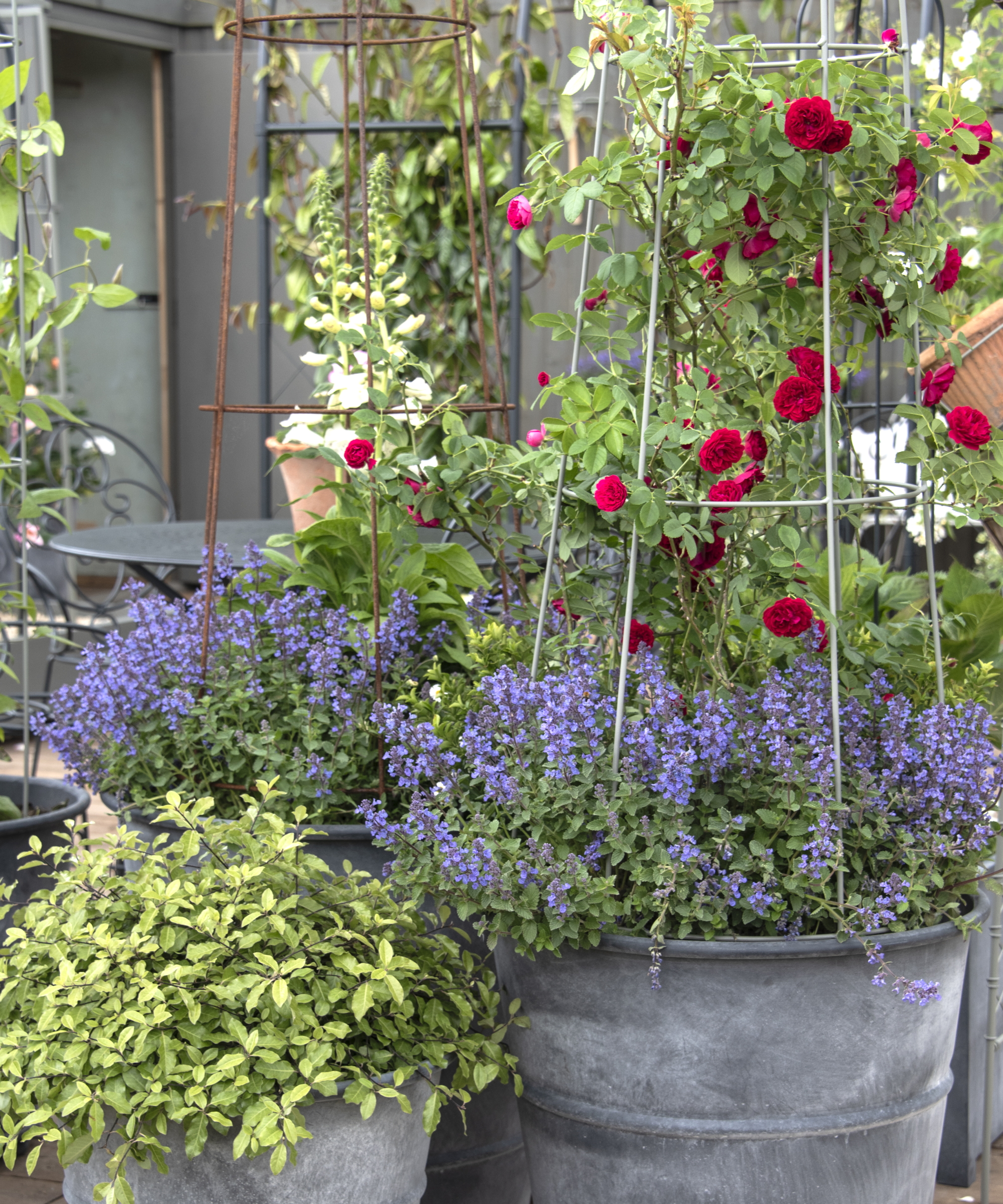
Soil pH is crucial when growing roses to have the healthiest plants and best blooms. Roses like a pH between 6.0 and 7.0, and the plants do struggle to absorb nutrients efficiently if the soil is too acidic. If your soil pH is too low, wood ash can help to create ideal conditions for your roses.
‘Roses also need a lot of potassium, so using wood ash can be beneficial,’ adds Lindsey Chastain, founder of The Waddle and Cluck. As potassium helps develop buds and promotes blooming, the addition of wood ash – provided your soil’s pH needs it – will help give you lots of glorious blooms to enjoy.
Tomatoes
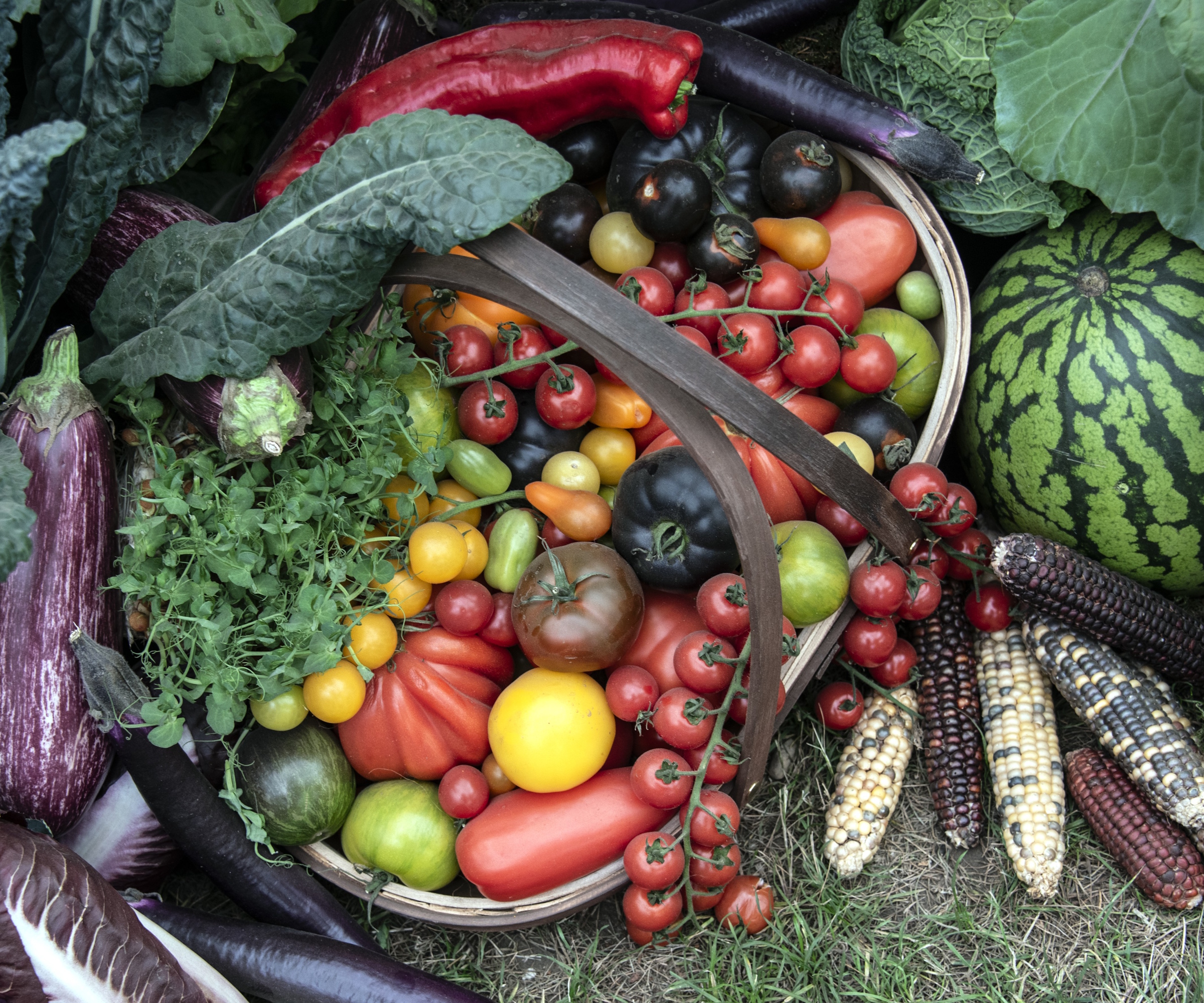
Using wood ash on tomato plants provides potassium to improve flowering and your yield, plus it has one other major benefit. Lindsey adds: ‘Wood ash contains calcium that strengthens stems and can even help with blossom end rot in tomatoes’.
Blossom end rot is a disorder that causes tomatoes to develop brown sunken patches. Often associated just with inconsistent watering, a lack of calcium inhibits the plant’s ability to move moisture, and is a major cause. Maintaining consistent moisture and watering tomato plants regularly is recommended, but so is checking your soil to understand calcium levels.
‘If the soil is already neutral or slightly acidic (6.5 or above), you are much better off adding calcium through a fertilizer meant for tomatoes,’ adds Lindsey. Such a product for fertilizing tomatoes includes this Miracle-Gro tomato plant food, available at Amazon.
Alliums
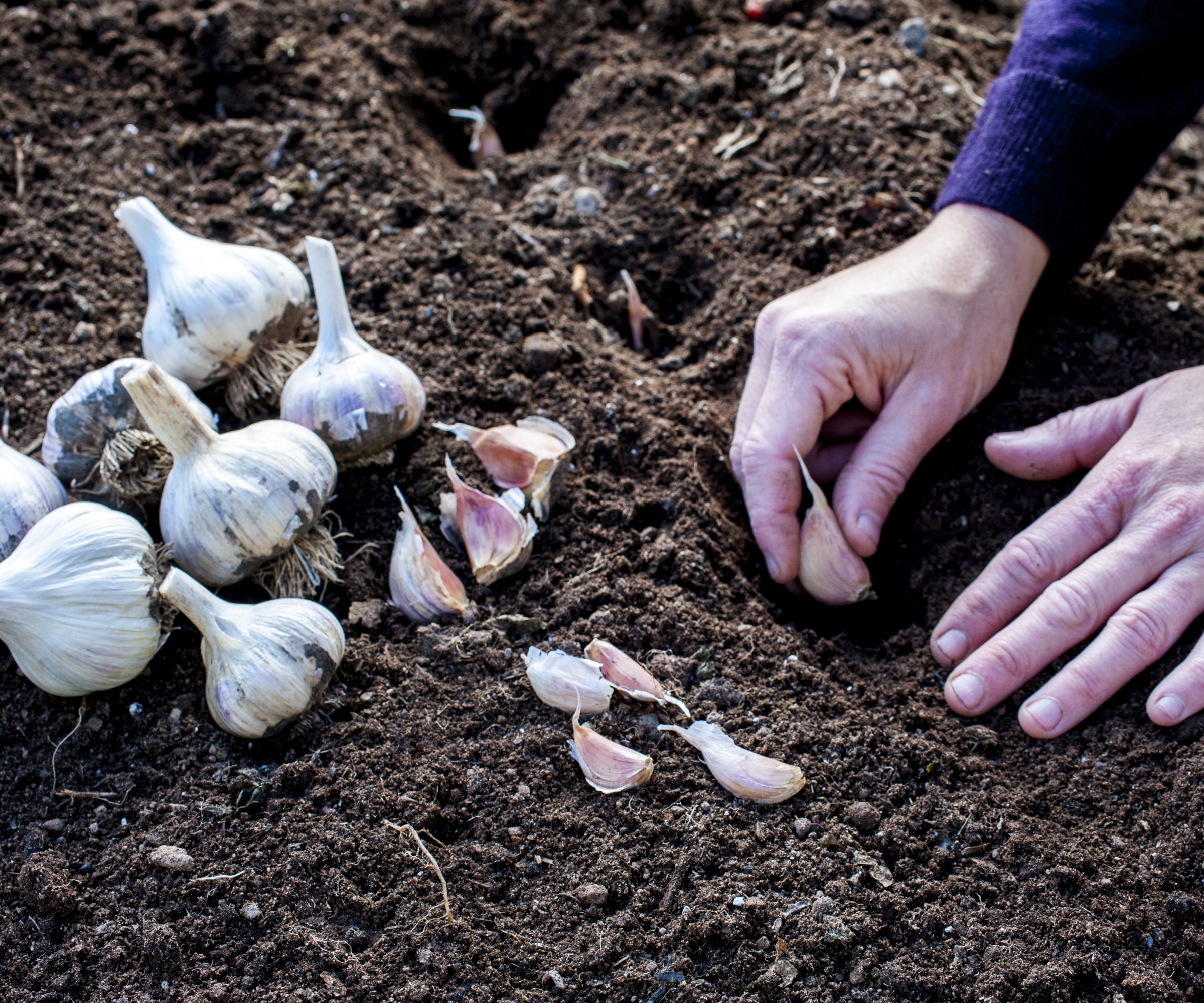
As well as tomatoes, other common crops in a vegetable garden can benefit from the use of wood ash fertilizer. ‘Garlic and onions do amazingly well with wood ash,’ reveals Lindsey. ‘Garlic especially gets a lot more flavor if you mix in wood ash before planting.’
However, as with any other plants mentioned here, check the soil pH before using wood ash to avoid raising levels too high. For growing garlic and onions, a sweet spot is between 6.0 and 7.0.
‘If your soil pH is already near 7.0, you’re probably going to be better served by fertilizers that won’t impact the pH of your soil,’ advises Justin. ‘If your soil’s pH is below 6.5 or so and you’re not growing acidic-loving plants, then wood ash may be a fine choice.’
‘The second reason to test your soil is to see if your soil is lacking in calcium, potassium, or magnesium. If it’s not lacking in these minerals, then it’s not necessarily all that beneficial to be adding wood ash.’
Fruit

Potassium is a crucial element for the development of fruits and flowers, plus calcium helps improve the quality of fruits. It makes wood ash fertilizer useful for fruit trees, particularly apples, cherries, plums, and pears.
‘Don't use the wood ash directly next to the trunk, though, when fertilizing fruit trees,’ warns Lindsey. ‘Use it in a wider circle so it goes into the soil and not right at the base of the roots.’
As fruit trees prefer a slightly more acidic soil at 6.0 to 7.0, check the soil pH beforehand, and you’ll only need to use a small amount of wood ash. It might feel like adding 50g per square meter isn’t much, but you don’t want to apply too much.
As Alex Wright, founder of YardCal, says: ‘Moderation matters, it's not a miracle fertilizer. It's just a tool that can supplement a healthy soil system.’
You can get a 2lb bag of hardwood ash powder from Walmart that will go a long way around the yard.
Worst Plants for Wood Ash
It would be a fertilizing mistake to use wood ash in the garden around plants that prefer acidic soil. That includes azaleas, rhododendrons, camellias, hydrangeas, blueberries, and maple trees.
As these plants thrive in acidic soil, adding wood ash fertilizer is not beneficial, as it can increase the soil pH, potentially out of the ideal range for such shrubs and trees. You should always use a product specially formulated for such plants, like this Miracle-Gro fertilizer for acid-loving plants, available at Amazon.
Increasing the soil pH is also not advisable when growing potatoes, as it leaves your crop more prone to potato scab. This common potato-growing problem causes lesions on the skin and can be the result of alkaline soils or a lack of moisture while the tubers are forming.
With any plants, there are some serious fertilizing mistakes to avoid. One of these, and something many gardeners fall foul of each year, is over-fertilizing plants.
You may think, what harm can a little more do? Well, the truth is that, when you over-fertilize plants, they can experience slow or stunted growth, the leaves will discolor, and plants will even shed leaves, flowers, and fruits. Don’t fall foul, and only ever use fertilizers at the recommended rates.
If you love inspiring garden ideas, outdoor advice, and the latest news, why not sign up for our newsletter and get the latest features delivered straight to your inbox?