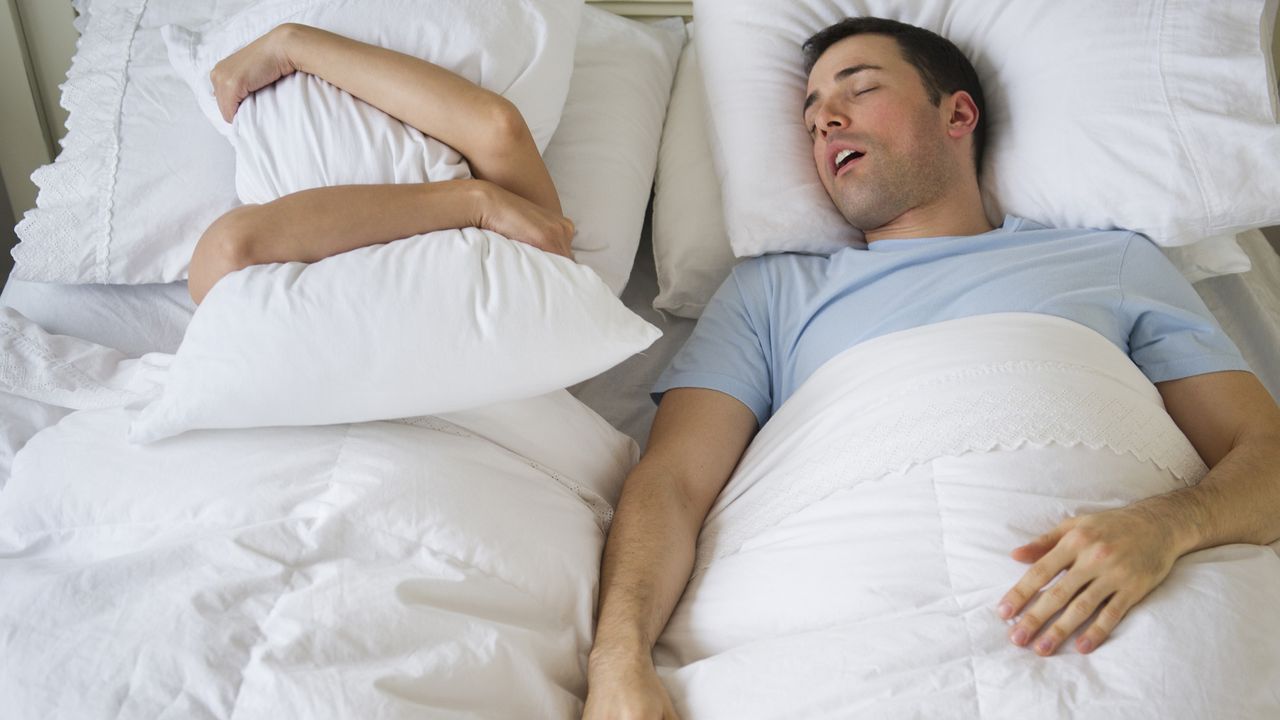
Snoring is estimated to affect over 37 million US adults regularly. And while it can seem harmless (and most of the time it is) it can impact your sleep quality and health.
Snoring can happen for multiple different reasons, from increased congestion to sleep position and even to underlying sleep disorders like sleep apnea.
But there are ways to stop, and importantly, that means looking at what’s causing your snoring in the first place.
We’ve spoken with Raj Dasgupta, MD, FACP, FCCP, FAASM, a quadruple board certified physician in internal medicine, pulmonary, critical care, and sleep medicine to find out what the most effective methods to stop snoring are. Plus the tips and tricks you’re better off ignoring.
How to stop snoring, according to a doctor
1. Rule out sleep apnea
First and foremost, Dr. Dasgupta emphasizes how essential it is to detect if the primary issue is snoring or something greater.
“The most important thing is to make sure it’s not obstructive sleep apnea (OSA),” he says. “About 30 million people in the United States suffer from sleep apnea, but it’s underdiagnosed, especially in women and post-menopause.”
According to Dr. Dasgupta, an easy way to figure out if you’re suffering from sleep apnea is to take the STOP-BANG questionnaire. This is an assessment tool that can help diagnose OSA. As Dr. Dasgupta explains, the acronym stands for, “snoring, tiredness, observed apnea, blood pressure, body mass index, age, neck circumference and gender.”
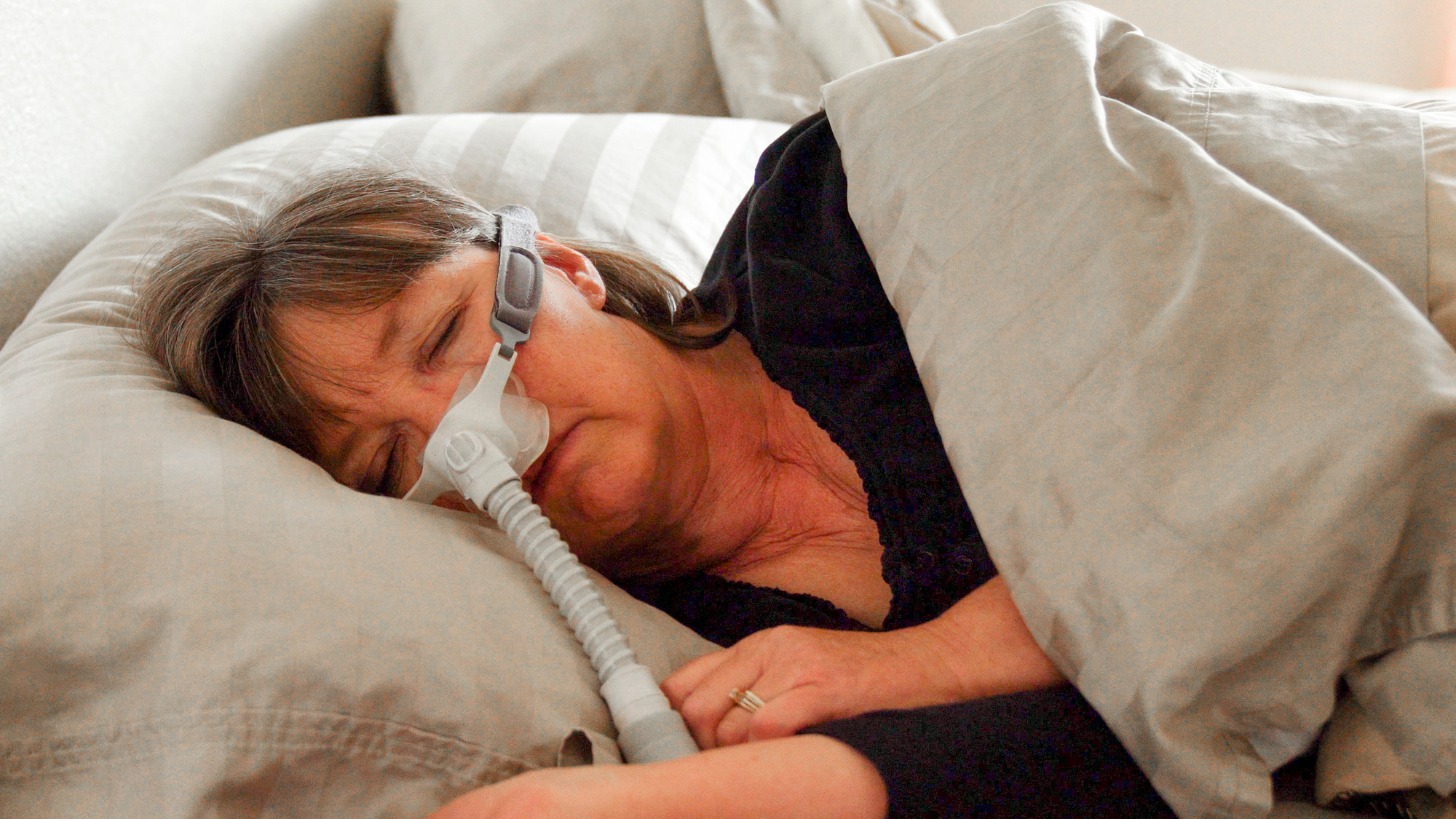
If you discover that you do have sleep apnea, you’ll need to work with your doctor and follow a treatment plan that goes beyond adopting tips to help you stop snoring. This often includes using a CPAP device. The good news, however, is that “any time you treat OSA, you treat snoring.”
2. Test out positional therapy for snoring
“Position therapy works for both snoring and sleep apnea, per se,” Dr. Dasgupta explains. “There are many ways to go about it, and there are many recommendations based on comfort and budget.”
While people tend to have a preferred sleeping position, there’s one that snorers should take care to avoid: back sleeping.
As the physician and sleep expert explains: “Because of gravity, the tongue is going to block off the airway,” contributing to a higher likelihood of snoring. For that reason, he advises that one of the best sleep positions for snoring is sleeping on your side instead.
3. Consider products that encourage side sleeping
It’s one thing to say that sleeping on your side can help to reduce snoring, but it’s another to put it into practice if staying in this position doesn’t come naturally to you.
Some people try out hacks such as “sewing tennis balls on the back of the shirt to prevent back sleeping,” Dr. Dasgupta shares. We’d also recommend investing in the best mattress for your body and health needs, and specifically for snoring, a dedicated mattress for side sleepers.
Yet if a new bed or DIY hack doesn’t sound appealing or realistic for your needs, you may want to purchase products to promote sleeping on your side to help reduce snoring. Some of these products include:
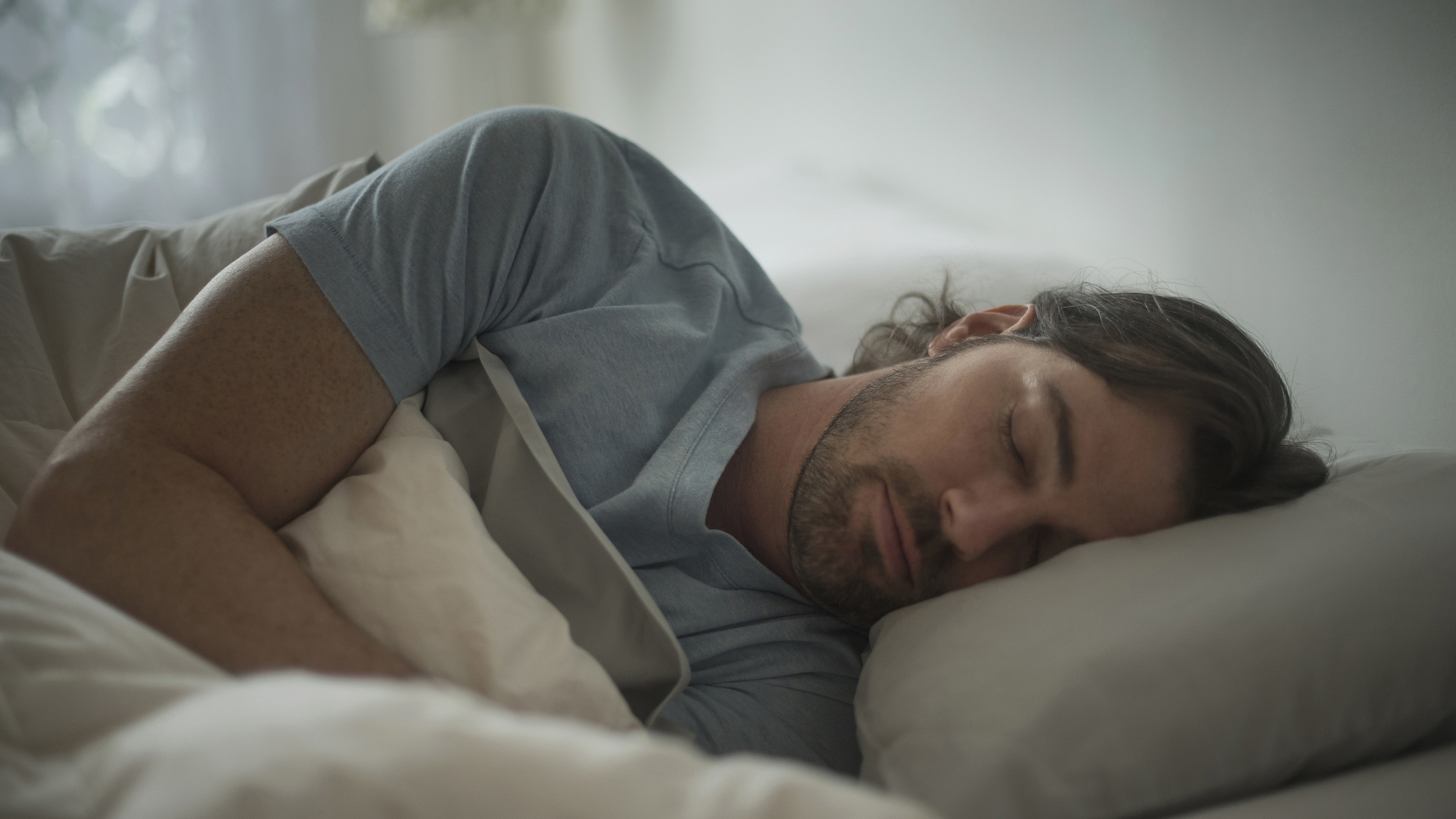
- NightBalance, “a device to wear across the chest that senses when you’re snoring and will encourage you to roll on your side” via gentle vibrations, says Dr. Dasgupta.
- Zzoma, a positioning belt worn around the torso that keeps you from shifting out of side sleeping.
- Night Shift, “a collar worn around the neck that vibrates” when sleeping on your back and stops when you change positions.
Note: While Dr. Dasgupta doesn’t personally endorse the brands mentioned in this article, he says that people may find relief through them.
4. Elevate the head of your bed
In addition to sleeping on your side, Dr. Dasgupta says that elevating the head of the bed “will get you on the right track” to stop snoring. “There are also people with OSA who, despite wearing a CPAP [find greater relief from snoring] by using pillows in tandem with the CPAP mask,” he continues. But is there an ideal pillow to reduce snoring?
“When choosing a pillow, there are many types available, including whether it’s an adjustable or wedge pillow, as well as what’s in it,” he explains. (Take a look at our best pillows guide for recommendations.)
However, you can just as easily try stacking the pillows you already have before purchasing new ones with all the bells and whistles. “There’s no data demonstrating that stacking pillows is less effective than wedge pillows,” he points out.
5. Open up your nasal passages
Moving on from positional therapy, ensuring that your nasal passages are open and clear can also help reduce snoring. “When we talk about snoring, there are items available that focus on the nostrils,” Dr. Dasgupta shares.
“Over-the-counter Breathe Right strips may be worth a shot, and nasal dilators can also help with air flow.”
If you suffer from allergies, rhinitis or asthma, get those under control under the care of your doctor. “The bedroom can be a source of allergies, and asthma tends to be worse at night,” explains Dr. Dasgupta.
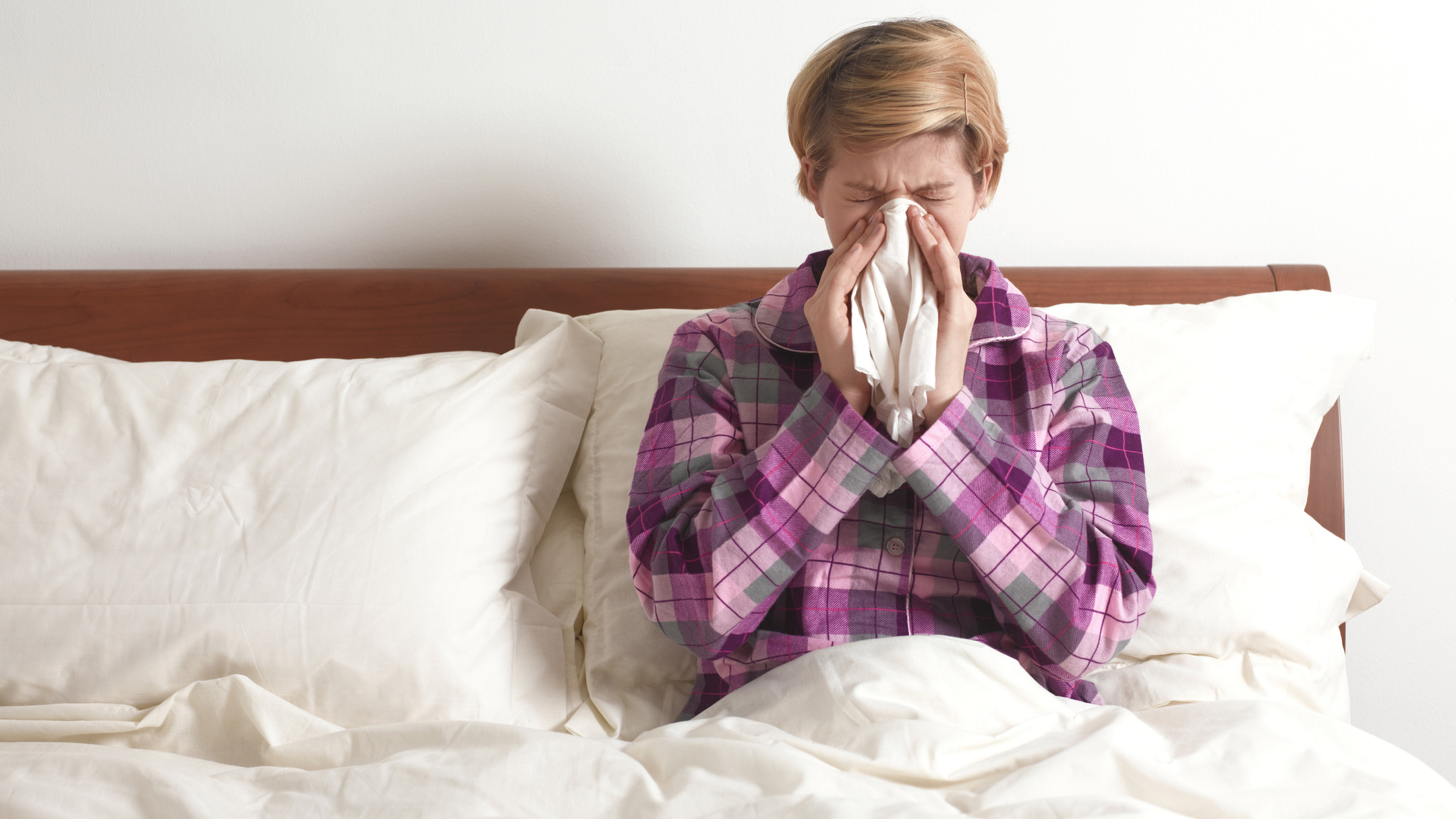
Aside from taking any medications as advised by your physician, you may also find relief by changing your bed linens more often to prevent dust mites from hindering air flow and causing irritation.
“If you have a dry room, it will be difficult to get good air flow through the nose,” Dr. Dasgupta adds, so running a dehumidifier may also help in this regard.
6. Consider lifestyle changes
Certain lifestyle choices and habits can make snoring worse. Drinking alcohol before bed can greatly increase snoring because it relaxes the muscles in the throat, causing them to collapse and block the airways. Avoiding alcohol before bed or reducing your intake can help you stop snoring.
Being overweight can also lead to snoring. Excess fat around the neck blocks the airways when sleeping, so controlling diet and exercise to maintain a healthy weight is an effective step to reduce snoring.
Smoking is also a risk factor for snoring. Tobacco can relax the throat muscles, and the smoke can irritate and dry out the airways, as well as cause swelling.

7. Have a warm bath or shower in the evening
Congestion is one of the most common causes of snoring. A blocked nose can lead to mouth breathing, so clearing congestion before bed can help reduce the amount of snoring at night.
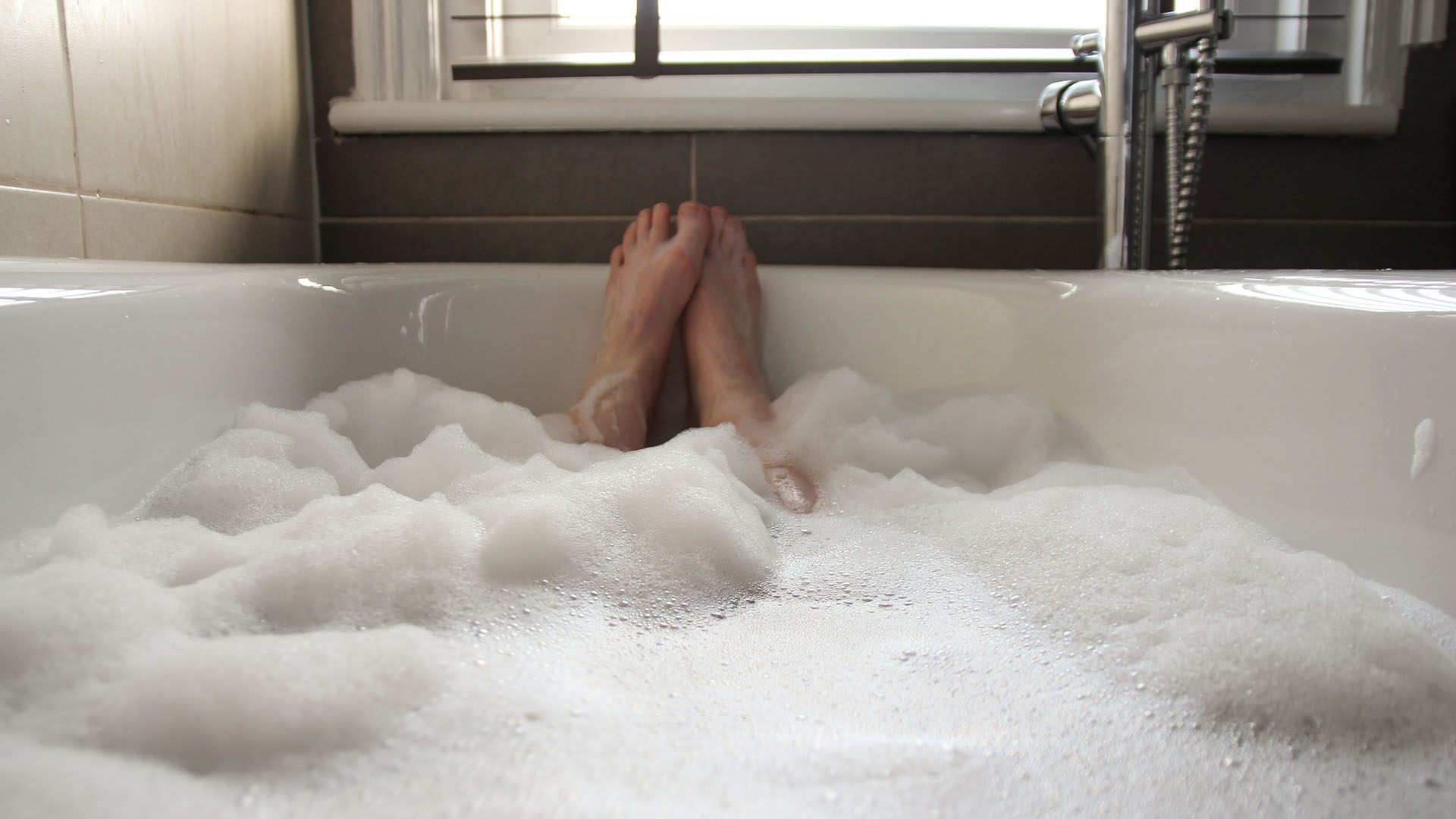
Taking a warm bath or shower can help do this. The warm steam will clear the airways, making breathing easier.
Another perk of taking a warm bath or shower is its ability to help you fall asleep fast. Our core body temperature naturally drops before bed as an indicator that it’s time for sleep. By moving from a warm bathroom to a cooler bedroom, your temperature will drop, making it easier to drift off quickly.
Snoring remedies that don’t work
With so many options available that can help you stop snoring, you may be curious to know which so-called snoring remedies don’t work. On this point, Dr. Dasgupta emphasizes more of what you shouldn’t do if you’re committed to stop snoring for good.
“As redundant as it may sound, you absolutely need to make sure it’s not OSA that’s contributing to snoring,” he reminds us. From there, when it comes to products, hacks, and other methods in your anti-snoring toolkit, he says that the best options are ultimately those that “are safe, comfortable, and ones that you’ll actually use.”
It's unlikely cheap jaw straps and t-shirts with tennis balls sewn in will do the trick.
Yet even if you follow every tip and purchase all the products mentioned above, you may not find the relief from snoring you’re seeking if you don’t make a few important lifestyle changes first. As mentioned above, quitting smoking, reducing drinking and maintaining a healthy weight are all essential steps.
“If you’re a smoker, stop smoking,” he begins. “Don’t drink alcohol before bed, and stay active through exercise regularly.”
Like snoring, restless leg syndrome is another health condition that can impair your sleep and your partner's. The itching, crawling sensation you feel in your arms and legs can make it very hard to relax and drop off as you're so restless. But when we asked a doctor how to stop restless leg syndrome from ruining your sleep she explained that it is possible to manage the condition and sleep better again.