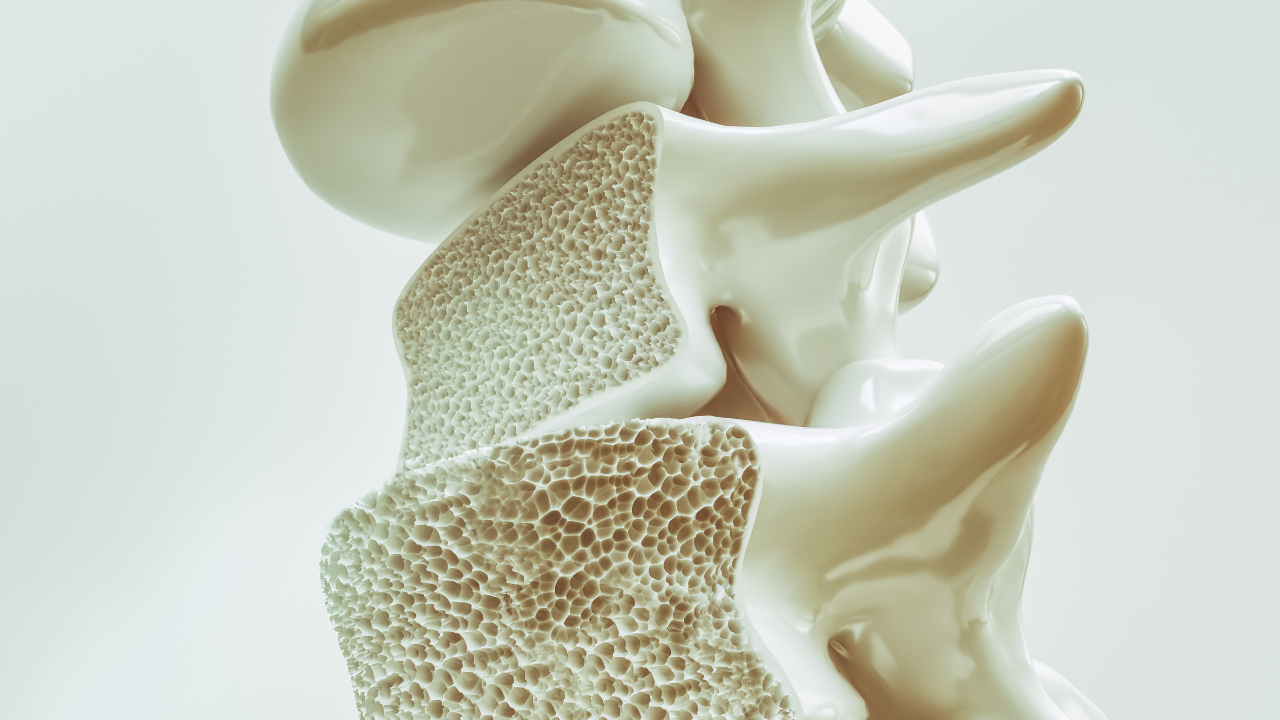
What is Osteoporosis?
Osteoporosis, a condition where bones become fragile and more likely to fracture, is a serious public health concern affecting millions worldwide. It is often called a silent disease because one may not know they have it until they experience a breakage in their bones in actuality. The building of strong and healthy bones is a crucial element in preventing osteoporosis, and while genetics and physical activity play pivotal roles, nutrition is a significant factor that can be controlled and optimised.
In the pursuit of bone health, understanding the interplay between diet and the body’s skeletal system is essential. Nutritional strategies to prevent and manage osteoporosis extend beyond the widely known calcium and vitamin D recommendations. It involves a comprehensive approach that looks at overall dietary patterns, nutrient intake, and lifestyle adjustments to ensure that the bones are supported throughout one's life. Here are some tips and insights on how Osteoporosis can be managed and prevented through smart eating habits.
Consuming a bone-protective diet is the key
The foundation of a bone-protective diet is, undoubtedly, calcium. This mineral is the main building block of bone tissue. Adults generally need about 1,000 mg of calcium daily, which increases to 1,200 mg for women over 50 and men over 70. Dairy products are rich in calcium, but for those who avoid dairy, there are plenty of other options. Leafy green vegetables, such as kale, bok choy, and broccoli, are excellent plant-based sources. Fortified foods, including some cereals, plant-based milks, and juices, also help fill the calcium quota.
Importance of Vitamin D in diet
According to Marisha Baurai, Food Innovation Technologist, Farmley, “Vitamin D is equally vital; without it, calcium cannot be effectively absorbed by the body. The recommended daily allowance is between 600 to 800 IU for most adults, though this can vary based on individual factors. While sunlight is the best natural source of vitamin D, dietary sources include fatty fish like salmon and mackerel, fortified foods, &, if necessary, supplements under a healthcare provider’s supervision.”
Yet, these two nutrients do not work in isolation. A truly bone-healthy diet is one that's comprehensive and balanced, providing a variety of nutrients. Magnesium and vitamin K, for instance, are also important for bone health and are found in nuts, seeds, and green leafy vegetables. Foods rich in omega-3 fatty acids, such as flax seeds and walnuts, have been shown to support bone density as well.

Limit these things in the diet to prevent bone deterioration
It's not just about what to add, but also what to limit. High intake of sodium, caffeine, and alcohol can have detrimental effects on bone health by hindering calcium absorption or increasing its excretion. Balancing these elements is key; enjoying these substances in moderation while prioritising nutrient-dense foods can help maintain bone density and overall health.
When considering snacks and smaller meal components, dried fruits emerge as an unsung hero for bone health. Certain dried fruits, like prunes and figs, offer an array of nutrients that support bone density, including calcium, potassium, and vitamin K. Incorporating these into one's diet can be a practical and effective way to contribute to the daily nutrient needs for bone health maintenance.
Hydration should not be overlooked, as proper fluid intake is important for all bodily functions, including those that keep bones healthy. Replacing high-sugar beverages with water or herbal teas is beneficial not only for bone health but also for overall well-being.
Meal planning can greatly assist in managing a diet conducive to bone health. By preparing meals and snacks in advance, individuals are more likely to consume a balanced intake of nutrients and avoid processed, nutrient-poor foods. This strategy ensures that those with even the busiest of schedules can maintain a diet that supports strong bones.
Preventing Osteoporosis
Osteoporosis can be daunting, but it is not inevitable. A diet rich in calcium and vitamin D, paired with a variety of other bone-friendly nutrients, is critical for building and maintaining strong bones. Limiting certain substances and incorporating specific foods like dried fruits can bolster the diet further. With intentional choices and planning, it's entirely possible to create a dietary pattern that supports bone health and reduces the risk of osteoporosis, thereby leading to a healthier, more resilient body.
The takeaway
Remember that it's essential to have a well-balanced diet that includes a variety of foods to ensure you get a broad spectrum of nutrients. Additionally, maintaining a healthy lifestyle that includes weight-bearing exercises, adequate sunlight exposure for vitamin D, and avoiding excessive alcohol and tobacco can contribute to overall bone health. Before making significant changes to your diet or lifestyle, it's advisable to consult with a healthcare professional or a registered dietitian, especially if you have a medical condition like osteoporosis.