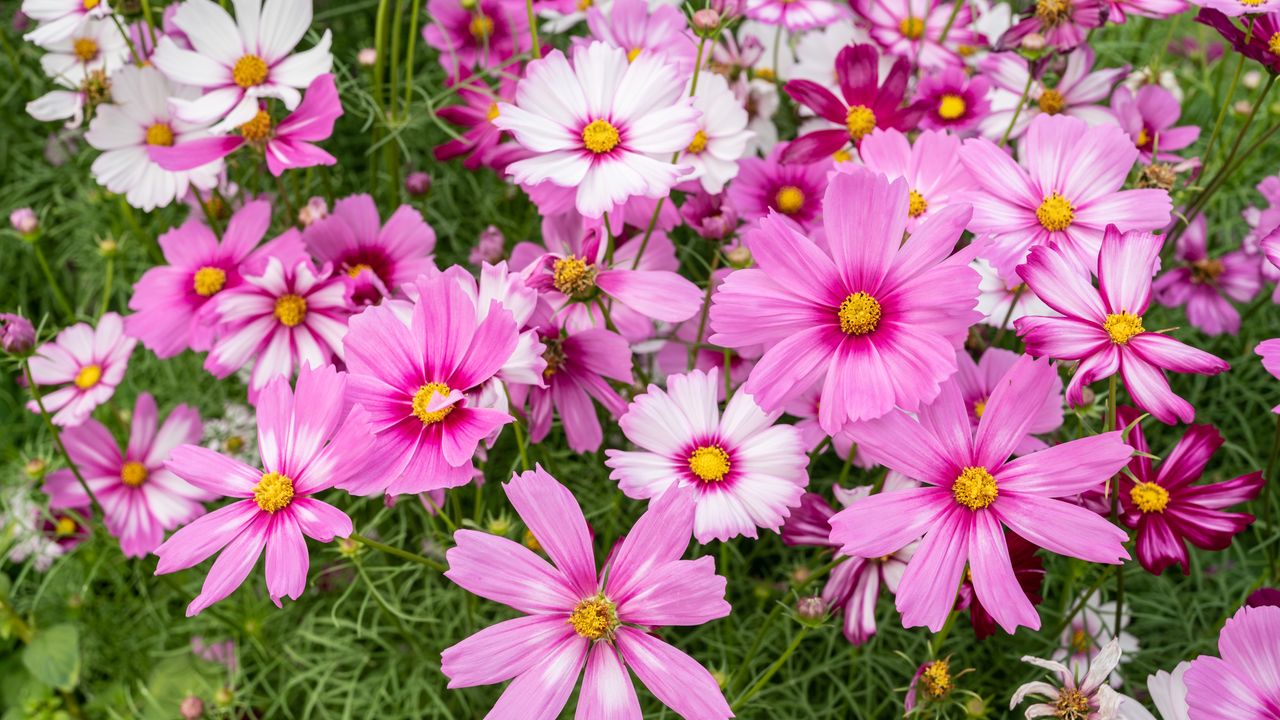
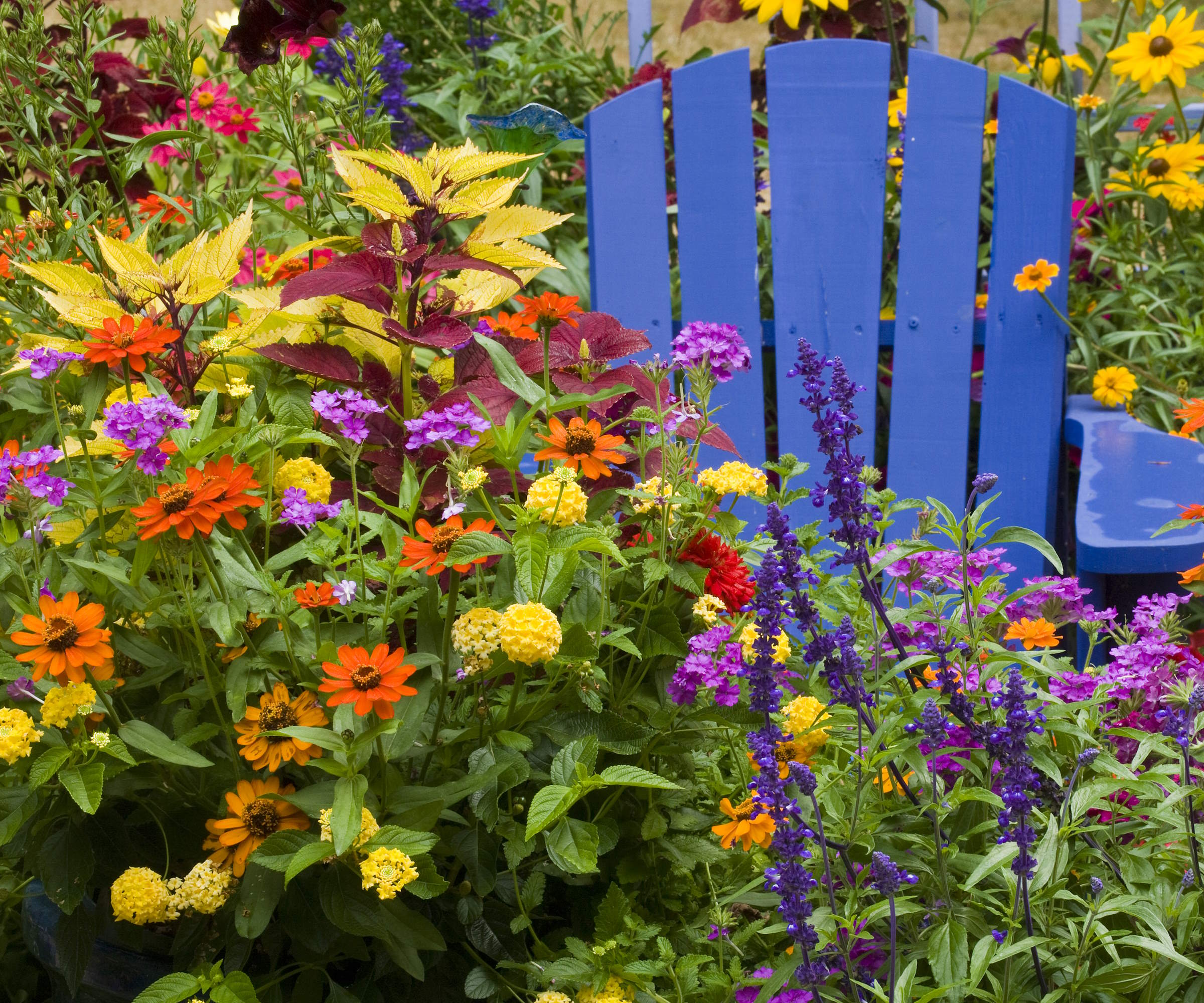
If you want to keep your annuals in borders, containers, and hanging baskets flowering all summer long and looking good right through until the first frosts, an expert flower grower recommends three tasks that are guaranteed to prolong their life as long as possible.
‘We grow a lot of annuals at our farmquarters up in Washington state,’ says Christina Stembel, the founder of Farmgirl Flowers. ‘I find the three things that do the most are to deadhead, water deeply and consistently, and not overfeed.’
To keep annual flowers blooming until frost arrives, follow this expert-approved advice to make the most of that one-season show. Add these three simple words to your summer gardening checklist: deadhead, water, feed (you can get a liquid bloom booster on Amazon that is perfect for annuals). ‘I've found that doing those three things works far better than any hack or wives' tale,’ adds Christina.
1. Deadhead Often
Deadheading encourages lots of fresh flowers and the longest display. Annual flowers are short-lived and put energy into producing seeds once the blooms go over. As Christina Stembel puts it, once the plants start making seeds, ‘that basically means they've done their job and are calling it a day’.
You don’t want the energy going into seed production; it exhausts the plants as they essentially prepare for the end of their lives. Instead, by deadheading, you direct the energy into producing new buds and flowers. This quick, easy task can dramatically extend the show and lifespan of annual flowers, including marigolds, cosmos, zinnias, snapdragons, petunias, and many more.
Check your plants every few days and snip off the spent flowers with a pair of sharp pruning snips, such as these Felco pruning snips on Amazon. Alternatively, you can snap the old blooms off many plants between your fingers and thumb, but be careful to snap rather than pull the entire plant by accident.
An exception comes with self-cleaning annuals that don’t need deadheading. These plants naturally drop faded flowers, and include impatiens, lobelia, and some varieties of petunias.
2. Water Deeply
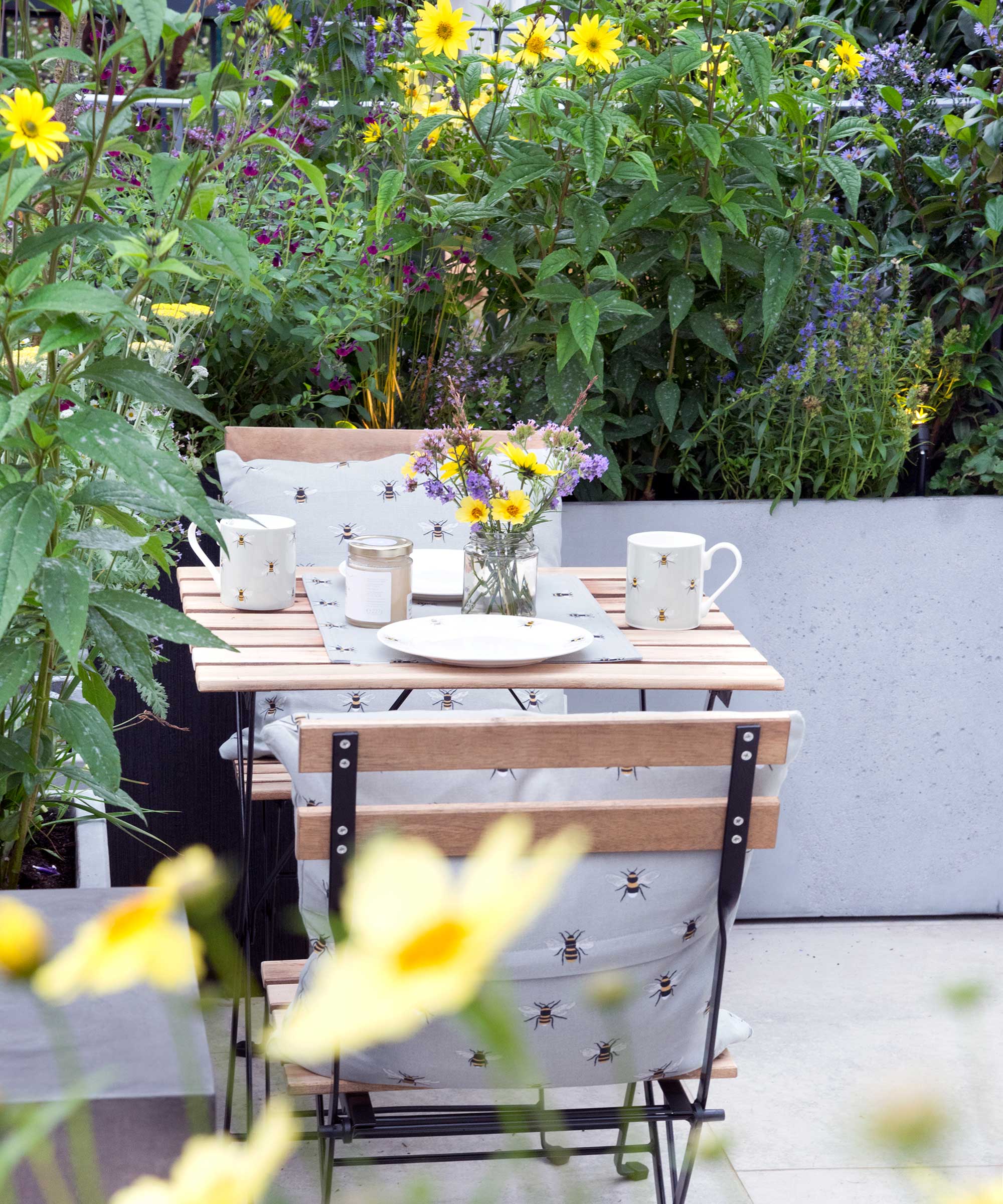
Annual flowers won’t last long if they are repeatedly left to dry out and wilt, then completely soaked. That kind of feast-and-famine approach throughout the summer will stress the plants and reduce their lifespan.
The best approach to watering the garden is to water deeply and consistently. Shallow daily watering may seem beneficial, but it causes plants to grow shallow roots near the surface. When the temperatures spike and the top inches of soil dry out, they quickly suffer and wilt.
A much better way to water plants is to water deeply, though less frequently. This encourages stronger roots.
‘Depending on how much you're watering, I've found mulching helps them retain the moisture longer so you don't feel like a jerk not conserving water,’ adds Christina. This bag of all-natural wood mulch from Miracle-Gro is available at The Home Depot and ideal for use around annual flowers.
Fast-growing annuals in pots will need more regular watering, potentially every day, but still soak them thoroughly until you see water running out the drainage holes.
It is good practise when watering plants in hot weather to do it in the morning, so the plants benefit most, and avoid the watering mistake of soaking the foliage rather than the soil, which causes fungal issues.
3. Feed Regularly
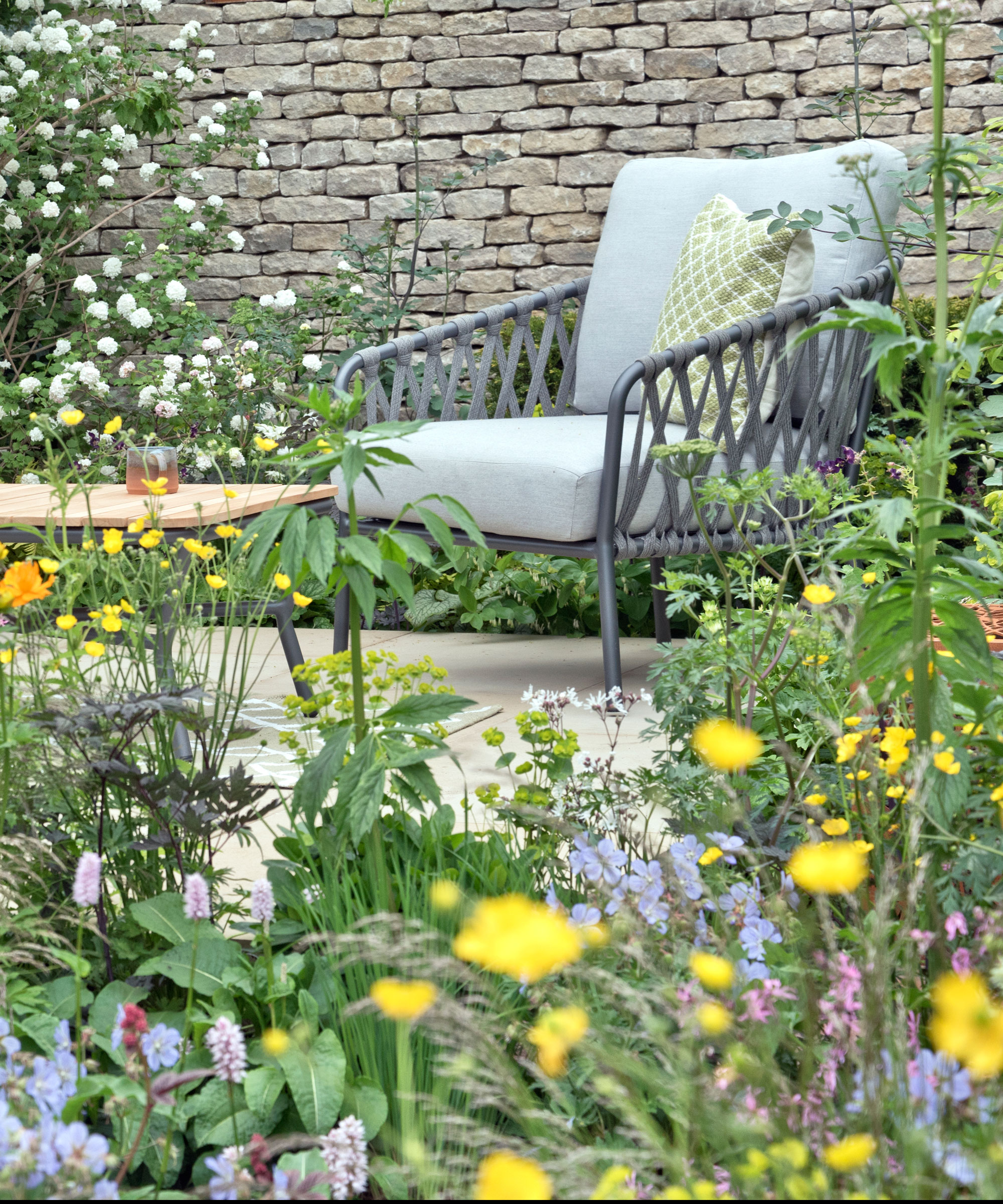
To keep annual flowers blooming until frost hits, they need a consistent source of nutrients. Well-fed annuals will have the nourishment required to keep producing lots of new blooms for the longest display.
The best summer flower fertilizer is higher in phosphorus and potassium – the nutrients that encourage strong flowering. Avoid high-nitrogen feeds that promote lush foliage growth, and stick to fertilizing flowers in pots and borders with water-soluble products labelled ‘bloom booster’ or tomato feeds.
Feed annuals, especially those growing in container gardens or hanging baskets, every week or two to keep them blooming. Always stick to the recommended rates, as Christina warns: ‘I've made a ton of mistakes, like over-fertilizing, thinking that would keep them blooming longer, but sadly it actually did the opposite.’
Shop Summer Flower Fertilizers
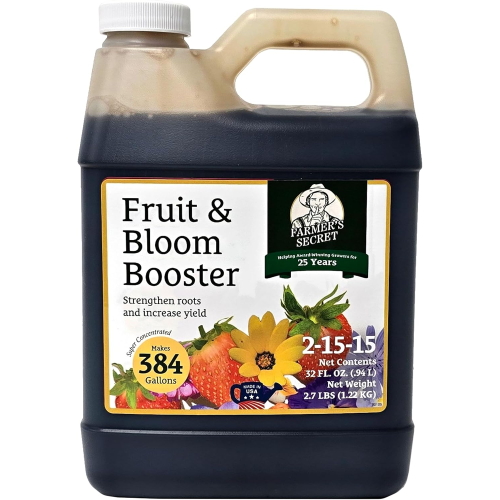
A super-concentrated bloom booster with an NPK of 2-15-15 that helps promote late-season flowers on any annual plants. Use only 1 teaspoon per 2 gallons of water.
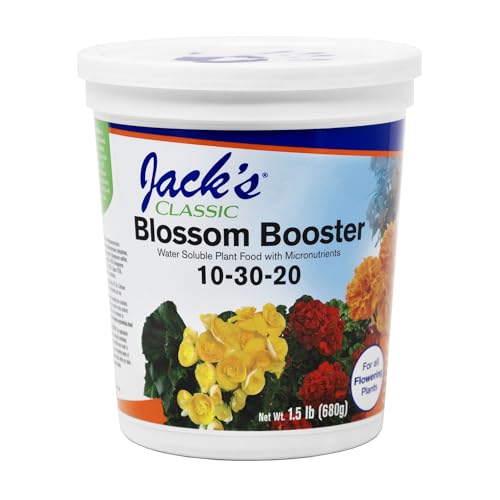
This bloom booster has an NPK ratio of 10-30-20 and comes as a powdered concentrate to mix with water. It has a measuring spoon to make the right mix.
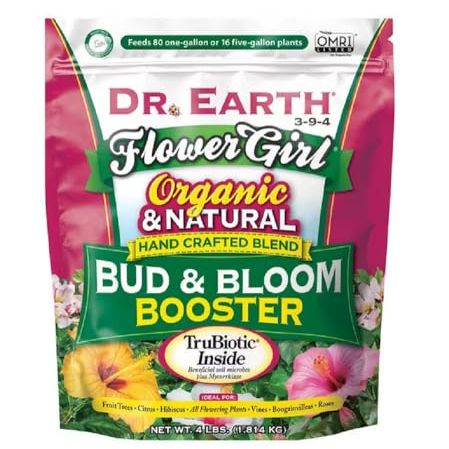
This bloom booster is made predominantly from ocean-based fertilizers. It has an NPK of 3-9-4 and can be mixed with soil or made into a tea to use for watering plants.
If you keep annual flowers blooming until frost, that can be the end for them. However, you can protect plants from frost to try to squeeze a little bit more of a show from even tender annuals.
It can take only a few minutes to cover plants with frost cloth (such as this 10 x 50 feet frost cloth at Walmart) when a light frost is forecast. This quick job can extend the season, but remember to remove the covers in the morning once the temperatures rise.
If you love inspiring garden ideas, outdoor advice, and the latest news, why not sign up for our newsletter and get the latest features delivered straight to your inbox?