
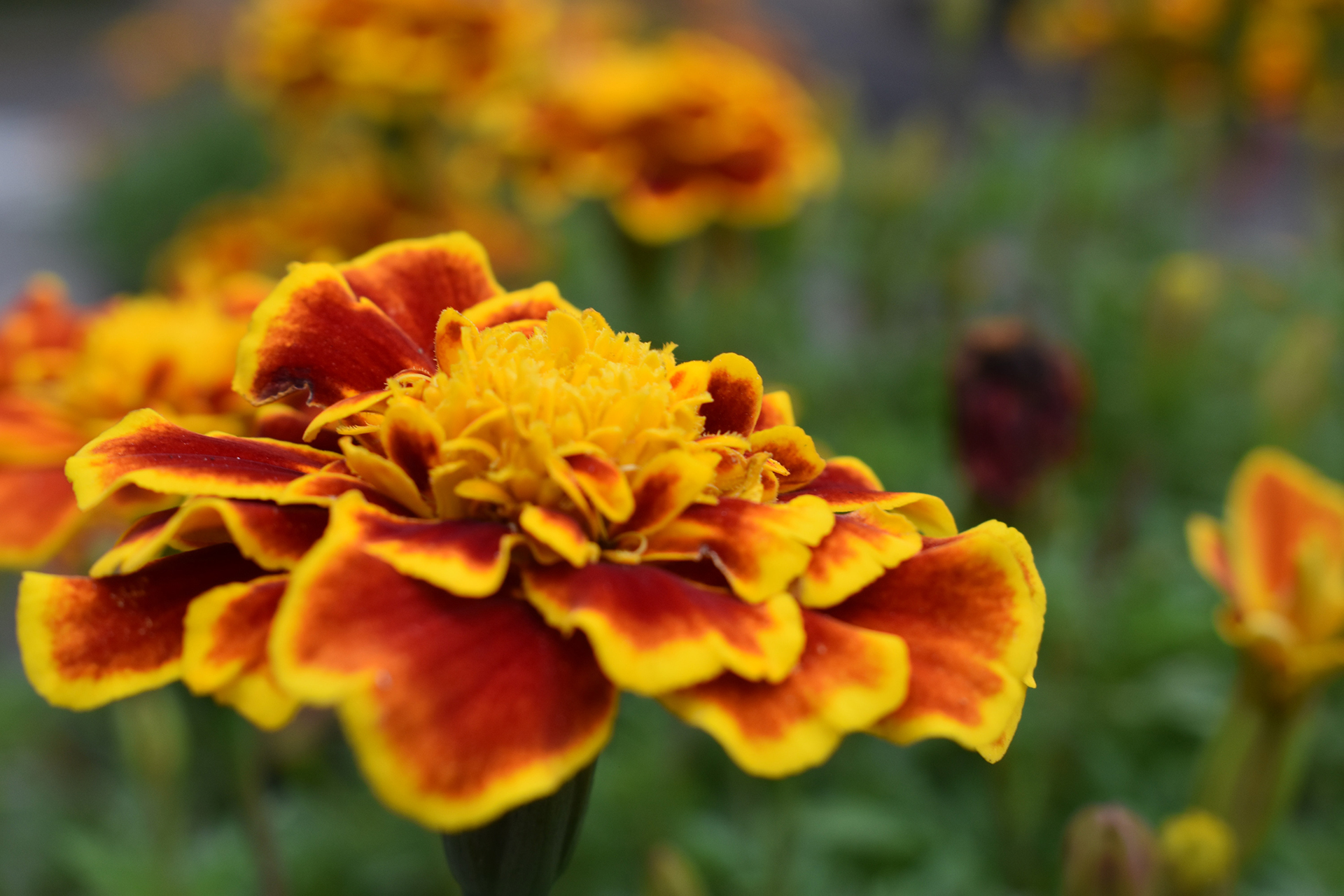
Marigolds are notoriously known for providing color to your backyard, these hardy plants flower all the way through summer and into late autumn. If you are an avid kitchen gardener and love to grow marigolds, then you'll be pleased to know that they also make the perfect companion plant for any type of vegetable you choose to grow.
When you plant marigolds outdoors it is important to understand when and how to water them to ensure they have a long flowering season. These flowers tend to thrive in full sun conditions and fertile soil.
When it comes to watering these plants there are many things to consider such as the weather, the type of soil, and the specific marigold variety, all of which determine how often they need to drink.
Experts share their watering knowledge to keep your marigolds happy
Below experts reveal all their watering experiences when it comes to marigolds.
How often should you water your marigolds after planting?
You should first water your marigolds directly after planting. Marigolds need moist soil for the first week or two after planting them out in your yard; this is to ensure that they have a strong rooting system.
Sam Kresch, landscaping director at Top Soil, says that watering immediately after planting your marigolds, promotes the roots to swell deeper into the soil, closing off any significant air gaps that can cause the plant’s sections to dry.
It is good practice to keep the soil moist for the first week or two to allow the roots to establish and anchor the plants into the ground. Water your plants once every couple of days at this stage.
How often should you water your marigolds after they are established?
After your marigolds are established you will not need to water them as frequently as you did before.
Marigolds thrive best in well-drained soil, so you should aim to water them deeply but infrequently says Peter Schultz, head gardener at Thrive Green Life. 'Aim to water your marigolds once or twice a week ensuring that the soil is evenly moist but not waterlogged,' he says.
Marigolds do not like to be over-watered as this can lead to root rot, if the soil is too wet it will not allow the roots to breathe and this can lead to disease.
A good practice is to water thoroughly and allow the soil to dry out between watering. This works by mimicking the natural cycle or dry and wet periods which help to promote continuous healthy root growth.
How often should you water your marigolds in warm temperatures?
It is important to monitor any plants when watering in hot weather. Your marigolds are no different during periods of hot weather these plants tend to dry out easily, especially when planted out in full sun.
Although these plants are best suited for sunny conditions you will need to adjust the watering frequency when it is very hot. ‘Marigolds need to be watered more during hot and dry periods, especially if they are in containers or raised beds,’ says Tony O’Neill, a gardening expert at Simplify Gardening.
Aim to water your marigolds every other day when the weather is hot. This practice is best done in the morning and evening to avoid the majority of the water being lost through evaporation.
It is also important to avoid getting water on the foliage of your plant so that the leaves do not burn or scorch under the sun's rays.
Can marigolds be overwatered?
Yes, marigolds can be overwatered, when watering marigolds it is important to strike a balance, this is normally determined by how dry your soil is and the weather.
You can identify whether your marigolds are overwatered by how they look. When they are overwatered they will be wilted, drooping down, and have yellowing leaves. You may also notice fungal growth towards the bottom stem of the plant.
Marigolds are great flowers to grow in your yard, they are perfect for raised beds, borders and companion planting in your vegetable patch. These flowers are also handy as they help deter unwanted pests. Knowing how to water them correctly will enable your marigolds to be healthy and strong all season long.