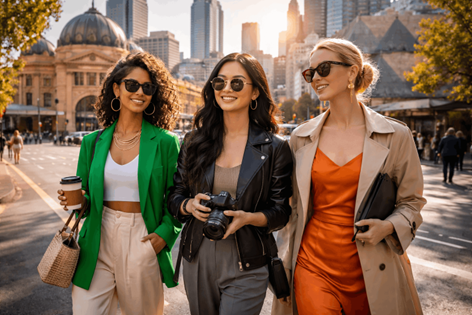
Melbourne’s distinctive fashion landscape offers outstanding opportunities for creative professionals looking to build a career in the industry. The city’s multicultural influences, refined style sensibility and strong commitment to sustainability create an environment where fashion innovation thrives and career paths evolve.
Finding your place in Melbourne’s fashion scene may feel daunting at first, but this guide will help you navigate the exciting opportunities available. You’ll discover how Melbourne’s unique character shapes fashion careers and offers meaningful advantages for professionals at every stage.
Career Paths in Melbourne’s Fashion Industry
Design and Product Development
Interested in a career in fashion design or product development in Melbourne? The city offers a wealth of opportunities for creative professionals passionate about bringing ideas to life.
Fashion designers in Melbourne need a balance of creativity and technical skill. Most roles require formal training in fashion design, textiles or related disciplines. LCI Education offers well-regarded fashion courses in Melbourne that can help you develop essential industry skills.
Many designers begin as design assistants before progressing to junior designer roles and, over time, senior designer or creative director positions. Strong skills in patternmaking, garment construction and digital design tools such as Adobe Illustrator and CLO 3D will give you a competitive edge.
Melbourne is home to a diverse mix of employers, from established labels to independent designers. Innovation is highly valued, so showcasing a clear point of view and personal design language can help you stand out.
Networking is crucial. Fashion events, industry gatherings and internships often lead to valuable connections that open doors to new opportunities.
Styling and Personal Branding
Styling and personal branding roles have grown significantly within Melbourne’s fashion scene. These professionals help individuals and brands create cohesive, memorable visual identities.
Fashion stylists collaborate with photographers, models and clients on editorials, campaigns, runway shows and personal wardrobes. A strong portfolio that reflects your aesthetic and versatility is essential for attracting work.
Melbourne has produced highly respected stylists such as Lana Wilkinson and Philip Boon, whose careers highlight the city’s potential for building influence and long-term success in styling.
Personal branding specialists work closely with clients to align fashion, image and communication across platforms. Many begin their careers in styling, retail or marketing before specialising.
Social media plays a major role in this space, allowing stylists and branding professionals to showcase their work, build audiences and attract clients both locally and internationally.
Fashion Journalism and Media
Fashion journalism offers exciting opportunities for those who love both storytelling and style. Melbourne supports a dynamic fashion media landscape across print, digital and social platforms.
Successful fashion journalists combine strong writing skills with industry insight and relationship-building. Backgrounds in journalism, communications or fashion studies are common. Publications such as Vogue Australia, Harper’s BAZAAR and The Age regularly cover Melbourne’s fashion industry.
As digital media continues to evolve, journalists with skills in SEO, social media and multimedia content creation are increasingly in demand.
Melbourne-based writers like Patty Huntington and Janice Breen Burns have built influential careers reporting on fashion locally and globally, demonstrating how journalists can shape industry conversations.
Many begin through internships, freelancing or independent blogs before securing long-term roles with major publications.
Photography and Content Creation
Visual storytelling is central to fashion marketing, making photography and content creation essential career paths in Melbourne’s industry.
Fashion photographers need technical proficiency, creative vision and strong interpersonal skills. While formal study can help, a compelling portfolio is key. Collaborating with emerging designers or conducting test shoots is a common way to build experience and visibility.
Melbourne photographers such as Georges Antoni and Nicole Bentley are recognised for their distinctive visual styles and work with major brands and publications.
Content creators develop imagery, video and written content for digital platforms, campaigns and e-commerce. Many specialise in niches such as sustainable fashion, lifestyle or luxury.
With the continued growth of online retail, demand for product imagery and lifestyle content remains strong. Skills in lighting, retouching and video production can significantly expand your opportunities.
Weather as a Style Catalyst
Layering for Unpredictable Conditions
Melbourne’s well-known “four seasons in one day” climate has become a defining influence on local style. Rather than seeing it as a challenge, Melburnians have embraced layering as a creative and practical fashion signature.
Effective layering starts with lightweight base pieces such as cotton tees or fine merino tops, followed by adaptable mid-layers like cardigans or shirts that can be removed as needed.
Many locals master layering without bulk by choosing thinner, high-quality fabrics. Scarves are a staple, adding both warmth and visual interest when the temperature drops unexpectedly.
On wet days, lightweight, water-resistant outerwear such as trench coats remains a wardrobe essential, offering protection without feeling heavy or restrictive.
Seasonal Transitions
Melbourne fashion transitions fluidly between seasons, with versatile staples forming the foundation of year-round wardrobes. Lightweight knits are especially useful during autumn and winter, providing warmth without overwhelming milder days.
Spring brings fluctuating temperatures, making removable layers essential. Well-tailored blazers, mid-weight denim and breathable cotton shirts are popular choices across seasons.
Footwear evolves subtly throughout the year. Ankle boots carry seamlessly from winter into spring, while summer sandals often extend into autumn when styled creatively.
While darker tones dominate winter, Melbourne fashion embraces colour year-round, often through accessories that add interest and personality.
Fabric choice becomes particularly important, with materials like cotton blends and light wool offering comfort across changing conditions.
Day-to-Night Adaptations
Melbourne’s fast-paced lifestyle encourages clothing that transitions easily from day to night. This has shaped a style approach centred on adaptable, multifunctional pieces.
Footwear plays a key role, with many professionals favouring shoes that balance comfort and polish, such as leather loafers, block heels or versatile boots.
Simple hair or makeup changes can quickly elevate an outfit for evening plans without a full wardrobe change.
Convertible garments with adjustable or removable elements are increasingly popular, offering multiple styling options within a single piece.
Platforms for Emerging Designers
Melbourne Fashion Week
Melbourne Fashion Week is a pivotal event for emerging designers seeking exposure within Australia’s fashion capital. The event provides access to runways, media coverage and industry connections alongside established labels.
Dedicated emerging designer showcases allow new talent to present their work in a professional setting, often leading to significant career opportunities.
Many successful Australian designers trace their early recognition back to Melbourne Fashion Week. The event attracts buyers, media and creatives from across Australia and internationally, making it a powerful networking platform.
Participation can open doors to collaborations, mentorships and retail partnerships that shape long-term career growth.
The Melbourne Fashion Hub
The Melbourne Fashion Hub plays a vital role in supporting early-career designers. It offers access to technical resources, studio space and professional development support.
The Hub’s free, open-access programs help remove financial barriers for student and emerging designers, allowing ideas to develop into market-ready collections.
Facilities include design studios, patternmaking equipment and small-scale production tools. Workshops regularly cover sustainability, marketing and business management.
Designers such as Amber Kingi and Leo Lin have used the Hub’s resources to launch successful independent labels, highlighting the impact of this supportive ecosystem.
Mentorship and Incubator Initiatives
Melbourne offers a range of mentorship and incubator programs tailored to fashion entrepreneurs. These initiatives connect emerging designers with experienced industry professionals who offer guidance on creative direction and commercial strategy.
Programs like the Melbourne Fashion Incubator provide structured feedback, business development support and connections to buyers and manufacturers.
Mentorship initiatives such as Fashion Connect offer personalised guidance, helping designers refine their voice while avoiding common industry challenges.
Several local fashion houses also run incubator programs that provide studio access, materials and technical support, often concluding with showcase opportunities for press and stockists.