
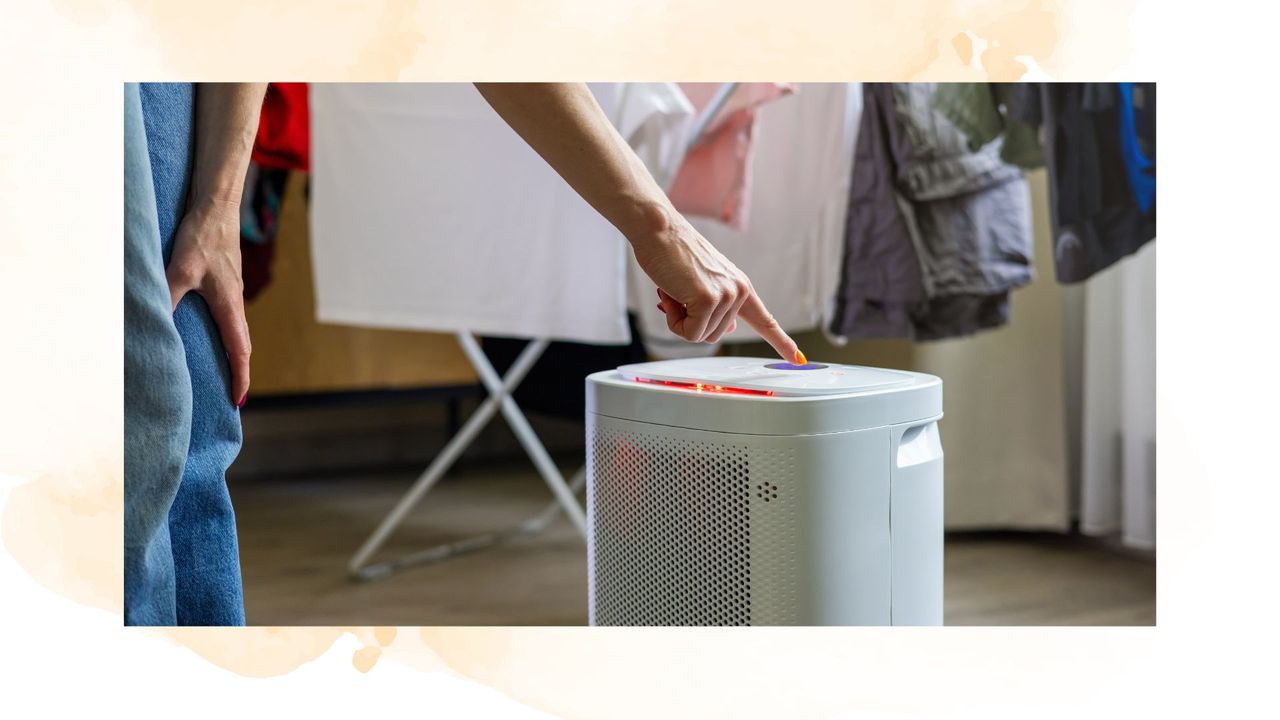
There aren't too many appliances guzzling up energy in your home 24/7 – even if it does feel like the TV is constantly in use, or our phones are always on charge. But the few we can think of are fridges and freezers, and, if your home suffers from damp issues, a dehumidifier.
This raises the question: how long should one of the best dehumidifiers run per day? Having appliances powered up all the time can understandably lead to anxiety. You may be concerned with how much it costs to run a dehumidifier that's on day and night. Or you might be worried about safety.
Either way, we're here to put your mind at rest as top experts share their dehumidifier best practices to keep running times down. We have also asked the fire brigade how to run your appliance safely for long periods.
How long should a dehumidifier run per day?
As you might expect, this isn't an easy question to answer. Especially if you have a model you can set to reach your desired humidity level, and therefore might turn itself off as that level is hit or surpassed. It will all depend on the amount of excess humidity and moisture in your home – and how often the tank fills up.
Many dehumidifiers operate based on reaching the user-selected humidity level, to enter standby mode after this time. As Alex Litcan, category manager at De’Longhi, explains: "That means it will continue dehumidifying until the desired humidity level is reached or the internal water tank is filled. It will then go into standby, and resume dehumidifying automatically if the humidity level increases past the set level or, if that hasn't happened, if the water tank is emptied."
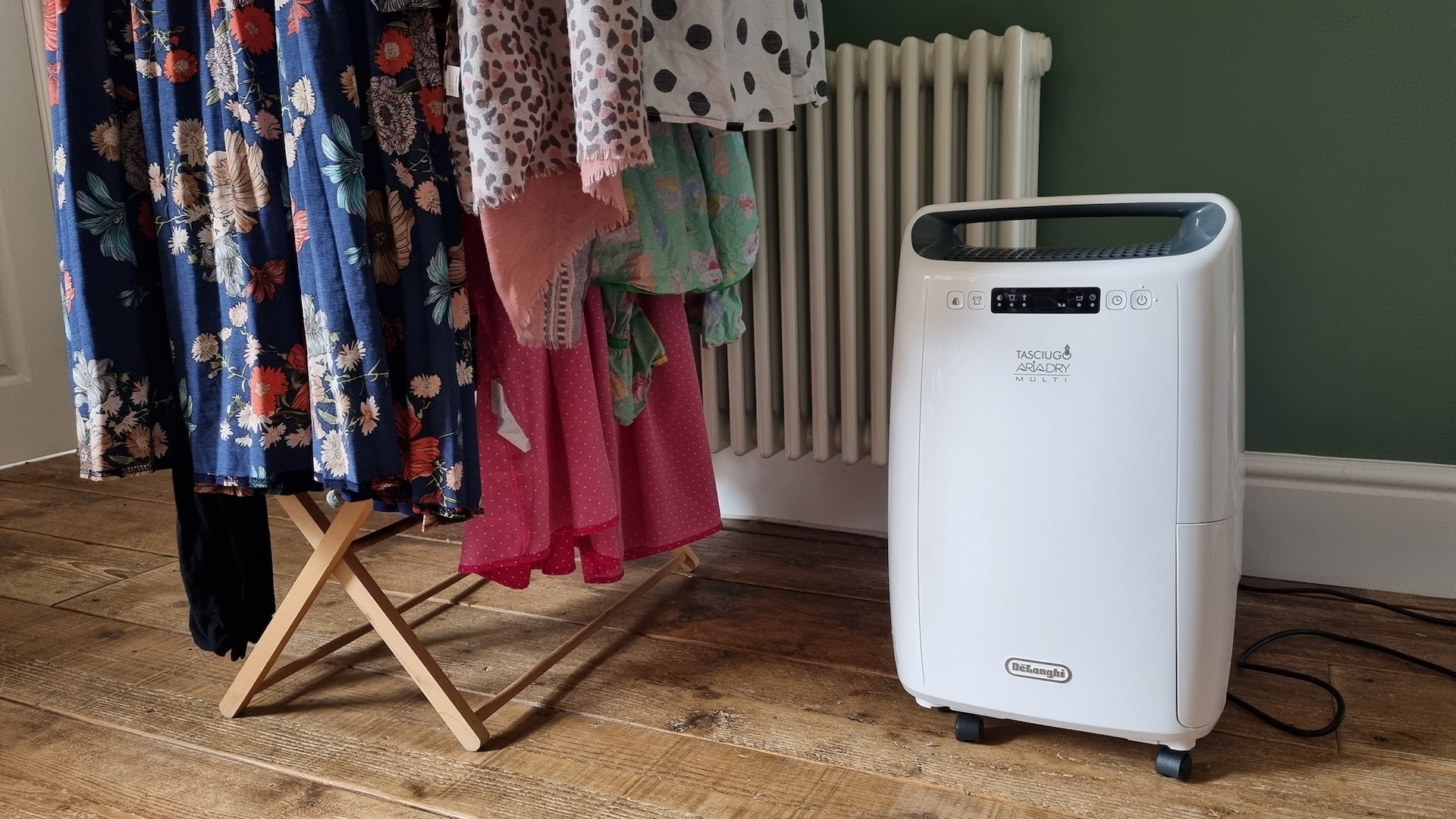
When carrying out the DeLonghi AriaDry dehumidifier review in winter with wet washing in the room, I can attest that the machine will happily run for 12 hours or more without a break. Whereas in the summer, when humidity in my home is noticeably lower, it might run for a couple of hours before turning itself off for the rest of the day.
But in winter, with high levels of humidity or dampness, you could easily expect your dehumidifier to run for 12 hours or longer. If you choose to operate your dehumidifier using a continuous drainage hose (therefore negating the need to empty the tank), you could be looking at 14 hours or more.
How long should you run a dehumidifier when drying washing?
Our experts have varying opinions on this, but generally suggest a period of between four and eight hours to dry clothes indoors.
"When using a dehumidifier for drying clothes, you should run a dehumidifier for bouts between four and six hours," advises Joshua Warren, dehumidifier expert at AO.com. "This will vary depending on the amount of laundry you need to dry, and the conditions you're drying it in."
"Some dehumidifiers have a laundry mode specifically designed for this purpose, so it’s worthwhile checking your model first. If your dehumidifier does not have this feature, you can use it on its standard setting and check up on your clothes after a couple of hours. It’s worth noting that this may take longer if the room is particularly humid or if there is a whole heap of laundry."
"When using dehumidifiers for tasks such as laundry, they should only be run for up to eight hours at a time – and it’s important not to leave a dehumidifier running unattended in an empty house," warns Marc Duckworth, product manager for Russell Hobbs at Product Care Group.
"The Russell Hobbs RHDH2002B dehumidifier has a laundry function to help dry washing quicker inside the home; it also allows you to set a timer for how long you would like it to run, which will help reduce costs."
How long should you run a dehumidifier to clear condensation?
"To clear condensation from windows, you should expect to run a dehumidifier for just a couple of hours," says Joshua. "The exact duration will depend on two factors – the severity of the condensation and the size of your room."
"If condensation is a recurring issue in your home, you might need to run the dehumidifier daily for a few hours during the times when condensation typically forms, such as in the early morning or late evening," he adds. "After all, it’s best to be proactive with condensation to prevent any damp from forming."
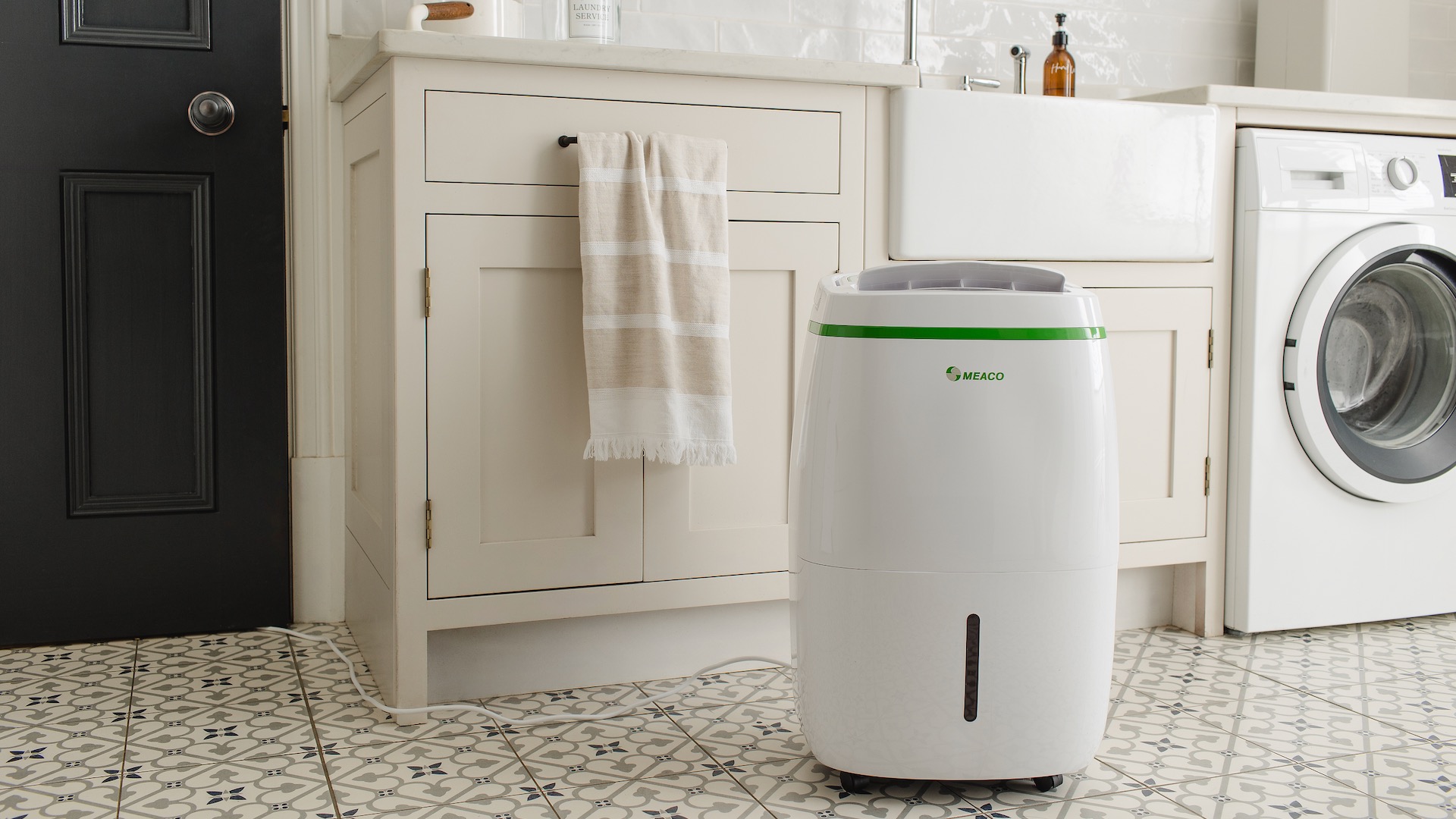
"Condensation occurs at 100% relative humidity when moisture in the air comes into contact with a cold surface, forming drops of water," explains Chris Michael, managing director of Meaco.
"If a suitably sized dehumidifier is being used in a closed room, you would expect a noticeable reduction of condensation within 30 minutes. However, we always recommend leaving your dehumidifier running 24/7 [see below]. It will turn on and off as needed (depending on the relative humidity level) and therefore continuously prevent condensation."
See what our experts say regarding what size dehumidifier you need.
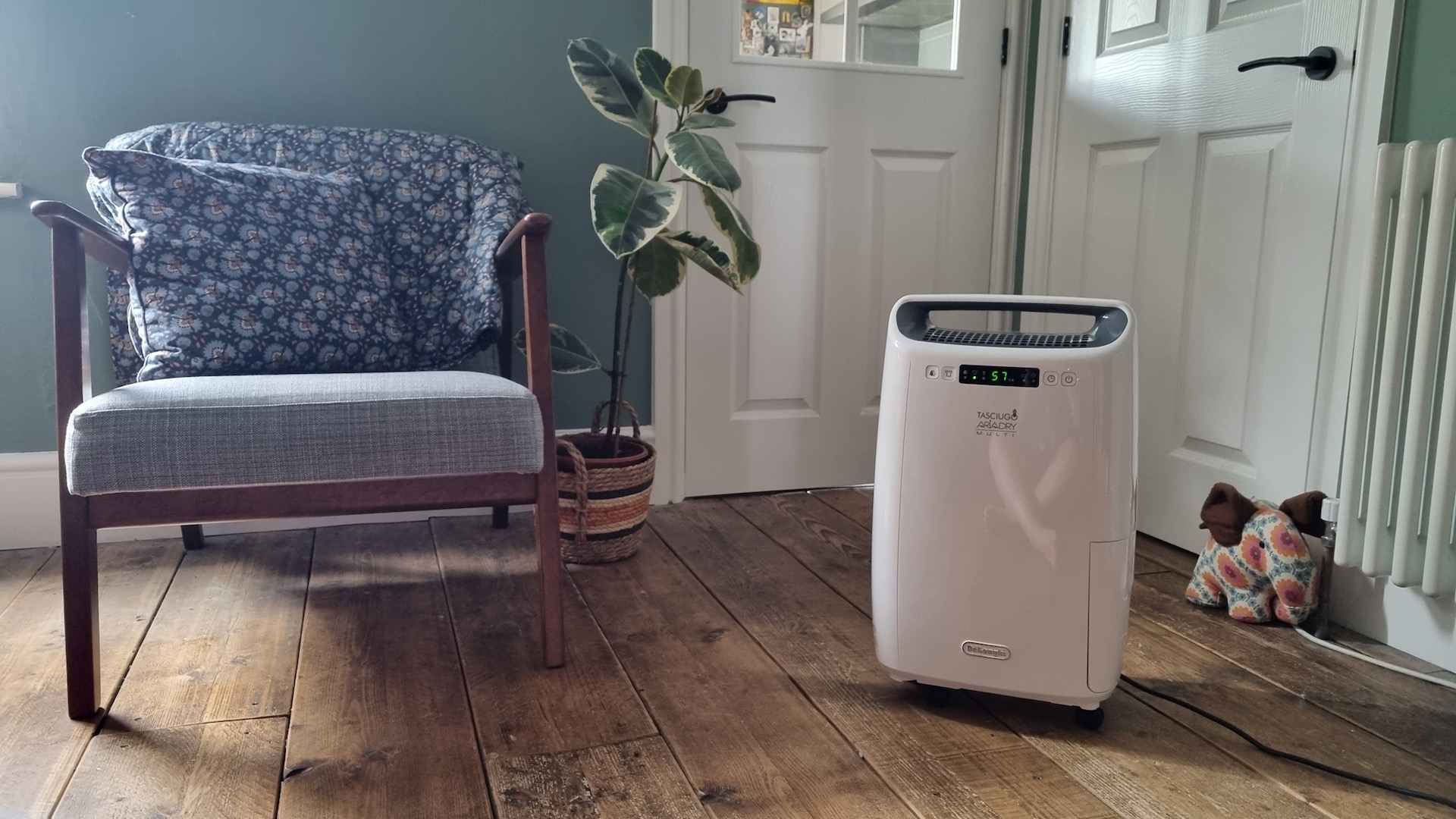
Should you have your dehumidifier running 24/7?
Joshua Warren doesn't think so. "No, it is simply not necessary to run a dehumidifier 24/7," he says. "Doing so can be costly and may lead to unnecessary wear and tear on your appliance. Instead, aim to run the dehumidifier when you spot any visible moisture or condensation."
"If dampness is a constant issue, consider addressing the root causes, such as improving your room’s ventilation, rather than relying solely on your dehumidifier."
However, not everyone agrees. And should you choose a model that automatically turns on or off on the reading of a built-in humidistat, it's recommended by manufacturers to keep the appliance on at all times. Whether you're running a dehumidifier in a bedroom or anywhere else.
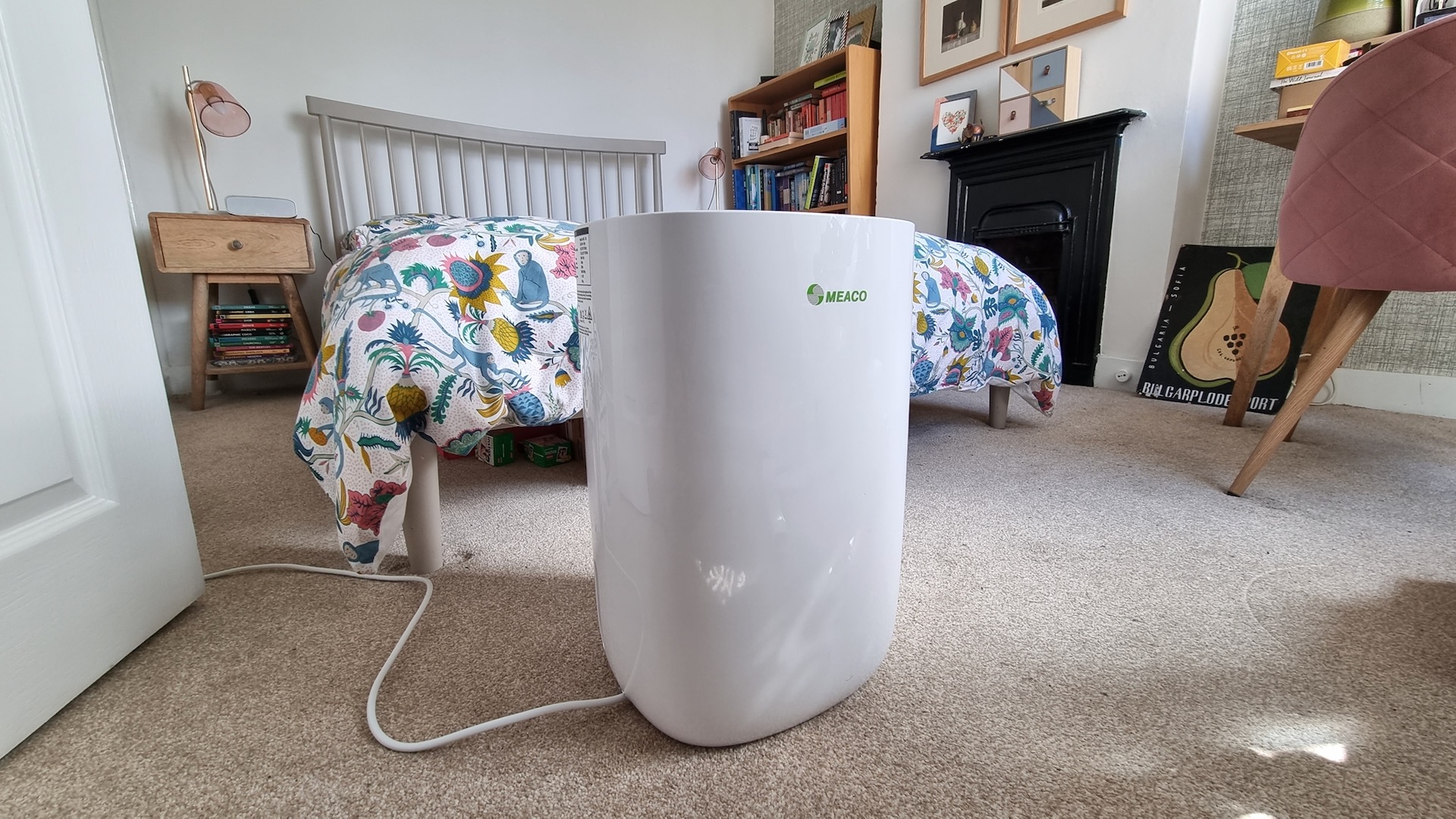
"Dehumidifiers are low power and are safe to leave plugged in 24-7," says Chris at Meaco. "If used in target humidity mode, it will only switch on when needed, effectively managing the humidity in your home for you."
"You really want your dehumidifier to dehumidify when you need it to, so if you turn it off – for example, for eight hours or so each night – then you are stopping it from doing its job for a third of the time," he adds. "The better option is to leave the dehumidifier on with the humidistat set to 50% relative humidity. That way, it can keep an eye on the house while you sleep."
FAQs
Can you run a dehumidifier too much?
Worried you're going to make a dehumidifier mistake and run your machine way too much? I wondered the same thing, so I asked the experts about it.
"Yes, you could be running it when it's not necessary. The ideal indoor humidity (RH) in the UK climate is 55%RH. Unless there's a requirement for very dry conditions, it's not worthwhile setting the dehumidifier to work towards a lower humidity. It wastes electricity and puts a strain on the appliance," starts Chris.
He points out that if your dehumidifier's humidity stat feature isn't being used, you could be unknowingly running your machine for way too long.
"If the dehumidifier is constantly on, the humidity remains high (above 55%RH), and it is collecting lots of water, it might be the case that it's underpowered and you need a larger model for the task," Chris adds.
Are dehumidifiers expensive to run all day?
Costs are one thing you need to know before buying a dehumidifier. "Dehumidifiers are typically low energy appliances that cost between 5p and 9p per hour depending on the size of the machine and how energy efficient it is," says Chris at Meaco. That means they could cost anywhere be £1.20 and £2.16 per day if running continuously.
However, as Chris points out, "Most dehumidifiers have a target humidity mode where the machine detects the humidity and only switches on to remove the excess moisture before switching off to save on energy bills. This is the most cost-effective way to use a dehumidifier, as it stops the machine from running when it's not required."
In this writer's experience of testing the MeacoDry ABC 12ltr dehumidifier in target humidity mode, it would typically switch itself on for a couple of hours at a time, between two to three times a day once 'bedded in'. This dehumidifier was tested in a three-bed house with a few damp issues and condensation in February and March.
I have my dehumidifier on all the time. How do I keep the running costs down?
"First, make sure your doors and windows are closed," says Joshua. "This can help your dehumidifier work more efficiently, as it reduces the influx of humid air from outside."
"You should also try to maintain your dehumidifier where possible," he continues. This includes cleaning a dehumidifier. "Make sure to clean the filter and coils regularly to ensure it doesn’t lose efficiency and prolong its shelf life."
"Firstly, identify and fix what’s causing the excess moisture in the property if possible," says Chris at Meaco. "If it’s water from a leaky pipe, rising damp or water ingress, prioritise that first – or else the dehumidifier is constantly dealing with the symptom."
"Then, look to reduce the amount of moisture in the home being produced from day-to-day activities," he adds.
Suggesting ways to reduce humidity around the house, he says: "Using extractor fans when bathing, opening kitchen windows when cooking and opening the windows in the morning all help to vent moist air."
"Finally, buy a suitable-sized dehumidifier for the property to keep costs down," Chris continues. An underpowered machine will run for longer and consume more energy. "Broadly speaking, a 12L appliance is suitable for up to a three-bed property. A 20L or 25L is more suitable for a larger property."
Is running a dehumidifier for long periods dangerous?
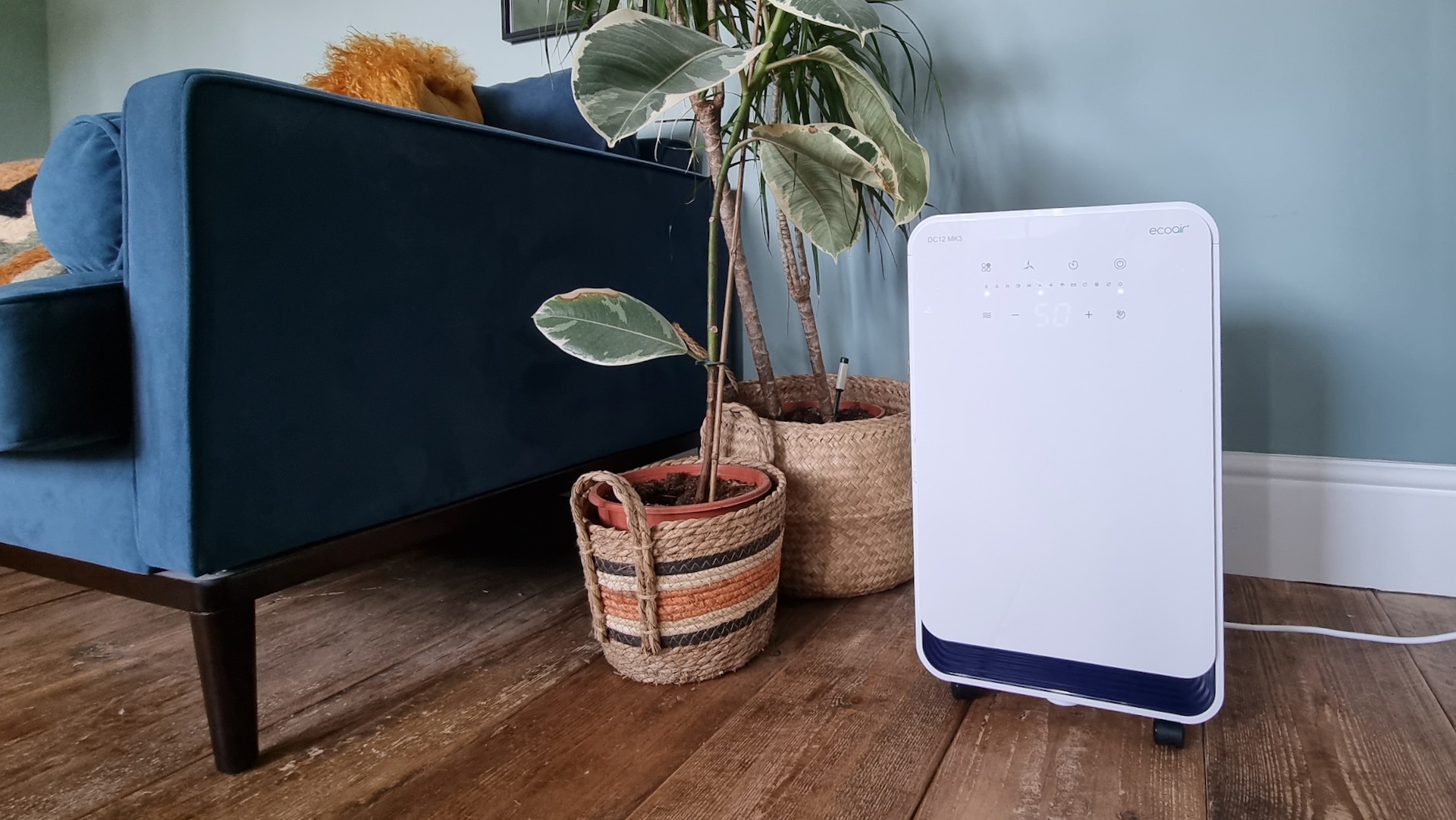
To answer this question, we spoke to the Cambridgeshire Fire and Rescue Service. "Some devices, like fridges and freezers, are designed to be plugged in and switched on all the time," a spokesperson told us. "There are some dehumidifier models that are also designed to be switched on for long periods, even as long as a whole day."
"To help keep them safe, we would always recommend they are plugged directly into a socket and not through an extension lead," they explain. "Make sure the area around the unit is well-ventilated and away from any heat source, to make sure it stays cool. If purchasing a new product, it's a good idea to register it so that you'll be updated about any manufacturer recalls."
"One last key thing to make sure you have is a working smoke alarm, preferably at least one on each floor of your home, and test it regularly."
"Electrical products are the fourth biggest fire risk in the home and therefore any device – including dehumidifiers - must be used in accordance with the manufacturer’s guidelines," a spokesperson for the London Fire Brigade adds. "Further advice on electrical fire safety in the home is available from the London Fire Brigade online."
Do dehumidifiers stop when they’re full?
Even if you choose the biggest model when deciding what size dehumidifier you need, you'll probably notice they can fill up pretty quickly. The good news it most machines will either let you know when they're full or stop completely on their own.
"Yes. Most modern dehumidifiers are designed to switch off once the water container reaches capacity. The machine stops to prevent it from overflowing," explains Chris.