
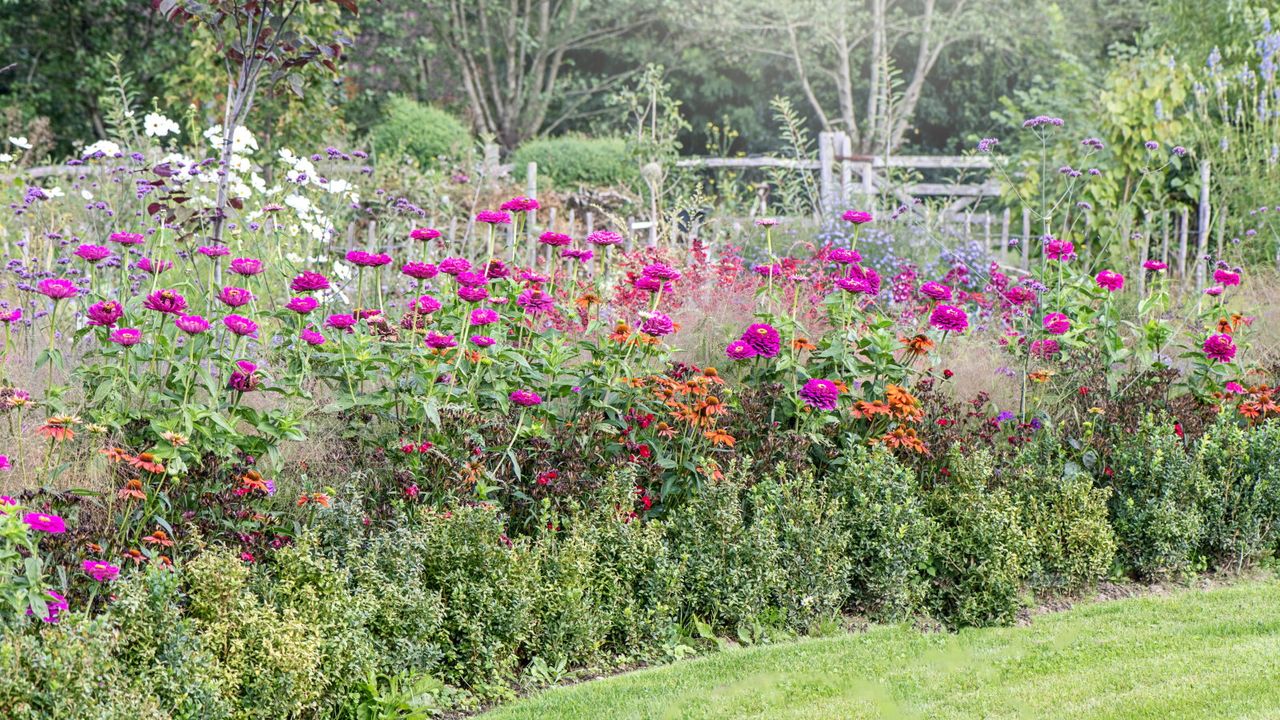
May can feel like that strange in-between stage when the garden is undeniably alive, but still not quite there. The grass has greened, the borders are pushing through, yet everything still feels a little open – as if the planting is waiting for its second act to arrive.
Thankfully you don't need a complete garden re-design (or a free month to devote to it). According to garden designers, it's entirely possible to build a garden that looks full by June, if you put things in place now, in May. A garden that already has its bones just needs filling out, not rebuilding. A few well-judged changes now can completely shift the feel of a garden in a few short weeks.
That's reassuring news if you love your garden but rarely have a free weekend to spend on it. The trick, designers say, is to work with what's already there. Editing and tidying established planting, before spending your time focusing on a few backyard ideas that deliver the biggest visible pay-off. Here, two garden designers and a plant expert share exactly what to do in May, to build a garden that looks full by June.
Start By Editing What You Already Have
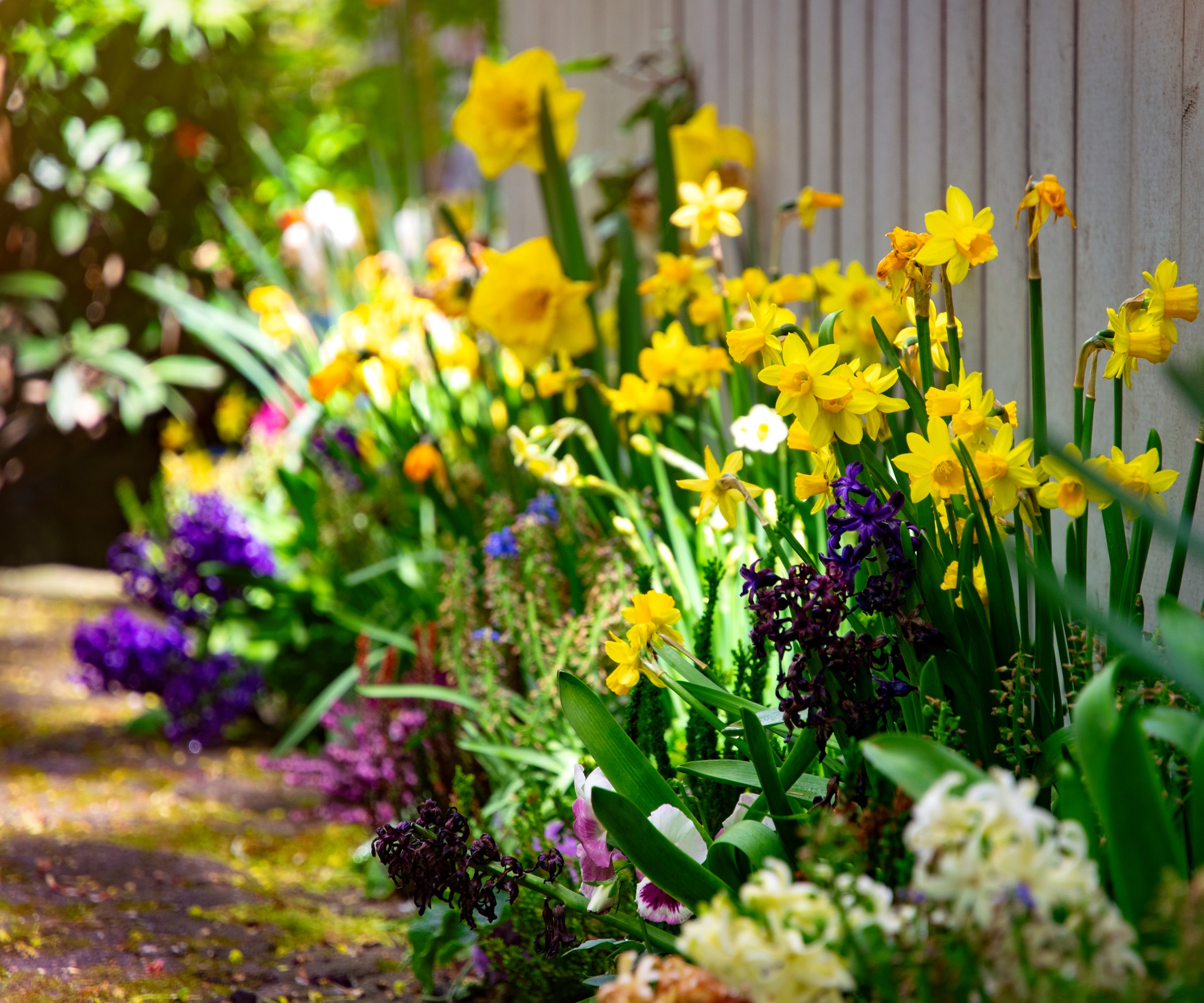
Before buying anything new, designers agree the most powerful work often costs nothing at all. An established summer garden that looks sparse in May is rarely empty, it's usually just lacking definition. Borders have flopped, edges have blurred into the lawn, and self-seeded clutter is muddying the picture. Clearing it away is the fastest visible improvement you can make to your space.
Caroline Ervin, landscape designer recommends starting with the structure that's already there. 'Hand pruning shrubs to a pretty and natural shape will help make an older garden look refreshed and cared for,' she says. 'Be careful not to prune everything into round “meatballs” but rather a natural looser shape.'
Other quicks wins that cost nothing but time include sharpening the boundary between lawn and border, and removing weeds or unwanted growth. 'A smooth bed line that delineates the lawn or grass area from the planting beds makes a garden look tidy and tended,' Caroline adds.
And if you only have minutes rather than hours to spare, sustainable landscape designer Brooke Addison suggests focusing on surface-level refreshes for instant impact. 'Raking your mulch refreshes the look and makes it appear brand new,' she says. 'It's a fast, free way to make a visible difference in your garden.'
Where to buy bed-edging and pruning tools:
An adjustable Half-Moon Edger Lawn Tool from Amazon makes light work of crisping a bed edge, while these sharp Felco F2 Pruning Shears are worth the upgrade for hand-pruning shrubs.
Finish with a Heavy Duty Garden Rake also from Amazon, for the quick mulch-refresh trick.
Use Annuals And Fast-Growing Plants To Fill Visible Gaps
Once the garden is looking tidy and defined, it's worth focusing your efforts on filling the empty border spaces - those gaps where plants haven't quite filled out, or the area feel light.
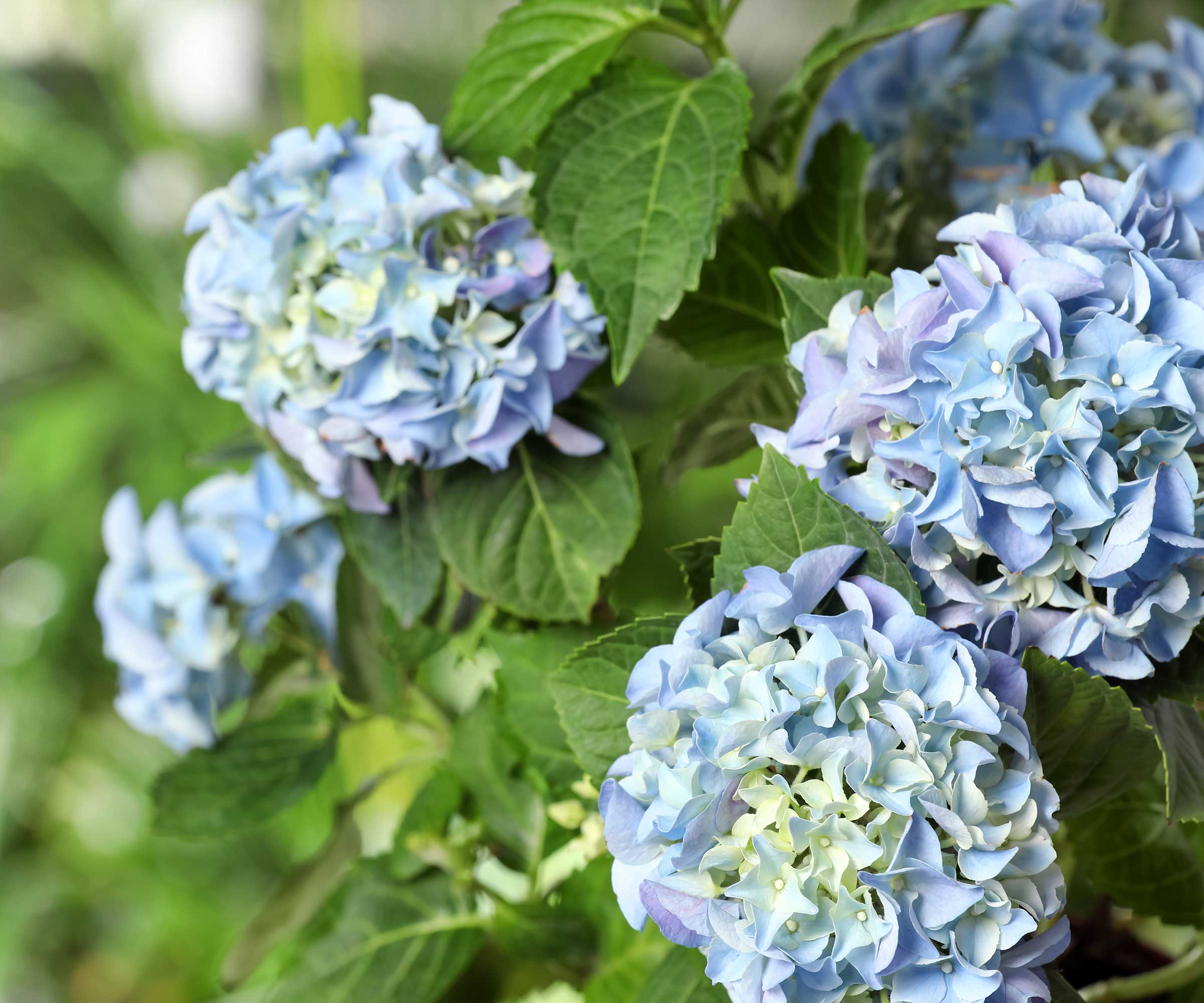
The fastest way to fill one of those gaps is to think big first, then soften. 'One of the quickest ways to make a garden feel established is anchoring a bed with one or two large, colorful shrubs and layering smaller plants around their base,' suggests Siobhan Shaw, sustainable gardening expert and co-founder of Growing to Give.
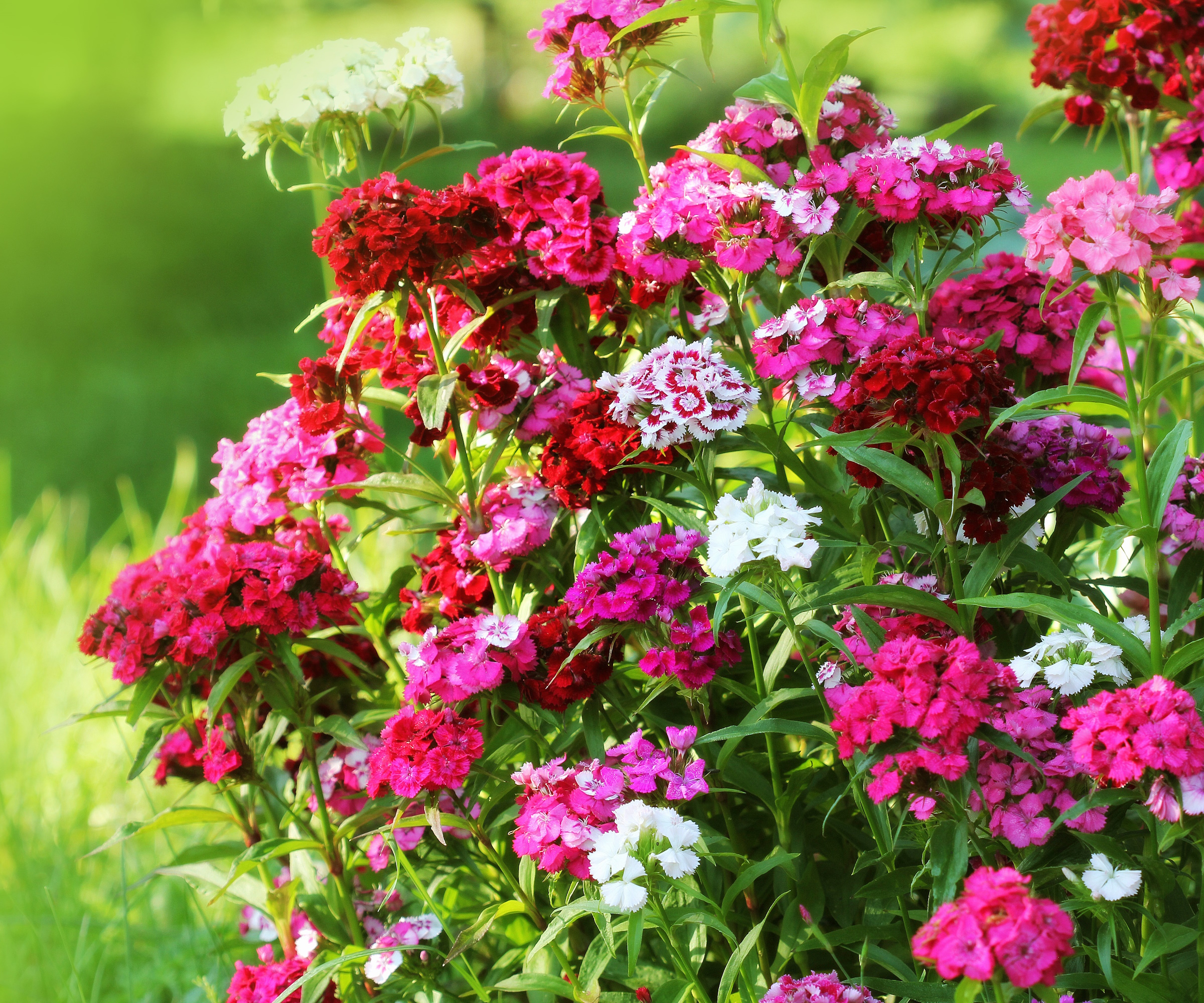
'The larger shrub creates instant structure and maturity, while the surrounding flowers like a border carnation fill up space.'
A bold, flowering shrub acts like an exclamation mark in the garden, and hydrangeas, roses, bottlebrush or a colourful Chinese fringe flower can all wake up a sparse spot quickly.
The planting around its feet is what sells its effect. Siobhan favors fast-growing flowers that help to blur the empty soil lines. 'Herbs like thyme and oregano, along with petunias, alyssum, or sweet potato vine, create that layered ‘garden has always looked this way’ effect.'
Sustainable landscape designer Brooke Addison describes annuals as 'illusion plants' because of how quickly they can transform how a space feels at this time of year. She recommends leaning on those that get bushier the more you use them. 'Cut-and-come-again flowers, such as Dahlias, Zinnias, and Cosmos, will branch and become fuller the more you harvest blooms from them, giving the illusion of a more established garden.'
Think In Layers, Not Single Plants
A statement shrub is a strong start, but on its own it will struggle to make a garden look established. What reads as a mature garden rarely comes down to a singular plant - it's repetition, varied heights and grouped planting all working together. The shrub provides the anchor, while the layers around it bring the fullness.
Caroline builds borders to feel layered from the front: low plants at the front edge, mid-height through the middle, and a few taller pieces at the back, with the same combinations echoed at intervals along the length of the bed.
That repetition is part of what makes a garden feel settled so quickly. 'Your eye tracks patterns throughout your space and recognizes repeating species,' explains Brooke. 'This repetition also gives the illusion of a mature garden, where the plants have had time to set seeds and create new plants in the same space.'
In other words, what looks established to us is really plants that have time to spread and seed themselves around. Repeating them now can mimic that effect in a single afternoon's planting.
Siobhan points out that layering plants will only work if there's a strong starting point. 'When you underplant a bold shrub with herbs, trailing annuals, or low-mounding flowers like dianthus, the whole bed instantly feels softer, fuller and more established.'
That principle carries through into container designs too, where grouping and layering can quickly create the impression of maturity.
Group Containers To Create Instant Focal Points
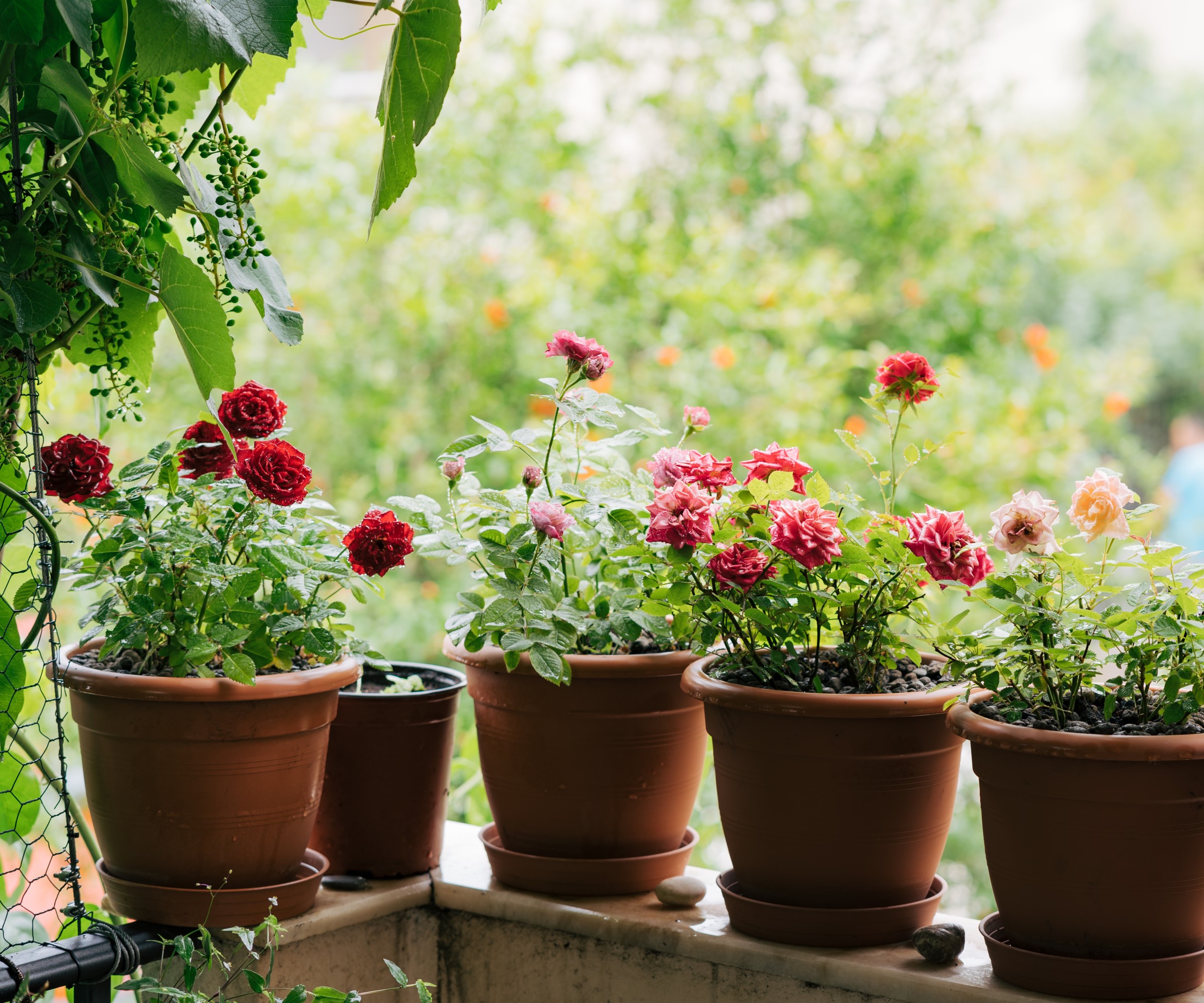
When time is limited, garden containers are the most effective tools for changing how a garden feels in a single weekend.
Rather than dotting individual pots around a space, Caroline recommends creating intentional clusters that act like mini garden scenes. 'Consider using all that are similar colors but in varied heights and shapes to create a display. For example, use all terra cotta, and some small, medium, large pots. Then vary the plants in the containers for more interest.'
Caroline's general principle in containers is that groups of smaller planters look fuller than one large plant, but there is one exception, she notes. 'Popping a big Boston Fern or Kimberly Queen Fern in a container creates an instant impact, and they are fairly inexpensive in a really large size.'
If there's one number worth taking into the garden center this weekend, it's Caroline's formula for how many plants a pot needs to look genuinely full. 'Measure the diameter of the planter, divide by 2 and add 1 for the number of plants to include,' she advises. 'Use at least 4” size plants to start and plant close together so the planter is full.'
If it takes two months for tiny market packs to grow to a lush size, it will be late summer before the planters look full.
To make a grouping look as though it has always been there, another trick Caroline recommends is to add character. 'Add antique or vintage planters to the grouping. I also like to add a vintage garden ornament, a pretty old finial or a weathered animal.'
What To Shop
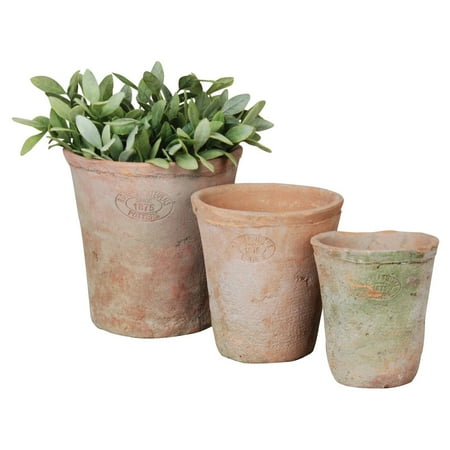
A set of three terracotta pots delivers the foundation of Caroline's grouped pot approach in a single purchase - ideal as an accent cluster on a balcony, doorstep, or alongside a large anchor planter.
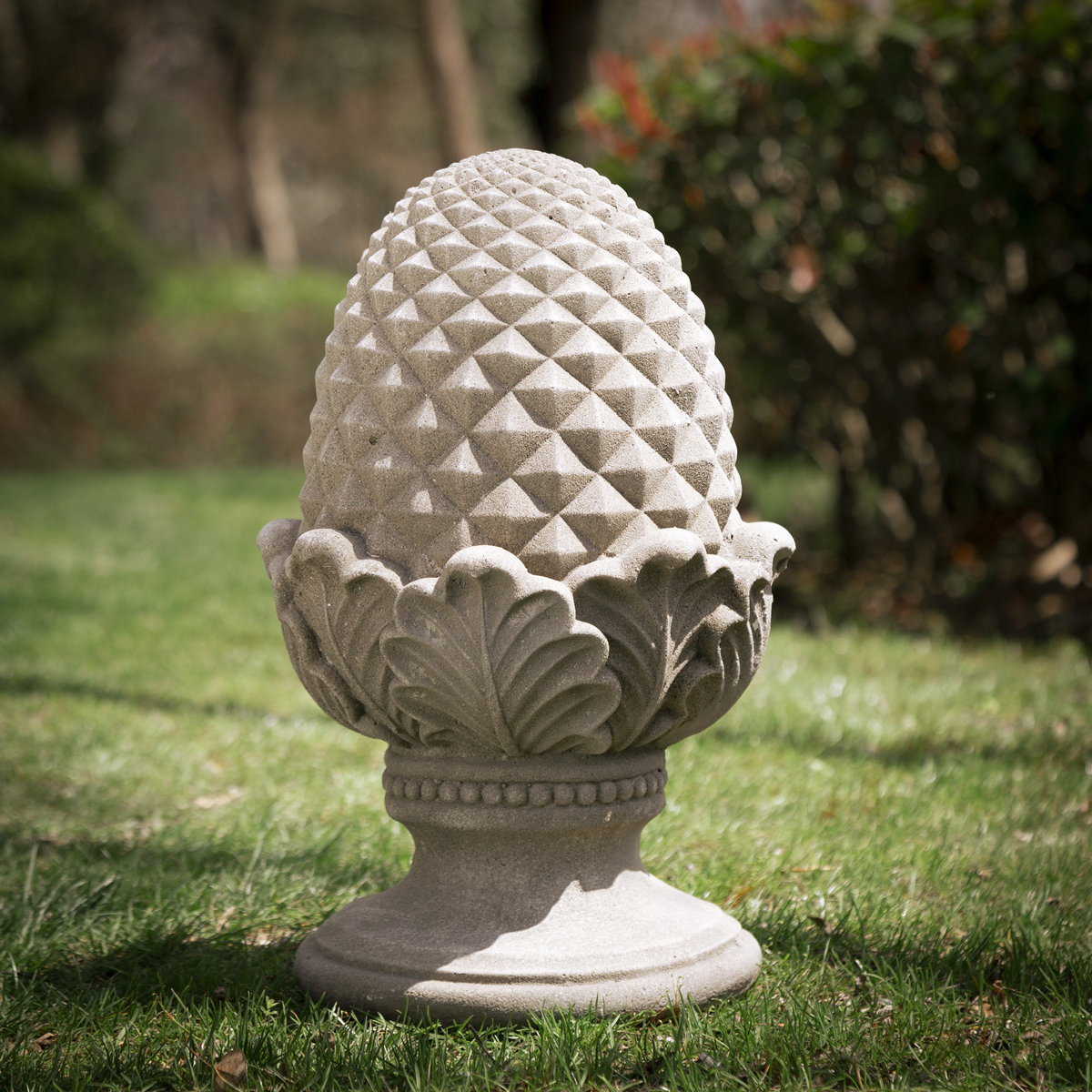
A weathered-effect ornament, like this whitted artichoke statue from Wayfair, is one of Caroline's favorite features.
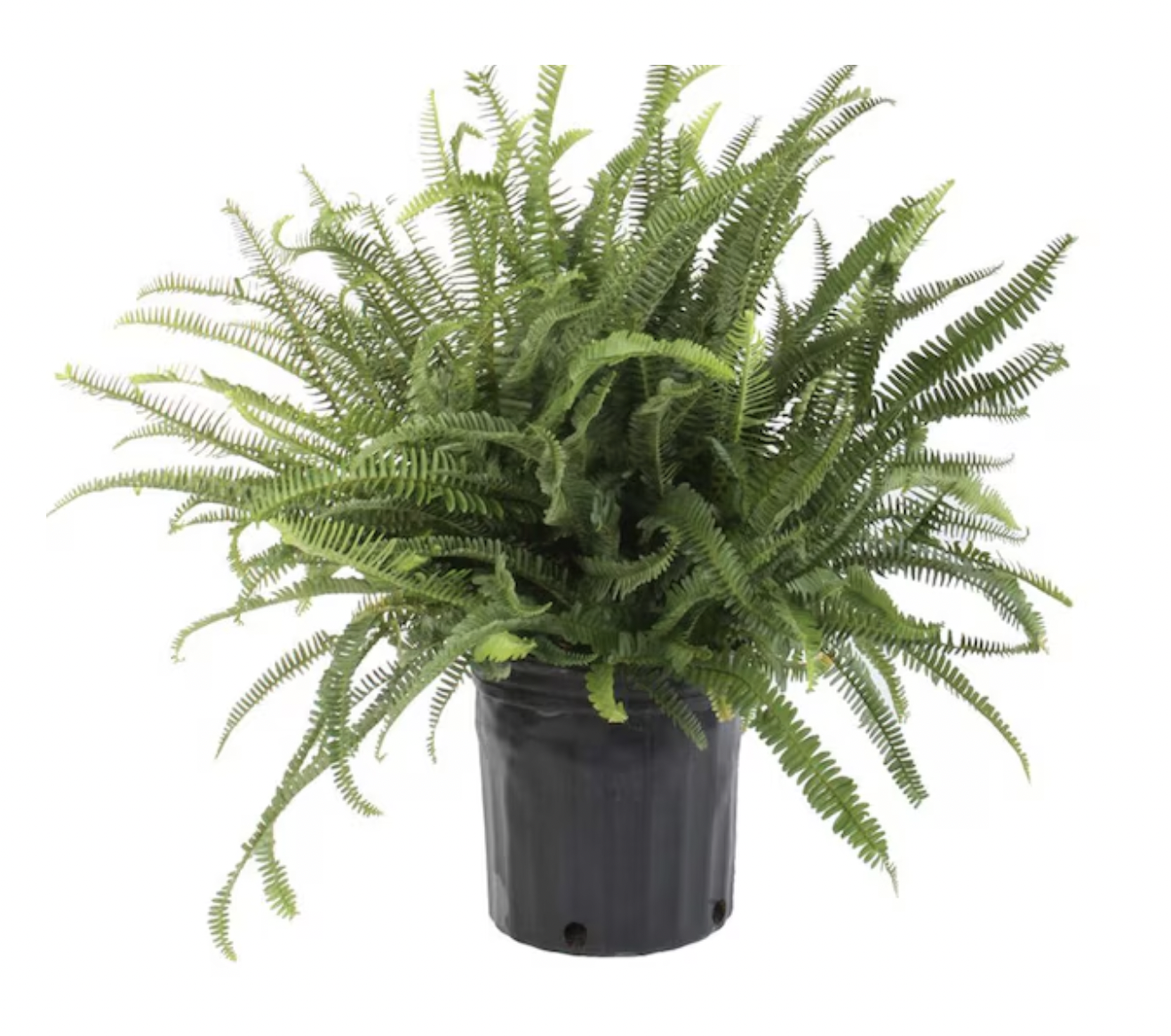
A large Kimberley Queen Fern, like this Costa Farms one from Lowes, is Caroline's 'instant theatre' exception to the small plants rule. It delivers immediate volume and structure at a fraction of the cost of a mature shrub, ready to drop into a porch or patio container.
Spend Your Weekend Where It Will Show
If a single weekend is all you have, you'll want to spend it wisely, and it doesn't have to be overwhelming.
Simply hand-pruning shrubs to a natural shape, edging and weeding, followed by one high-impact flourish will make a noticeable difference.
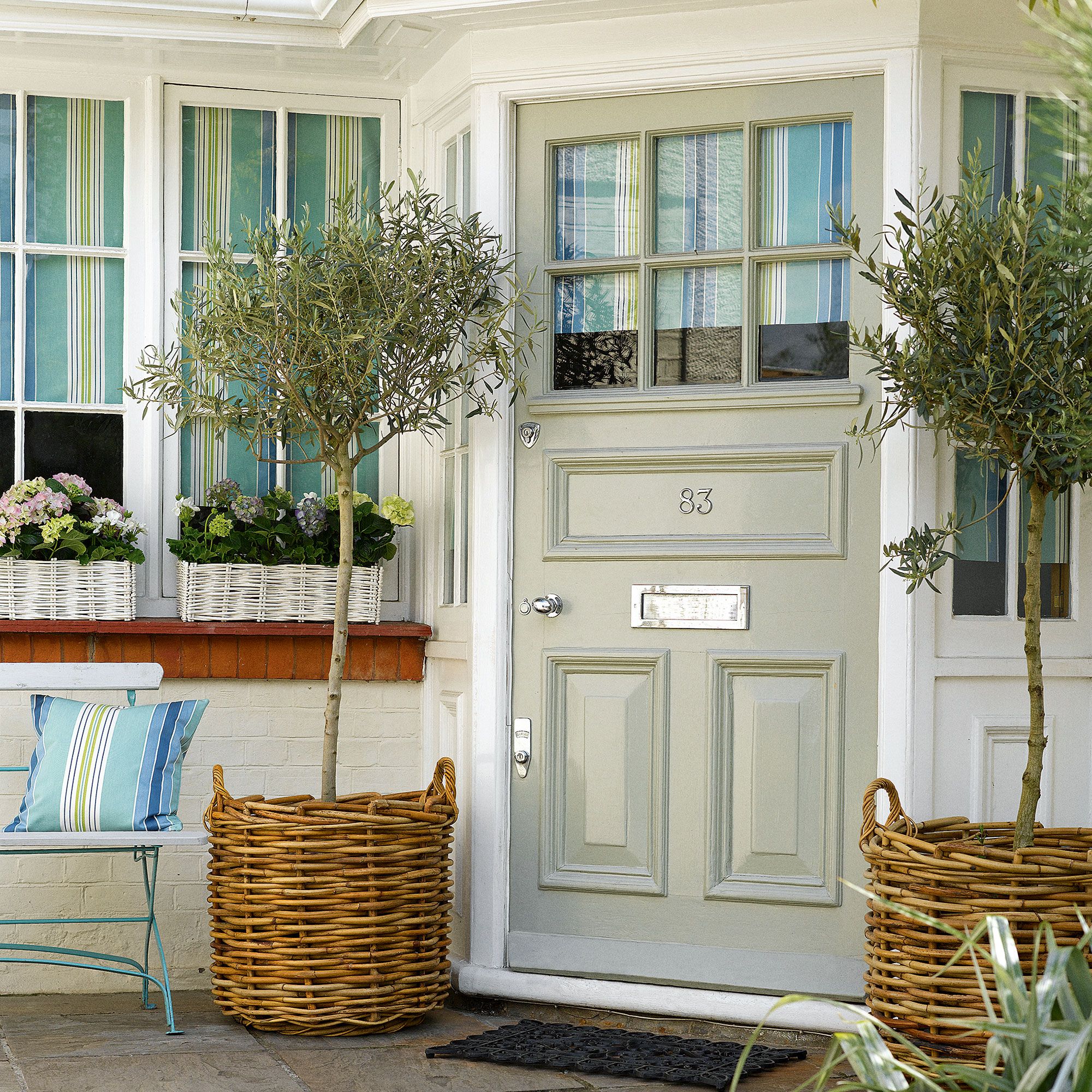
Caroline recommends placing two freshly planted containers at the front door for instant curb appeal. 'Buy a little bit larger plants and plant closely together so the visual impact is immediate,' she says.
As Brooke sums it up: 'Our gardens should be a place of joy, not something to approach them with a sense of dread. Remember what you love about your garden and focus on that if you have limited time.'
Avoid The Quick Fixes That Don't Pay Off
While it's tempting to prioritise instant results, designers warn that some quick fixes can create more work in the long run.
One of the most common mistakes is buying very small plug plants and expecting them to fill out quickly.
For a June pay-off, experts recommend buying plants a size or two up and planting them close together so the bed or planter looks abundant from day one. A handful of well-chosen, established plants will outperform a tray of tiny ones every time.
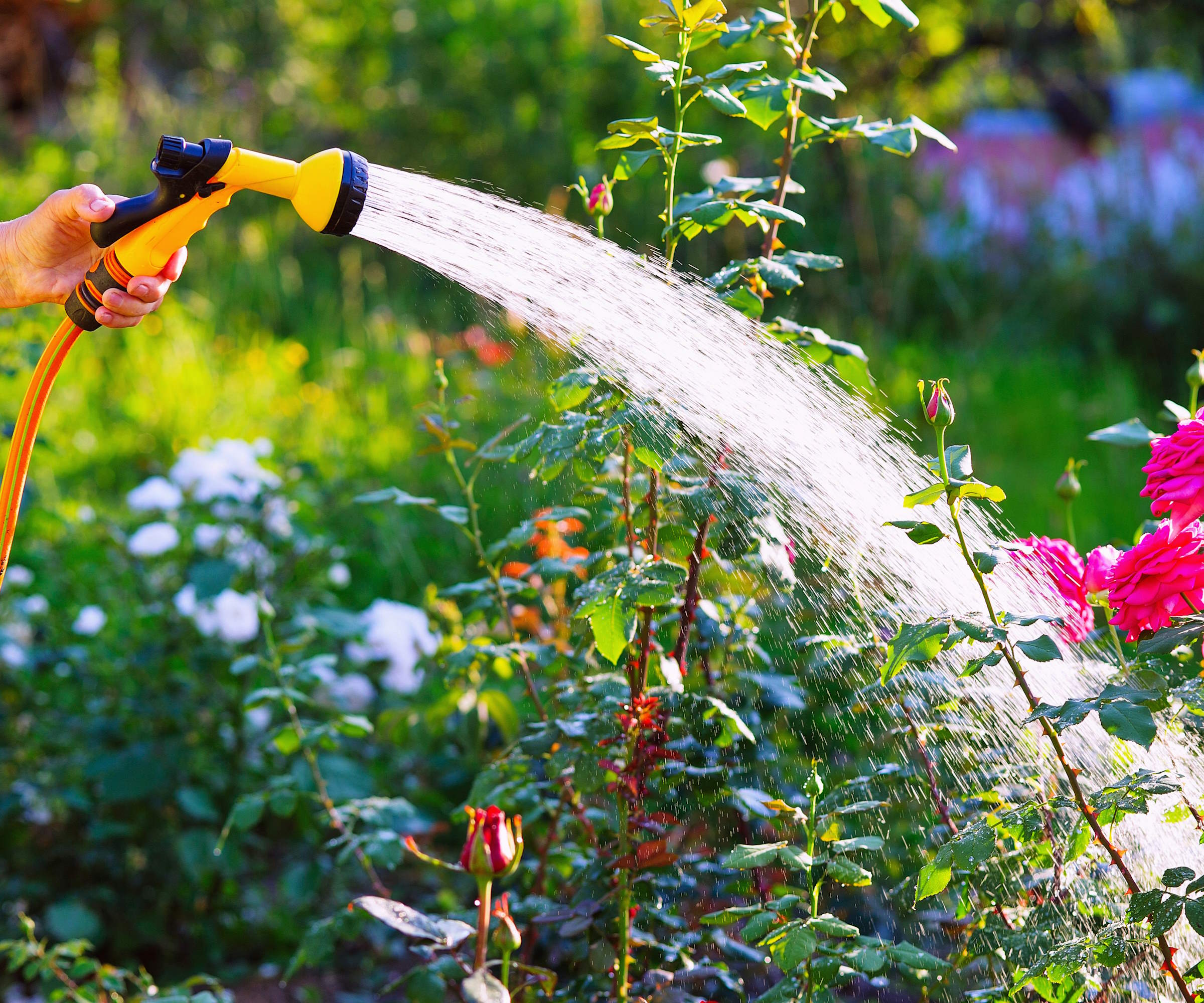
Container care is also crucial. 'Fresh soil, consistent watering and deadheading are essential if you want them to stay full and flowering through summer,' says Caroline.
For those with limited time, the goal isn't perfection; it's a garden that feels alive and inviting in time for summer. Edited, layered and styled with intent over a single month, it won't just look fuller by June, it will feel far more settled and inviting within a matter of weeks.
If you love inspiring garden ideas, outdoor advice, and the latest news, sign up for our newsletter and get the latest features delivered straight to your inbox.