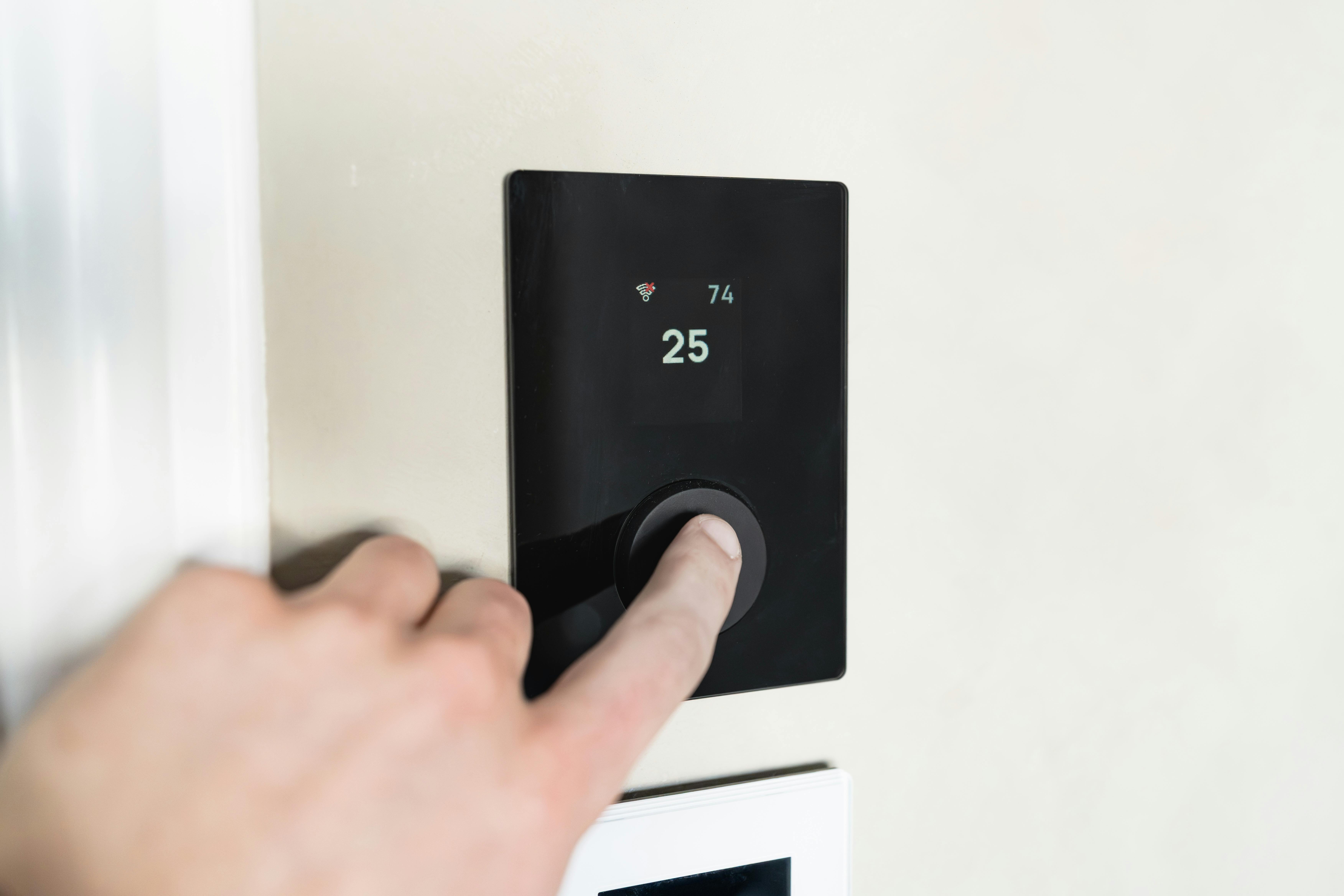
Heating used to be simple. You picked a boiler or furnace, set the thermostat, and hoped the bills stayed reasonable. Today, energy-efficiency goals are reshaping that decision from the ground up.
Homeowners are no longer asking only, “Will it keep us warm?” They are asking how much energy it uses, how futureproof it is, and whether it aligns with long-term carbon targets.
Energy Efficiency Goals Matter More Than Ever
Governments and industry bodies are tightening building standards at a rapid pace. Efficiency improvements in buildings are central to cutting global energy demand and emissions.
For homeowners, energy-efficiency targets show up in new building codes, stricter retrofit requirements, and rising expectations from buyers. Higher standards often translate into lower utility bills and better comfort, which makes heating choices far more strategic than before.
Buildings account for a significant share of global emissions, with residential properties playing a major role. For anyone planning a renovation or self-build, heating is one of the biggest levers for change.
The Shift From Output to Efficiency
Traditional heating systems were sized for peak output. Bigger often felt safer. Modern efficiency goals flip that thinking toward steady, low-energy performance.
Instead of blasting high heat into a space, many homeowners now favour systems that distribute warmth evenly at lower temperatures. Lower flow temperatures improve system efficiency, especially when paired with renewable electricity or high-performance insulation.
Building code updates reinforce that direction. Recent code improvements can deliver measurable household energy savings over time. For a homeowner, that can mean predictable monthly costs rather than winter bill shocks.
Heat Distribution Is Evolving
Heating decisions are no longer just about the heat source. Distribution matters just as much.
Radiators and forced-air systems create hot and cold spots, which often leads to thermostat battles.
Energy-conscious homeowners are exploring solutions that provide consistent surface warmth. A high-performance radiant heating system for home installation is gaining attention for that reason.
For instance, the Warmboard Comfort System combines convenience, performance and technology to create a radiant heating system that is unlike anything else in the industry.
Comfort, Carbon, and Long-Term Value
Energy efficiency goals are not only about compliance. Comfort and resale value are becoming part of the conversation.
Prospective buyers increasingly look for homes with low running costs and future-ready systems. There is an urgent need for decarbonising residential buildings, which influences lending standards, insurance considerations, and renovation incentives.
For homeowners, the implications are practical:
- Lower energy bills over the life of the system
- Reduced exposure to fossil-fuel price volatility
- Improved thermal comfort throughout the home
Each of those points connects directly to daily living. A more stable indoor temperature means fewer draughts and less thermostat fiddling. Predictable bills reduce stress during colder months.
Designing for Net-Zero Ready Homes
Net-zero design once sounded niche. Now it shapes mainstream residential planning.
Heating systems must integrate with airtight construction, high-performance glazing, and renewable power sources. Oversized boilers clash with that approach, while low-temperature radiant systems fit naturally into tightly built envelopes.
Manufacturers are now starting to focus on conductive panel technology that accelerates heat transfer across the floor surface. Faster response times allow lower operating temperatures, which aligns with efficiency goals without sacrificing comfort.
Futureproofing also matters. As grids decarbonise and electrification expands, systems designed around lower energy demand will adapt more easily than legacy high-temperature setups.
Smarter Heating Decisions in an Energy-Efficiency Era
Energy efficiency goals are reshaping how homeowners think about every component of a build or renovation. Heating sits at the centre of those choices.
Careful system selection today can protect comfort, reduce long-term costs, and support wider decarbonisation targets. If you are planning a project, explore how solutions could integrate with your energy efficiency goals.
Has this article been helpful? If so, take a look at our other relevant content.