

Dogs are more than just loyal companions. They have an extraordinary ability to detect changes in human health that often go unnoticed. From alerting owners to low blood sugar to sensing seizures and even certain cancers, dogs have proven to be life-saving allies. Their acute sense of smell, combined with their sensitivity to human behavior, allows them to pick up on subtle cues that can make a critical difference in a person’s life. Understanding how dogs detect health problems helps us appreciate their unique capabilities even more.
Dogs And Diabetes: Guardians Of Blood Sugar
One of the most remarkable abilities of dogs is to detect changes in blood sugar levels in diabetic individuals. These special dogs, often called diabetic alert dogs, are trained to recognize the scent of hypoglycemia. When blood sugar drops too low, the dog can alert the owner through a nudge, bark, or pawing. This early warning allows the person to take action, preventing dangerous complications. Many diabetic individuals describe their dogs as true lifesavers, offering both health protection and emotional support.
Seizure Alert Dogs: Predicting Epileptic Episodes
Seizures can strike suddenly and without warning, putting the individual at risk of injury. Seizure alert dogs are trained to recognize subtle behavioral or physiological changes that precede a seizure. These dogs often stay close to their owners, provide physical support during the episode, and even alert family members for help. Some dogs can even predict seizures minutes before they occur, giving their owners time to find a safe space. The bond between the dog and the owner grows even stronger as trust develops through this life-saving work.
Cancer Detection: The Nose Knows
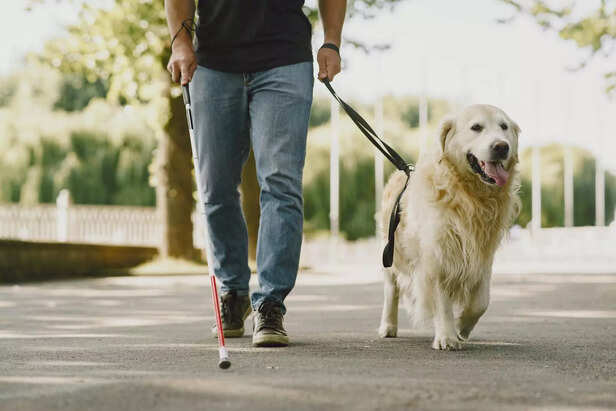
Scientific studies have shown that dogs can detect certain types of cancer through their extraordinary sense of smell. They can identify chemical compounds in a person’s breath, urine, or sweat that indicate the presence of tumors. Research has documented dogs detecting breast cancer, lung cancer, and even prostate cancer. Although these dogs are not a replacement for medical testing, their ability to alert owners to potential problems can prompt earlier medical intervention, sometimes saving lives. The emotional impact of a dog nudging its owner toward help is immeasurable.
Dogs are highly intuitive and sensitive to human emotions. They can sense anxiety, depression, and even post-traumatic stress disorder in their owners. Some service dogs are trained to recognize changes in behavior or body language that indicate an emotional episode and respond with comforting behaviors. This can include leaning against the person, licking their hands, or performing specific trained tasks to provide relief. Emotional support dogs improve mental well-being while also fostering a sense of security and companionship.
Detecting Infections And Illnesses
Beyond chronic conditions, dogs have demonstrated the ability to detect infections and illnesses such as urinary tract infections, low oxygen levels, and even COVID-19. Their ability to smell minute chemical changes in a person’s body gives them a unique advantage over conventional monitoring devices. Hospitals and research centers have begun exploring how trained dogs can assist in medical detection, highlighting the potential of canine-assisted diagnostics. Pet owners who notice their dogs reacting unusually to their own scent may actually be receiving an important health alert.
Some dogs have a natural ability to sense human health changes, while others are trained for specific tasks. Training involves positive reinforcement, scent recognition, and learning to alert owners appropriately. Trainers often work closely with medical professionals to ensure dogs can detect specific conditions accurately. Even untrained dogs often develop an instinctive understanding of their owner’s health over time. Many pet parents report that their dog seems to “know” when something is wrong, offering comfort and attention without formal training.
Strengthening The Bond Through Health Awareness

A dog’s role in detecting health problems strengthens the human-animal bond. Owners develop a deep appreciation for their companion’s sensitivity and loyalty. This bond goes beyond practical health benefits, fostering emotional closeness, trust, and mutual care. Dogs respond to the attention and care they receive, creating a cycle of empathy and companionship. Many owners describe a profound sense of gratitude and awe for their dog’s instincts, feeling that their pet is a guardian angel in their everyday life.
The Science Behind The Scent
A dog’s sense of smell is tens of thousands of times more sensitive than a human’s. Their olfactory system can detect volatile organic compounds that humans cannot perceive. In many cases, these compounds indicate changes in hormones, blood chemistry, or metabolic activity related to disease. Researchers are still uncovering the full potential of canine scent detection, but it is clear that their abilities are remarkable. Combining science with the natural intuition of dogs creates an incredible opportunity for early detection and preventive care.
Across the world, countless stories showcase dogs saving lives through their health detection abilities. From alerting owners to an oncoming seizure to detecting cancer in its early stages, these stories inspire both awe and admiration. Families often share heartfelt experiences of dogs refusing to leave their side, persistently nudging them, or even barking for help at the right moment. These stories not only highlight the capabilities of dogs but also reinforce the emotional bond between humans and their pets.
Caring For Your Health-Sensing Dog
Dogs who monitor human health also require special care. Regular veterinary check-ups, proper nutrition, and mental stimulation are essential for maintaining their focus and well-being. Owners should provide stress-free environments and acknowledge the dog’s contribution to daily life. Positive reinforcement strengthens the dog’s training and relationship with the owner. By caring for the dog, owners ensure that their health guardian remains healthy, happy, and alert.
Dogs are extraordinary animals with the power to detect human health problems. Their loyalty, intuition, and sensitivity make them invaluable companions for individuals facing medical challenges. Whether alerting to low blood sugar, seizures, cancer, or emotional distress, dogs improve lives in ways that go beyond affection. Recognizing and nurturing these abilities fosters a bond of trust, love, and mutual care. Every wag, nudge, and attentive look is a reminder that dogs are not just pets, but vital partners in our health and well-being.
Celebrate the bond with your pets, explore Health & Nutrition, discover Breeds, master Training Tips, Behavior Decoder, and set out on exciting Travel Tails with Times Pets!