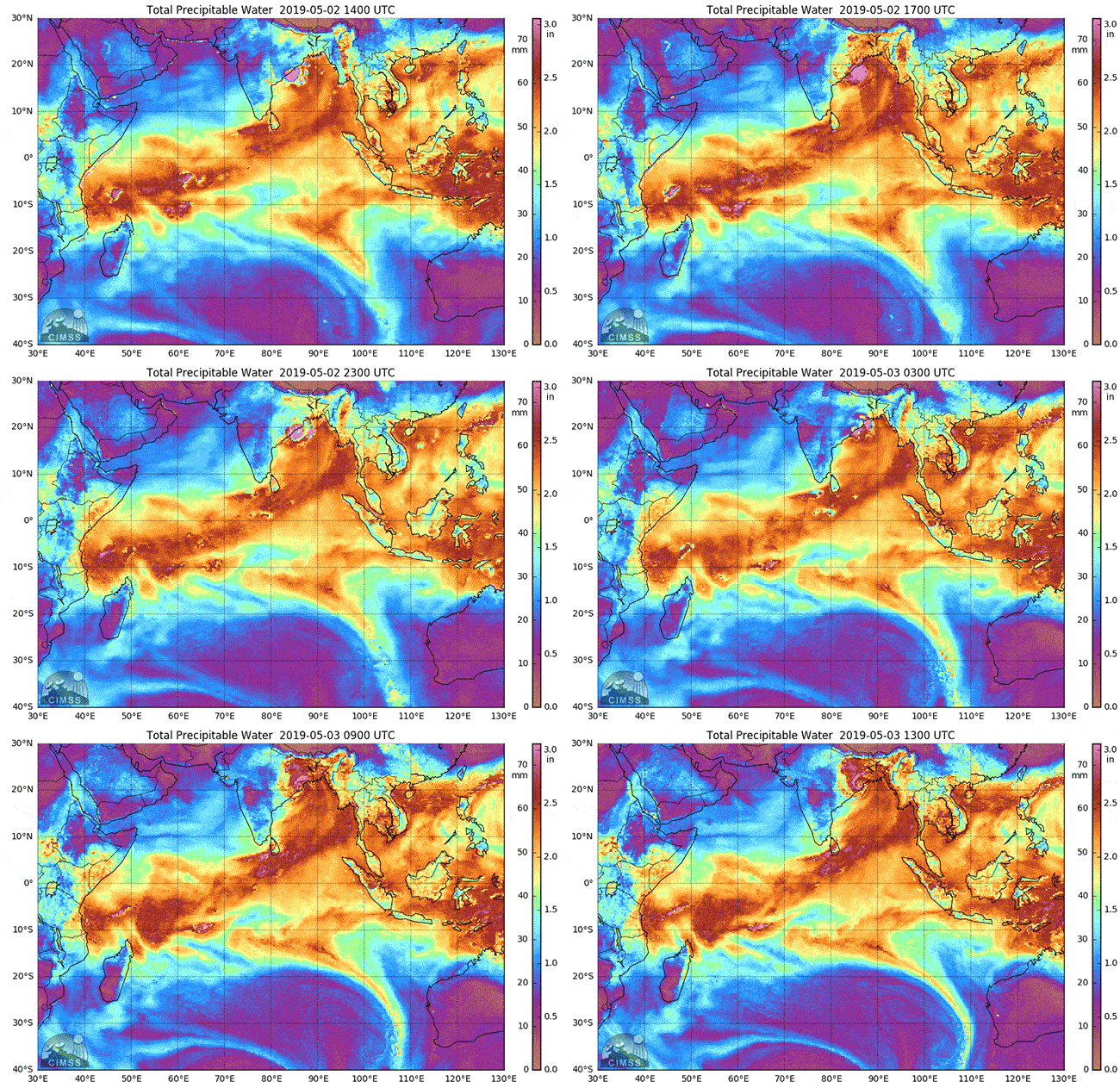
Cyclone Fani barreled ashore in India as a Category 4 storm early Friday, bringing extreme winds and storm surge flooding to the city of Puri and points to the north and east, but a threat looms for a more far-flung location: the Himalayas.
The big picture: This is climbing season on Mt. Everest and other peaks nearby, as dozens of elite — and some not-so-elite — climbers attempt to summit the tallest mountains in the world. Although Fani is tracking toward the northeast, along India's coast toward Kolkata and Bangladesh, the storm is also pushing a surge of moisture-laden air from near the equator toward the Himalayas. This could result in heavy snows that may endanger climbers.
The context: Tropical cyclones have led to disaster in the Himalayas before. In 2014, Tropical Cyclone Hudhud, which also made landfall in eastern India but took a different, more inland track, helped spawn a blizzard in northern India and Nepal.
- The storm caught climbers on the Annapurna circuit, a popular hiking route separate from the Everest trek, off guard, and killed more than two dozen in the country's worst climbing disaster.
How it works: By pointing a firehose of moisture at the world's tallest peaks, cyclones like Fani can help spawn seemingly incongruous weather disasters, in the form of blizzards that dump feet of snow in a short period of time.
- This happens because the flow of moisture from the south collides with the east-to-west facing mountain range, forcing the air to rise, cool and condense into clouds and precipitation.
- This process is known as orographic lift, and it's amplified to a great extent by the mountain range's extraordinary height — with multiple peaks exceeding 20,000 feet above sea level.
- The snow from Hudhud measured upwards of six feet.
- According to the New York Times, Nepal has banned helicopters from flying in high mountain areas through the weekend and issued a warning to mountaineers on the mountain regarding the deteriorating weather.
But, but, but: Far more people are in harm's way closer to the storm center, of course, with the sprawling, low-lying city of Kolkata lying just to the east of the weakening storm's path.
- The main dangers there will be gusty winds, heavy rains and a storm surge that could compound the city's drainage problems. Storm surge flooding could also occur in neighboring Bangladesh, one of the countries most at risk from climate change-related sea level rise with millions residing near sea level.
- Northeastern India has seen some of the deadliest cyclones in the world. The worst-ever in the state of Odisha was an unnamed cyclone that struck in 1999, killing an estimated 10,000 people.
- So far, there have only been reports of a handful of deaths from Fani, which indicates that the Indian government's extensive preparations for the intense storm likely saved lives.
Go deeper:








.jpg?w=600)