Houston, Texas is entering what public health officials and climatologists predict will be another punishing summer — and the city's healthcare infrastructure is facing a heat-related illness burden that has grown by 329% in just six years. That figure, drawn from a landmark study by Harris County Public Health, is not a projection or a model estimate. It is the documented, real-world increase in heat-related emergency room visits between 2019 and 2023. As the 2026 summer season begins, there is every reason to believe the trend will continue upward.
The Houston Health Department (HHD) has launched its annual Summer Surveillance program, tracking heat-related illness (HRI) across Harris, Fort Bend, and Montgomery counties through an interactive dashboard that monitors daily temperature and health data. The dashboard is designed to identify vulnerable populations and formulate protective interventions — but surveillance is only as valuable as the policy response it triggers. And so far, Houston's policy response to the growing heat crisis has lagged dangerously behind the data.
A City Built for Heat It Can No Longer Handle
Houston sits in the Gulf Coast corridor — a climate zone characterized by extreme heat combined with crushing humidity that dramatically worsens physiological heat stress. The critical measure is not temperature alone, but the heat index, which accounts for the combination of ambient temperature and dew point. When the heat index exceeds 103°F, the human body's ability to cool itself through sweating is severely compromised, and core body temperature can begin to rise toward dangerous levels within minutes of outdoor exposure.
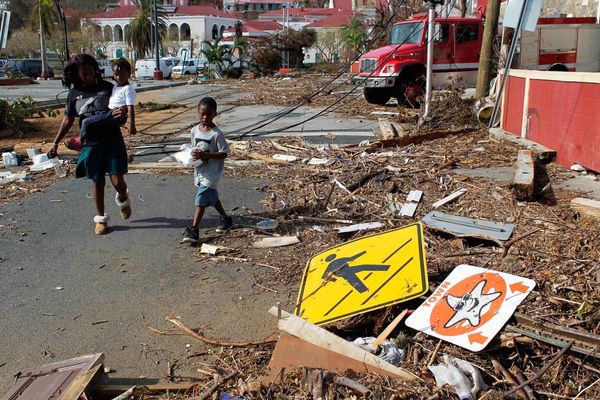
According to Harris County's Climate Impact Assessment, Houston is projected to experience more extreme heat days, hotter nights, longer summers, and higher peak temperatures in the coming decades. Four of the last five summers have ranked among the top 10 warmest on record in the Houston area. The 2024 summer was especially catastrophic: following Hurricane Beryl's landfall in July 2024, widespread power outages left hundreds of thousands of residents without air conditioning during a prolonged heat wave that saw the heat index reach 110°F on July 16. Heat-related illness in Harris County spiked dramatically in the week following the storm, as documented in the HHD's own surveillance data.
The Human Cost: Who Dies in Houston's Heat
Understanding who dies from heat in Houston requires confronting uncomfortable realities about poverty, infrastructure, and systemic neglect. The Harris County Public Health study found that heat-related illness disproportionately affects outdoor workers, children, older adults, and people experiencing homelessness. It also found significant disparities among low-income communities and communities of color — groups that are more likely to lack adequate air conditioning, to work in occupations with mandatory outdoor exposure, and to live in the urban heat island zones created by dense concrete, limited tree cover, and insufficient green space.
Specific cases drawn from Texas-wide investigations by the Texas Tribune illustrate the danger. In June 2023, a 68-year-old man was found dead in his Fort Worth home after the air conditioning failed; the interior temperature was 91°F. That same month, a 28-year-old man found in a parking lot had a core body temperature of 108°F; his muscles broke down, his brain swelled, and his liver began to fail. In August 2023, a 48-year-old woman was admitted to a suburban Houston hospital with a core body temperature of 108.1°F. These are not edge cases. They are representative of a pattern that repeats every summer across the region.
Critically, experts believe Texas is significantly undercounting heat-related deaths. Medical examiners often list the immediate cause of death — cardiac arrest, organ failure — rather than the underlying heat exposure. The CDC uses Maricopa County in Arizona as a national model for heat death investigation, but Texas counties vary enormously in their ability and willingness to attribute deaths to heat.
The West Nile and Cyclospora Warnings Signal a Broader Environmental Health Crisis
Heat is not the only seasonal threat bearing down on Houston and Texas this summer. The Texas Department of State Health Services (DSHS) has already confirmed the state's first West Nile virus case of 2026 in a Harris County resident, who was diagnosed with the neuroinvasive form of the disease — the most severe and potentially fatal presentation. Additionally, DSHS is actively preparing for Cyclospora season, which runs from May through August and is associated with imported fresh produce. These concurrent threats compound the strain on Houston's public health system during the very months when heat-related illness cases are at their peak.
Power Grid Vulnerability: A Catastrophe Waiting to Repeat
Perhaps the most alarming structural risk factor for Houston's 2026 heat season is the persistent vulnerability of its power grid. A 2024 study analyzing power outage data from 2014 to 2023 rated the counties encompassing Houston among those facing "extreme" risk from grid failures during heat events. The combination of tropical storm activity and subsequent heat waves — what climatologists are calling a compound hazard — is expected to become dramatically more frequent as ocean temperatures in the Gulf of Mexico continue to rise.
The irony is stark: Houston's response to extreme heat depends almost entirely on air conditioning, and air conditioning depends on an electrical grid that is highly vulnerable to precisely the weather events that make air conditioning most necessary. Without meaningful grid hardening and a robust emergency cooling center network with adequate capacity and transportation access, Houston's most vulnerable residents face life-threatening exposure every time a storm precedes a heat wave.
What Must Change Before Summer Peaks
Harris County Public Health and the Houston Health Department are tracking the data. What they — and city and county officials — now need to do is act on it aggressively. Cooling centers must be opened earlier, staffed longer, and made accessible to residents without transportation. Employers in construction, agriculture, landscaping, and other heat-exposed industries must face enforceable outdoor worker heat protection standards. And the city's long-delayed urban greening initiatives — tree canopy expansion, reflective roofing programs, and park improvements in underserved neighborhoods — need to be treated as the public health infrastructure they are, not as optional amenities.
The data has been there for years. The deaths have been piling up for years. Houston's 329% surge in heat-related ER visits is a public health emergency hiding behind a calendar — and the calendar says summer starts next month.
References
• ABC13 Houston – Harris County Public Health Study on Heat-Related ER Visits, Dec 2024
• Harris County Public Health – Extreme Heat and Health
• Houston Health Department – Summer Surveillance: Heat-Related Illness Dashboard
• Texas Tribune – Texas Likely Undercounting Heat-Related Deaths, Aug 2024
• Texas DSHS – News & Alerts: West Nile Virus, Cyclospora Season 2026
• Yale Climate Connections – The Emerging Danger of Post-Hurricane Heat Waves, April 2026
Related Articles on MedicalDaily.com
→ Heat Stroke vs. Heat Exhaustion: The Difference That Could Save Your Life This Summer
→ Power Outages and Heat Waves: A Deadly Combination Hitting Southern Cities Harder
→ Outdoor Worker Heat Protections: Why Texas Refuses to Mandate Breaks in the Sun
→ Urban Heat Islands: How City Planning Is Quietly Making Millions of Americans Sicker