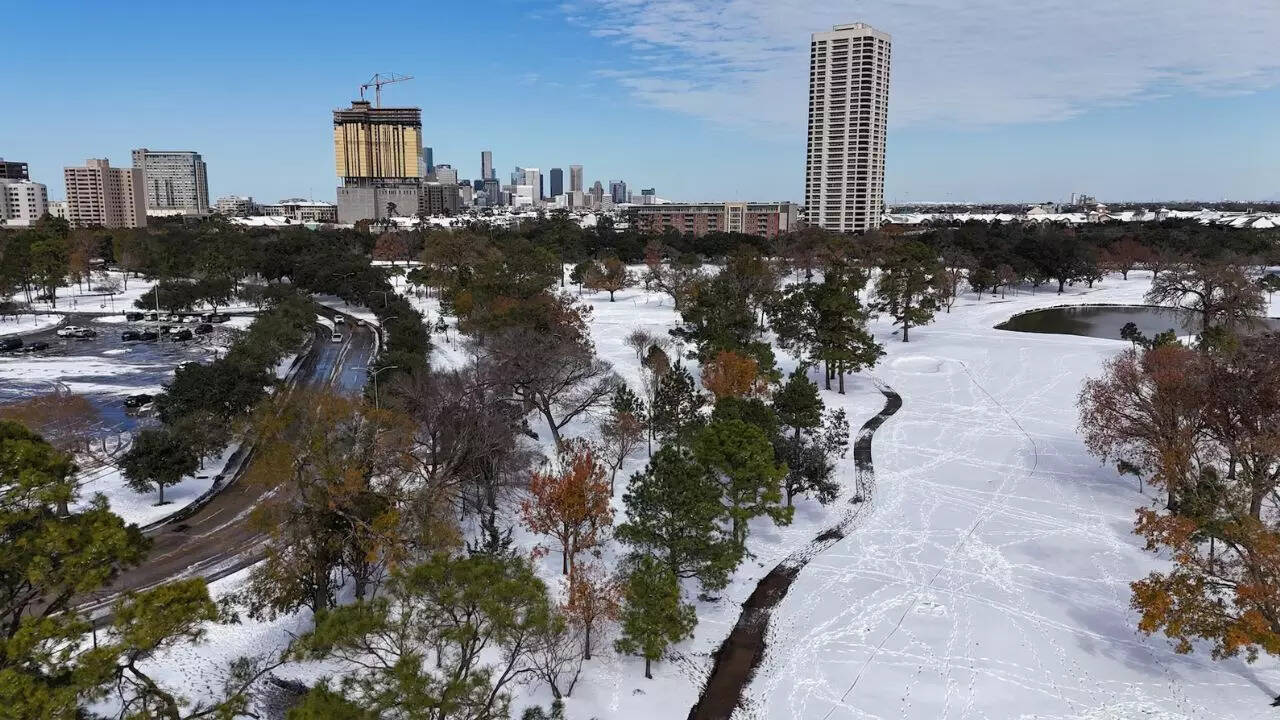
As a severe winter freeze grips the Houston region, anxiety is rising over its effect on power supplies, transport networks, and everyday routines. Prolonged cold is unusual for the city, and freezing temperatures place exceptional pressure on energy infrastructure, increasing the risk of widespread power outages. When electricity fails during extreme cold, the situation becomes more than an inconvenience, exposing households to serious health and safety dangers. Homes can lose heat rapidly, vulnerable residents face a higher risk of hypothermia, and basic necessities become harder to manage. In these conditions, being prepared is critical. Understanding what steps to take during a power cut, how to retain warmth safely and which actions to avoid can help residents protect themselves and their families until temperatures rise and normal services are restored.
Why winter power outages are especially dangerous in Houston
Houston is used to hot and humid rather than cold climatic conditions while building their homes. In the event that the power goes off during the freeze for Houston residents, the temperature falls dramatically in their homes, which can trigger hypothermia for the elderly, infants, and people suffering from preexisting health problems. The freezing of water supply lines, limited availability of emergency services, and the lack of access to hot meals and reliable communication make matters even worse for Houston residents during the freeze event.
Immediate steps to take when electricity goes out
The first few minutes after a power outage are crucial. It's good practice to unplug large appliances and sensitive electronics to avoid damage from surges when the electricity comes back on. Leaving one lamp on can serve as an indicator that the power is back. Meanwhile, food safety is of utmost concern: keeping refrigerator and freezer doors closed all the time helps preserve cold temperatures to delay spoilage.
Other priorities involve safe lighting. Use battery-powered torches, lanterns or headlamps-instead of candles, which create a serious fire hazard. If indoor temperatures start to drop rapidly and can't be kept safe, consider relocating to a warming centre or staying with friends or family members who still have power, especially for vulnerable individuals.
Keeping heat inside your home without electricity
Existing warmth must for this reason be conserved instead of seeking to acquire new warmth in cold conditions characterized by temperatures below the point of freezing. Sealing windows will also help in conserving heat since they are leading causes of loss of heat. This can be achieved by using plastics or even blankets on windows. Textiles such as towels as well as clothing will also help in sealing doors from unwanted drafts.
Simple actions like these can help in many ways. Seating ourselves in just one spot in the same room can help in retaining the temperature within our houses. Then again, at night, we should sleep in the warmest spot in bed, covered in bed sheets.
Importance of layering and body heat
Clothing is very important when trying to stay warm during a power outage. This is because wearing many layers helps to retain body heat. This works because many layers have warm air between them. Having many layers is way better than just having a thick garment to put on. Hats, socks, and gloves are very important because there is heat loss through these body components.
Another approach that can be adopted in this case is the use of blankets, quilts, or even sleeping bags that will act as an additional insulator. These can be used even when indoors in case heating facilities are unavailable.
Heating methods that can put lives at risk
In extreme cold conditions, it may be tempting to utilize any source of heat that might be made available, however, certain types are extremely hazardous to health. "Gas cookers, outdoor stoves, or barbecues should never be brought into buildings as they give off carbon monoxide, a colorless, odorless gas that can result in poisoning or death in as little as a few minutes," nor should "portable heaters or a fireplace be left unattended or used while you are sleeping as they can result in fires or give off toxic fumes.
Even the burning of non-fireplace materials, coupled with the burning of candles without proper supervision, increases the risk of house fire even more. Response time for emergencies during widespread power outages can be slow, forcing the need for the prevention of power-related issues.
Safe and responsible use of generators
Generators can also help deliver some power during an outage, provided they are used appropriately and placed outdoors away from any doors, windows, and vents to avoid any exhaust fumes entering the home. Generators should also be used outdoors and away from any doors, windows, and vents to avoid any exhaust fumes entering the home and should never be used inside the house, no matter how short the time is, as this can cause hazardous gas buildup.
Manufacturer safety guidelines must also be understood and implemented, as improper usage of generators is known to have contributed to many cases of injury and death within past winter storms.
Staying informed and knowing when to seek help
Accurate information is lifesaving during a freeze. This is because with a battery-powered radio and/or a fully charged mobile phone, people are kept abreast of weather updates and other weather-related announcements. Authorities provide information on people to be helped with special assistance, road updates, and information on warming centres.
Should the temperatures get too cold inside, or should a person in one of these families exhibit signs of hypothermia, which include uncontrollable shivering, confusion, or exhaustion, seeking immediate assistance is a priority, as cold-weather emergencies should not be tackled by oneself when there are other alternatives.
Preparing now for prolonged cold conditions
In Houston, there is another bout of extremely cold temperatures, and the best defense it seems that we can rely on, especially as a community, is preparedness and careful decision-making. While the cold temperatures may pass, it seems that there are long-term effects from the decisions that are made during that immediate period of time.