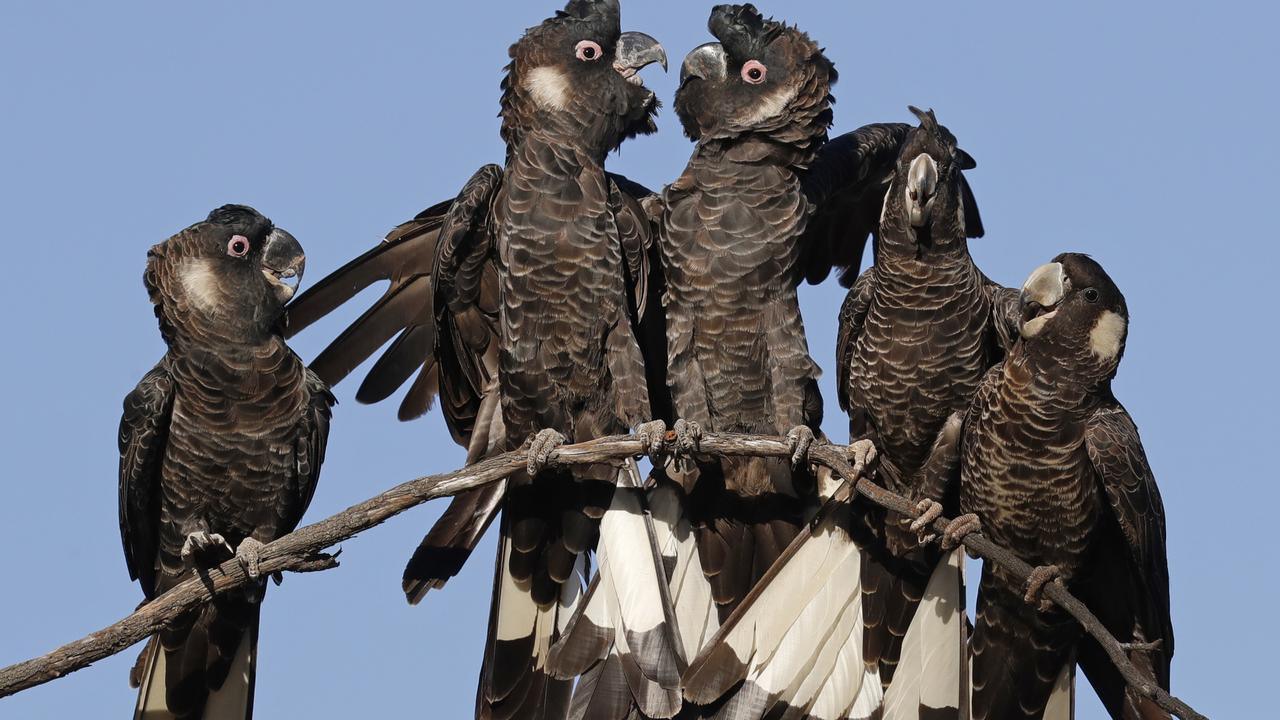
Hundreds of thousands of trees will be planted to restore critical habitat in a bid to save an endangered native cockatoo from extinction.
The massive conservation project will create a 10km-long bushland corridor for the Carnaby's Black Cockatoo in Western Australia's southwest.
The Carnaby population has plummeted in recent decades as the birds' habitat and woodland food sources have been cleared for farming and urban development.
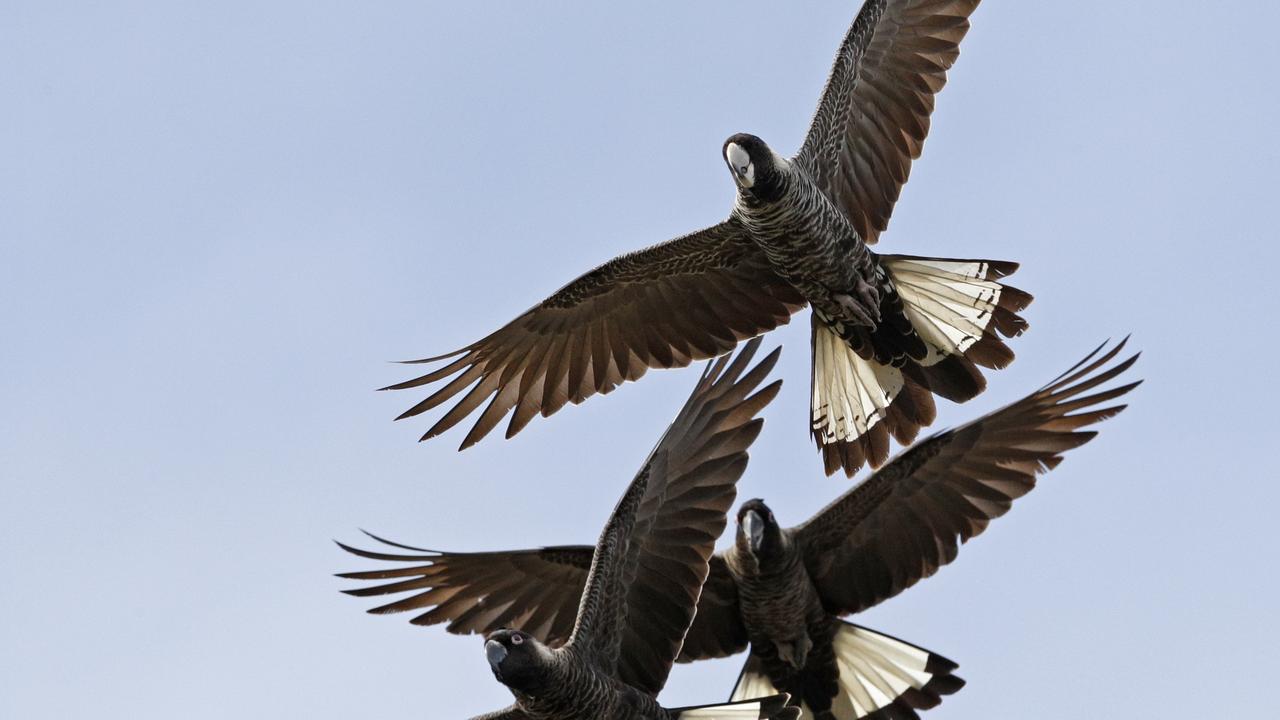
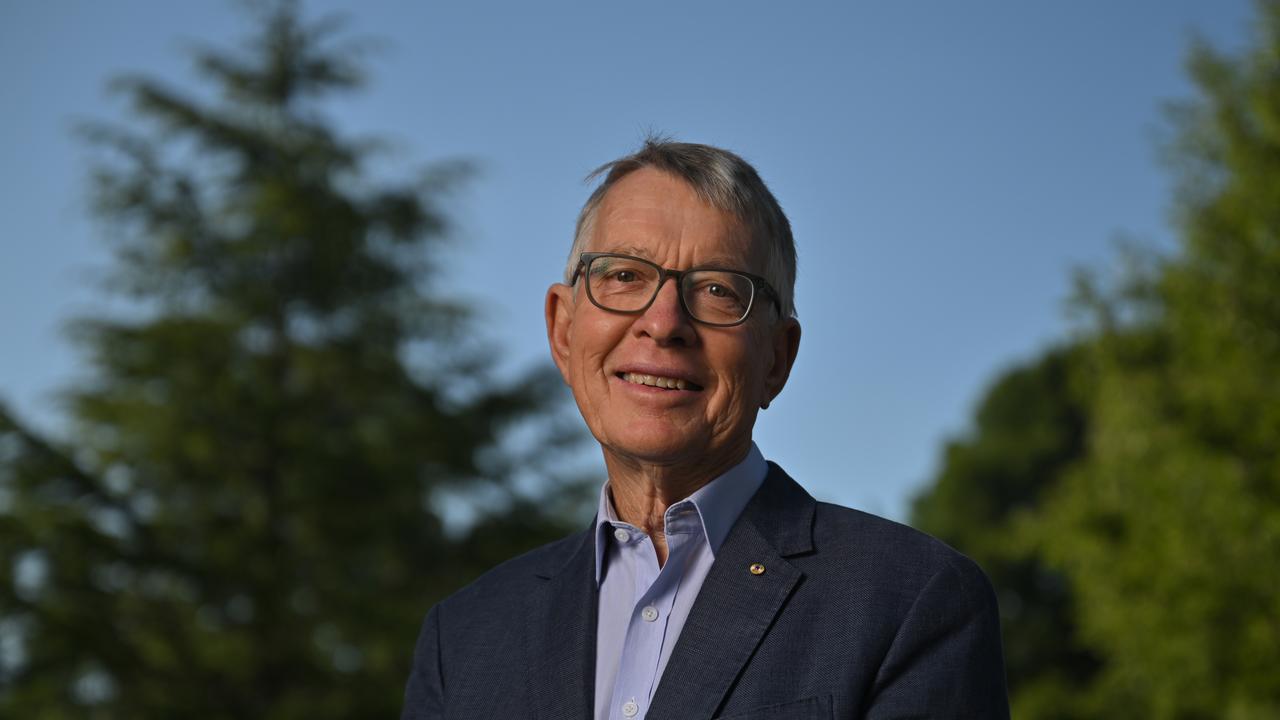
Without intervention the species, which is found nowhere else on earth, faces extinction, botanist Kingsley Dixon says.
"When I was a kid, every December before Christmas, the skies went black with wonderful flocks of the world's only migratory parrot, which is Carnaby's Black Cockatoo," Professor Dixon told AAP.
"Today, I look at those same skies now and they've dwindled to just a handful of individuals lost, bewildered, confused, starving and not breeding.
"It's been a catastrophic drop."
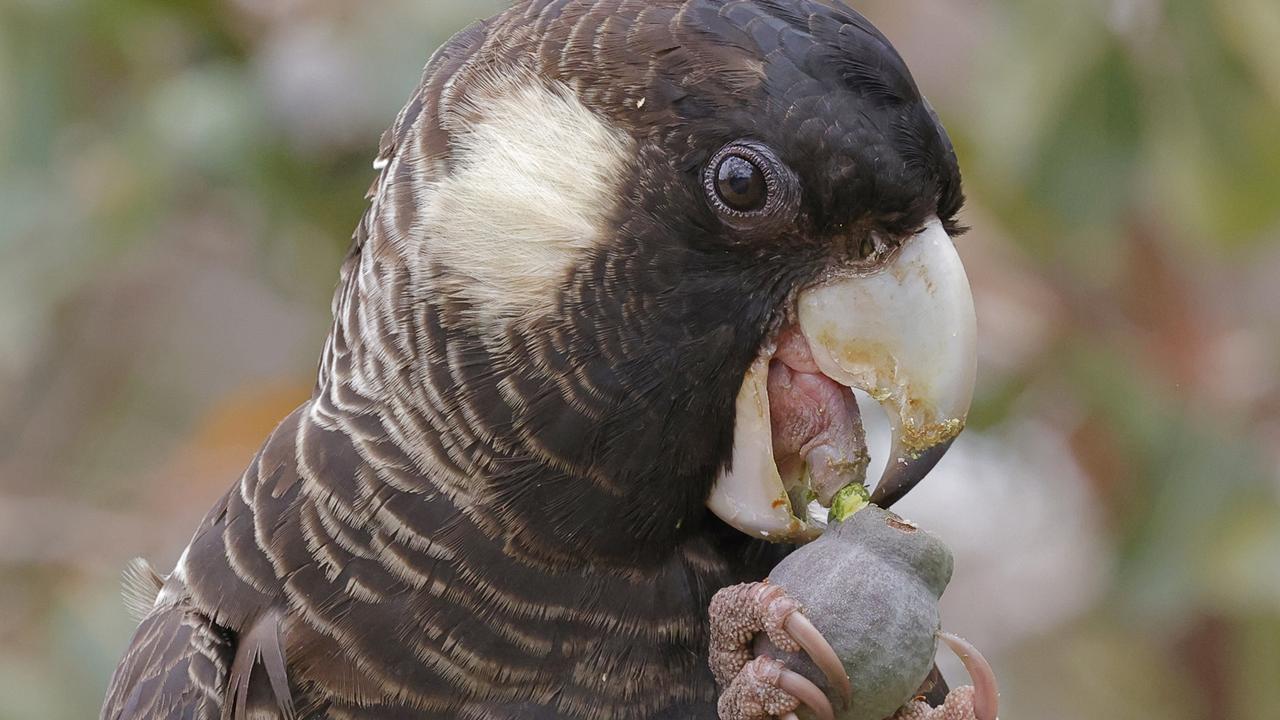
The Corridors for Carnaby's project will plant more than 200,000 Banksia trees near Mandurah, in Perth's south, to create a critical feeding habitat for the beloved bird.
With their nutritious seeds, Banksia trees are a lifeline for the cockatoos, flowering at key times of the year when the birds need energy to breed and raise their chicks.
Additionally, 50 artificial nests and 20 self-cleaning, solar-powered water stations will be installed across the corridor.
Nearby farms will also provide dedicated water stations for the birds to drink, with the tree planting expected to be complete by 2029.
Indigenous rangers will receive training in seed collection and environmental restoration, as part of the project.
At the same time, Corridors for Carnaby's will mobilise the community in a bid to turn private gardens into oases of food for the cockatoos.
Locals will be encouraged to plant 2000 fast-growing nut trees to sustain the birds while the native Banksia trees mature in the restoration corridors.
A dozen local schools will also help create pockets of bushland by planting more than 2000 trees over three years to create more food and nesting hollows.
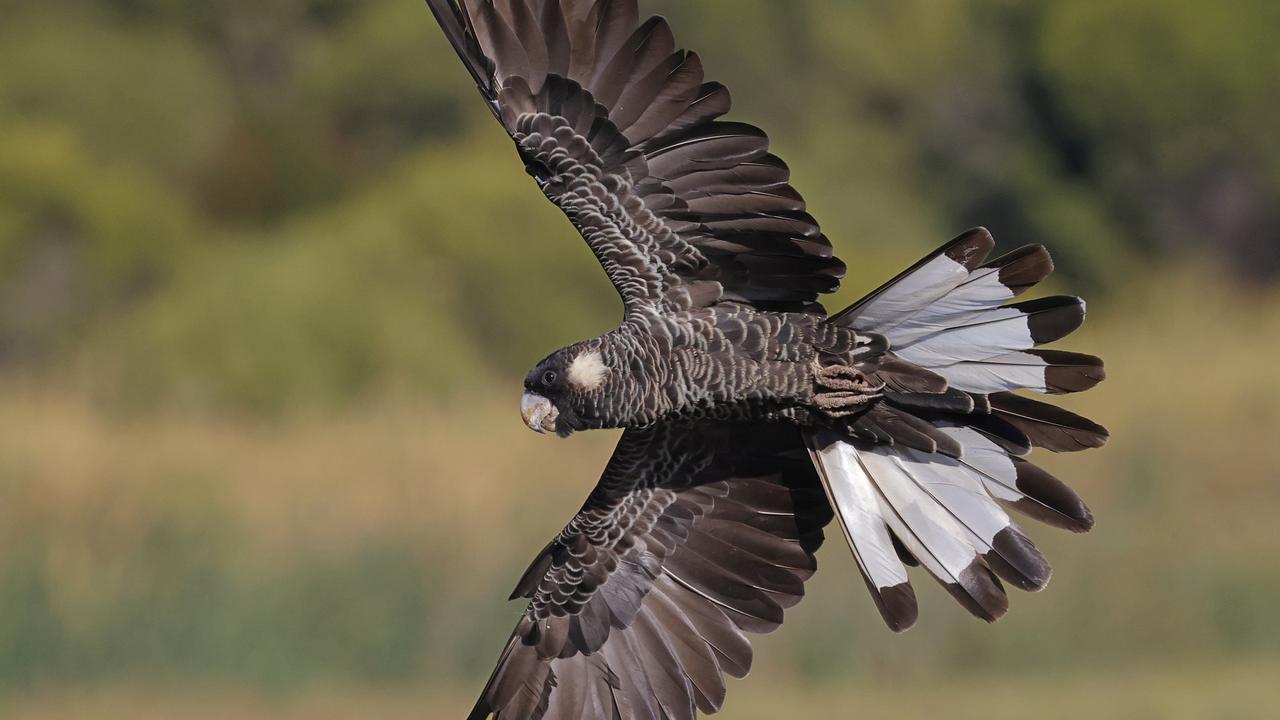
All told, about 1000 hectares of habitat will be restored as part of the three-year, $3.3 million project, which is a collaboration between Amazon's Right Now Climate Fund, the University of Western Australia and Winjan Aboriginal Corporation.
Amazon Web Services is further contributing to the project by developing Artificial Intelligence-enabled flock identification technology for Carnaby's Cockatoos.
An app is also being developed to enable West Australians to participate in flock identification and population censuses from their backyards.