As allergy season reaches its peak, many hay fever sufferers find themselves in a constant battle against pollen, with symptoms often persisting even within the supposed sanctuary of their own homes. Tree and grass pollen have a remarkable ability to infiltrate indoor spaces, turning what should be a refuge into another source of irritation.
To help combat this, Caroline Mills, head of brand at Safestyle, offers practical advice on how to effectively pollen-proof your living environment.
Strategic Window Management
While fresh air is essential for any home, knowing precisely when to open and close windows is crucial for maintaining indoor air quality. "We all want fresh air, but letting it in at the wrong time invites pesky pollen in too," warns Mills. She explains that pollen counts typically peak in the early morning and again in the early evening. "So, during these peak times, try to keep your windows closed. It can help keep pollen from drifting in," she advises.
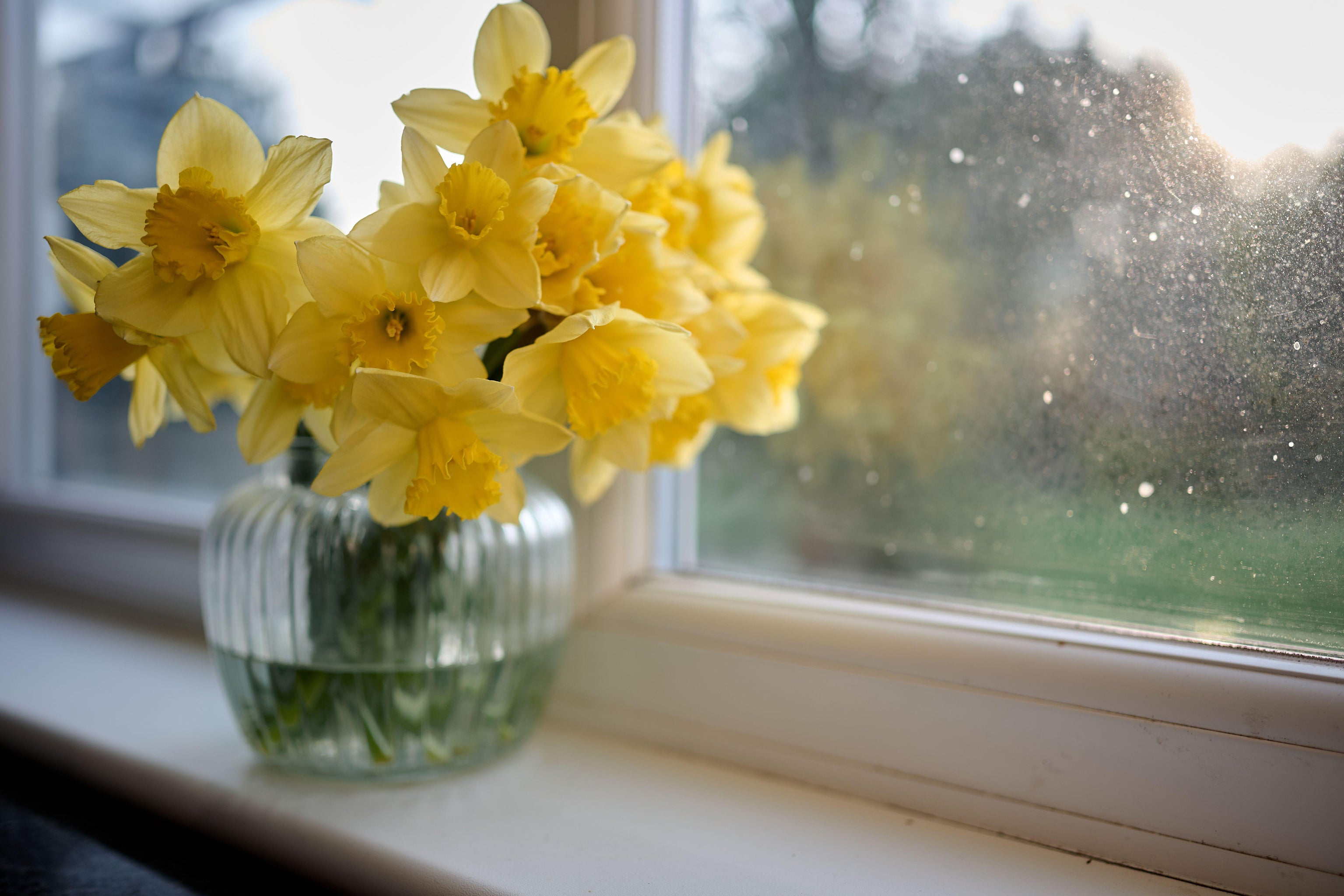
For necessary ventilation, such as preventing condensation, Mills suggests opening windows in the mid to late afternoon when pollen levels often dip. "Another great time to open a window is right after a heavy rain shower," she adds, noting that rain washes pollen from the air, making it safer to let a breeze in.
Dusting: Your First Line of Defence
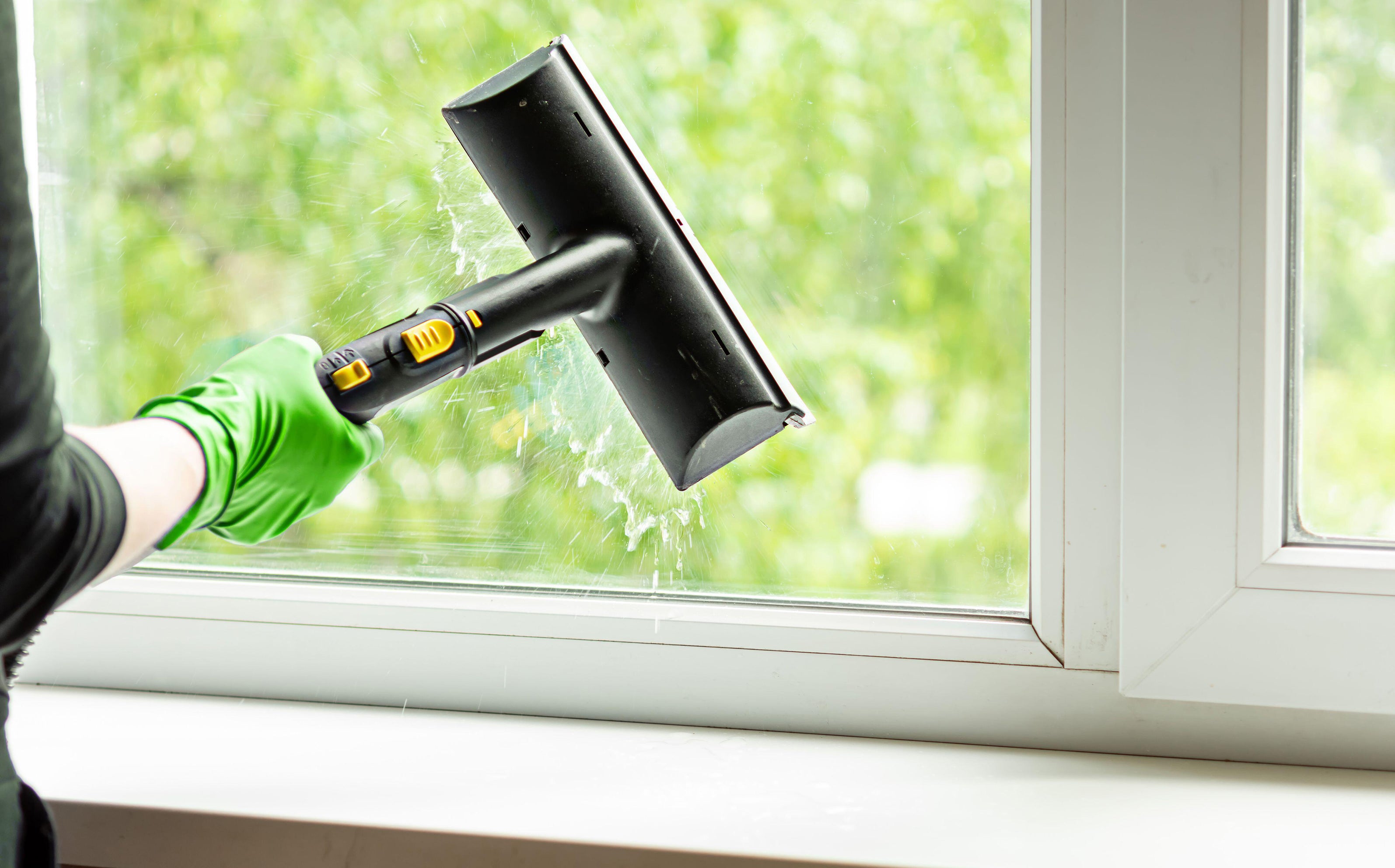
For seasoned hay fever sufferers, microfibre cloths are likely a familiar tool. "Dusting away the pollen is a key part of keeping sneezes away – but there is one place some forget," Mills highlights. While cleaning window glass is standard, she stresses the importance of frames. "Pollen, dust, and grime settle into the corners of your uPVC frames… and sit there until a breeze disturbs them."
Mills recommends taking a few minutes to open windows and wipe down internal frames, paying particular attention to tracks and mechanisms where dirt accumulates. "A simple wipe with a damp cloth gets the job done but if there’s stubborn build-up, use a vacuum with a nozzle attachment to suck it out before wiping." For an even more thorough clean, she suggests a steam cleaner: "The heat helps dissolve grease, dirt, and grime… and keeps bacteria away." Keeping these areas clean can prevent pollen from re-entering the room each time a window is opened.
Addressing Soft Furnishings
Unfortunately, soft furnishings like curtains, carpets, and upholstery act as magnets for dust, pet dander, and pollen. Mills explains: "The fabric fibres trap microscopic particles, holding onto them until you sit down – and sends them airborne again." She points out that while carpets are regularly vacuumed, curtains are often overlooked. "Every time you draw the curtains, you shake loose settled dust," she warns.
Fortunately, constant washing isn't necessary. Mills advises using the upholstery attachment on your vacuum cleaner. "Run it over the fabric from top to bottom, as it helps to remove the surface layer of dust and pollen without the hassle of a washing machine cycle." Doing this once a week during high-pollen season can help keep levels manageable.
Bedroom Sanctuary
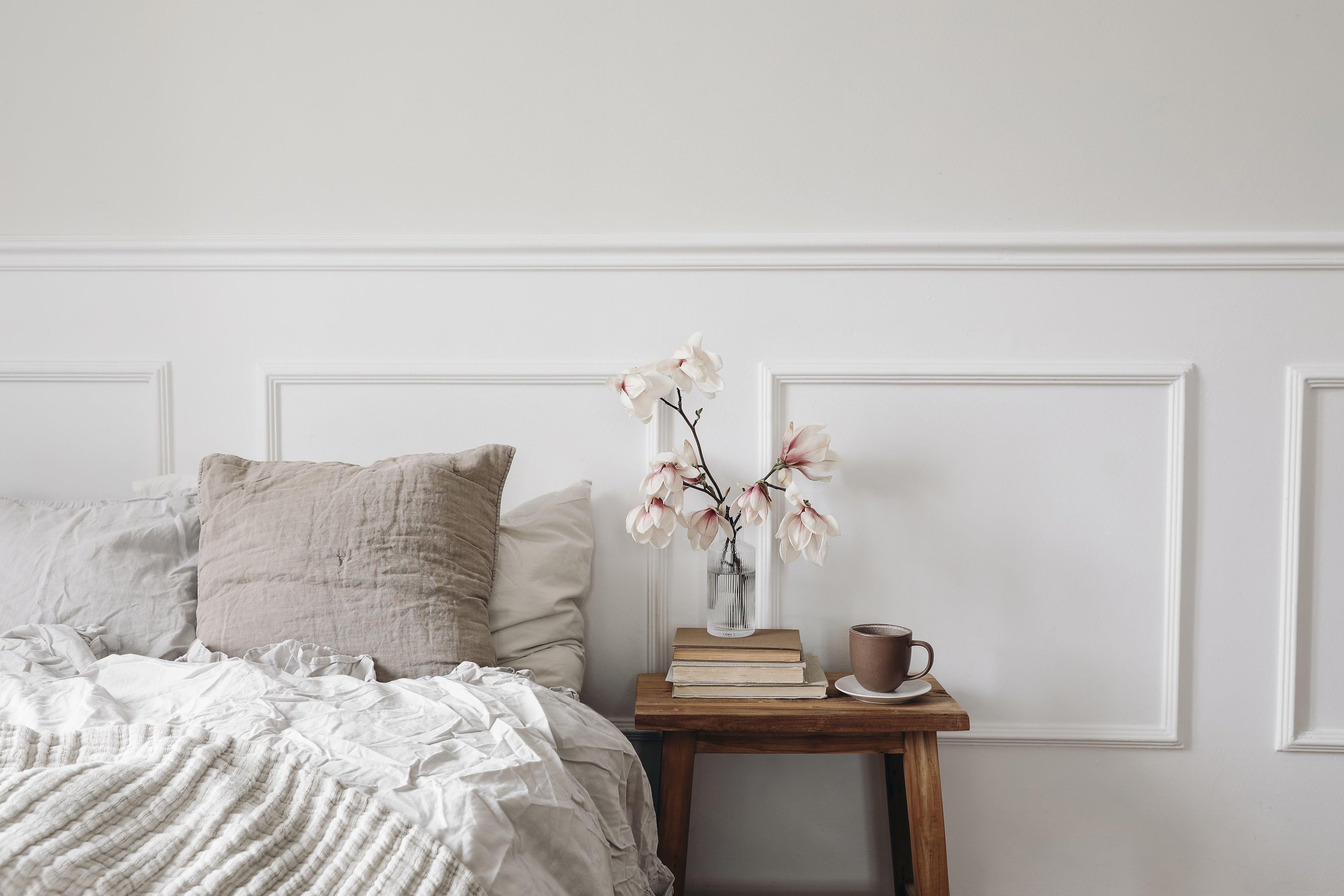
Bedrooms, intended as safe havens from allergens, can inadvertently become pollen hotspots. As Mills puts it: "We spend a third of our lives in bed, so make sure yours isn’t making you sneeze." Pollen adheres to hair and skin throughout the day, inevitably transferring to pillows and bedding at night.
Frequent washing of bedding, ideally once a week, is recommended. "A hot wash at 60C is best for killing dust mites, and removing sticky pollen residues." Crucially, Mills warns against drying sheets outdoors on high-pollen days, as "they act like a giant net for allergens." Instead, she suggests using an indoor clothes horse or a tumble dryer.
Managing Outdoor Contaminants
Sometimes, cleaning alone isn't enough, and creating pollen-proof barriers becomes essential, particularly for those in high-pollen areas. "When you come in from outside, you bring the season with you," Mills highlights. "Pollen clings to coats, shoes, and bags, so don’t walk these allergens through the home."
If a dedicated entryway isn't available, she suggests establishing a ‘drop zone’ near the front door for shoes and coats. "Taking shoes off immediately stops you from tracking pollen into carpets and rugs." Furthermore, after long walks or gardening, changing clothes immediately and putting them straight into the wash is advised.
Protecting Pets from Pollen
Pets, with their love for outdoor exploration, can inadvertently become carriers of pollen. While restricting them from certain rooms might be considered, if this isn't feasible, Mills suggests wiping their paws and brushing their fur in the designated ‘drop zone’.
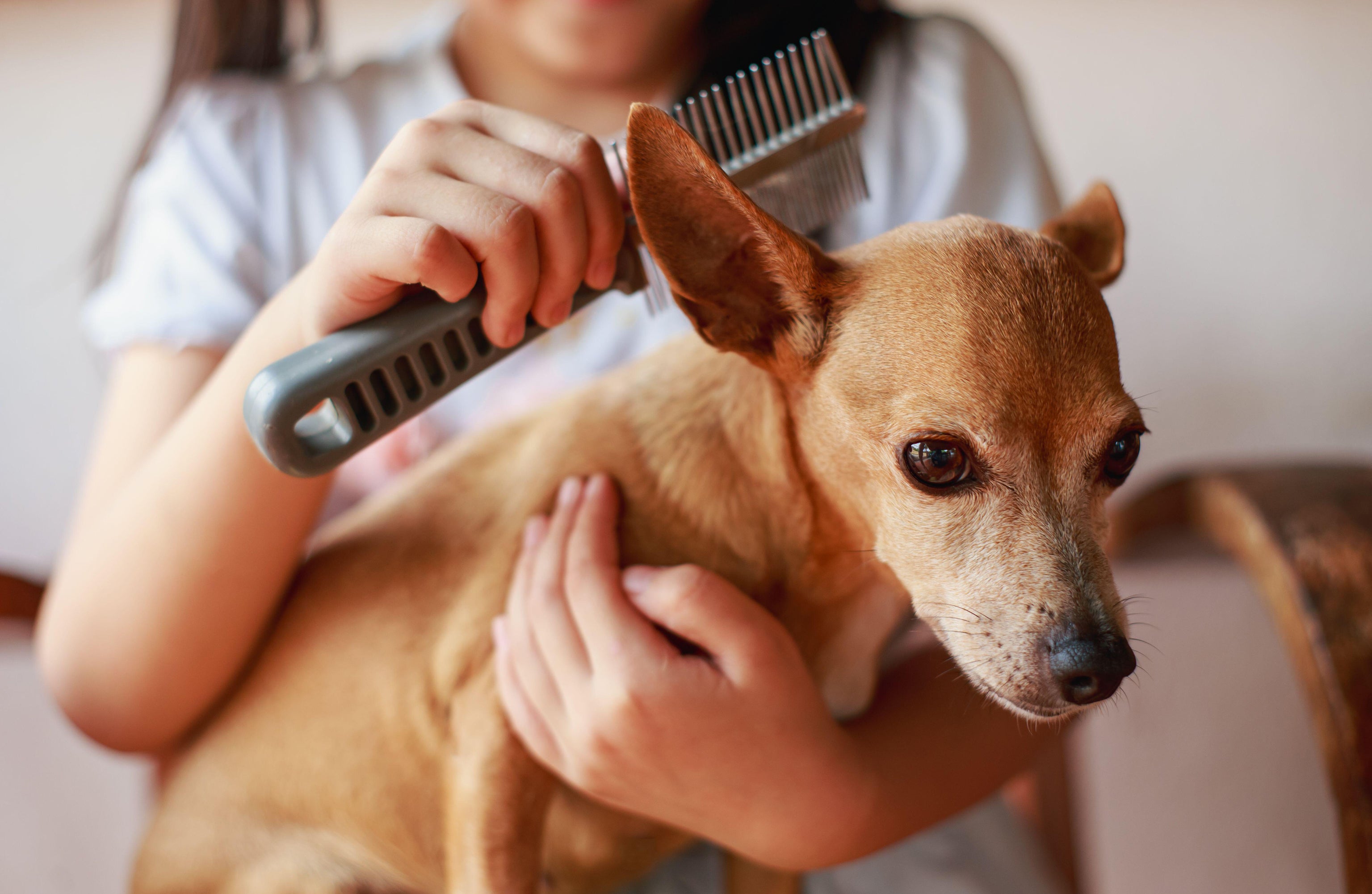
Ultimately, the goal is to prevent pollen from spreading further into the home and minimise triggers for hay fever symptoms. "Get these simple basics right, and you’ll be free to enjoy spring as it should be – fresh air, sunshine, and far less sneezing."
Allergy season is here. Here’s how to keep your symptoms at bay
‘I felt unsafe in my house and couldn’t leave’: The rise of housemate abuse
Woman in agony saved from paralysis by artificial intelligence physiotherapist
The hobby that can rewire your brain and help you build resilience
Jesy Nelson and the truth about bringing up a disabled child
New guidelines warn Americans need to take cholesterol levels seriously in their 30s