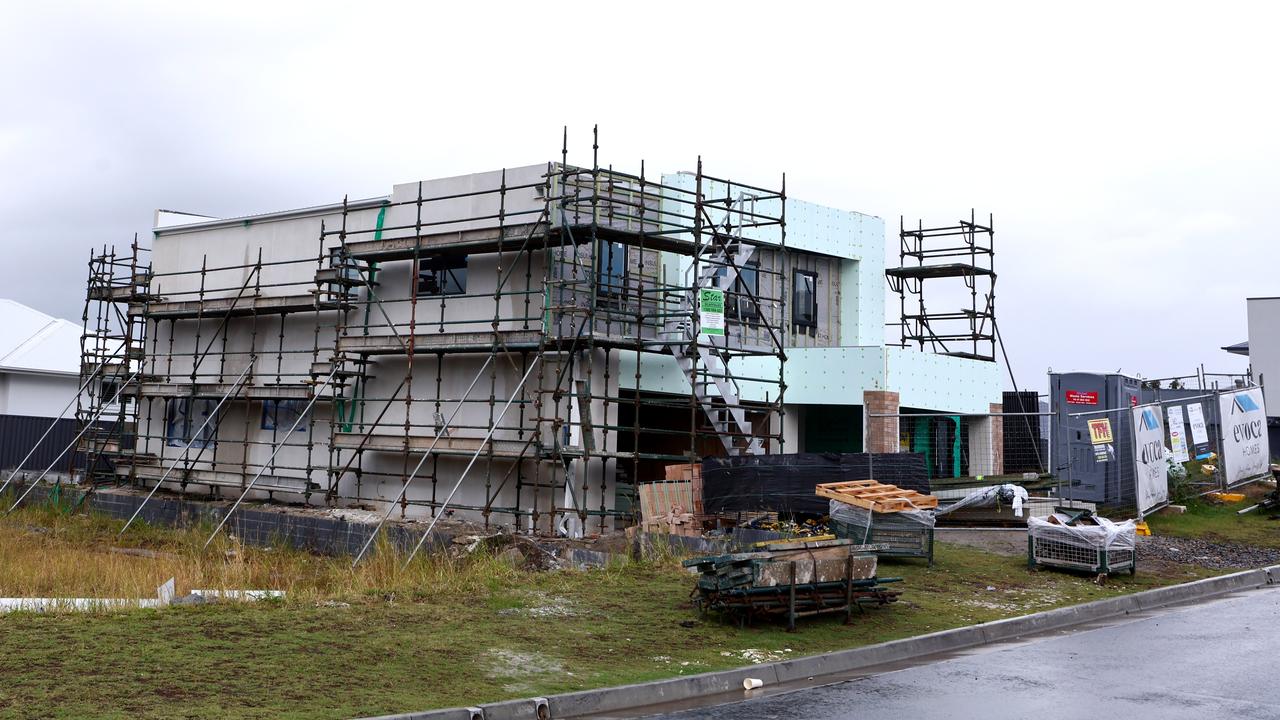
The Middle East conflict has fuelled a sharp acceleration in construction costs, but price growth remains relatively soft by historical standards.
Construction costs increased one per cent in the June quarter, according to data firm Cotality's latest Cordell construction cost index, released on Wednesday.
While steeper than the 0.2 per cent rise recorded in the March quarter, the annual growth rate of 2.8 per cent remained below the 2.9 per cent growth recorded in the March and June quarters of 2025, Cordell costings estimation manager John Bennett said.
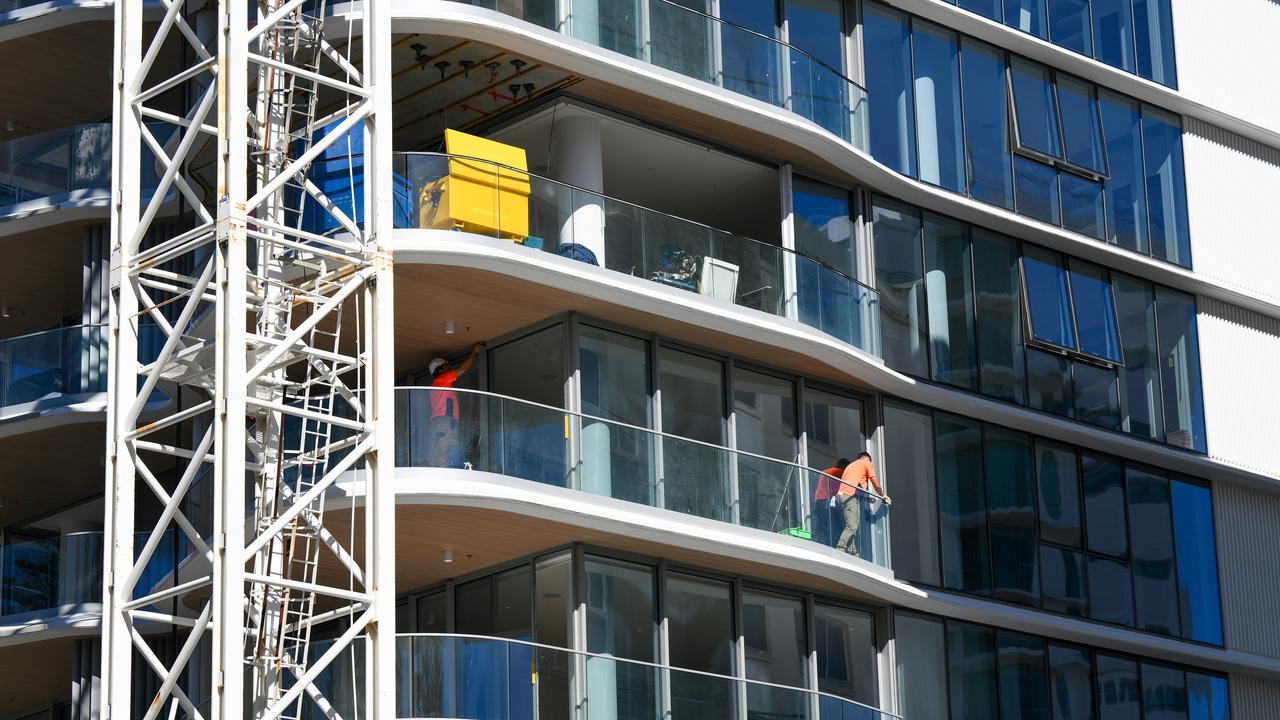
After the initial outbreak of fighting between the US and Iran at the end of February halted most shipping traffic through the Strait of Hormuz, analysts predicted huge increases in construction costs due to higher material and fuel prices.
In April, economists at Westpac warned the conflict could drive up the cost of building a new house by 10 per cent or about $50,000.
In the months since, oil prices have eased back below $US80 a barrel and fuel prices at the bowser returned to pre-war levels, aided by the government's temporary cut to the fuel excise.
"Despite considerable media attention surrounding construction inflation and forecasts of rising building material costs, these pressures are not yet being fully reflected in observed material pricing," Mr Bennett said.
"Instead, suppliers appear to be recovering costs through fuel levies, freight charges, logistics fees and other surcharges, rather than implementing widespread price hikes.
"Right now, it's a waiting game for suppliers, who are holding back on passing through the full force of cost increases until the global economy stabilises."
The re-escalation of fighting in the Strait of Hormuz in recent weeks has sent oil prices back above $US90 a barrel, reigniting concerns about construction cost growth.
Building materials were already 38.2 per cent more expensive than in 2019 and the Middle East conflict could add further cost pressures, Master Builders Australia chief executive Denita Wawn said.
"Higher oil prices are driving up the cost of fuel and key products such as PVC, plastics and cabling," she said.
"We urge the government to support local manufacturing by reducing input costs while maintaining access to high-quality, compliant building products and materials."

In a recent submission to a parliamentary inquiry into productivity, Master Builders called on the government to resist "self-interested" requests by Australian suppliers to impose tariffs on building materials imported from China.
The Anti-Dumping Commission has launched several investigations into allegations Chinese companies were dumping cheap glass windows, doors and other building materials in Australia, thereby undercutting domestic manufacturers.
"Imported building products and materials play a key role in optimising competitive conditions in the market," Master Builders said in its submission.
"It is crucial that imports which meet the appropriate standards of quality continue to be available to building and construction companies without restrictions."