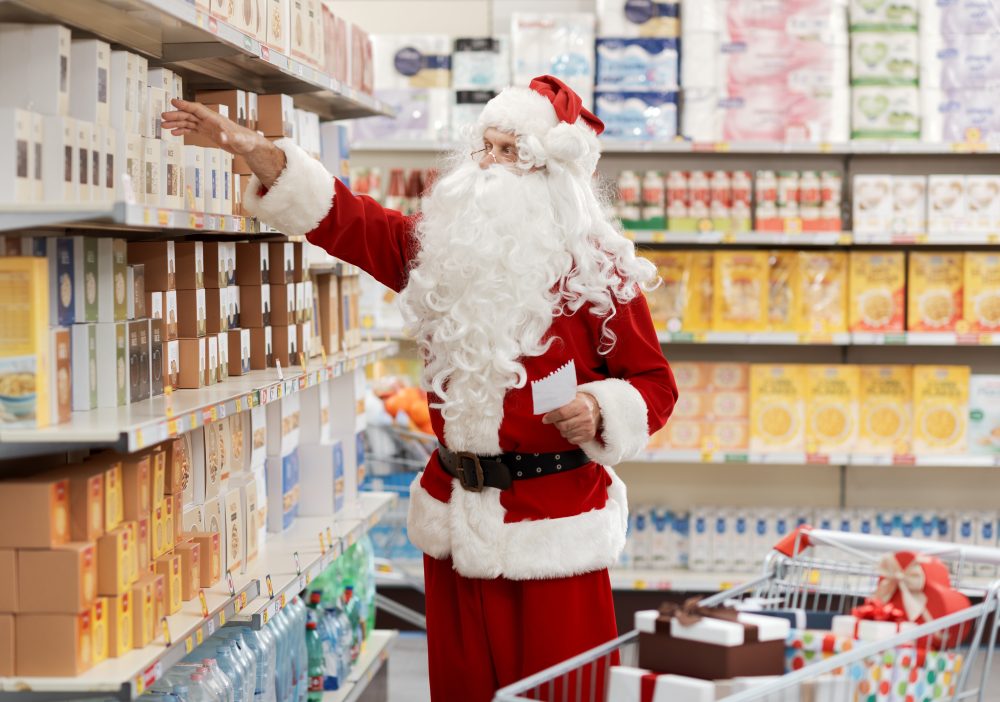
The holiday season is a dangerous time for a budget. Even shoppers who are disciplined for eleven months of the year tend to lose control in December. The combination of social pressure, nostalgia, and aggressive store marketing creates a perfect storm for overspending. Analyzing a typical holiday grocery receipt reveals distinct patterns of financial leakage that have nothing to do with inflation and everything to do with psychology.
The Fantasy Self
A huge portion of holiday overspending comes from buying for a “fantasy self.” This is the shopper who imagines they will bake three different types of cookies, host a spontaneous cocktail hour, and make a gingerbread house from scratch. They buy expensive ingredients like molasses, specialized sprinkles, and artisan mixers. In reality, time runs out, and these niche items sit in the pantry unopened for months. Buying for the realistic version of your holiday—the one where you are tired and busy—saves a fortune.
The Premium Brand Upgrade
During the holidays, shoppers subconsciously downgrade their price sensitivity. We convince ourselves that because it is Christmas, we should buy the premium butter, the fancy crackers, and the name-brand soda instead of the store brands we usually tolerate. This “treat mindset” causes the average cost per item in the cart to jump by 20% to 30%, adding up to a massive difference at the register for virtually the same quality food.
The Guest Inflation
Fear of running out of food drives hosts to wildly overbuy. If twelve people are coming for dinner, the anxious host buys enough meat and sides for twenty. We tend to overestimate how much people actually eat, leading to expensive waste. Most guests will eat one serving of meat and two sides. Calculating portions based on reality rather than fear prevents the purchase of that second ham or third bag of potatoes that ends up in the trash.
The Convenience Tax
As the holiday deadline approaches, panic sets in. Shoppers abandon raw ingredients for pre-cut vegetables, pre-made fruit platters, and bakery desserts. Stores charge a massive premium for this labor. A vegetable tray might cost $15, while the raw ingredients cost $4. This “convenience tax” is the price of poor planning.
The Impulse Aisle Gauntlet
Retailers design the holiday store layout to drain your wallet. The seasonal aisle is filled with high-margin items like festive paper plates, novelty napkins, and holiday-themed ziplock bags. These are functional items with a festive markup. Buying red paper plates costs twice as much as buying white ones. Avoiding the seasonal aisle entirely is the only way to escape this trap.
The Alcohol Add-On
Alcohol is often the silent budget killer. Shoppers toss a few bottles of wine or a festive six-pack into the cart without calculating the cost. During the holidays, we tend to reach for bottles that are $5 or $10 more expensive than our usual Tuesday night wine. This category alone can double the cost of a grocery trip.
Regaining Control
To stop the bleeding, you must stick to a list that reflects your actual plans, not your aspirations. By acknowledging these psychological triggers, you can walk past the premium displays and the novelty items. A successful holiday meal is about the company, not the brand of crackers on the table.
Do you find yourself buying things you don’t need during the holidays? What is the one “fantasy” item you buy every year and never use? Share your experience!
What to Read Next
Why Holiday Grocery Prices Keep Swinging Even After Inflation Cooled
Holiday Snack Trends That Influence Weekly Ad Prices
Why Retailers Are Leaning Heavily on Loyalty Apps This Holiday Season
Holiday Dessert Ingredients That Hit Their Lowest Prices Late December
Grocery Delivery Fees That Spike During the Holidays
The post Holiday Grocery Trips That Reveal How Much Shoppers Really Overspend appeared first on Grocery Coupon Guide.