
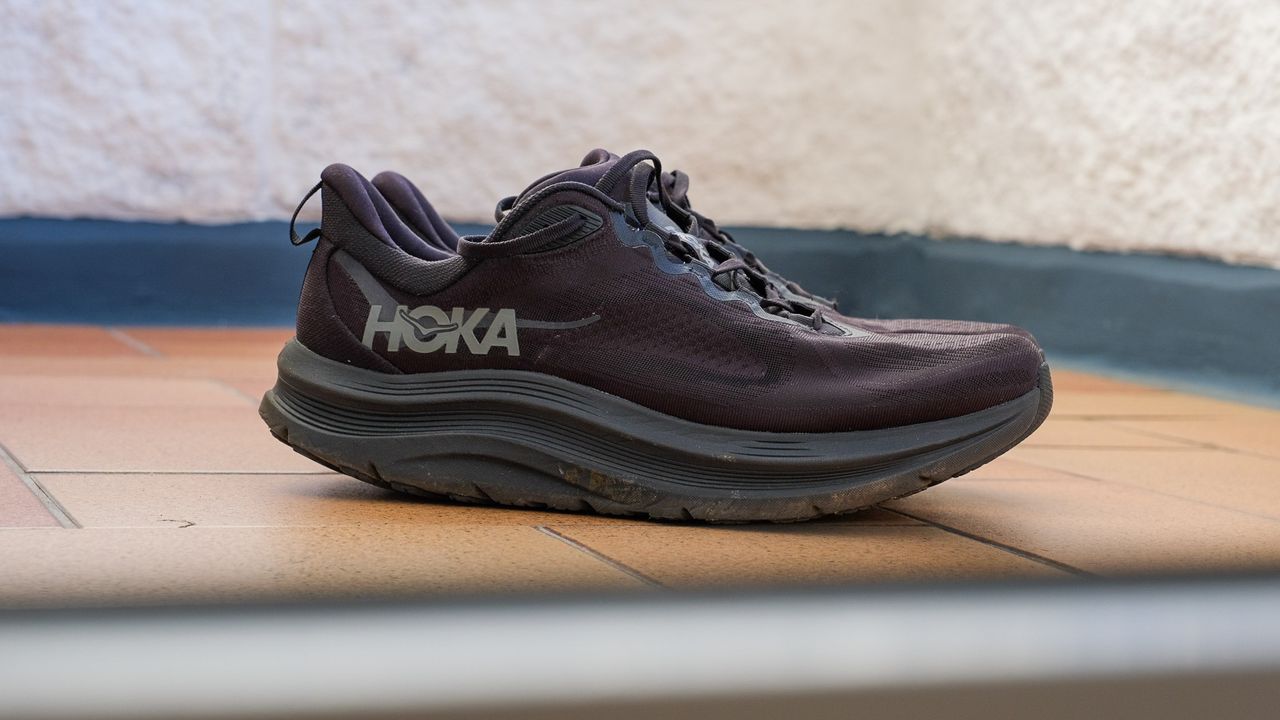
I’m going to assume you already know about Hoka’s more under-the-radar Kawana; otherwise, you probably wouldn’t be here. Launched in 2022, the original Kawana arrived with little fanfare and lived on the fringes of Hoka’s headline models like the Clifton, Bondi, Mach and Rincon.
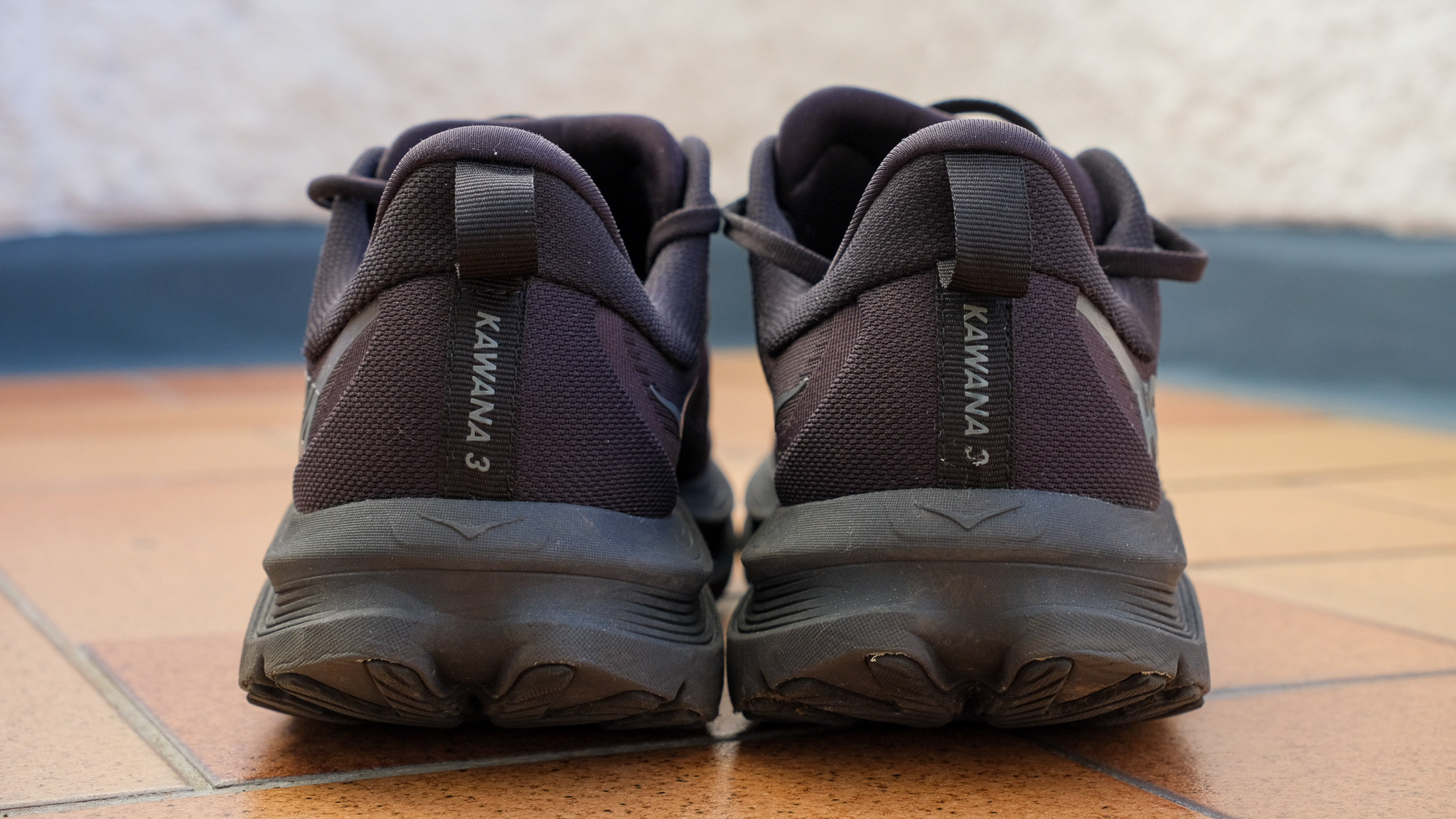
As such, I was surprised when the Kawana 3 landed on my doorstep in early December 2025, ahead of the January 2026 launch. The all-black trainers looked quintessentially Hoka with their streamlined heels and padded tongues, but I wasn’t entirely sure what to use them for.
After all, the Kawana is a classic jack-of-all-trades kind of shoe, recommended for walking, running, workouts and more. Luckily (for Hoka, not for me), my sciatica flared up in mid-December, forcing me to abandon running for a while and focus on walking and lower-intensity exercise.
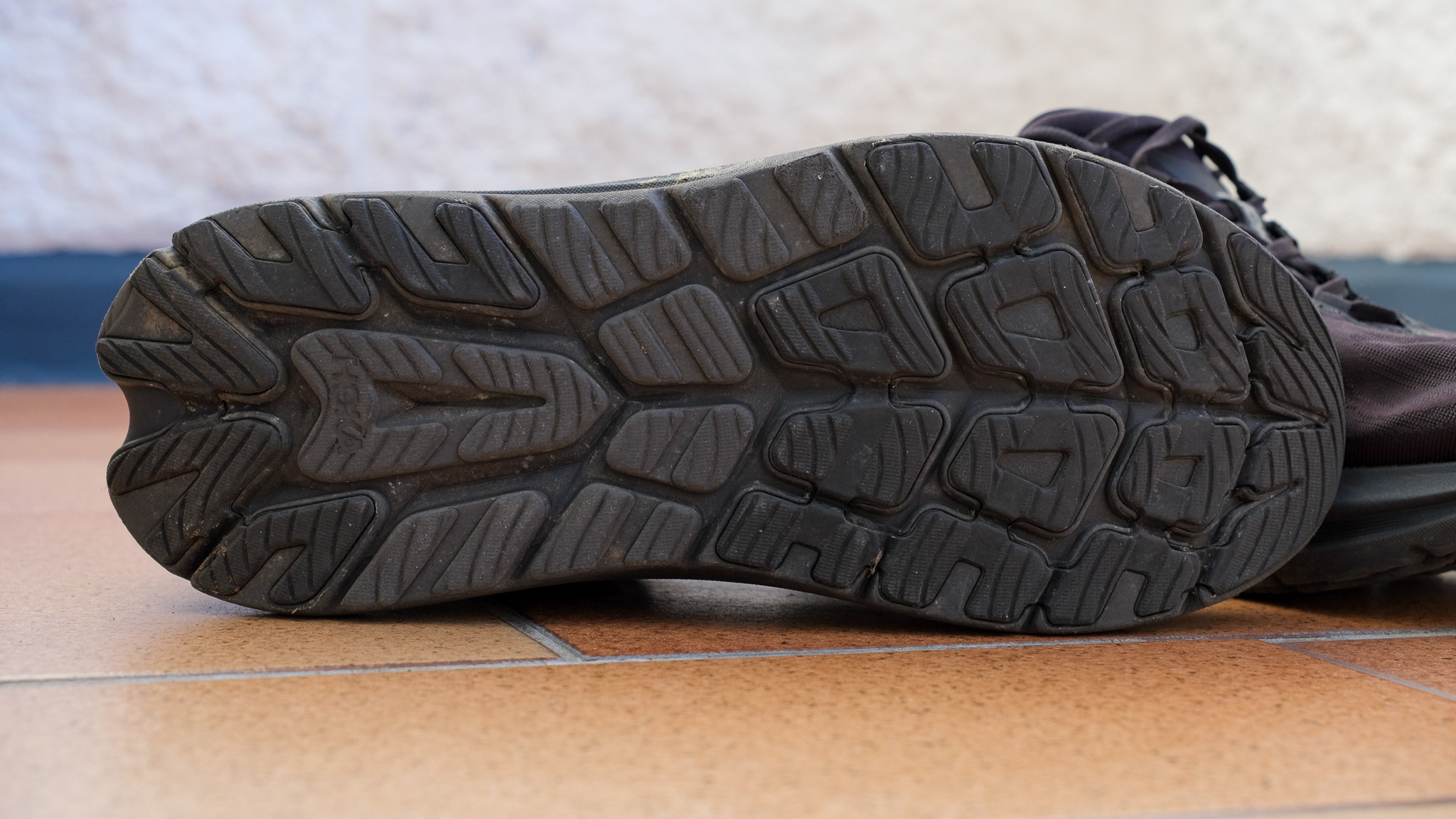
And since I already had the Kawana 3, I decided to put them through their paces as walking shoes and workout trainers. Hoka calls them a “circuit-ready staple,” and, if I recall correctly, the originals were also dubbed “fitness trainers,” meaning they aren’t running shoes per se.
Where stability takes the lead
The Kawana 3 can be used for running, though. The foam might not be as soft as the Bondi 9 or other running-specific models, but for the same reason, the Kawana 3 feels a little easier on the ankles, which can benefit beginners and anyone returning from a niggle. The shoes’ stability really shines when you’re injured, and during workouts with lots of lateral movement.
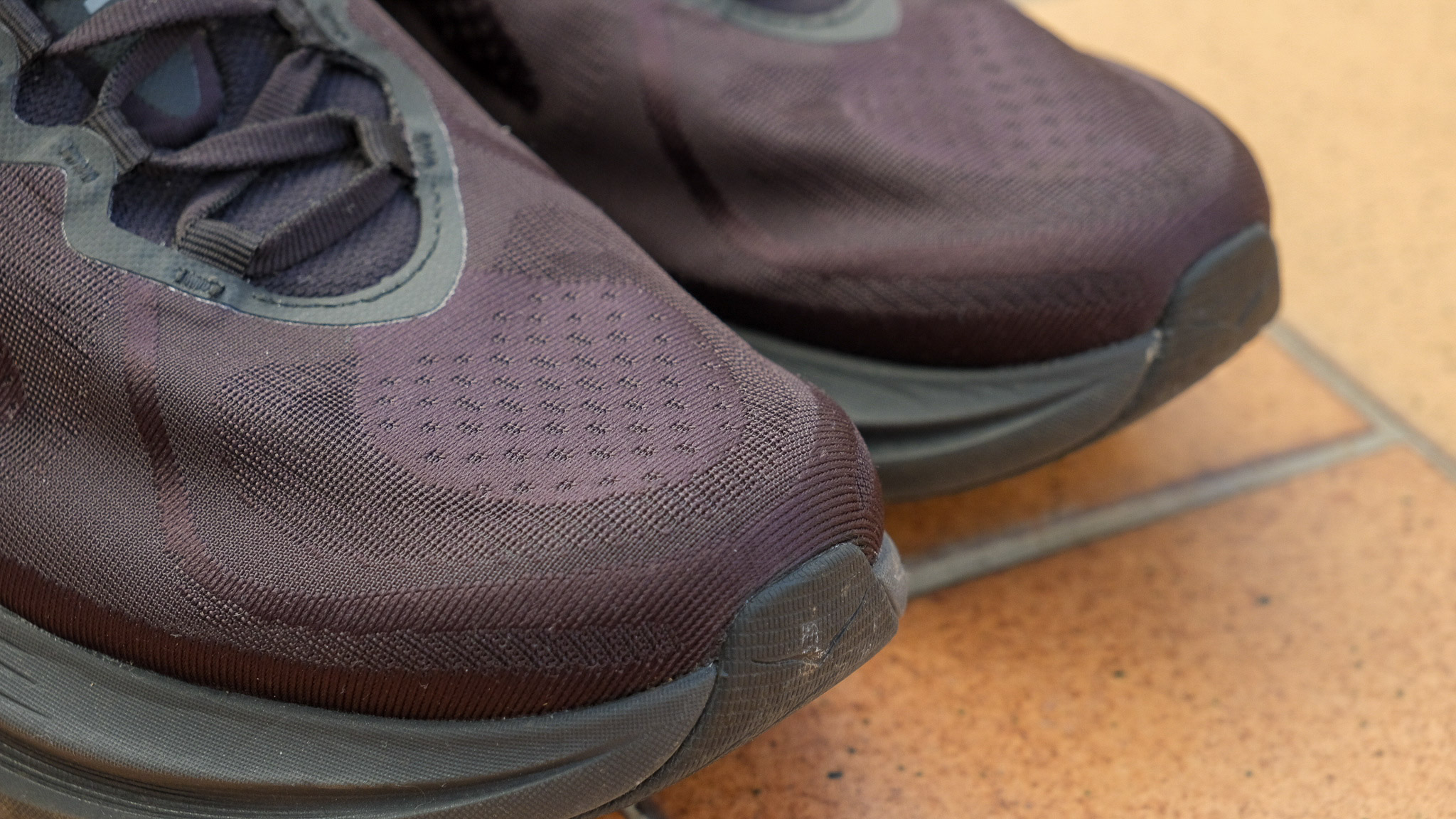
Hoka added an engineered mesh upper to the Kawana 3, making the shoes easier to clean and better at wicking moisture. They weigh a somewhat hefty 329g / 11.6oz (men’s UK 11 / US 11.5D), but, in all honesty, they feel surprisingly nimble on foot. Some high-performance running shoes weigh as little as 200g / 7oz these days, but the Kawana 3 isn’t trying to compete with those.
I found the Kawana 3 comfortable to wear. The shape is somewhat narrow, like most Hokas, but the engineered mesh feels accommodating around the toe box, and the laces do an excellent job of keeping the lockdown secure. The heel construction, despite the streamlining, feels planted and stable.
Not a headline act, but dependable
To my surprise, traction felt best on wet, hard surfaces, which is usually not the case with trainers of this calibre. The only slight caveat is that the wet Kawana 3 can produce a faint squeak on tiles. However, it subsides quickly and feels like a small price to pay for the added stability.
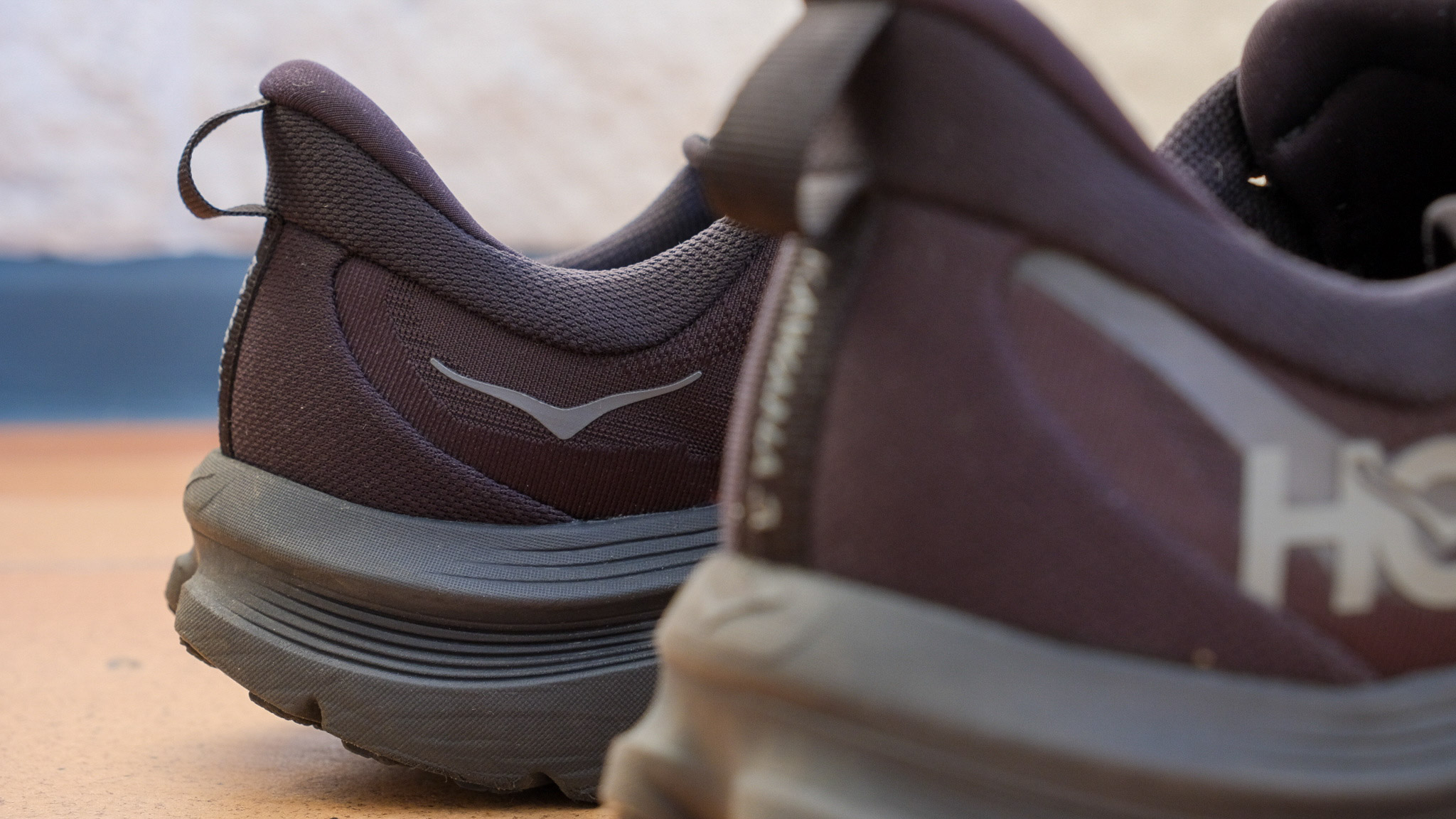
In terms of looks, the Kawana 3 isn’t a looker, especially in the launch colourways. Don’t get me wrong, I enjoy a pair of black trainers as much as the next person, but compared to the brand’s other shoes, this one definitely feels less exciting. That said, even Hoka needs shoes that lean a bit more ‘normal,’ so to speak.
Counting the pennies
The Kawana 3 retails for £125 / $140 / €140 (~AU$209), making it surprisingly affordable. When daily trainers often creep towards £170 / $170 / €170, we should be grateful for shoes like the Kawana 3, offering genuinely good value for money.
It might not be the most exciting launch of 2026, but the Hoka Kawana 3 does what it says on the box: it sits in the cross-section of walking, workout and running shoes, not quite delivering the perfect experience for any of them, but having the versatility to show up and simply get the job done.
For the price, it’s well worth considering, even if you aren’t already into Hoka. In fact, the Kawana 3 might be the best gateway shoe for anyone unsure about the brand’s max-cushion, high-stack runners. You still get a taste of that unmistakable Hoka feel – just less pronounced – which might make it easier to ease into the rest of the lineup later on.
The Kawana 3 is available now at Hoka UK, Hoka US and Hoka EU.