Get all your news in one place.
100’s of premium titles.
One app.
Start reading
Reuters
Reuters
Entertainment
Aislinn Laing and Marco Aquino

Help us protect the headwaters of the Amazon from oil companies, elders say

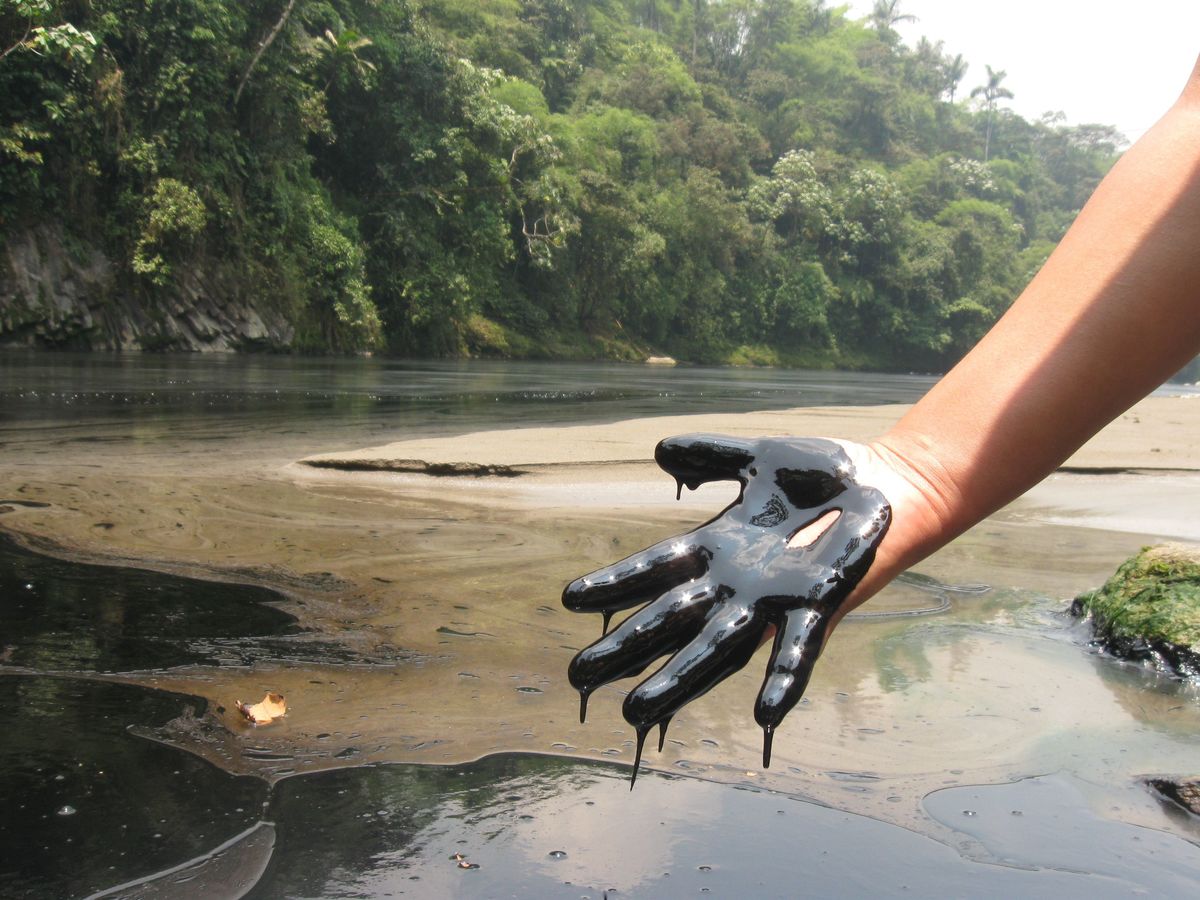
An oil slick is seen covering the surface of a stretch of the Santa Rosa River in Ecuador in this handout image taken on February, 2009. Amazon Watch/Tyson Miller/Handout via REUTERS

Indigenous leaders are calling for help to stop oil companies drilling in the headwaters of the Amazon river in the wake of the coronavirus pandemic, warning that encroaching on their homelands would destroy a bulwark against climate change.

In video shared with Reuters on International Day for Biological Diversity on Friday, communities in Peru and Ecuador said pressure to exploit their territory would intensify as governments seek to reboot economies reeling from the virus.
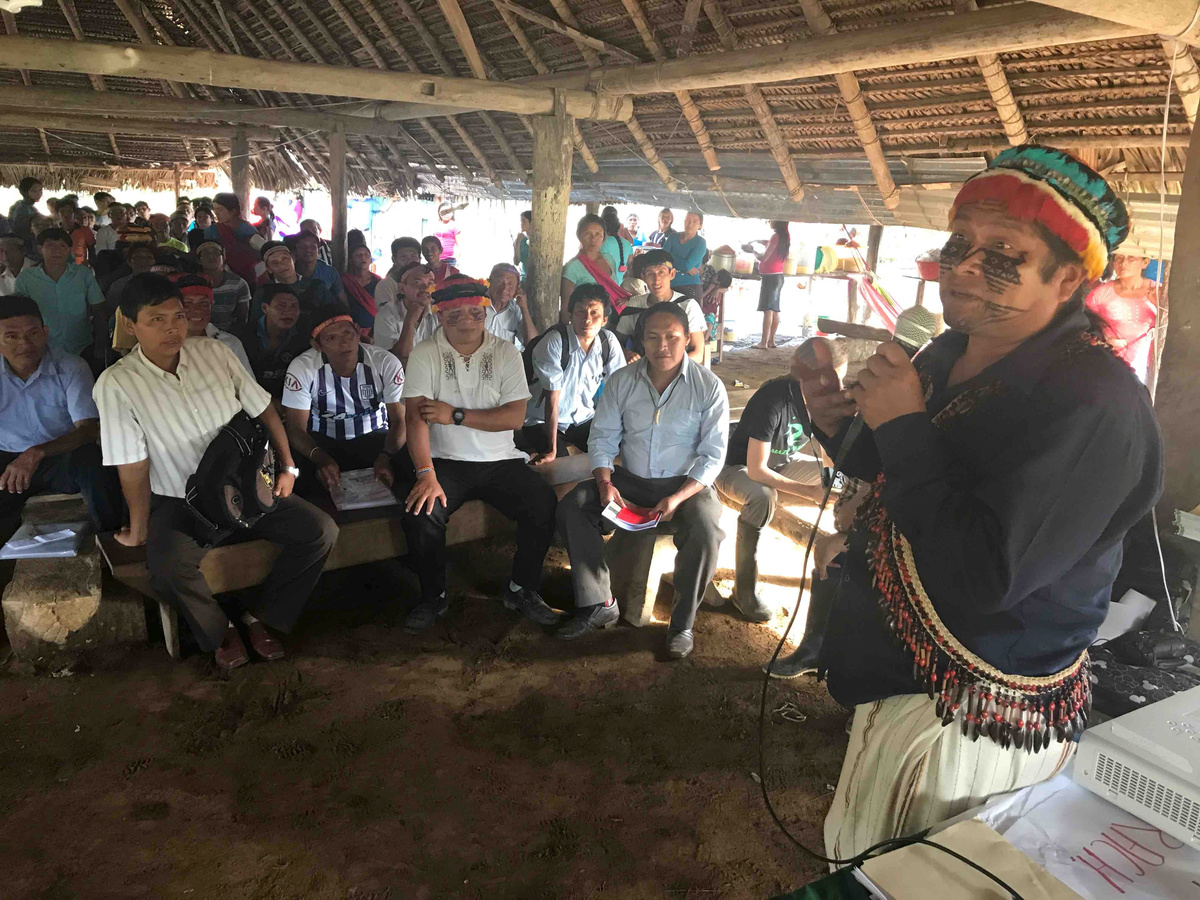
Domingo Peas, indigenous coordinator of the Amazon Sacred Headwaters Initiative addresses community members during an assembly in Ecuador in this handout image taken in 2019. Amazon Sacred Headwaters Initiative/Tyson Miller/Handout via REUTERS

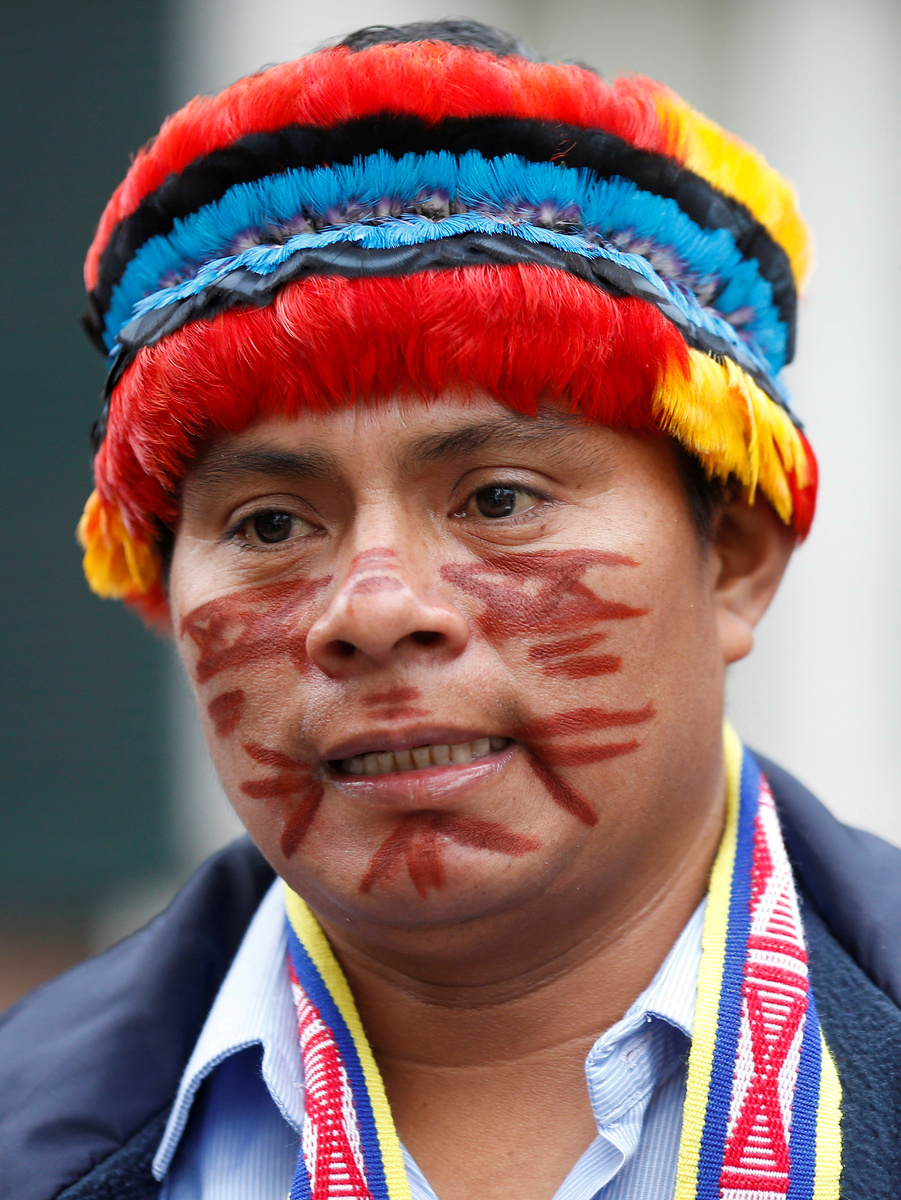
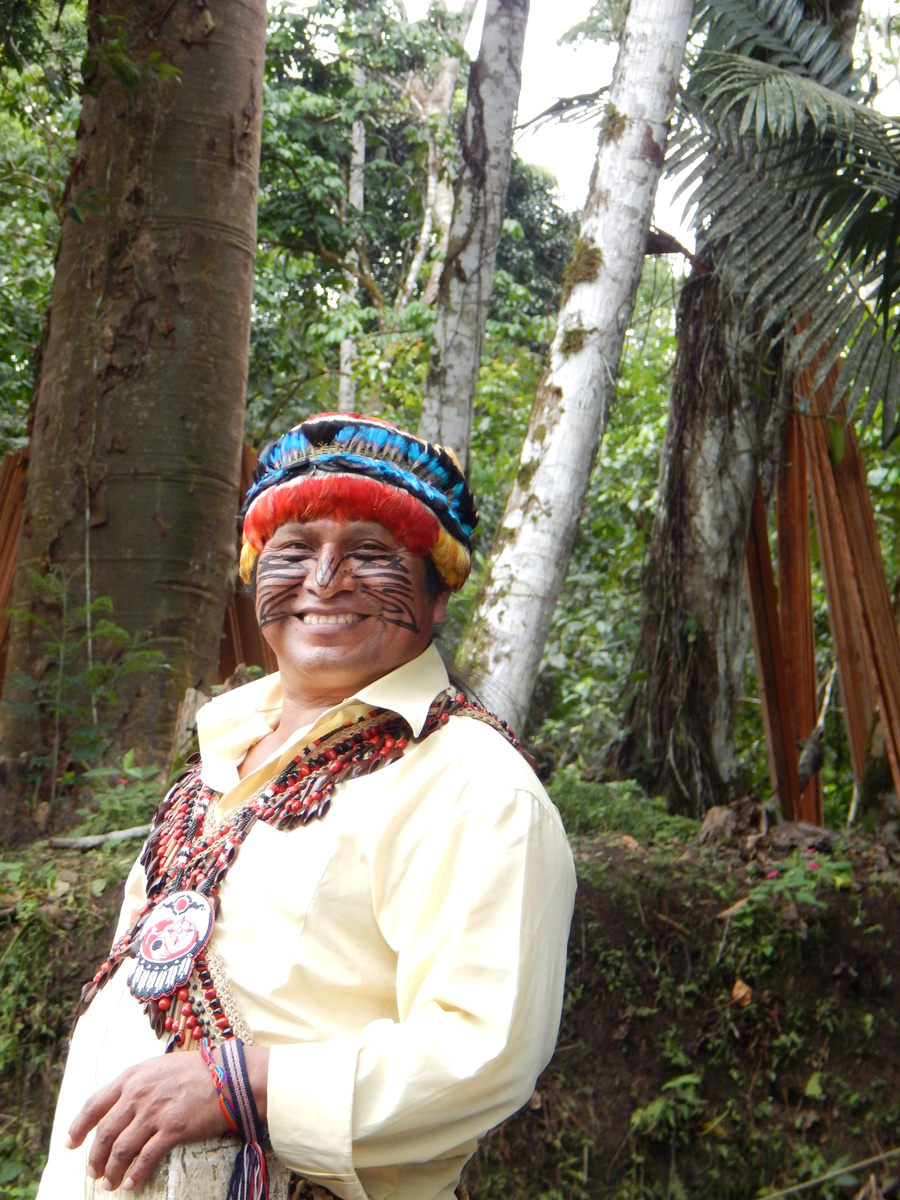
"We have taken care of the rainforest all our lives and now we invite everyone to share in our vision," Domingo Peas, a leader from Ecuador's Achuar nation, told Reuters Television. "We need to find a new route, post-oil, for economic development, for the well-being of all humanity, not just indigenous people."

The Achuar are among 20 indigenous nationalities representing almost 500,000 people living in a swathe of rainforest straddling the Peru-Ecuador border, often referred to as the Amazon Sacred Headwaters.

Existing and proposed oil and gas blocks cover 280,000 square miles in the region, an area larger than Texas, according to a report published in December by international advocacy groups including Amazon Watch and Stand.earth.
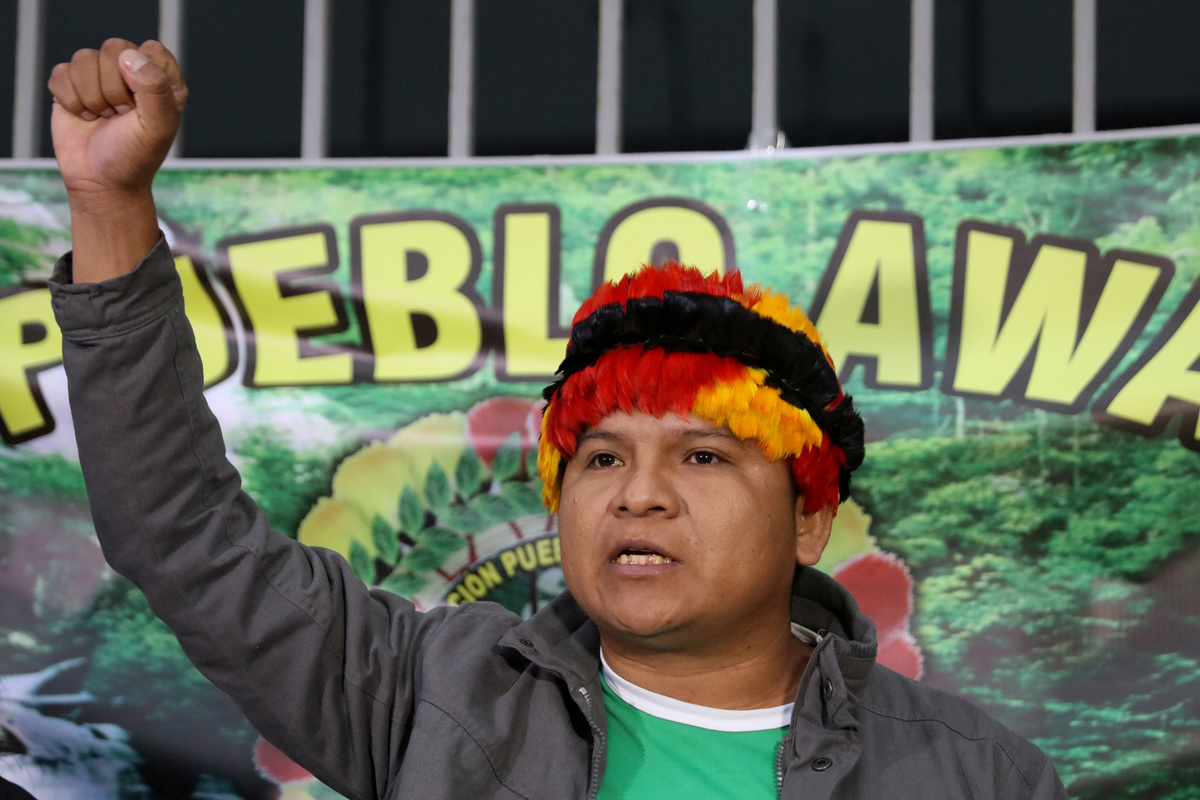
FILE PHOTO: Carlos Sandi, president of Amazon's native communities of the Corrientes basin, protests against oil pollution in the Amazon jungle in front of the Petroperu (Petroleos del Peru) building in Lima, Peru, September 21, 2017. REUTERS/Guadalupe Pardo

Oil is currently being extracted from 7% of these blocks. Ecuador and Peru have plans to exploit at least an additional 40%, including in forests teeming with wildlife, such as Ecuador's Yasuní National Park, the groups say.

Home to jaguars, pink river dolphins, anacondas, howler monkeys and thousands of other species, the region, in many areas barely touched by the modern world, is seen as integral to the wider health of the Amazon, the world's largest rainforest.

Scientists fear that the ecosystem has now been cleared so extensively to grow soy and other export crops that it could flip from being a net absorber of carbon dioxide into a major emitter of the greenhouse gas.
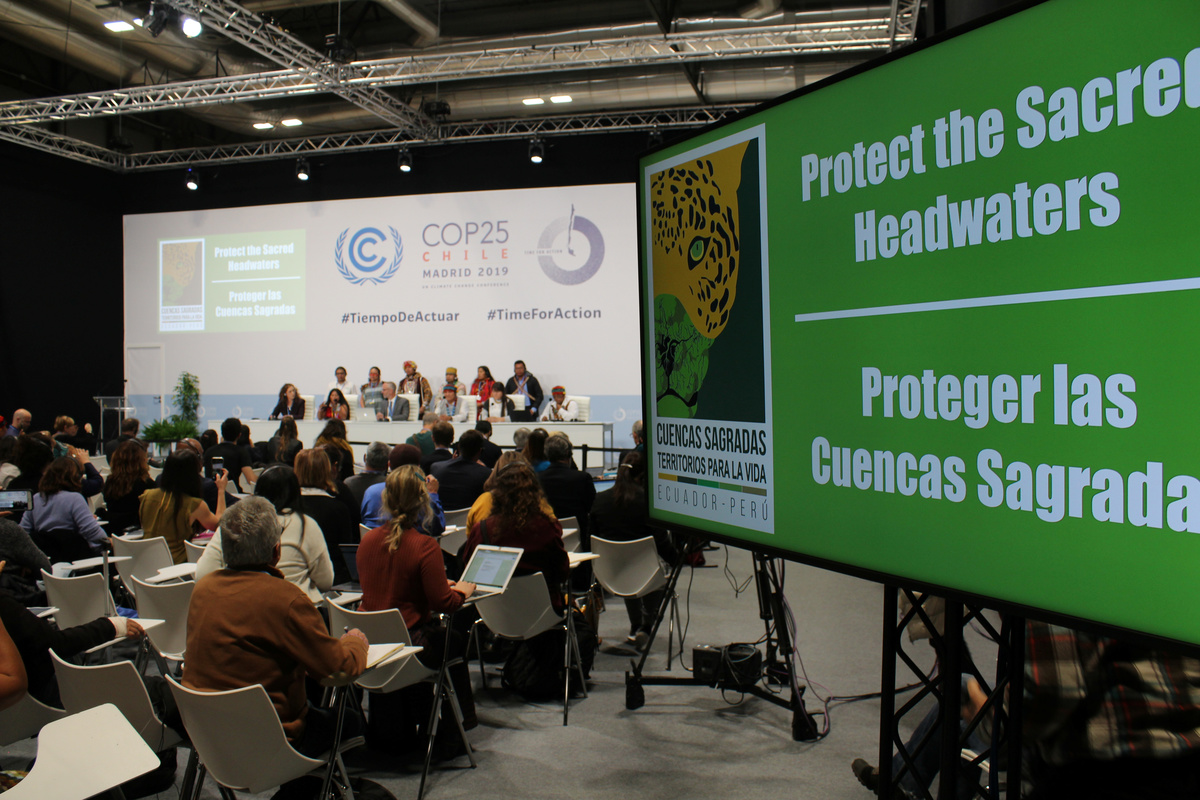
Indigenous leaders speak about threats facing the headwaters of the Amazon in Ecuador and Peru at a U.N. climate summit in Madrid, Spain in this handout image taken on December, 2019. Andrew Schnekel/Tyson Miller/Handout via REUTERS

With massive fires last year underscoring rampant deforestation in Brazil, preserving pristine forest in remote parts of Peru and Ecuador offers a unique opportunity to nurture the resilience of the wider biome, indigenous leaders say.

"Caring for the forests of the Amazon, is caring for your life and future generations," said Rosa Cerda, vice president of the Confederation of Indigenous Nationalities of the Ecuadorian Amazon.

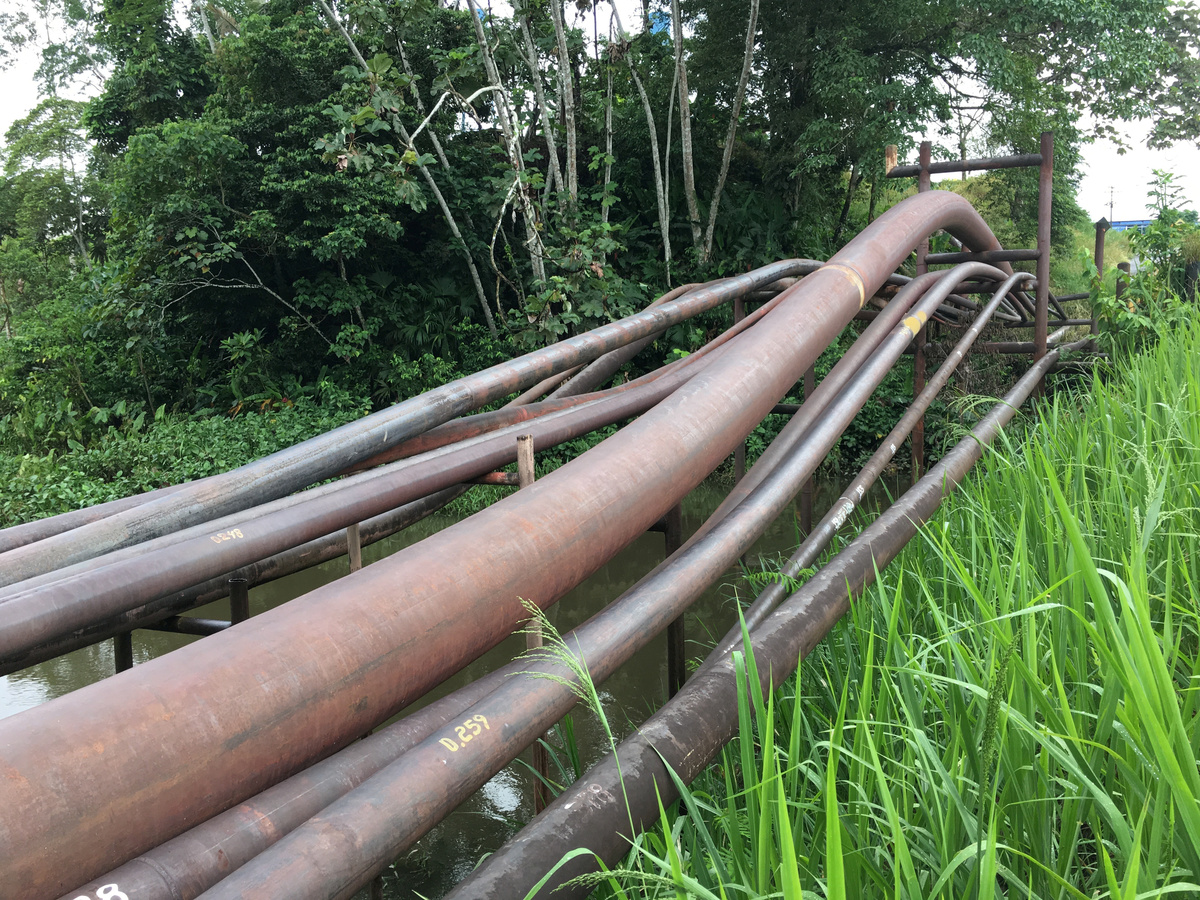
Although communities in Ecuador and Peru have had some success in using lawsuits to block new exploration, past oil and mining projects suggest that carving new roads through trackless landscapes can trigger rapid deforestation. Leaks from pipelines pollute rivers used for drinking water, harming people and wildlife.
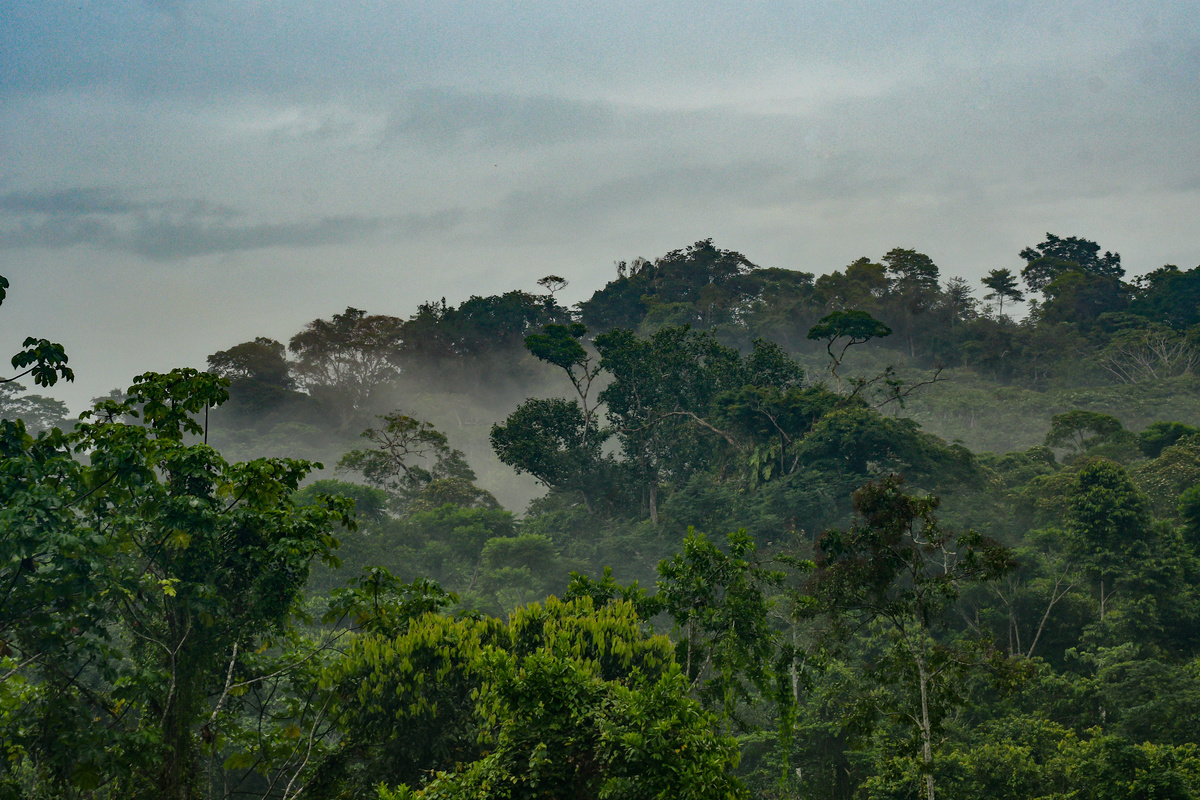
A view of a forest canopy in Sapara territory, Ecuador in this handout image taken in 2017. Joke Baert and Thierry Mallet, Fundacion Pachamama/Tyson Miller/Handout via REUTERS

A NEW PATH?

While industrialized countries are facing calls to adopt climate-friendly "green recoveries" from virus-induced economic slowdowns, indigenous peoples are waging a parallel campaign to persuade Ecuador and Peru to pursue more holistic models.

Nevertheless, communities fear that the pain inflicted by the pandemic may encourage politicians to pursue a massive expansion of the oil industry through state-owned companies that dominate the sector in Ecuador and Peru.
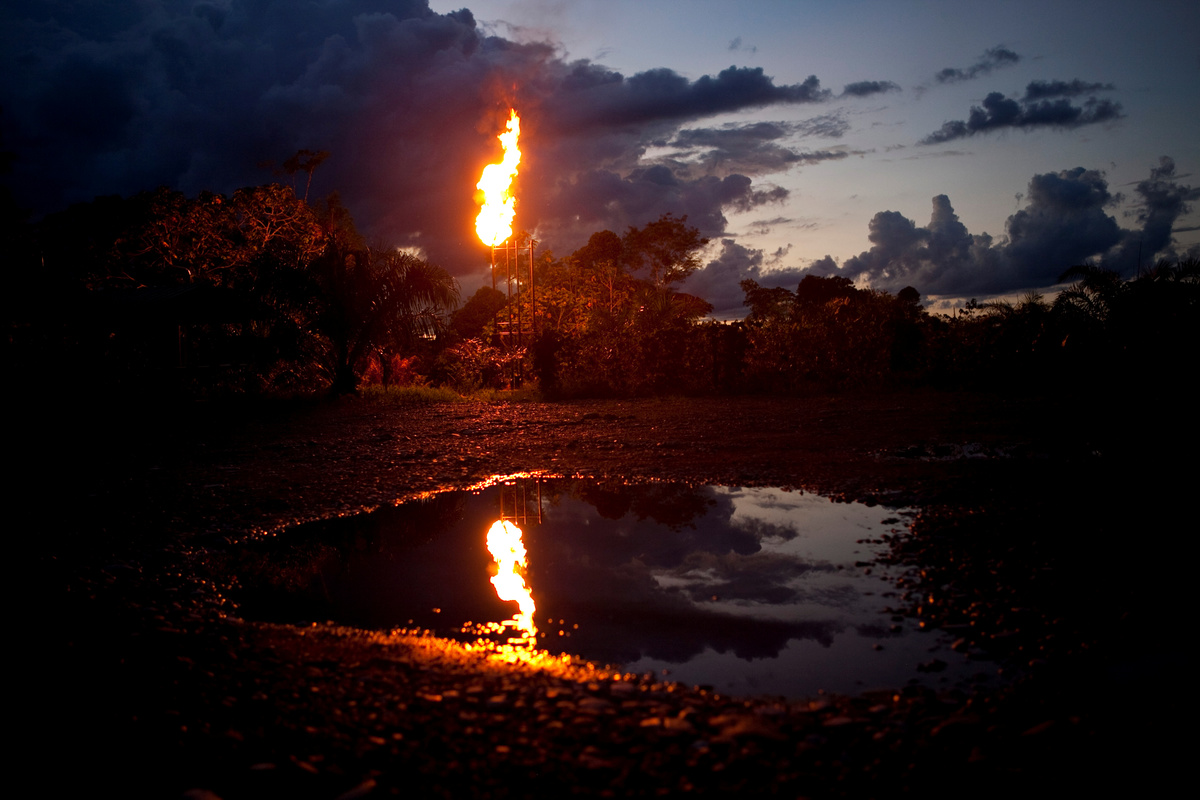
A gas flare is seen lighting up the night sky in the northern Ecuadorian Amazon in Ecuador in this undated handout image. Amazon Watch/Tyson Miller/Handout via REUTERS

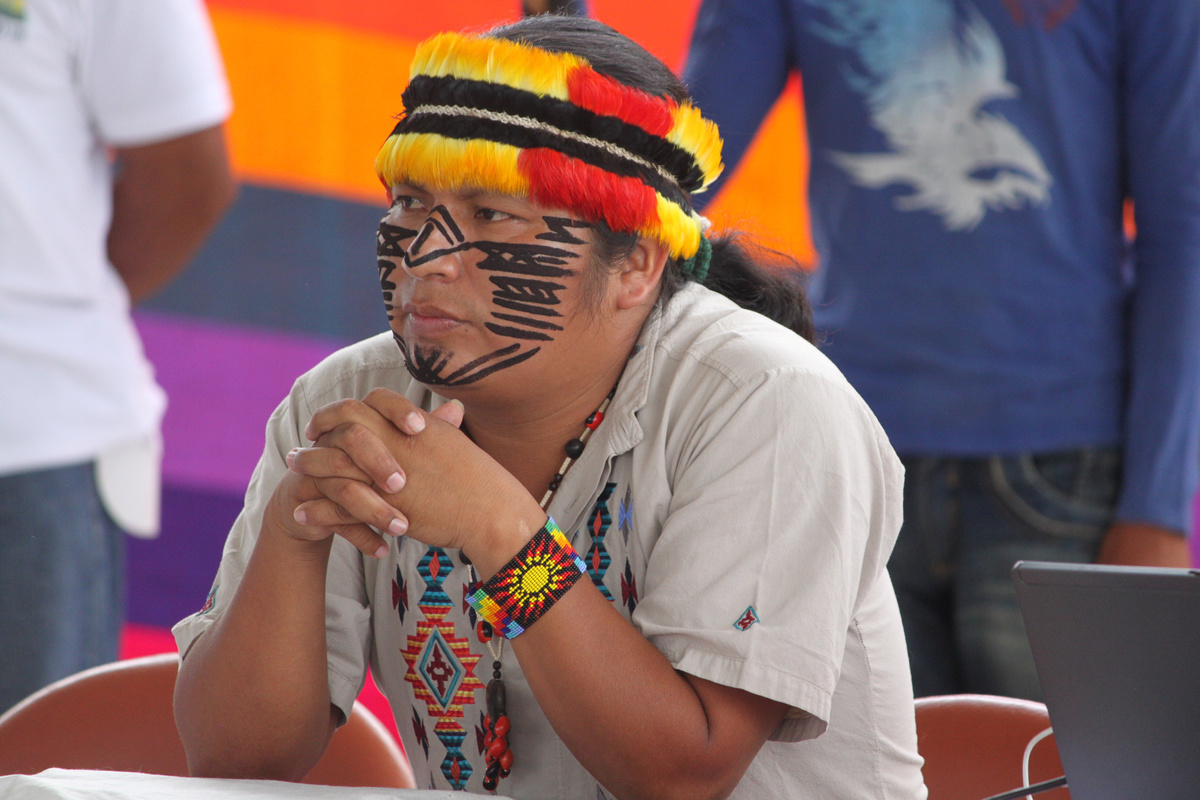
"This is a fundamental danger," said Tuntiak Katan, the vice coordinator of the Amazon Basin Indigenous Organization, and a member of Ecuador's Shuar people. "The economic recovery has to be in line with ecological principles."

The governments of Peru and Ecuador declined to comment.

Belen Paez, executive director of the Fundacion Pachamama advocacy group, urged governments to heed the advice of indigenous leaders, academics and former government officials working to map out a "Green New Deal" for the Amazon.
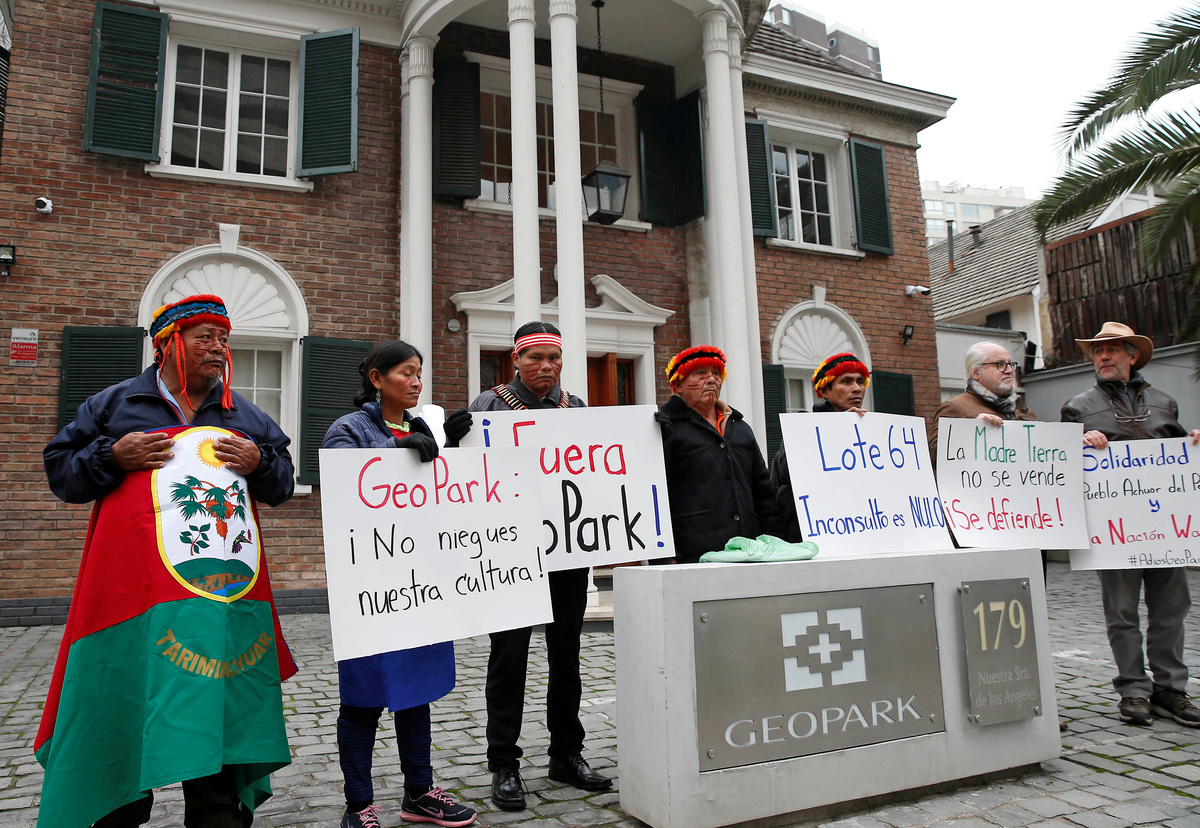
FILE PHOTO: Peruvian indigenous people opposing an approved plan for oil drilling in Peru’s Amazon, take part in a protest in front of the offices of Geopark Ltd in Santiago, Chile June 27, 2019. REUTERS/Rodrigo Garrido

"Government leaders in Ecuador and Peru and the world must seize this chance and work in partnership with indigenous nationalities to protect this amazing region," Paez said.

(Reporting by Aislinn Laing and Marco Aquino; Additional reporting by Alexandra Valencia in Quito and Matthew Green in London; Editing by Leslie Adler)
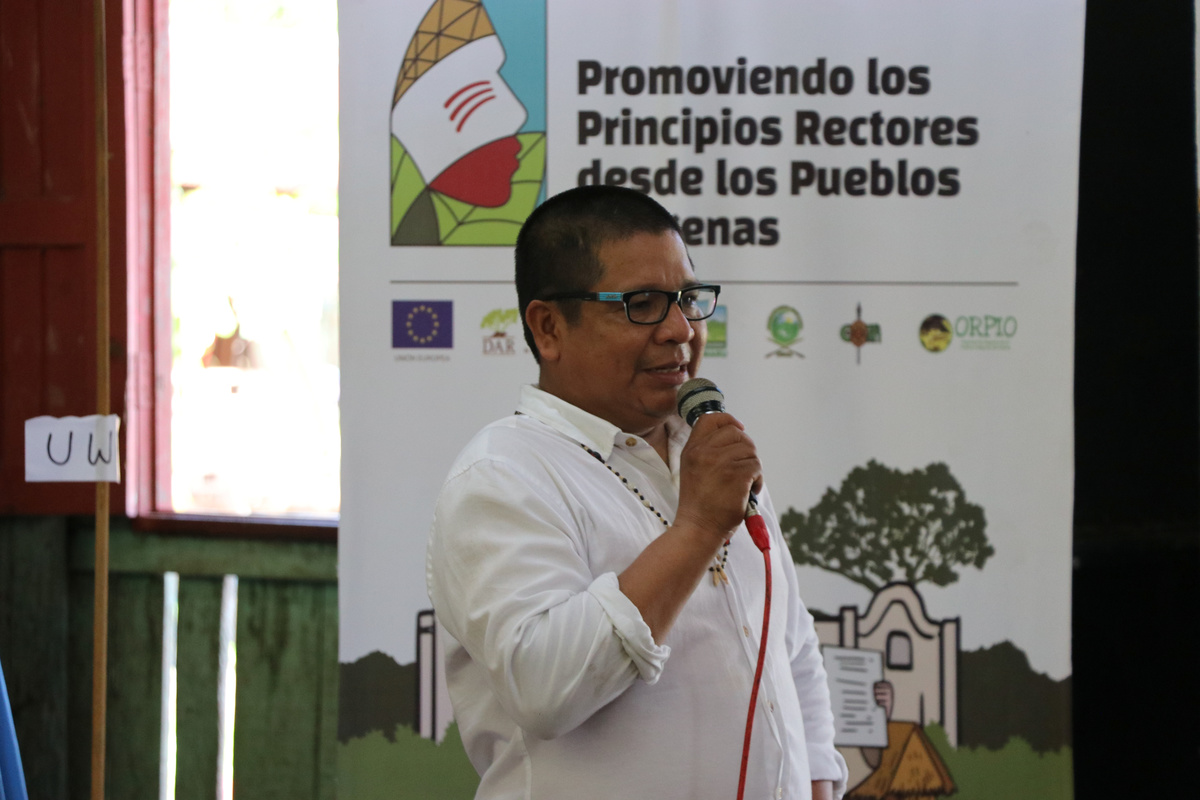
Jorge Perez, president of the Peruvian Indigenous Federation in this undated handout image taken on October, 2019. ORPIO/Tyson Miller/Handout via REUTERS
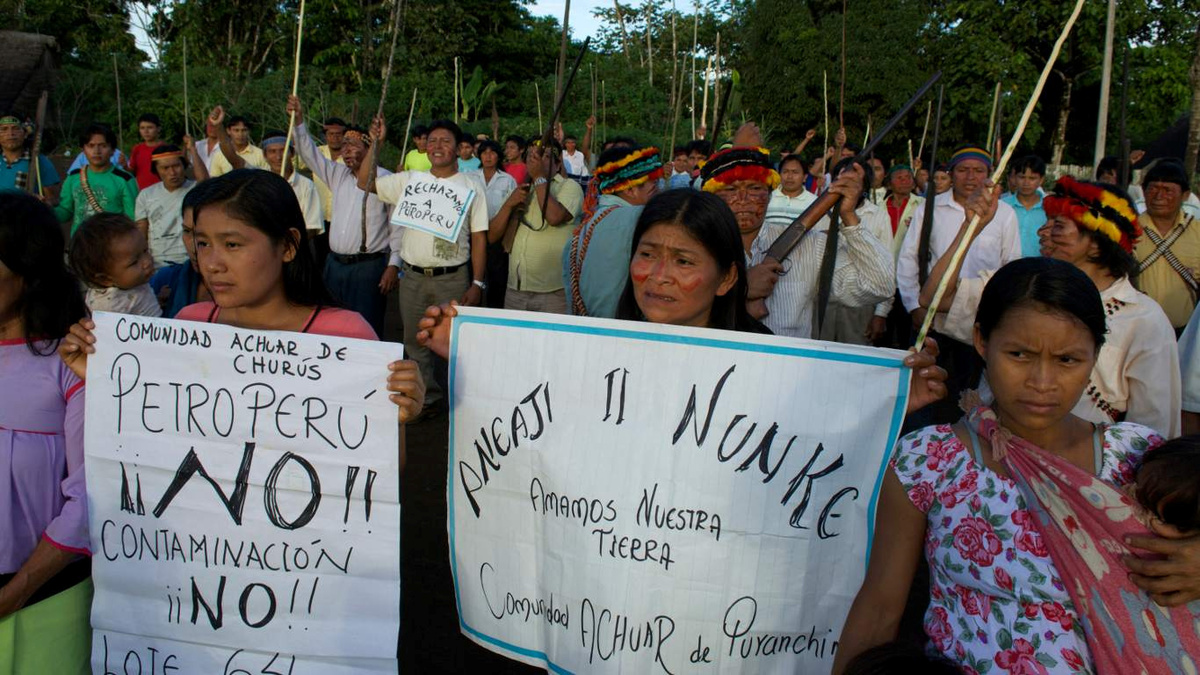
Members of the Achuar community in Peru protest proposed oil development, at Block 64 region of Northern Peru in this handout image taken in 2017. Amazon Watch/Tyson Miller/Handout via REUTERS
Crude oil pipelines are seen criss-crossing the forest in northern Amazon region in Ecuador in this handout image taken in 2019. Amazon Watch/Tyson Miller/Handout via REUTERS
FILE PHOTO: Peruvian indigenous people opposing an approved plan for oil drilling in Peru’s Amazon, speak with the media during a protest in front of the offices of Geopark Ltd in Santiago, Chile June 27, 2019. REUTERS/Rodrigo Garrido
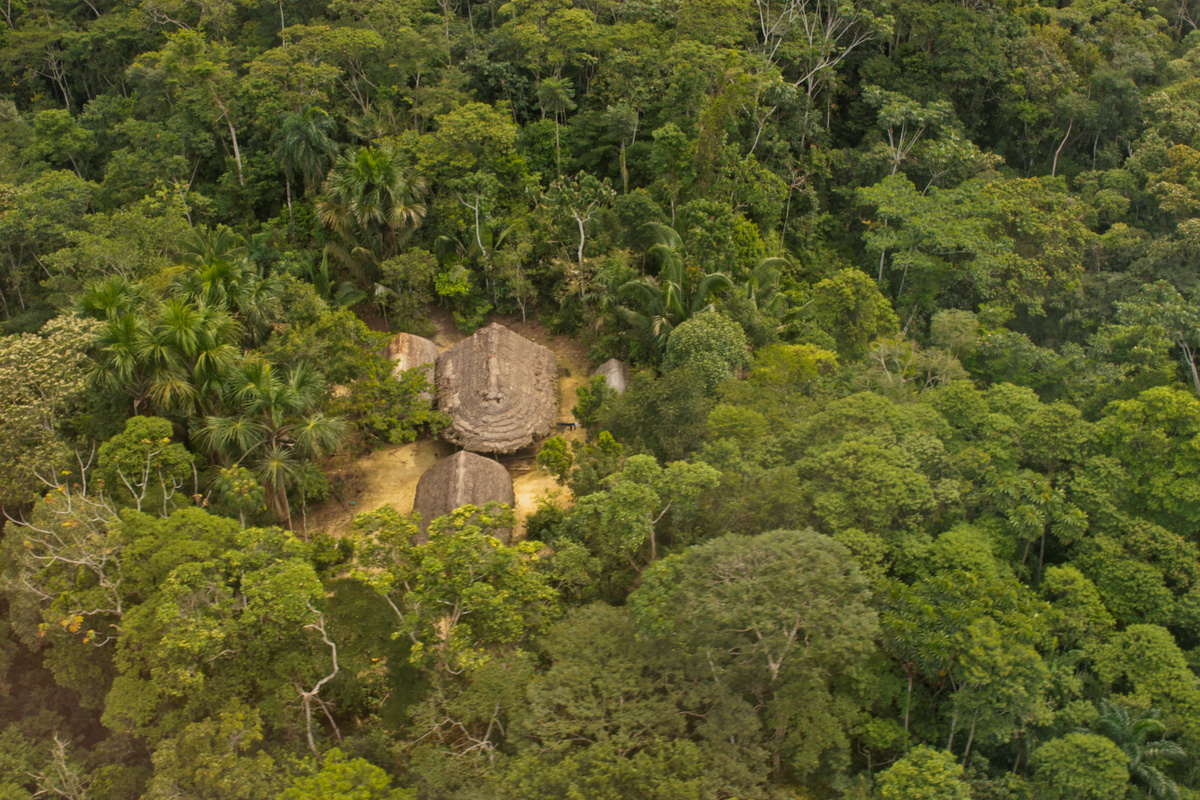
An aerial view shows a hut in Achuar Territory, Ecuador in this handout image taken in 2012. Joke Baert, Fundacion Pachamama/Tyson Miller/Handout via REUTERS
Marlon Vargas, president of the Ecuadorian Indigenous Federation, attends a meeting in the city of Puyo in Ecuador in this handout image. Amazon Watch/Tyson Miller/Handout via REUTERS
Domingo Peas, Achuar leader and indigenous coordinator of the Amazon Sacred Headwaters Initiative, stands by a tree at the Kapawi Lodge in Pastaza Province, Ecuador in this undated handout image taken on April, 2019. Tyson Miller/Stand.earth/Handout via REUTERS
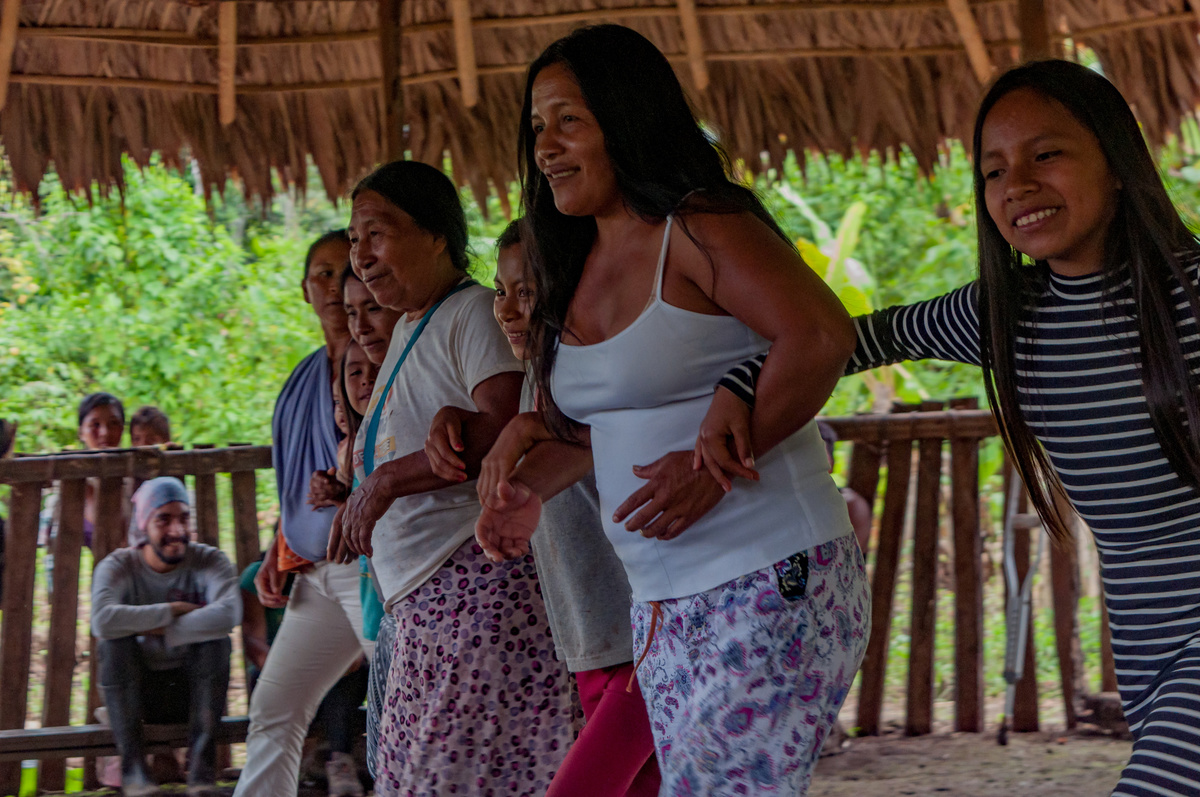
Women perform a traditional dance in Sapara Territory, Ecuador in this handout image taken in 2017. Joke Baert and Thierry Mallet, Fundacion Pachamama/Tyson Miller/Handout via REUTERS
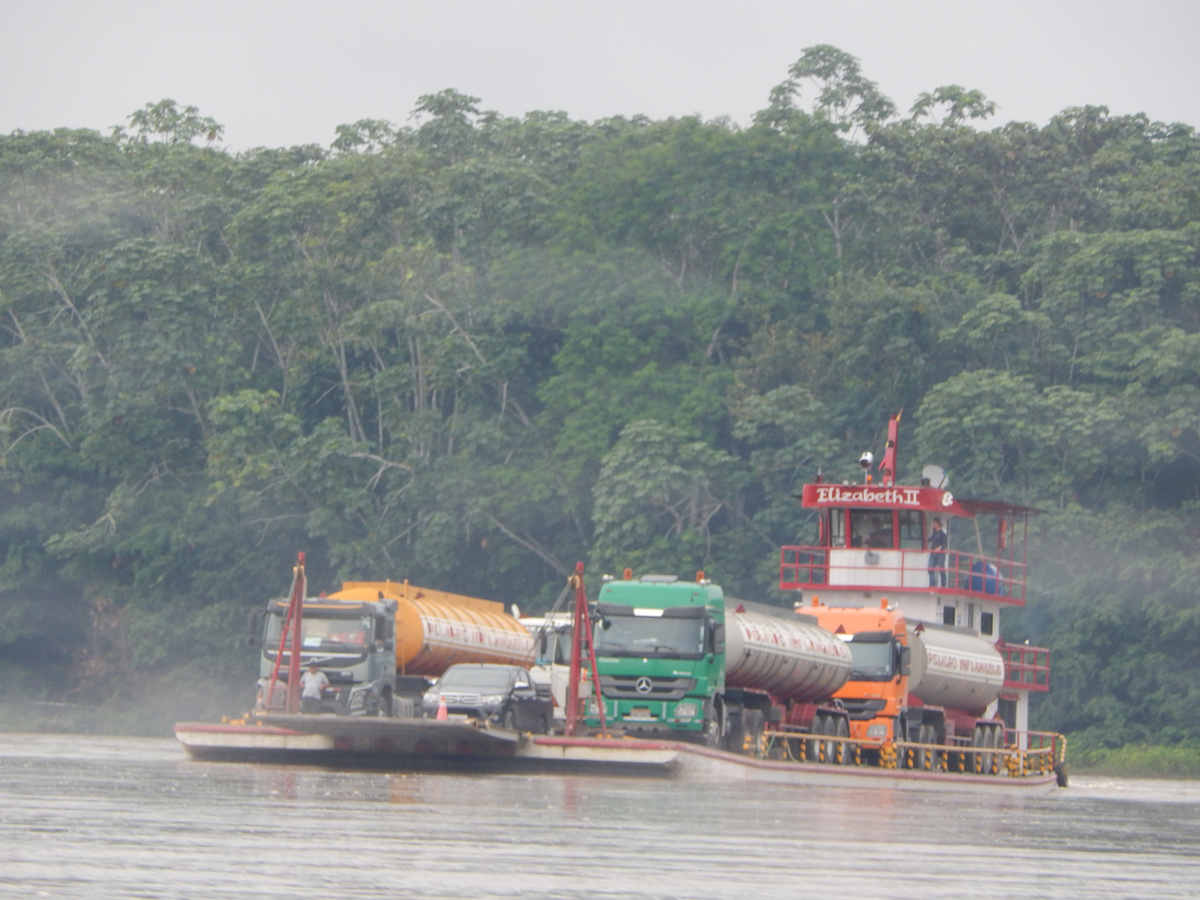
Oil tankers are seen ferried across Ecuador's Napo River, Ecuador in this handout image taken on April, 2019. Tyson Miller/Stand.earth/Handout via REUTERS
Lizardo Cauper, president of the Peruvian Inidgenous Federation, speaks during a U.N. climate summit in Madrid, Spain in this handout image taken on December, 2019. AIDESEP/Tyson Miller/Handout via REUTERS
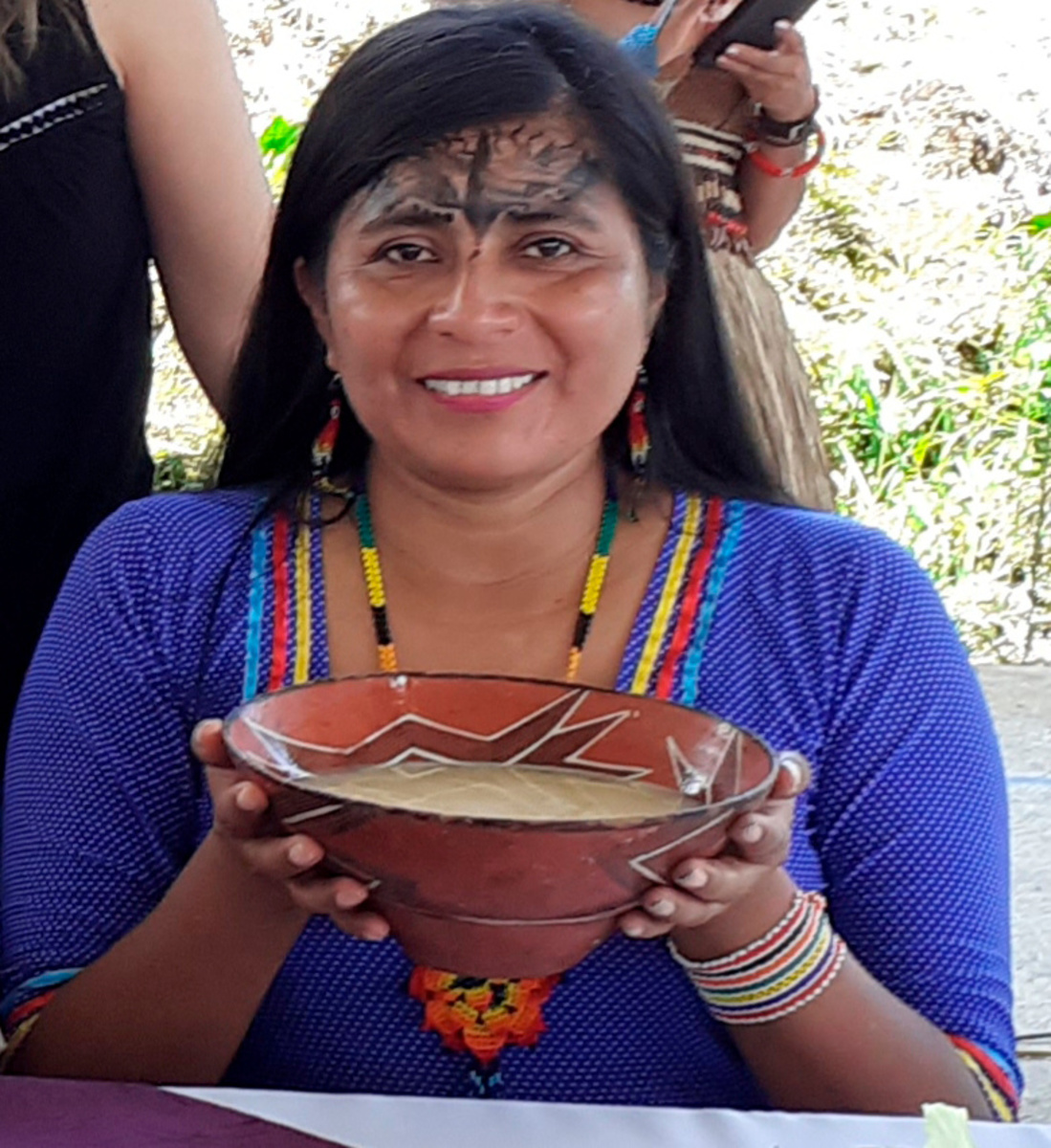
Rosa Cerda, vice-president of the Confederation of Indigenous Nationalities of the Ecuadorian Amazon, drinks a traditional drink in Ecuador in this handout image taken in 2018. CONFENIAE/Tyson Miller/Handout via REUTERS
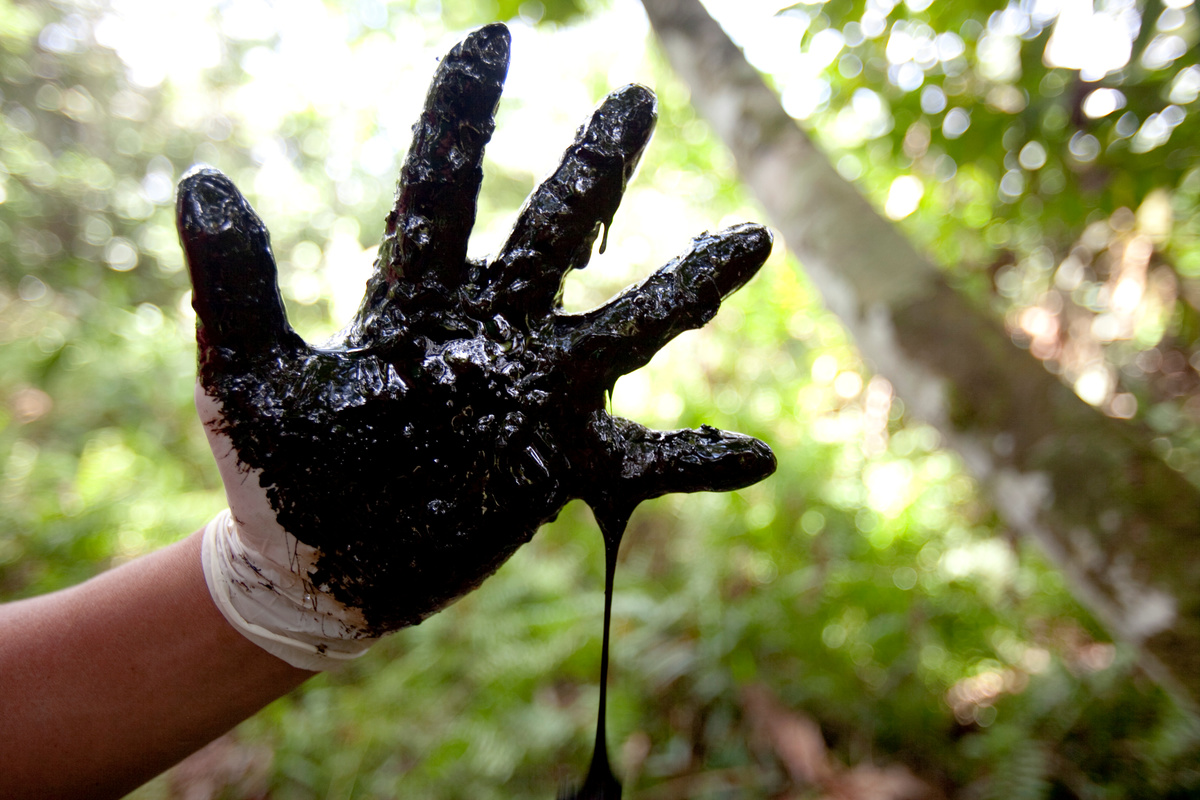
Local community members show crude oil contamination left behind in open oil pits never remediated by US oil companies, in Lago Agrio in Ecuador in this handout image taken on May 2019. Tyson Miller/Stand.earth/Handout via REUTERS
Sign up to read this article
Read news from 100’s of titles, curated specifically for you.
Already a member? Sign in here
Related Stories
Top stories on inkl right now
Our Picks
Fourteen days free
Download the app
One app. One membership.
100+ trusted global sources.