Australians turning 50 years old will receive a letter from the federal government but it won't say 'Happy Birthday'.
It will warn of the country's most deadly disease.
About 340,000 Australians who notched up a half-century from July 2025 will be mailed advice on how to help ward off dementia - Australia's leading cause of death.
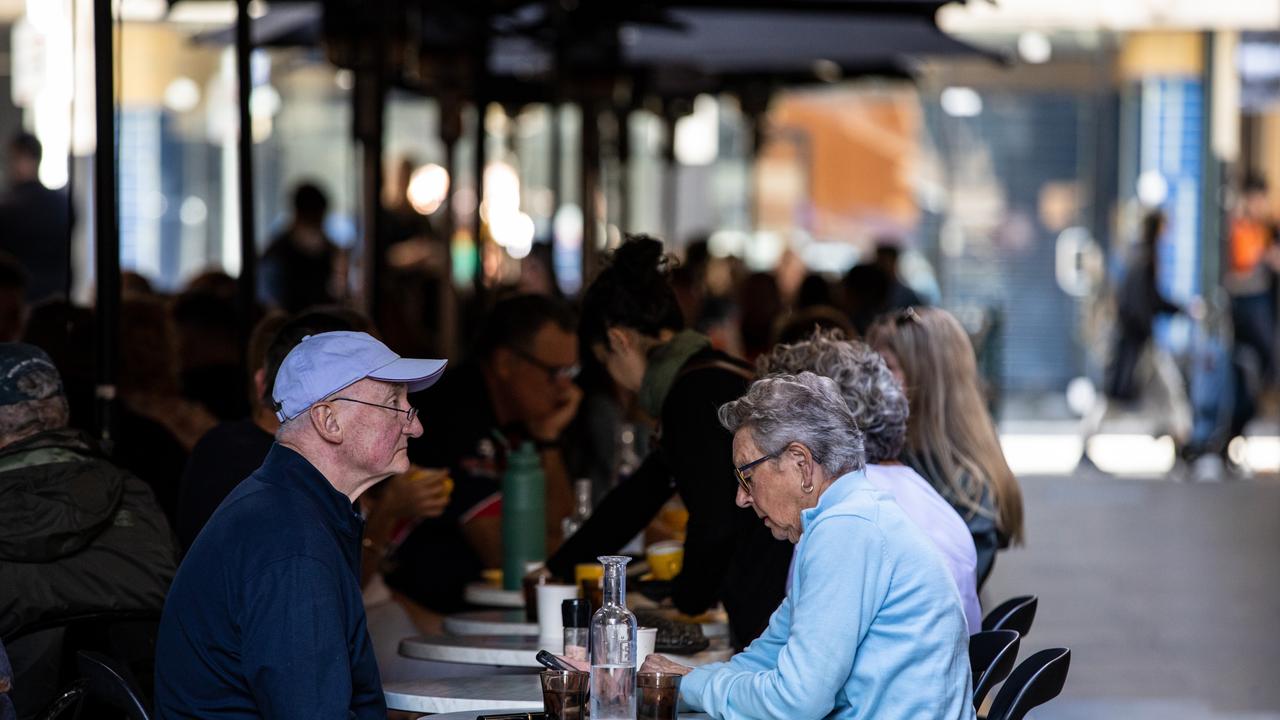
"The science is clear that the choices we make in mid-life matter," Aged Care Minister Sam Rae said.
"We can bring dementia numbers down and give more older Australians longer, healthier lives."
About 460,000 Australians live with disease - equivalent to the population of Canberra - and it's expected to rise to 1.1 million people in 2065.
This figure is greater than the combined populations of the ACT and Tasmania.
But evidence shows nearly half of dementia cases could be prevented or delayed.
"While we cannot change getting older, our genetics or family history, scientific research shows that looking after our brain health can make a big difference," Dementia Australia CEO Tanya Buchanan said.
"Some of the modifiable risk factors for dementia surprise people."
These factors are outlined in the letter.
It suggests eating healthily and remaining active, limiting alcohol, quitting smoking and completing heart health and diabetes check-ups to mitigate dementia.
Recipients will also be able to get a free personal risk assessment of the disease.
Dementia accounted for almost 17,400 deaths in 2023, equivalent to almost one in 10 of all deaths, according to the Australian Institute of Health and Welfare.
It surpassed heart disease as the leading cause of death in 2024.
Dementia generally affects mood, memory, thinking and behaviour. It gradually kills brain cells that are vital to stay alive. There is no cure.