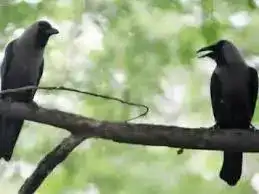
Hearing a crow cawing in the garden during broad daylight may seem weird to some people because of the bird’s long association with myths, films, and superstitions. In reality, however, the reason is usually quite ordinary. Their calls are often linked to food, territory, alert signals, or communication with other birds.
Unlike songbirds such as goldfinches, crows rely on vocal calls rather than melodies. These sounds help them warn others of danger, mark territory, locate food, or stay connected with their group.
Why Gardens Attract Crows
Gardens can be attractive spaces for crows for several practical reasons. Tall trees provide ideal lookout spots, while rooftops, antennas, and ledges serve as observation points. Their presence may also suggest that some natural wildlife still exists nearby.
A garden filled with greenery, insects, shade, and quiet surroundings offers far more opportunities for birds compared to streets dominated by concrete, traffic, and noise.
However, the arrival of crows is not always a positive sign. If they are gathering because of food leftovers, uncovered trash bins, or litter lying around, it may point toward poor waste management rather than ecological balance.
From elevated positions, crows closely monitor their surroundings for predators, humans, water sources, or scraps of food. Much like people checking the weather before stepping outside, these birds assess the environment from above before making decisions.
A crow’s caw is very different from the soothing songs of smaller birds, yet it still contributes to the natural sounds of an area. In busy cities filled with engines, traffic, and construction sounds, hearing birds nearby can serve as a reminder of nature’s presence.
What You Should Do
Experts suggest there is no reason to panic if crows frequently appear near your home. Instead, observe them from a distance and, if interested, try identifying the species using binoculars or a bird guide. What first seems like noise can become an opportunity to learn more about urban wildlife.
It is also advisable not to feed them. Keeping garbage sealed, avoiding exposed organic waste, and protecting trees and green areas are considered better ways to support biodiversity without encouraging dependency on humans.
Crows and other corvids are not symbols of bad luck. They are highly intelligent and adaptable birds that carefully study their environment. If they are spending time in your garden, it is likely because they see it as a useful place to rest, observe, communicate, or search for food.