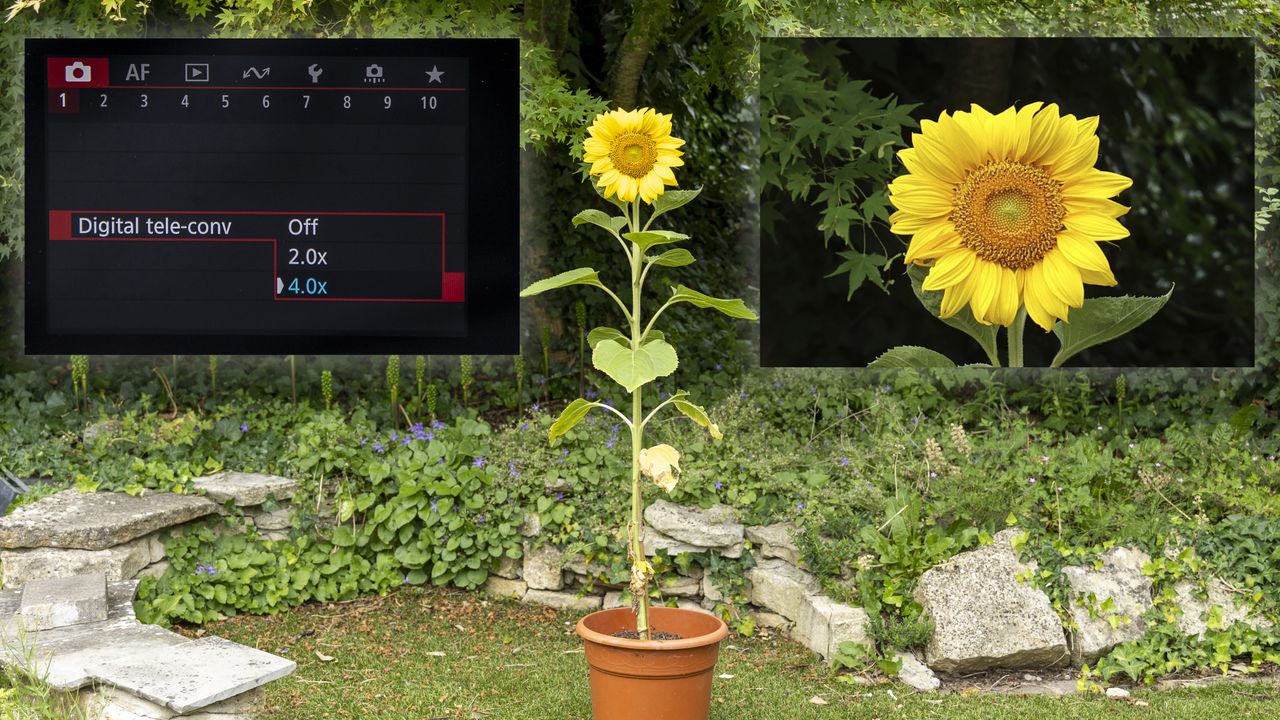
I’m a Canon professional photographer, so I'm a big Canon fan and I only shoot with EOS cameras. I still use Canon DSLRs for studio stuff and day-to-day photography when I don’t need an EOS R5 Mark II’s super-fast AI AF and I’m not shooting small moving targets.
But one of the reasons I like using full-frame mirrorless Canon cameras like the R6 Mark III is that they have a clever built-in 1.6x crop mode. I find this useful when I’m traveling light and only have one lens on my camera, such as during a recent city break in Madrid, Spain.
A quick flick to crop mode and 100mm becomes 160mm for a little more reach, to help me compose on distant subjects, parts of a scene or interesting elements of architecture.
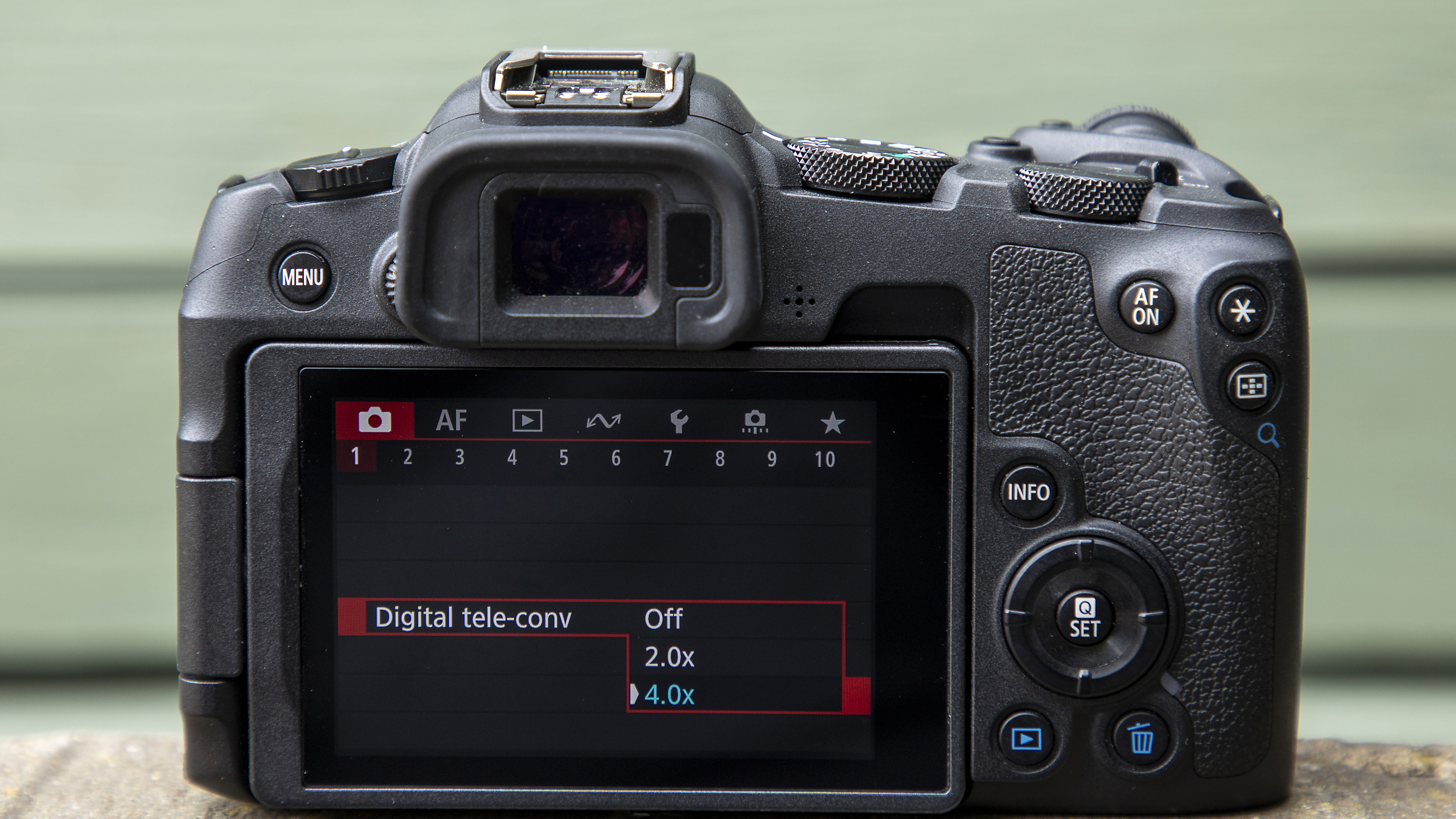
Which is why I was intrigued by the Digital Telephoto Converter mode available on cameras like the full-frame EOS R8. This ‘Digital tele-conv’ mode is on the first page of the red shooting menu, just beneath the cropping mode/aspect ratio option.
I was excited to try it out and had high hopes, as there are 2.0x and 4.0x digital telephoto options, but I very quickly discovered that it has some big flaws.
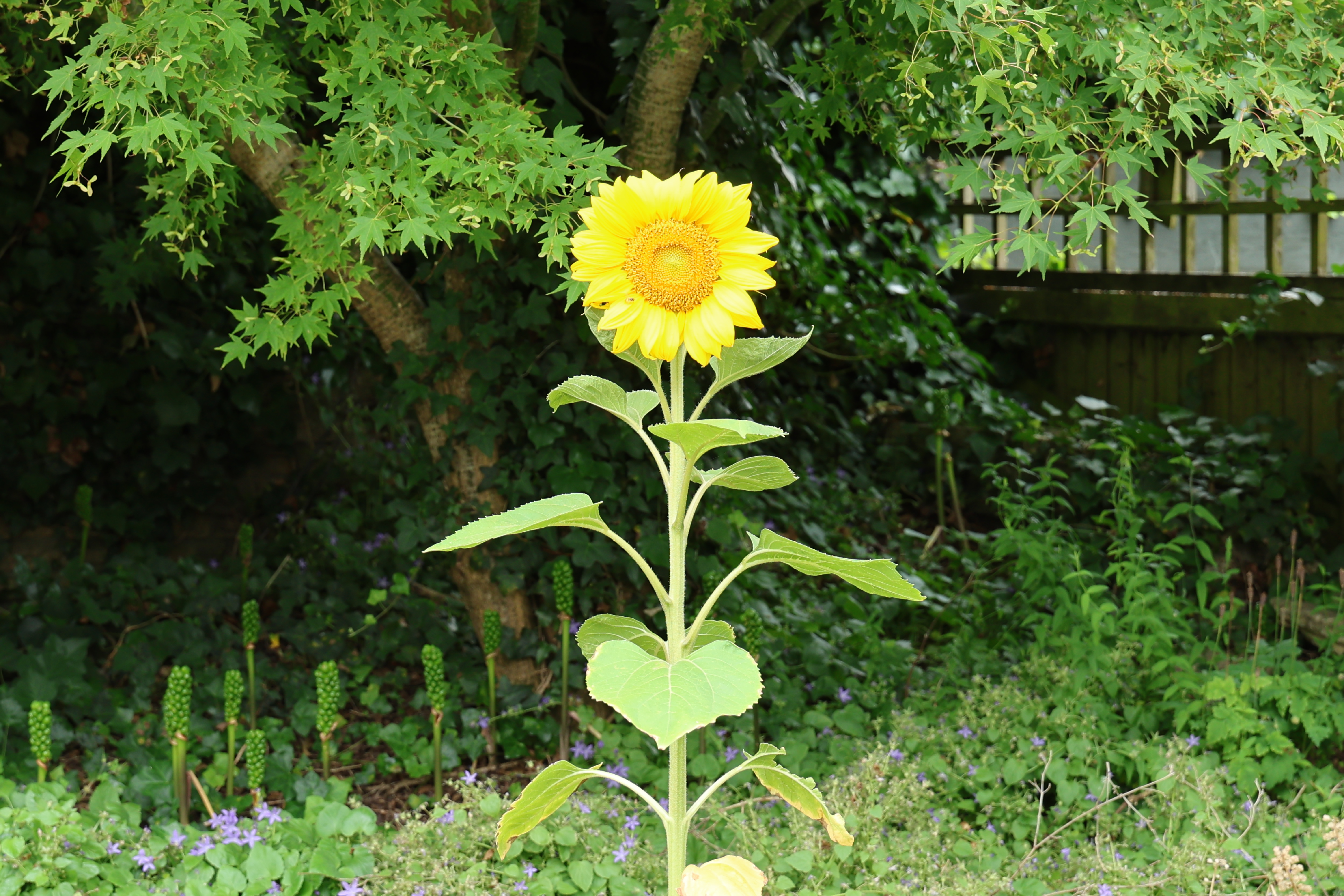
While you can shoot RAW and use the crop mode, the Digital tele-conv is only available when you shoot JPEG (due to necessary in-camera interpolation) which already restricts the quality before we even get to digital croppage.
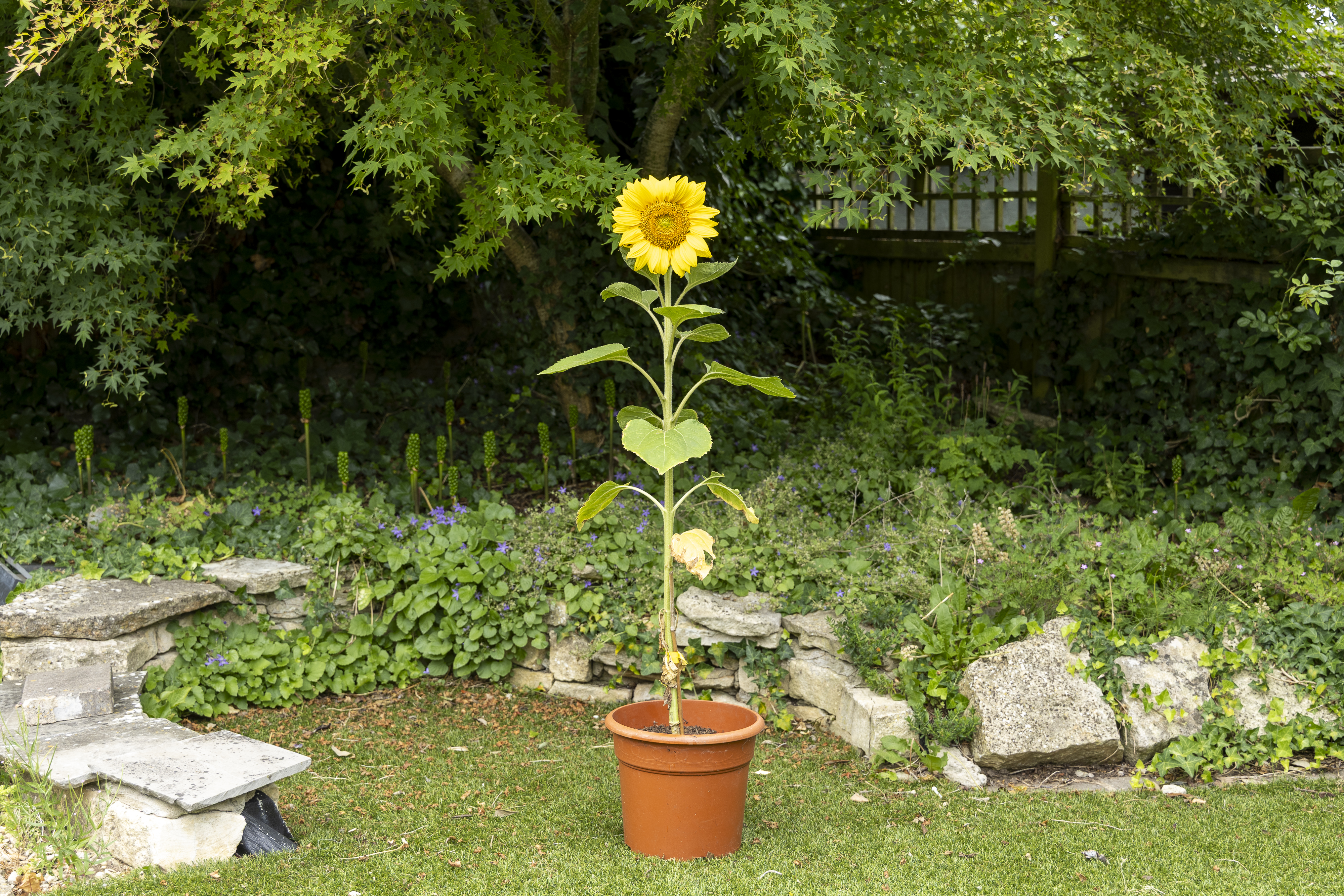
It also only allows you to use one central AF point (or box), which is fixed, and tracking frames are not displayed. Initially I found this was fine, until I realized that it affects metering for off-center subjects – as the above photos illustrate.
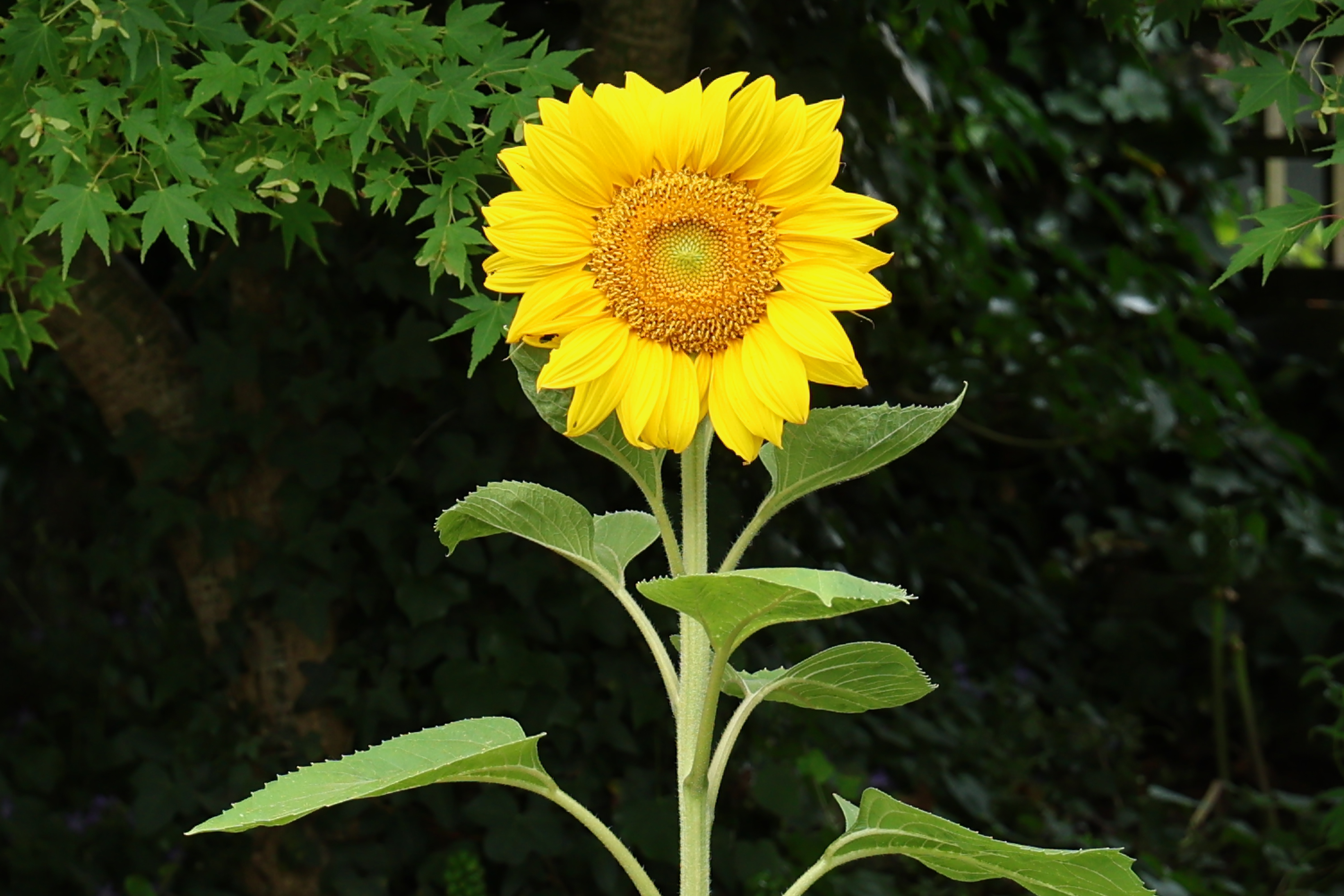
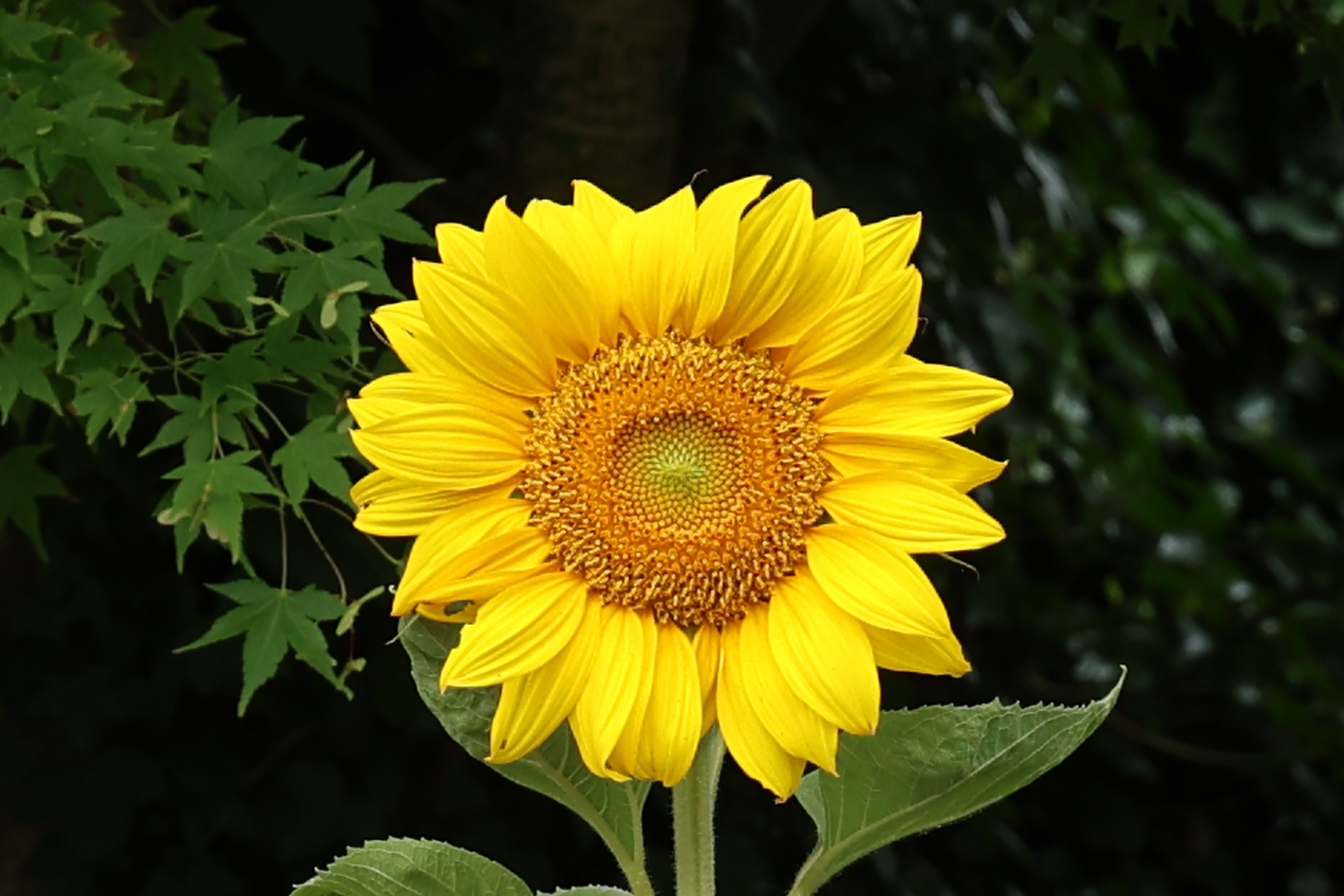
However, while clever in-camera interpolation somehow keeps the 2.0x and 4.0x images at 24MP 6000 x 4000 pixels at 350dpi, they are simply heavily cropped (or zoomed-in) – so image quality is, well, rubbish. Images look low-res and unsharp.
The Digital tele-conv can also be used in conjunction with the EOS R8's 1.6x crop mode to give you 3.2x or 6.4x magnification, but again – it’s just heavily cropping into an already cropped image, so quality drops off rapidly.
I wouldn’t be surprised if the Digital tele-conv mode disappears from future EOS cameras. It’s not available on the EOS R5 Mark II for good reason.
If you need extra reach for Canon lenses, get a proper teleconverter (which Canon calls extenders) for your telephoto lenses. Canon Extenders are available in 1.4x and 2x in both EF and RF mounts, and will deliver far superior results to these digital in-camera crops.
You might also like…
Take a look at the best teleconverters in 2026 to see how they work and what to look for. And of course, you can check out the best Canon telephoto lenses and best Canon superzoom lenses to get more reach without any optical compromise.