In a whirlwind of events, an Axios report suggests an emerging rift within the heart of the U.S. administration over mounting Palestinian casualties in the Israeli-Palestinian conflict. This anonymous source quoted National Security Advisor clearing the air with the Israeli Prime Minister, stating that the escalated intensity of the conflict in Gaza will need to transition to a low-phase combat mode in weeks rather than months.
However, U.S. officials rebuke these allegations, affirming that there was no attached timeline to the conversation but rather inspections, advice, and inquiries. This comes alongside the Advisor's affirmation that the U.S. engagement in the Israeli-Palestinian conflict is far from passive.
The key focus of the National Security Advisor's conversation with the leaders involved an envisioned transition from the high-intensity combat phase to a more peaceful trajectory. However, the uncertain factors include the timeline of the transition and the conditions that would catalyze it. Hence, demanding an ongoing, tightened conversation between the U.S. and Israel.
Twitter Post On Harris Reportedly Urges More Empathy for Palestinian Casualties
In the middle of these verbal crossfires are talks about the private advocacy of Vice President Kamala Harris for the Biden administration to demonstrate more public concern for the Palestinians. However, officials robustly deny any internal rifts within the American government over the mission to eradicate Hamas, Israel's target. These denials come amid a swirl of criticism from Republicans, who argue the mixed messages from the U.S. administration could potentially undermine Israel’s strategic position.
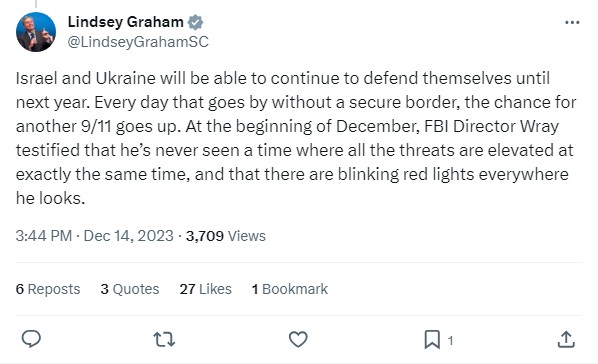
This intensifying scenario has been further fueled by Secretary Blinken's recent deleted post advocating for a ceasefire, leaving behind ripples of scrutiny and contention. Now with Congress in recess failing to reach an agreement that would squelch the tumultuous atmosphere and ensure the safety of Israel and Ukraine, it is high time for decisive actions.
The thread of understanding between the U.S. and Israel is under increasing strain as the so-called two-state solution remains at the center of current discussions. The U.S. President, in his recent speech, called out for a change in Israel's approach, indicating the possibilities of a shift in the tide. Meanwhile, Israeli's stance of carrying on the campaign until their objective is reached is adding complexity to the situation. Amidst these dissenting voices, clarity on the disagreement between the U.S. and Israel remains shrouded.