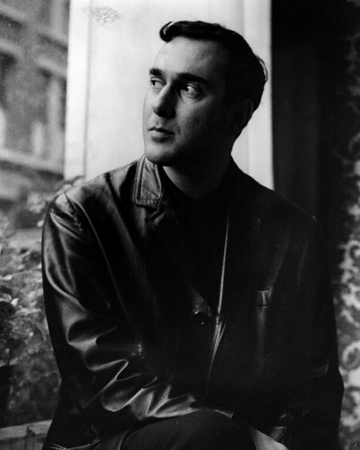
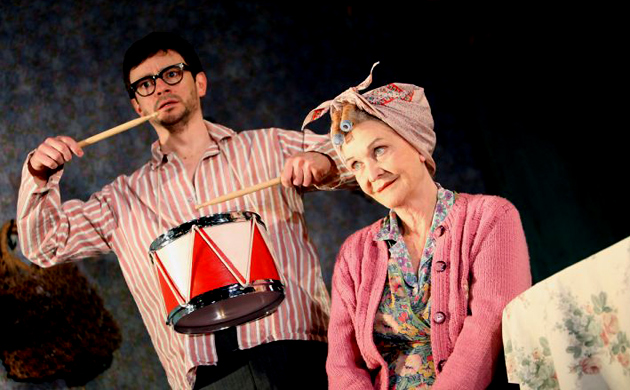
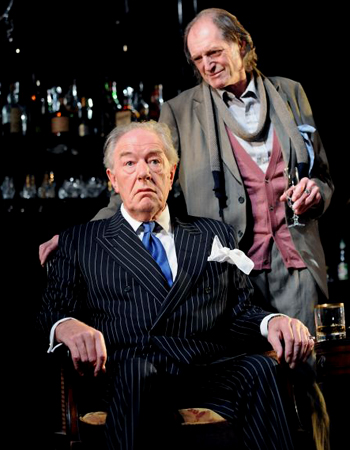
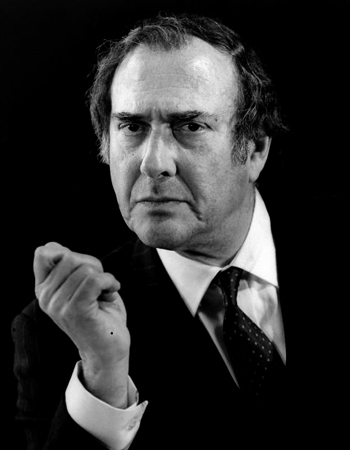
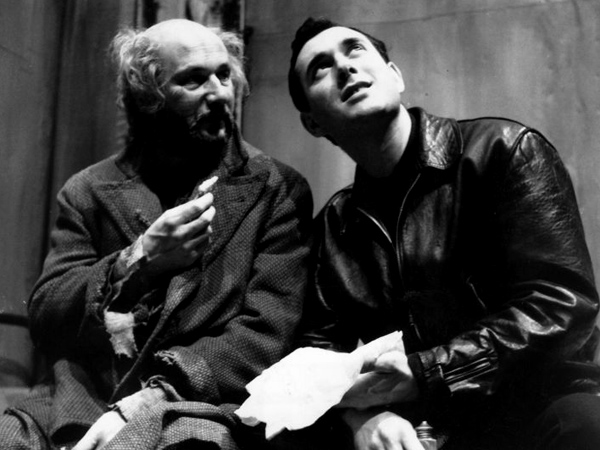
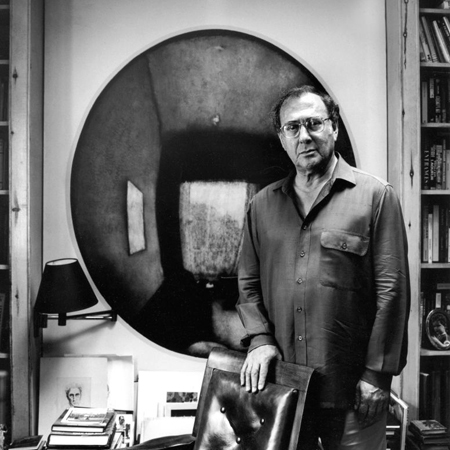
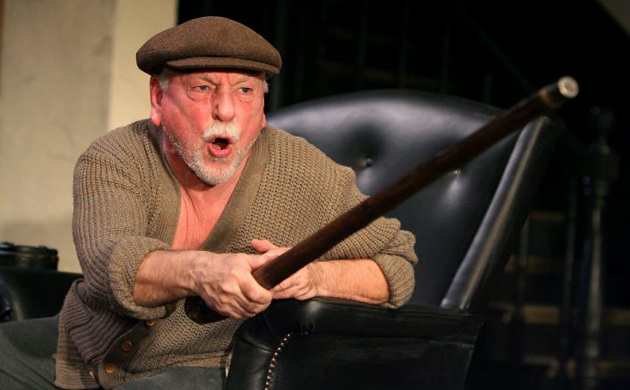
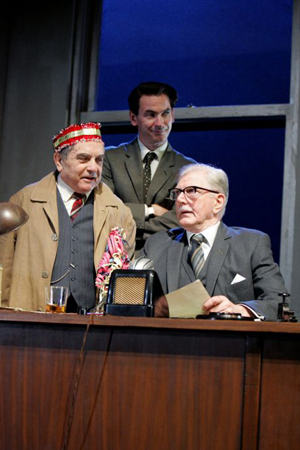
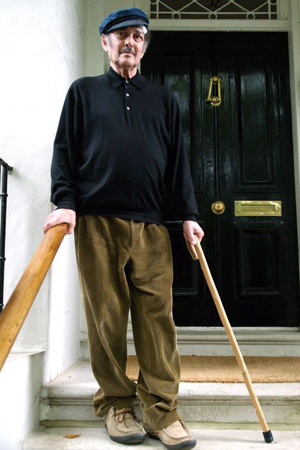
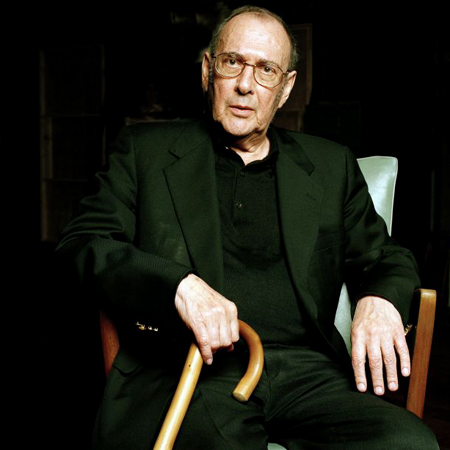
Born in 1930, the only son of Jewish immigrants, Pinter grew up in the East End of London. After leaving school, he studied at Rada and embarked on a career as an actorPhotograph: Hulton Archive/ University of Dundee/The Michael Peto CollectionTravelling around Britain in touring rep productions, Pinter spent more and more time writing, and in 1958 produced his first major work, The Birthday Party, a typically dark tale concerning a senile landlady (played here in the 50th anniversary production by Sheila Hancock) and her mysterious lodger (Justin Salinger)Photograph: Tristram KentonAnother of Pinter's masterpieces to be revived recently was No Man's Land (1975). The production starred Michael Gambon as the boozy Hirst, who finds himself playing host to a stranger named Spooner (played by David Bradley). The Duke of York's production also starred Little Britain's David Walliams and was directed by Rupert GooldPhotograph: Tristram Kenton
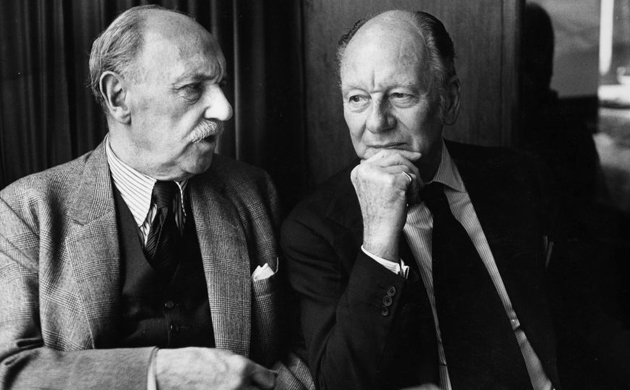
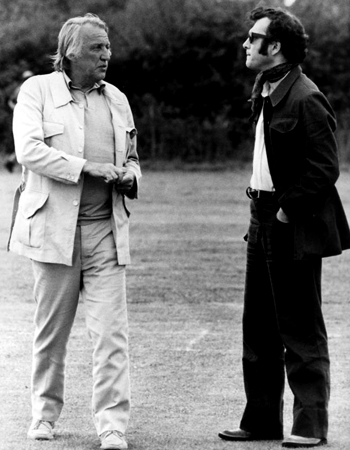
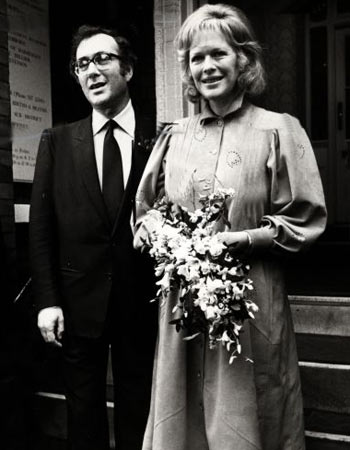
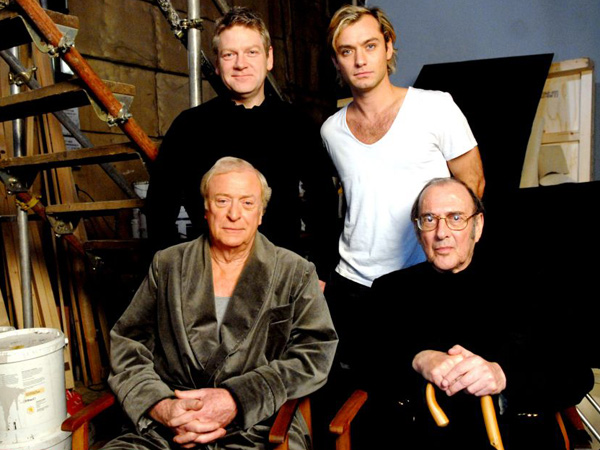
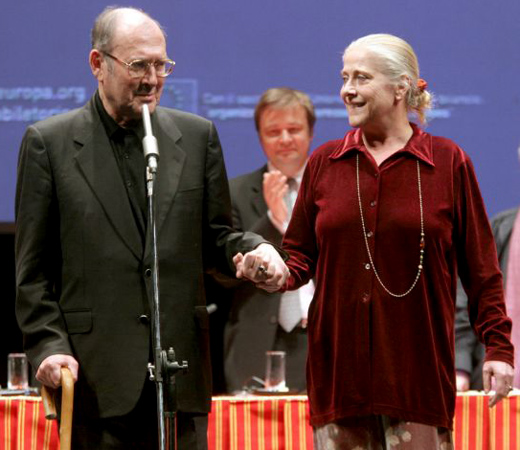
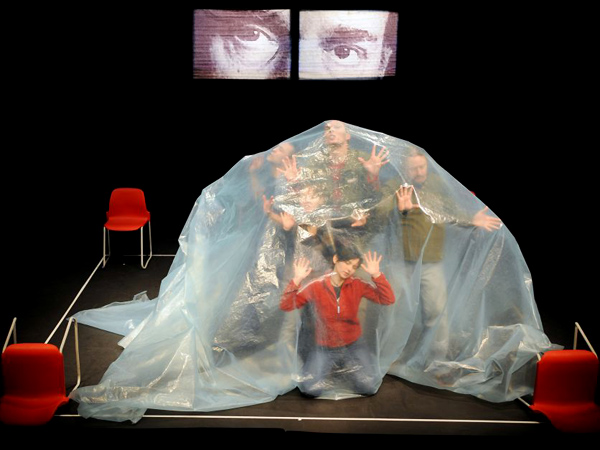
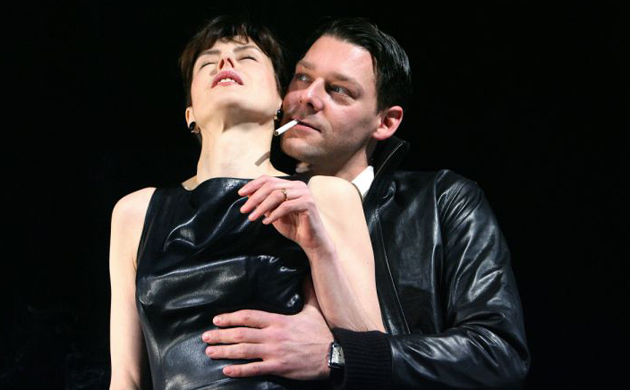
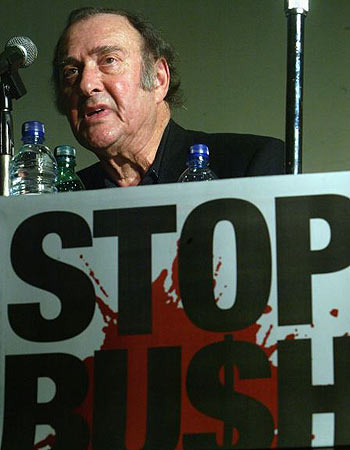
No Man's Land was first staged at the Old Vic in 1975 with Ralph Richardson as Hirst and John Gielgud as Spooner. Peter Hall directed the production and Richardson won a Tony with its Broadway transferPhotograph: Jane BownPinter often took roles in stagings of his own work, and played the part of Hirst himself in a 1993 production of No Man's Land at the Almeida in LondonPhotograph: Tristram KentonDonald Pleasance played the tramp Davies in Pinter's The Caretaker on the stage and also in its screen adaptation. The film was partially funded by Hollywood stars Elizabeth Taylor and Peter SellersPhotograph: Hulton ArchivePinter was no stranger to the cinema, with The Servant, The Birthday Party, The Homecoming and Betrayal all turned into films. He also adapted LP Hartley's The Go Between for a 1969 film starring Alan Bates and Julie Christie and directed by Joseph Losey (left, with Pinter)Photograph: Ronald Grant ArchiveIn 1980, Pinter married his second wife, the historian Lady Antonia Fraser, at Kensington registry office. "He was a great man, and it was a privilege to live with him for over 33 years," said Fraser in a statement to the Guardian on Christmas day. "He will never be forgotten."Photograph: Press AssociationPinter adapted several plays and novels for the big screen, including The French Lieutenant's Woman and The Handmaid's Tale. He wrote the screenplay for the 2007 film Sleuth, starring Michael Caine and Jude Law, and directed by Kenneth Branagh. Pinter also had a cameo appearance in the moviePhotograph: Sony Pics/Everett/Rex FeaturesAs well as plays and screenplays, Pinter also wrote poetry throughout his career. His subjects ranged from personal matters, such as his treatment for cancer in 2002, to world events such as the war in IraqPhotograph: Eamonn McCabeIn 2006, Pinter received the EU's Europe award and gave a speech about the United States, announcing: 'I should like to have so many days to live to see the day when Europe will join to struggle against US power'Photograph: STR/EPAPinter engaged with politics throughout his career, and gave a highly charged speech against US foreign policy when he received the Nobel prize for literature in 2005. Sections from the speech were used by the Belarus Free Theatre company in their recent production Being Harold PinterPhotograph: Linda NylindBeing Harold Pinter was staged at the Soho theatre in early 2008, during a rash of Pinter productions in London. The Homecoming, written by Pinter in 1964, was staged at the Almeida with Kenneth Cranham as a foreboding paterfamilias introduced to his son's new wifePhotograph: Tristram KentonAnother early Pinter, The Hothouse, was also revived in 2007. The National production starred Henry Woolf (Tubb), Paul Ritter (Lush) and Stephen Moore (Roote). Although Pinter wrote the nightmarish play about state detention in 1958, it wasn't staged until 1980. Reviewing the 2007 production, Michael Billington declared: 'This early Pinter confirms that from the start he was not only a master of menace. He had a profound understanding of the danger of unchecked state power'Photograph: Tristram KentonBarely weeks after The Hothouse closed, a Pinter two-hander was resurrected at London's Comedy theatre: The Collection and The Lover, which starred Gina McKee and Richard CoylePhotograph: Tristram KentonTowards the end of his life, Pinter became, if anything, more politicised. His outrage over the conflict in Iraq saw him attending Stop The War Coalition rallies (such as this one, at the Friends Meeting House on November 18, 2003) and denouncing Bush and Blair in his Nobel acceptance speechPhotograph: Bruno Vincent/GettyIn December 2007, the British Library acquired a Pinter archive, allowing a peek into the playwright's correspondence with Samuel Beckett and David Mamet, a first draft of Betrayal and even a photo of Pinter as Romeo in a school playPhotograph: Goffredo/Rex FeaturesIn recent years, Pinter had become increasingly unwell, in and out of hospital after undergoing treatment for cancer. But his spirit remained undimmed. 'You fight and fight to stay alive,' he told an audience in Turin in 2006Photograph: Eamonn McCabe
Sign up to read this article
Read news from 100’s of titles, curated specifically for you.