More fuel is flowing to shortage-hit regional areas, the government says, as tougher penalties for price gouging pass parliament.
Legislation doubling the maximum fine for false and misleading conduct or cartel behaviour to $100 million was given the green light by the Senate on Thursday afternoon.
While the changes apply across the economy, the government is framing them as a way to protect motorists from exorbitant price rises driven by the war in the Middle East.
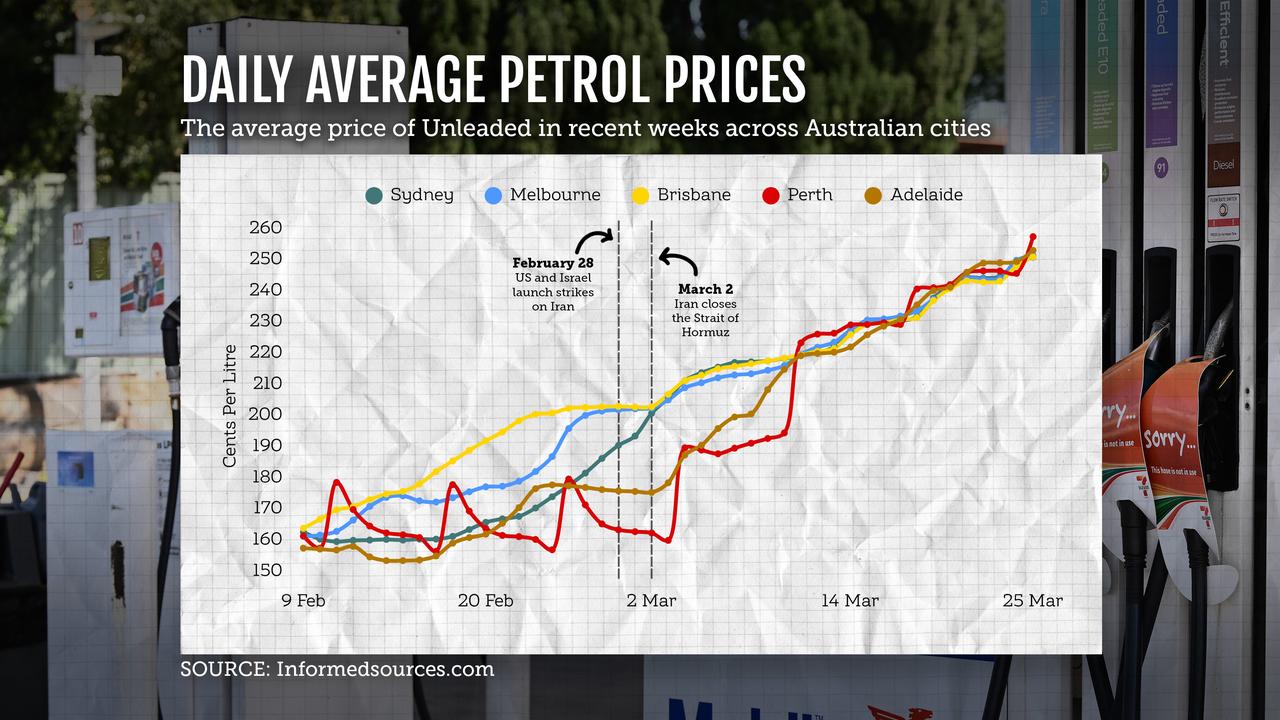
The laws would ensure petrol companies would not be able to profit from the fuel shortage, Treasurer Jim Chalmers said.
"We're not immune from uncertainty and volatility in the global economy, but this action is all about protecting consumers and holding petrol suppliers and retailers to account," he said.
National cabinet will meet to discuss the ongoing fuel crisis on Monday.
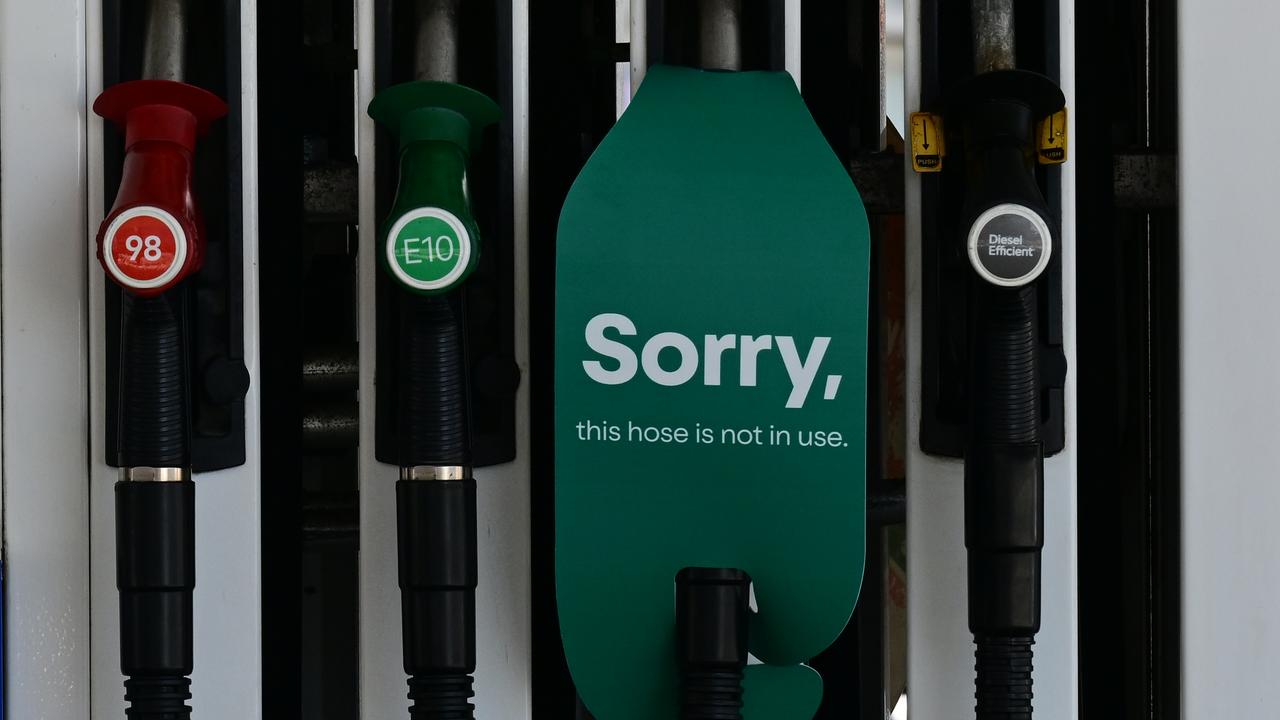
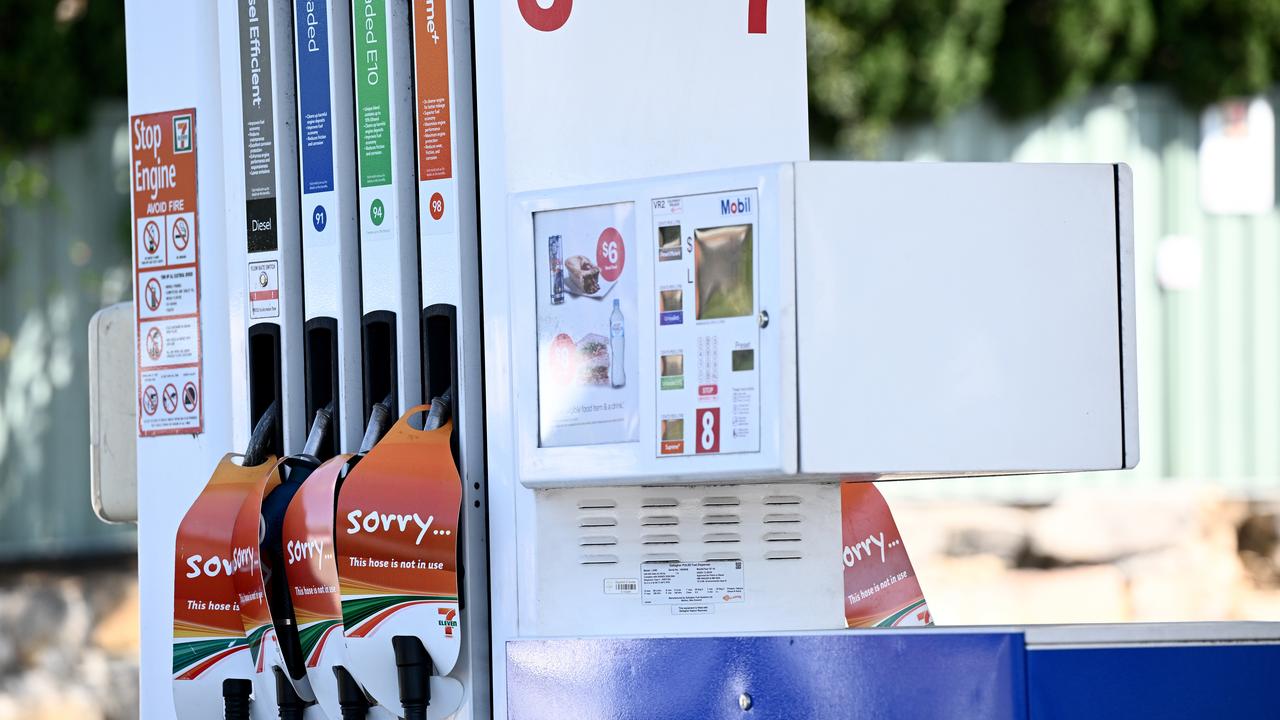
More than 500 service stations were without some kind of fuel on Thursday but more petrol and diesel was flowing to regional areas, Energy Minister Chris Bowen revealed in parliament.
Ampol's distribution of fuel to the regions was up 34 per cent year-on-year, Mr Bowen said, with the largest increase of 66 per cent in South Australia and the smallest of 19 per cent in Victoria.
Opposition Leader Angus Taylor said the government needed to focus on directing fuel stocks to sold-out service stations.
"Pick up the phone, speak to the companies, tell them to move the fuel to where the servos are sold out," he said.
Mr Bowen has left the door open to measures aimed at driving down fuel demand, including encouraging people to work from home and increasing levels of ethanol in petrol.
It was no longer a question of if, but when, higher costs would flow through to consumers, supply chain management and logistics, expert Elizabeth Jackson said.
"Every kilojoule of food that comes from an Australian farm is moved by a diesel-powered vehicle," Dr Jackson told AAP.
"Even the most basic of foods - fresh fruit and vegetables that don't go through any sort of processing - right through to the most processed exported foods, are dependent upon transport systems."
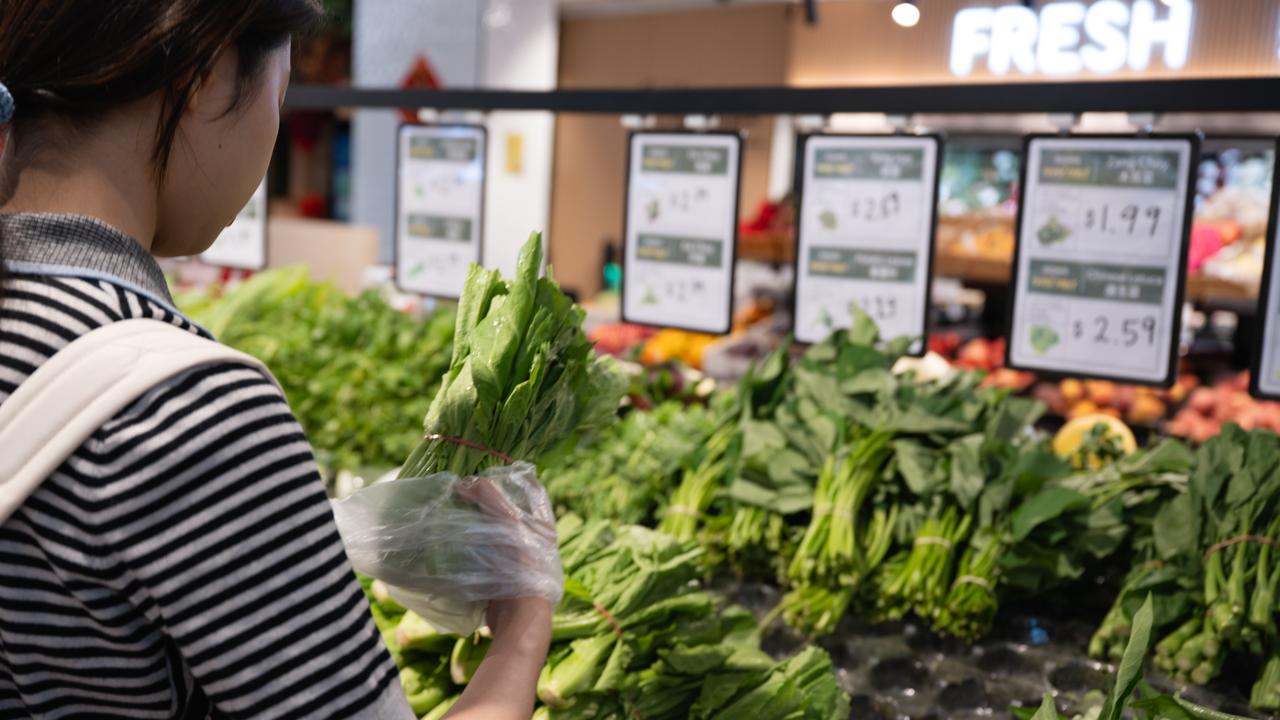
Price rises are likely to begin with fresh produce because of its constant need for transport.
Increases are possible within two to three weeks, with a "slow burn" more likely than a sudden spike.
"The fresher the produce, the quicker we're going to see the prices increase," Dr Jackson said.
The likely grocery price increases, combined with the cost of fuel, would have real health impacts on vulnerable Australians, particularly Indigenous women and girls in remote communities, Charles Darwin University researcher Yvette Roe said.
"As mothers and young families' costs rise, there is now concern that remote areas are facing starvation and lack of sanitary and medical items if relief cannot be provided," she said.
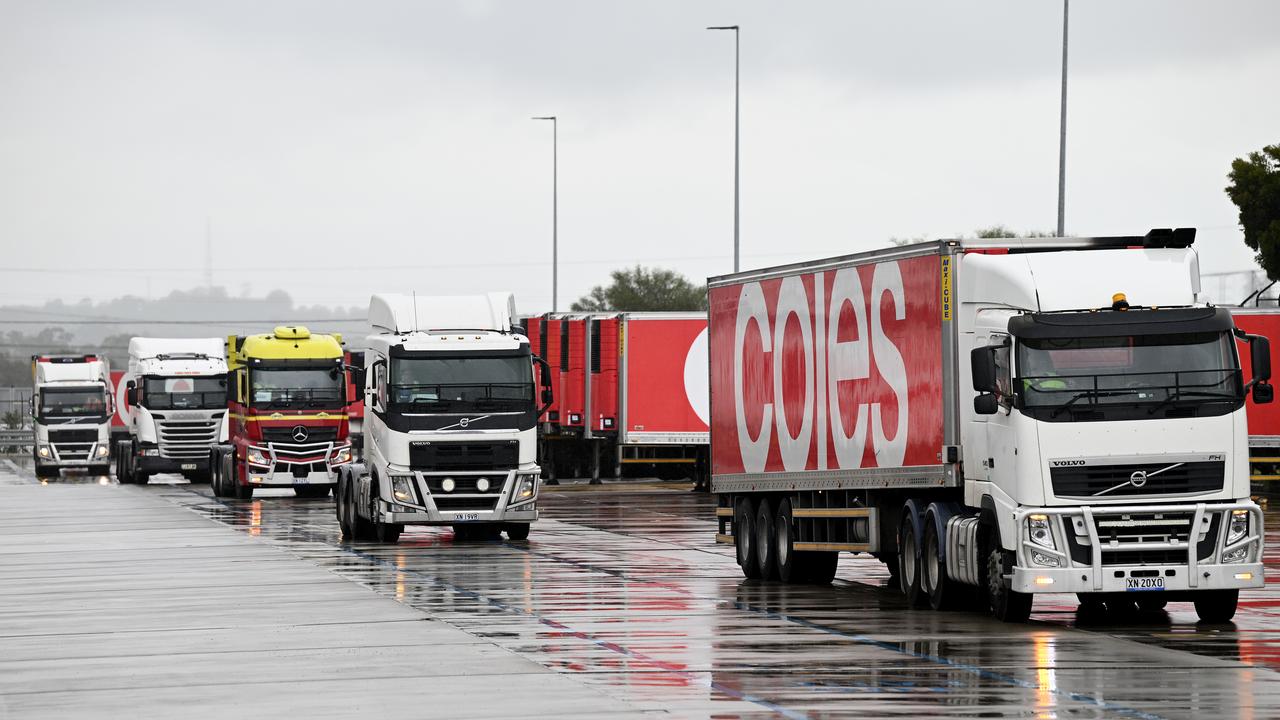
Coles plans to review how much it pays companies that are transporting food and groceries to its stores.
The supermarket giant did not say whether this would lead to an increase in prices for shoppers.
"We will be temporarily increasing the frequency that we review the fuel component of our freight rates from monthly to twice per month – so that changing fuel costs are reflected more quickly and fairly," a company spokesperson said.
"In the current climate, this means transport providers will be able to recoup more of the rising fuel costs."