Cities work long and hard to develop waste management strategies that keep their streets clean and residents healthy.
One key aspect of these systems is an efficient schedule, which optimizes collection routes and, in turn, minimizes the amount of time and other resources required to transport the waste.
However, as Reddit user Shieldtown95 recently pointed out, municipalities might get the idea that they can save on these crucial services. They still remember a holiday season from a few decades ago when their local authorities cut the garbage collectors’ overtime pay and turned the neighborhood itself into a mini dump.
A well-functioning waste management system is something many of us take for granted

Image credits: Toa Heftiba/Unsplash (not the actual photo)
As this story illustrates, it’s actually fairly easy to mess up
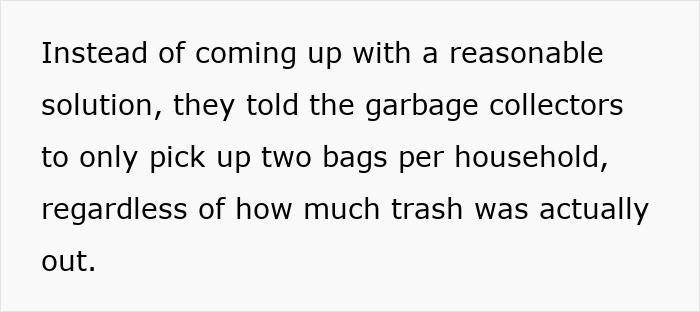

Image credits: Ewoud Van den Branden/Unsplash (not the actual photo)
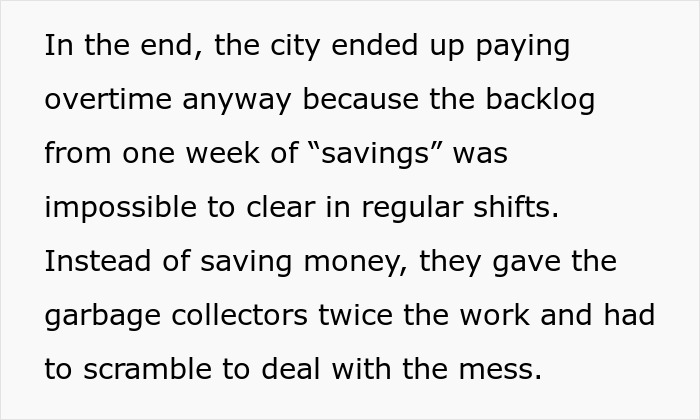
Image credits: shieldtown95
Current research advises governments to do the opposite—to include and inform communities about waste management to the best of their abilities rather than keeping them in the dark
Solid waste management makes up approximately 5 percent of global greenhouse gas emissions, so it’s important for us to keep improving it as much as we can.
One of the reasons why the process can be so difficult to manage is that it involves many stakeholders, including businesses, governments, households, community organizations, etc.
These stakeholders influence where and how waste is generated, sorted, recycled, and disposed of, and how waste services are paid for.
In a recently published report “Behavior change in solid waste management: A compendium of cases,” the World Bank Group assessed 30 case studies from different countries with a mix of income levels and geographies, and discovered that successful waste management depends on stakeholder participation, social support, and a strong social contract with citizens.
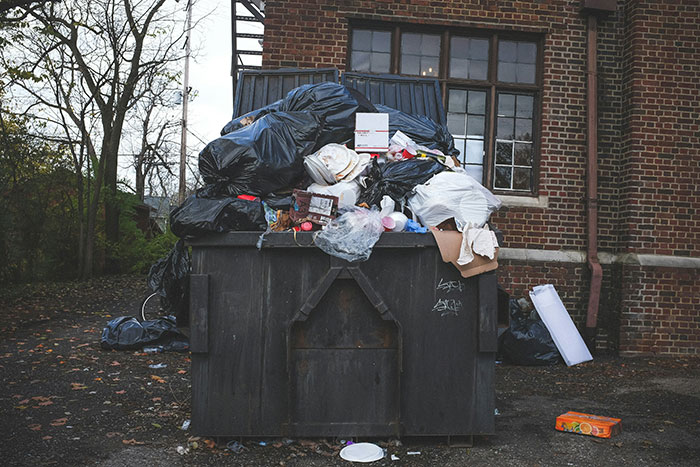
Image credits: Kenny Eliason/Unsplash (not the actual photo)
The organization discovered many barriers hinder communities from adopting sustainable waste-related practices, including ingrained habits, lack of knowledge, inconvenience, time burdens, and structural limitations —such as inadequate infrastructure or prohibitive costs — but by excluding our Redditor and their neighbors from the decision-making and enacting huge changes on its own whim, the local government was already on a direct path to failure.
“The governance framework for the sector should clearly articulate institutional responsibilities; include adequate policies and financing; and proactively include community, public, and private stakeholders,” the report said.
Nowadays, research suggests the opposite: municipal authorities should help residents obtain as much information on waste management as possible. When the public can track the process across different parameters, they gain a better understanding of what their own contribution should look like—which may include reducing consumption (during the holidays).
The person behind the story reiterated how hectic the whole situation was
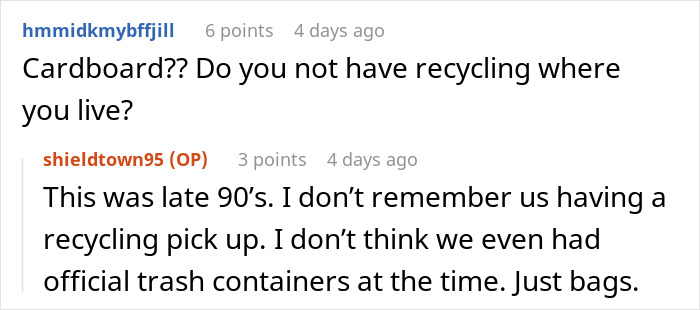
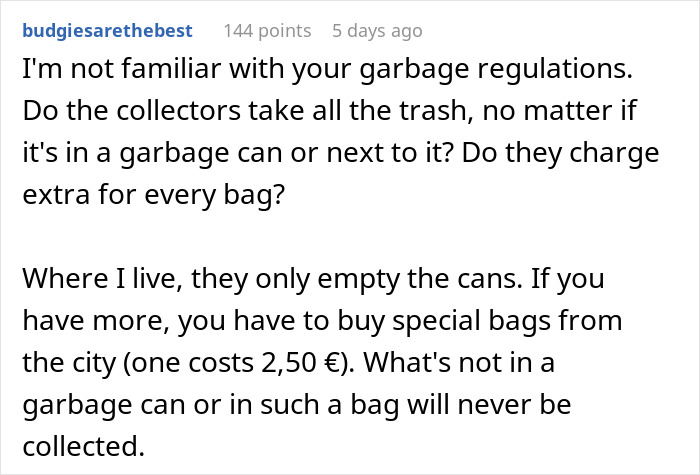
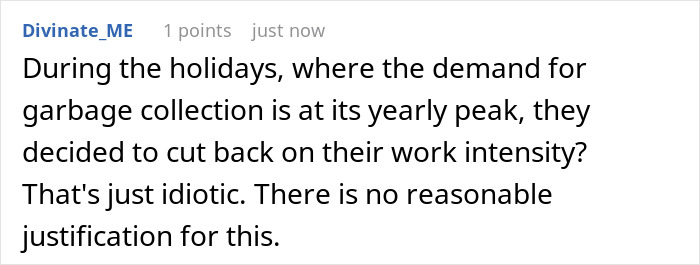
And people have had plenty of reactions to it









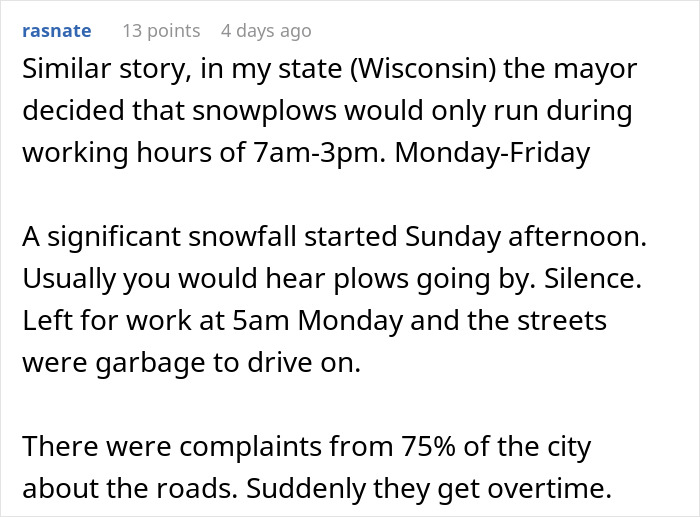
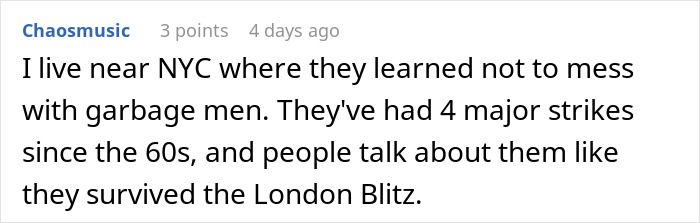
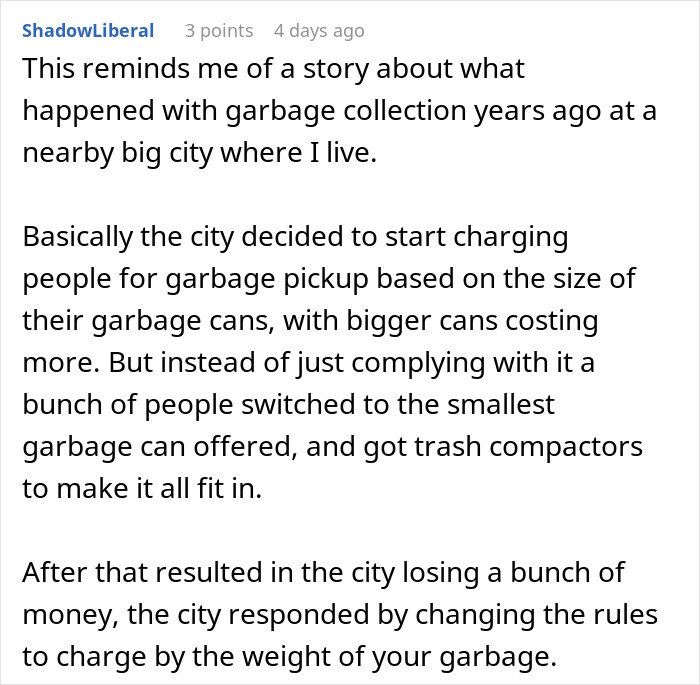
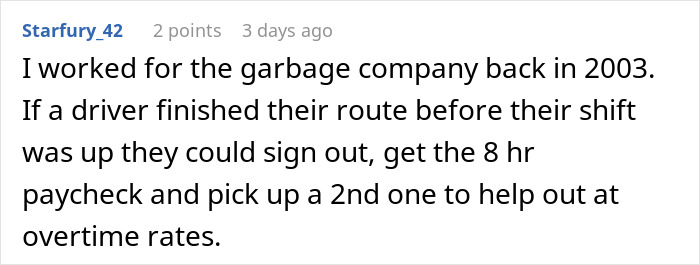
Some even shared their own similar experiences