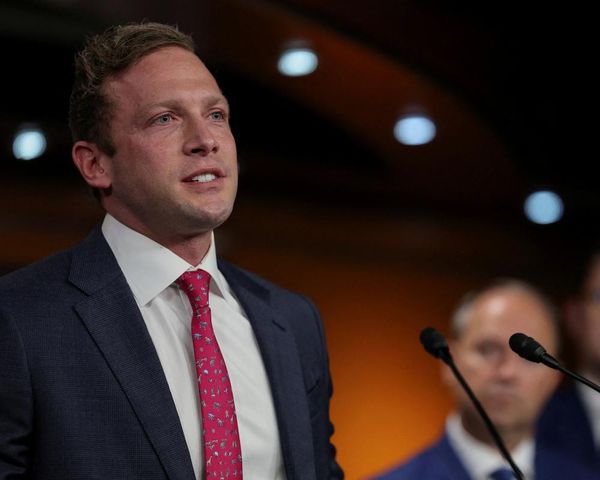
Maine voters finalized one of the most closely watched Senate matchups of the 2026 election cycle on Tuesday, with Republican Sen. Susan Collins and Democrat Graham Platner winning their respective party nominations and advancing to the general election in November.
The contest is set to draw national attention as Democrats seek to regain ground in Congress. Collins, who was first elected to the Senate in 1996, ran unopposed for the Republican nomination and is seeking a sixth term.
Platner, a Marine veteran and oyster farmer making his first run for federal office, secured the Democratic nomination, faced limited opposition after Maine Gov. Janet Mills suspended her campaign in April after struggling to gain momentum.
In remarks following his victory, Platner criticized Collins over several votes during her Senate tenure, including her support for Supreme Court Justice Brett Kavanaugh's confirmation. He argued that Collins had failed to uphold commitments she made to Maine voters.
Collins' campaign responded by emphasizing her legislative record and focus on issues such as health care, education, public safety and economic development. Her campaign said Maine voters are looking for results rather than divisive political rhetoric.
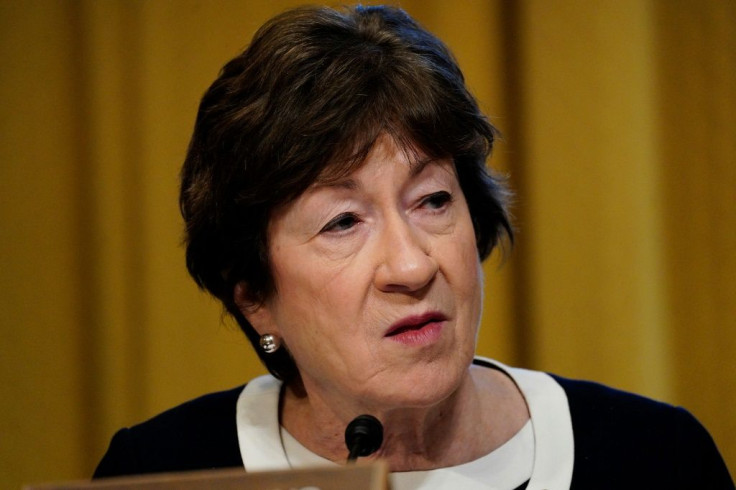
The race carries broader significance because Democrats view Maine as one of their strongest opportunities to challenge a Republican-held Senate seat. Maine was won by Democratic presidential nominee Kamala Harris in 2024, making Collins the only Republican senator currently representing a state carried by the Democratic ticket in the last presidential election, according to The Associated Press.
Despite the state's Democratic lean in presidential contests, Collins has repeatedly demonstrated political resilience. In 2020, she won re-election by more than eight percentage points even as then-presidential candidate Donald Trump lost Maine by roughly nine points. Collins has maintained a reputation as one of the Senate's most prominent moderates and recently cast her 10,000th consecutive Senate vote, a milestone highlighted by her campaign and allies.
Trump has also publicly endorsed Collins. Speaking on Fox News in March, the president expressed support for her re-election bid and stressed the importance of maintaining the Republican Senate majority.
Platner's rise has attracted national attention because of his unconventional political background and populist message. The first-time candidate built support through calls to reduce economic inequality, expand access to health care and limit the influence of money in politics. His campaign drew endorsements from progressive figures including Sen. Bernie Sanders of Vermont and Sen. Elizabeth Warren of Massachusetts, according to The Guardian.
At the same time, Platner's candidacy has been overshadowed by controversies that surfaced during the primary campaign. Media reports have highlighted years-old Reddit posts in which he used inflammatory language and made comments about sexual assault that he later apologized for. Questions have also been raised about a tattoo that Platner said he covered after learning of its association with Nazi imagery. Additionally, several former romantic partners alleged what they described as troubling behavior, allegations that Platner has disputed.
The controversies prompted concern among some Democratic officials, although leading progressives continued to back his candidacy. Following Tuesday's result, prominent Democrats moved to rally behind the nominee as attention shifts to the general election campaign.