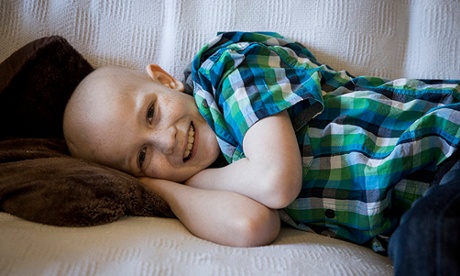
Childhood cancers can be difficult to diagnose: symptoms are often similar to other illnesses and, because it is rare, a GP is only likely to see one or two cases in their whole career. But the impact of a cancer diagnosis is devastating and it’s vital that we find ways to reduce potential delays in diagnosis.
It’s Childhood Cancer Awareness Month and in the lead up to it, Clic Sargent polled parents who have children with cancer or have had cancer in the past. Six in 10 told us they felt the GPs they saw had insufficient knowledge of the key symptoms. A third said they felt their child had a delayed diagnosis and just under half saw their GP at least three times before their child was diagnosed.
Over the course of our careers providing emotional, clinical and practical support to young people and their families, my colleagues and I have met many parents who have felt this way and heard many shocking stories of delays in diagnosis.
For example, one four-year-old faced a five-month delay before being diagnosed with leukaemia as his symptoms were put down to “growing pains”. An 11-year-old who was ill with a kidney tumour visited her GP with her mum at least once a month for an entire year with stomach pains, aches and infections before a diagnosis was made in hospital.
A desperate mum whose two-year-old son was in so much pain that she went to her GP initially then to A&E a number of times refused to leave until she got an urgent referral. At that appointment an ultrasound revealed a large tumour growing in her son’s bladder.
In July, the independent cancer taskforce published its cancer strategy for England, which acknowledged that a disproportionate number of children and young people are diagnosed with cancer at A&E.
Between 2006 and 2010, just over half of children aged 14 and under who had cancer were diagnosed in A&E. That is much higher than adults aged 25 and over, where just under a quarter (23%) were diagnosed in A&E.
In some childhood cancers, such as acute lymphoblastic leukaemia, cancer cells multiply fast and a child can become sick very quickly. In such cases, going to A&E is often the best thing to do and it is not surprising that diagnosis occurs there, but that is not the case for cancers that develop more slowly.
It is not clear why there is this disparity between diagnosis in children and adults at A&E or what impact this has on treatment and survival rates, which is why we’re calling on the NHS and governments to develop an action plan to implement any improvements needed as part of our Better Care for Young Cancer Patients campaign.
My colleagues and I also come across countless stories about GPs who have been fantastic and many parents who appreciate how difficult making a diagnosis of a rare cancer can be for them, especially given the pressures they face.
As part of our campaign, we also asked more than a thousand GPs to rank what they thought were the biggest barriers to identifying cancer in children and young people, and what extra support could help them.
It is telling and concerning that almost a third (32%) said their lack of awareness of childhood cancer symptoms was a problem. And almost half (46%) said the top barrier was a lack of available training on identifying cancer in children and young people.
Almost three in five (57%) said discussions with experts, such as paediatric specialists, about specific cases would help them.
We know that ministers and NHS leaders throughout the UK are working to improve outcomes for cancer patients as a priority, but the results of our polls suggest that a specific approach to addressing concerns about the diagnosis of childhood cancer is needed and we’re calling for action on the findings.
There hasn’t been enough research to show what the impact of delayed diagnosis is on children and young people, and that also needs to be addressed. But what is obvious is that the sooner cancer is diagnosed, the sooner a child can start treatment.
Join our network to read more pieces like this. And follow us on Twitter (@GdnHealthcare) to keep up with the latest healthcare news and views.