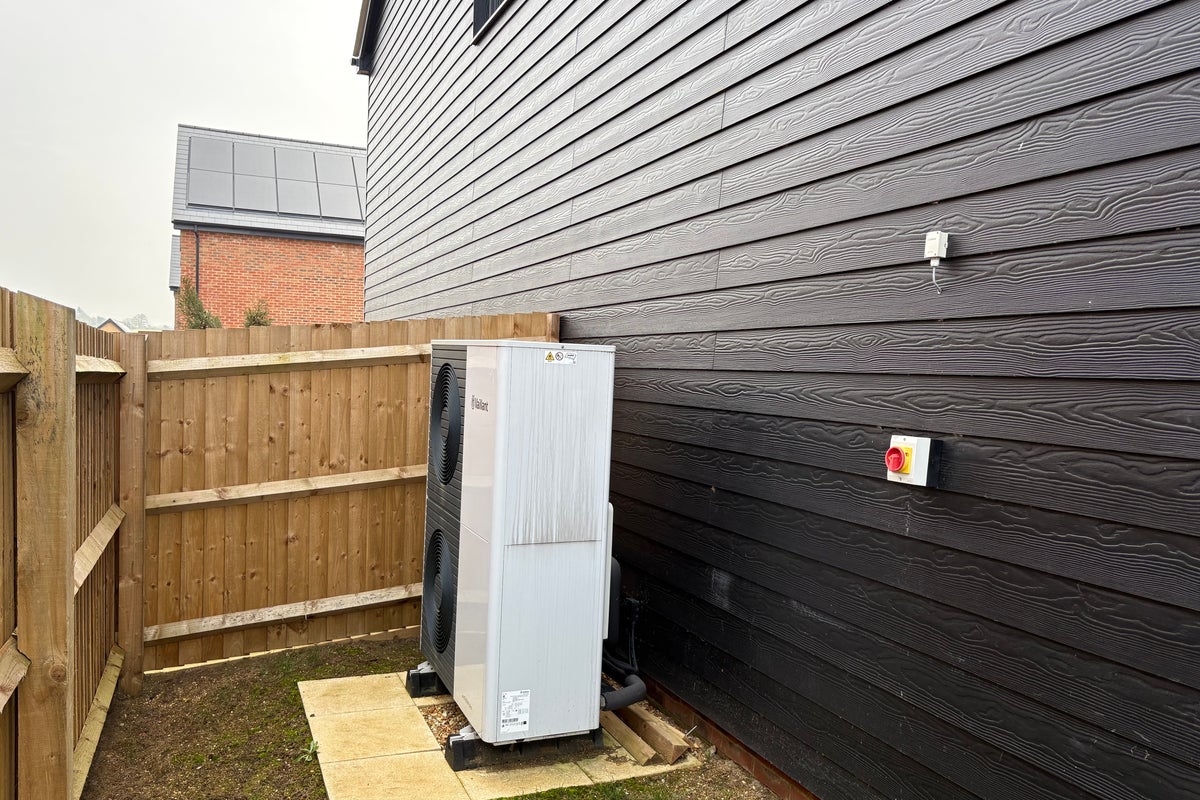
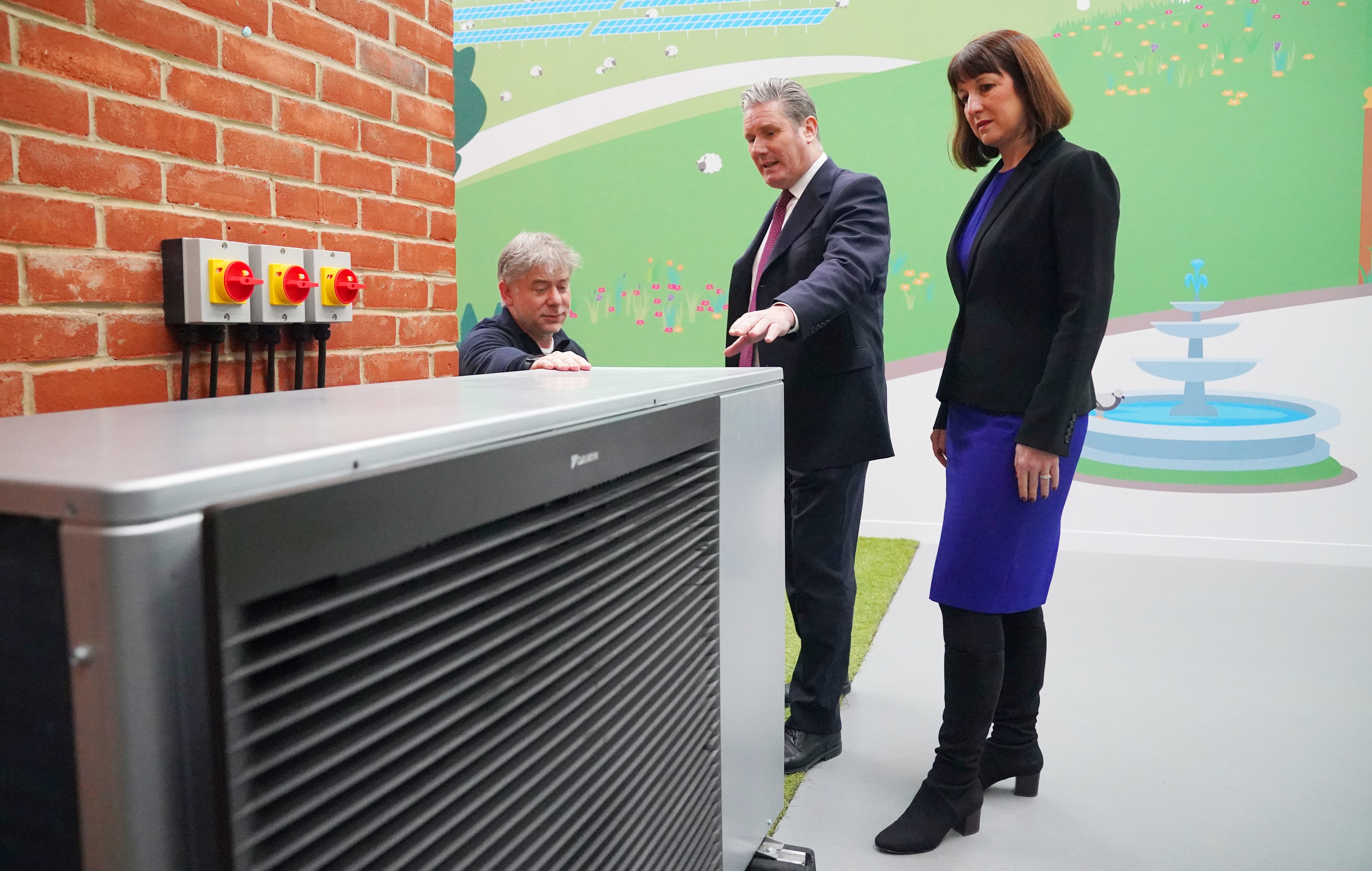
Households grappling with the escalating expense of heating oil are set to receive enhanced grants to facilitate the replacement of their oil boilers with electric heat pumps, the Government has announced.
Ministers are increasing the grants available under the "boiler upgrade scheme" from £7,500 to £9,000 for properties that rely on heating oil and LPG. This initiative aims to assist households and small businesses across England and Wales, particularly in rural areas, in transitioning to electric heating and securing greater predictability over their energy bills.
Families dependent on heating oil or LPG have faced significant cost increases following the Iran war. Figures reveal that heating oil prices, which are not covered by the Ofgem energy price cap protecting gas boiler users, doubled to unprecedented levels between February and March. The Government had previously committed £53 million in targeted support for "vulnerable" heating oil consumers, focusing on "those households that are most exposed".
Simon Francis, co-ordinator of the End Fuel Poverty Coalition, said: “Heating oil and LPG customers have been among the hardest hit by the current crisis.
“The three million households relying on these fuels sit outside the energy price cap and have no equivalent protection when global prices spike.
“These households are disproportionately in rural areas, have lower incomes, and live in older, harder-to-upgrade properties.”
He said the £9,000 grant for these homes would be “very welcome”, but it may not totally bridge the gap for those who could not afford the remaining costs or whose homes need significant work to prepare them to use a heat pump.
An air source heat pump costs £11,000 to install on average, though the cost varies on the size of the heat pump, the size and age of the property, and any upgrades such as new radiators that are needed, according to the Energy Saving Trust.
Mr Francis said: “Therefore, the expansion of this scheme must be accompanied by specialist local advice for households, stronger consumer protections during the works, and targeted additional support for those who cannot meet the shortfall.
“The measure of success is not how many grants are issued, but whether the households most exposed to fossil fuel price shocks are genuinely better off as a result,” he added.