
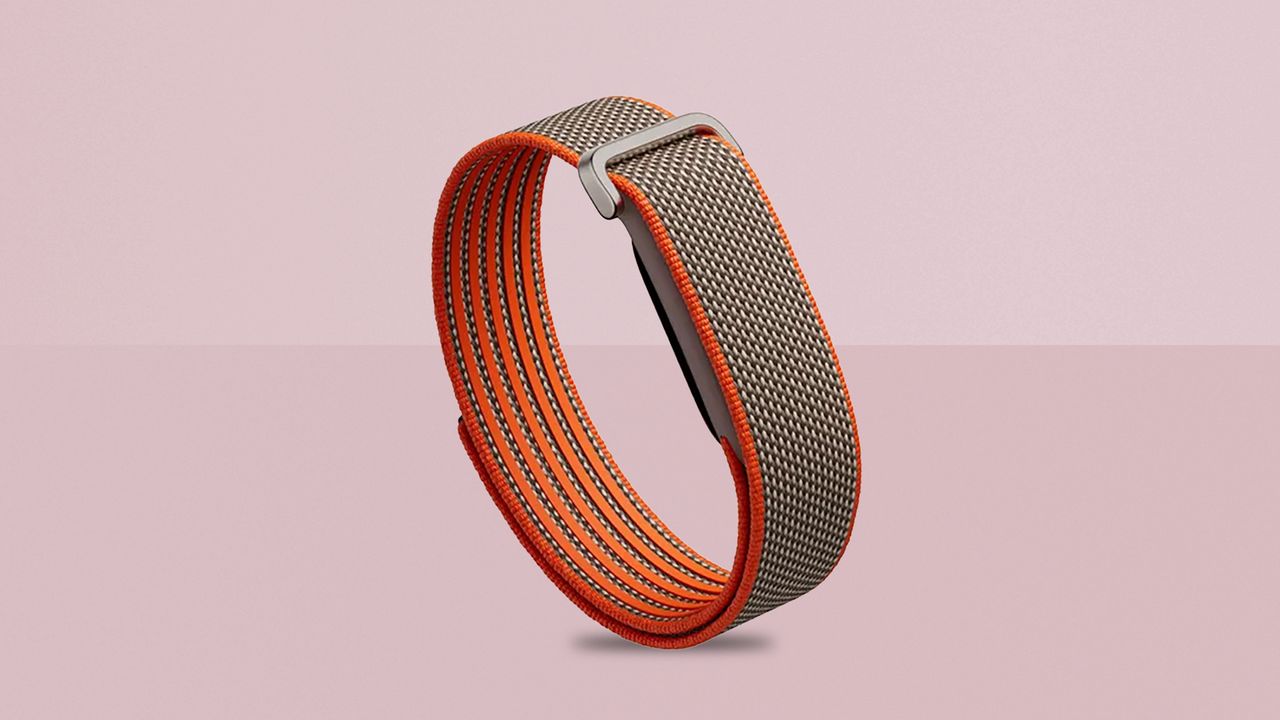
Google has opened up the Fitbit Air ecosystem in a move that could lead to a wave of third-party bands, mounts and accessories for its new screenless fitness tracker.
The company has published detailed hardware specifications, accessory design guidelines and 2D CAD drawings for the Fitbit Air to let independent makers, accessory brands and even home 3D-printing enthusiasts create their own compatible products.
The company's new wearable uses a modular design, with the tracker itself a small, sensor-packed "pebble" that slots into a removable sleeve or band, separating the health-tracking hardware from the accessory wrapped around the user's wrist.
Google says the newly released files include precise dimensions, tolerances and attachment specifications to help creators build accessories that fit correctly and maintain accurate health tracking.
The company has also published guidance on sensor placement, skin-contact requirements, and suitable materials for products that come into direct contact with the wearer.
Opening the toolbox
According to Google, the move is designed to encourage experimentation and customisation from both established accessory makers and independent designers.
The company says the Fitbit Air community has already started developing new ways to wear the tracker, including alternative mounting solutions beyond traditional wristbands.
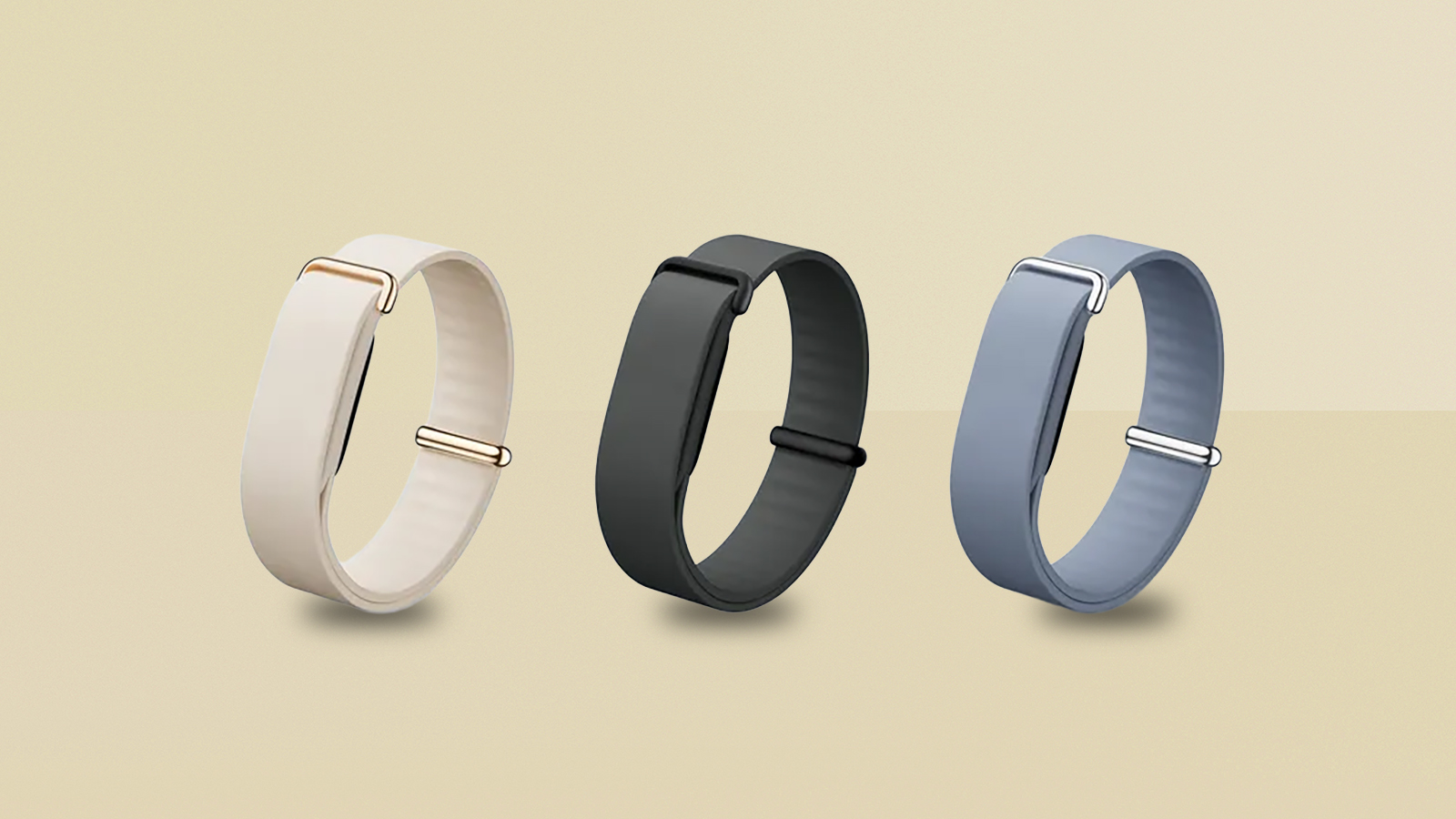
The announcement is particularly notable because few major wearable brands provide this level of access to hardware specifications.
While Apple, Garmin and Samsung largely maintain tightly controlled accessory ecosystems, Google is effectively inviting third parties to help shape how Fitbit Air is worn and used.
The screenless revival
Launched in May, the Fitbit Air marks Google's return to dedicated fitness trackers after several years focused primarily on smartwatches.
The wearable is a lightweight, screenless device designed for 24/7 health tracking, offering features such as heart rate, sleep, blood oxygen, and skin temperature monitoring, as well as automatic workout detection.
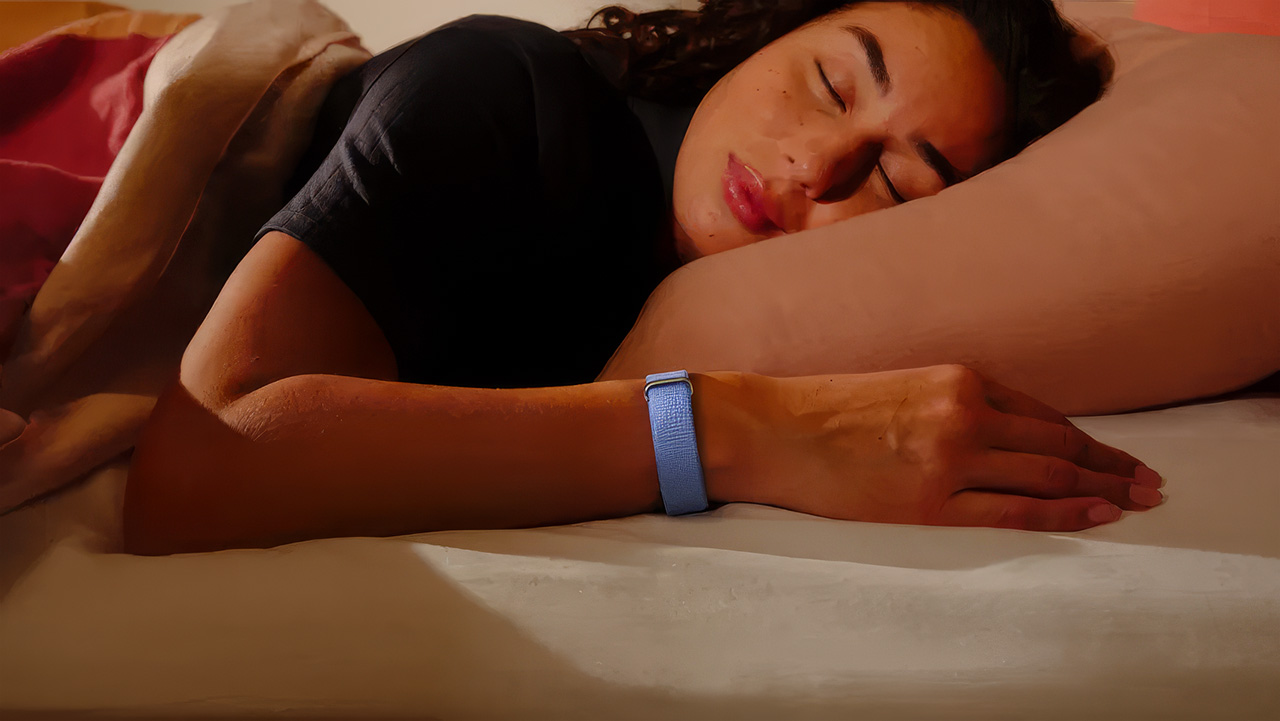
The tracker has often been compared to models such as the Whoop MG, thanks to its display-free design, although Fitbit Air differs by offering core tracking features without requiring a subscription.
It is also significantly more affordable than many screenless health trackers currently on the market.
By making the hardware specifications publicly available so soon after launch, it appears to be encouraging the creation of a broader accessory ecosystem that could help the device evolve beyond a standard wrist-worn tracker.
You can find the CAD drawings here.
[via 9to5Google]