England could soon welcome back golden eagles, as the government has announced new funding to investigate their reintroduction.
These majestic birds of prey, celebrated in Shakespeare's works over 40 times, boast an impressive two-metre wingspan and are crucial apex predators, playing a vital role in maintaining ecosystem balance.
Once prevalent across England, the species was almost eradicated during the Victorian era by sheep farmers and gamekeepers who saw them as a threat to livestock and game birds.
This decline was further exacerbated by the impact of 20th-century pesticide use on their fertility.
For the past 150 years, only a few pairs have been sighted in England, with the last known eagle dying in the Lake District in 2016, though healthy populations persist in Scotland.
However, a new study by Forestry England, published on Sunday, suggests that England now possesses the environmental capacity to support golden eagle populations once more.
The research pinpointed eight potential "recovery zones," primarily located in the north of England, as the most suitable areas for reintroduction. Establishing breeding populations in these regions, however, could take more than a decade.
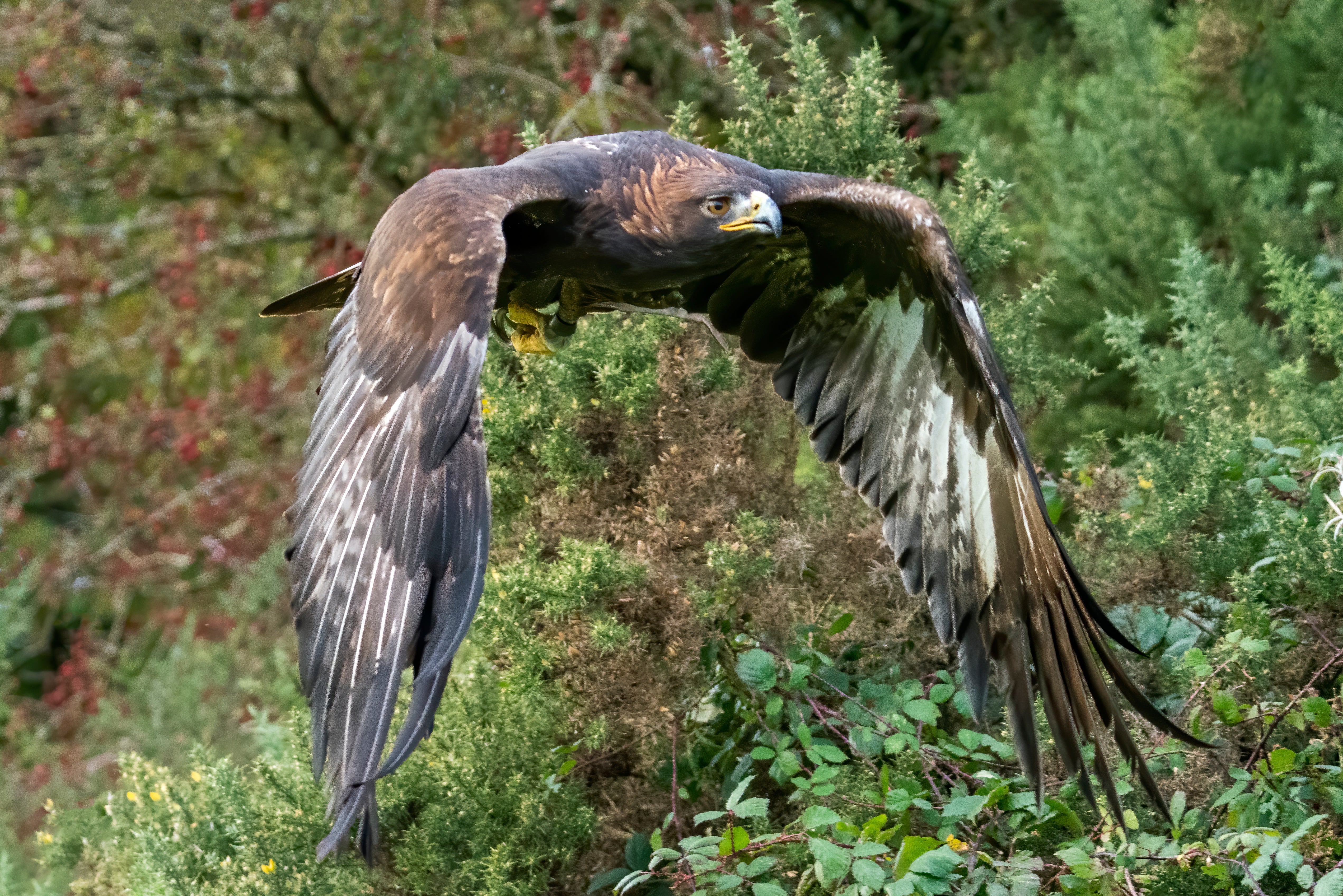
In response, Environment Secretary Emma Reynolds approved £1 million in additional funding to help pave the way for a recovery programme.
This could include reintroduction efforts that would see juveniles aged six to eight weeks old released as early as next year.
Ms Reynolds said: “This government is committed to protecting and restoring our most threatened native wildlife – and that includes bringing back iconic species like the golden eagle.
“Backed by £1 million of government funding – we will work alongside partners and communities to make the golden eagle a feature of English landscapes once again.”
In Southern Scotland, golden eagle populations have recovered to record numbers because of a major project to restore their populations in the area.
Satellite tracking indicates that some of these translocated birds have already begun to fly across the border and explore northern England, the Government said.
It is hoped the new funding will help to support these birds in England, coupled with targeted reintroductions.
Forestry England’s research found that Scottish birds could be seen across northern England within 10 years, but it will take longer for breeding golden eagles to become established in England.
Mike Seddon, Forestry England chief executive, said: “The detailed findings of our feasibility study will guide us with our partners, Restoring Upland Nature, to take the next steps to explore the recovery of golden eagles in northern England.
“This (Environment Department) funding means we can build on the good work we have begun, taking the time to build support and engage with local communities, landowners and land managers and conservation organisations.”
Ministers said the charity Restoring Upland Nature (RUN) will lead the new project alongside other partners, including Forestry England, seeking to replicate the success of the south of Scotland project.
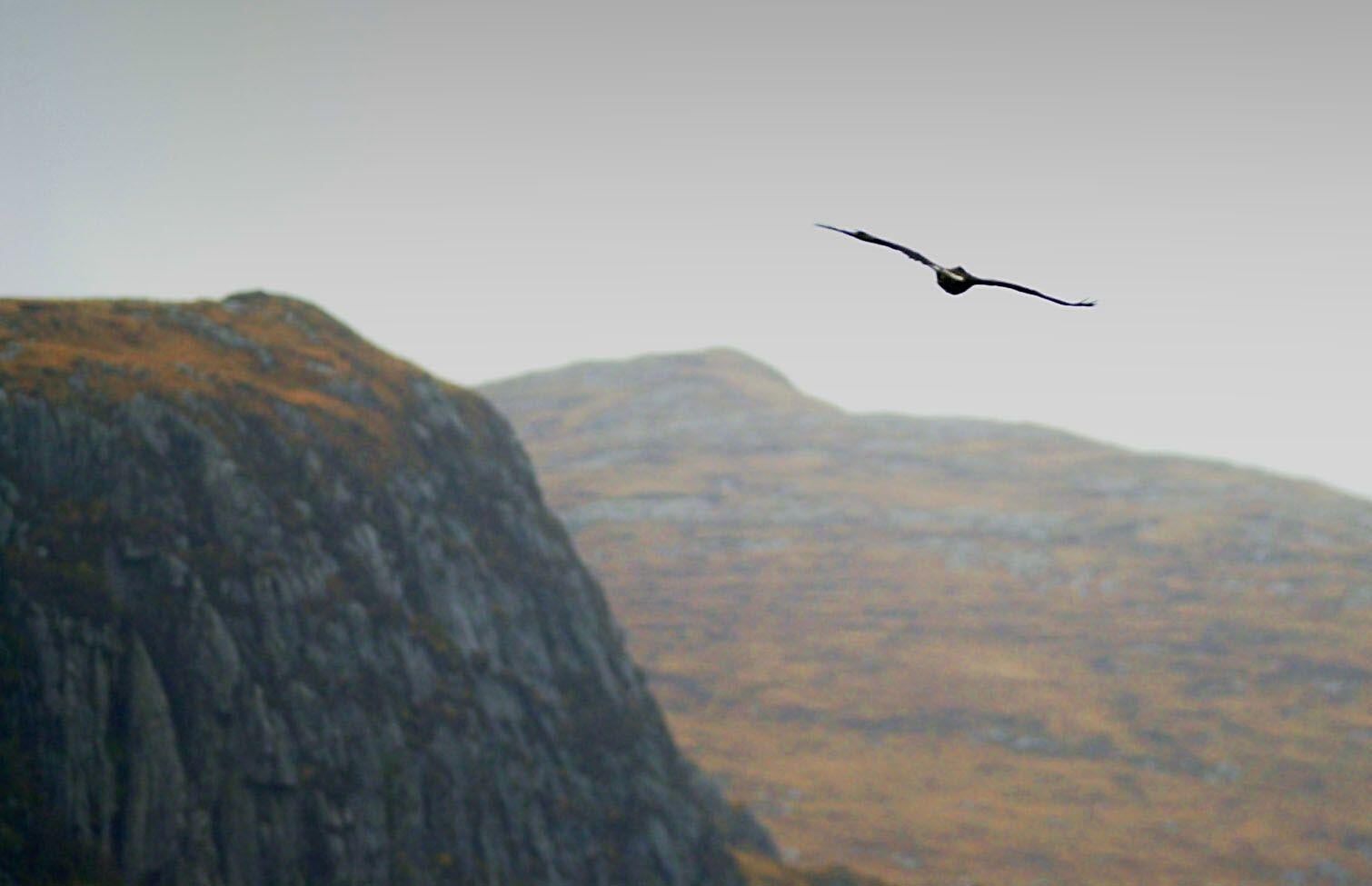
Cat Barlow, RUN chief executive, said: “This presents a truly exciting and potentially game-changing moment for the return of golden eagles to Northern England.
“Our priority will be to listen, to work in partnership, and to ensure that golden eagle recovery supports both nature and the people who manage these landscapes, so that everyone can enjoy the thrill of seeing golden eagles flying high once again across the uplands of the UK.”
The funding comes as part of the £60 million in species recovery funding announced by the Environment Department last week.
It ties into work aimed at meeting the UK’s legally binding target to halt the decline in species abundance by 2030 and reduce species extinction risk by 2042 against 2022 levels.