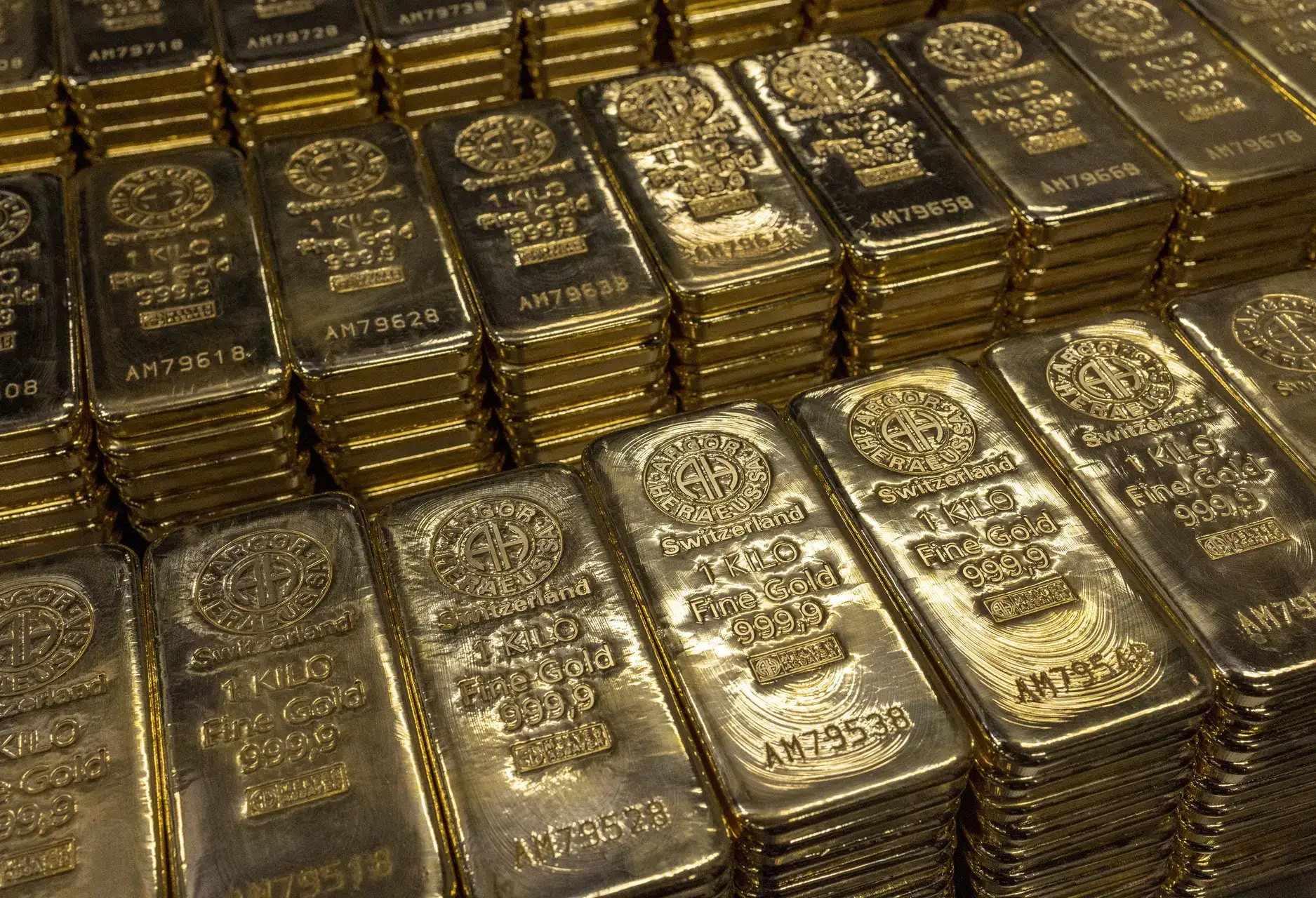
Gold price continues to remain sedate in June and was trading at near $4,368 per ounce. Spot gold prices logged a third straight month of decline in May as peace talks between the United States and Iran failing to yield results. Inflation risks following rising oil prices kept the "higher-for-longer" interest rate theme alive, with the dollar remaining elevated.
Gold prices will remain sensitive to developments in West Asia, movement in crude oil prices, and a series of key economic data releases in the week, analysts said. Investors will monitor trade and inflation data from China and the US, mid-month Washington's consumer sentiment figures.
The European Central Bank's monetary policy decision will also be in focus as market participants assess their impact on bullion and other commodities, they added.
China's central bank increased up its gold reserves for a 19th month in May, data from the People's Bank of China showed on Sunday. The country's gold reserves rose to 74.96 million fine troy ounces by the end of May, versus the previous month's 74.64 million ounces. China's gold reserves were valued at $340.75 billion by the end of last month, down from $344.17 billion the month prior, according to the PBOC data.
Silver for July delivery fell Rs 18,461, or 7 per cent, to Rs 2.48 lakh per kilogram on the Multi Commodity Exchange (MCX).
"Gold witnessed a weak performance last week as rising crude oil prices diverted market attention away from safe-haven assets," Jateen Trivedi, VP Research Analyst, Commodity and Currency, LKP Securities, said.
In the global markets, Comex gold futures shed USD 227.7, or 5 per cent, to end the week at USD 4,365 per ounce, while silver fell USD 6.77, or nearly 9 per cent, to USD 69.10 per ounce.
Gold prices faced pressure in the overseas trade and closed the week down nearly 5 per cent, while silver, too, sold-off sharply tracking a sharp corrective move in industrial metals, Mer said.
According to analysts, indications from Russian-Ukrainian leaders that the conflict could end soon have reduced the demand for bullion.
Going ahead, precious metals may remain vulnerable if international prices stay below the USD 4,400-4,500 per ounce range, elevated crude oil prices and cautious investor sentiment could cap any sharp recovery, Trivedi said.