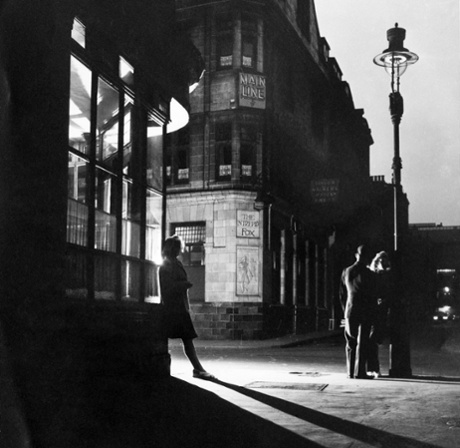
“She’s a bit out of your league, if you don’t mind me saying.” This was a few years ago at the New Evaristo Club, aka Trisha’s, a basement drinking club in Soho. The man at the bar was commenting on my companion. I used to spend a lot of time in such places. Another favourite was Gerry’s in Dean Street, where I would ring the bell late at night and pretend to be a friend of a well-known crime writer. They’d reply that everyone is a friend of hers but let me in anyway. It was always full of unemployed actors who’ll tell you their stories in return for a drink, or in other words, bore you senseless and then try to ponce a drink off you.
Trisha’s and Gerry’s are ostensibly private clubs, but really they’re places for drinkers to circumvent Britain’s restrictive licensing laws. One of the first of these laws was the 1854 Sale of Liquors on Sunday Act, which meant that pubs were open from 1-2pm and then 6-9pm. You could only get a drink on a Sunday outside these hours if you were a traveller. The absurdity of this is immortalised in Diary of a Nobody when Charles Pooter is denied entry to a pub on Hampstead Heath because he’s from Holloway, but his friends are let in, claiming to be “bona-fide travellers” from far-off Blackheath.
Worse was to come during the first world war. The evening closing hour was changed from 12.30am to 11pm and pubs shut in the afternoon between 3pm and 6pm. This lasted without much change until 1988. It could have been worse: Sunday drinking was banned completely in Wales. At one point 60% of adult men in Wales belonged to special Sunday drinking clubs to get around this law. Drinking dens, legal and illegal, opened in all major British cities.
Laws were liberalised in the 1990s and pubs could theoretically stay open later. Yet it’s still not easy to get a late-night drink in England and Wales (things are much better in Scotland) unless you pay to go to a nightclub. For canny late-night drinkers there’s a network of so-called clubs, pool halls, backrooms of kebab shops or good old-fashioned pub lock-ins. I’m sure readers will have their own suggestions.
Nowadays, old seedy Soho is in decline and it’s being replaced by – admittedly rather good – restaurants, and luxury flats. Nightlife has moved east and yet this too is now being strangled by overzealous policing and restrictive planning as the recent closure of the Vibe bar on Brick Lane attests. With such constraints, the need for dubious late-night clubs such as Trisha’s becomes even greater. Long may they exist.
- Henry Jeffreys’ first book, Empire of Booze, will be published by Unbound in 2016. @henrygjeffreys