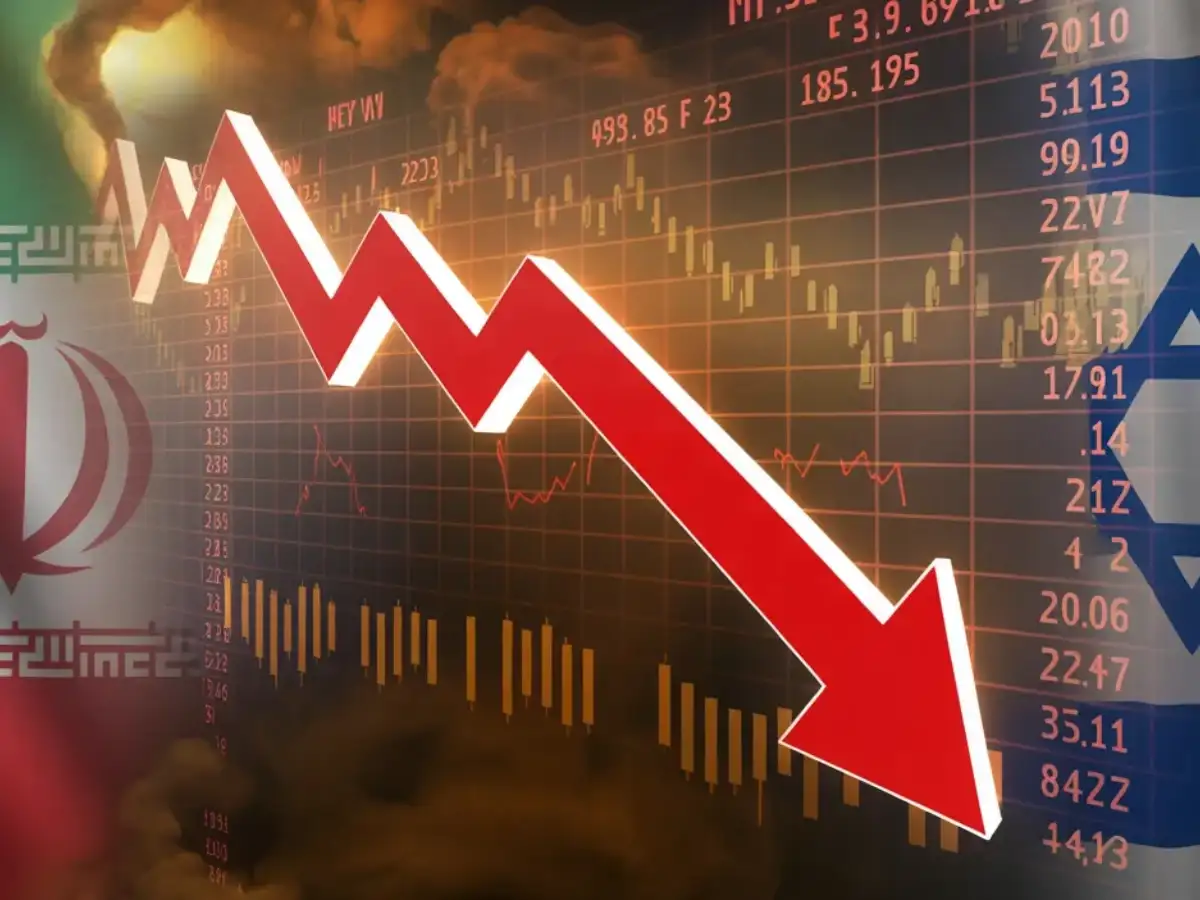
The United Nations has lowered its forecast for global economic growth, warning that the ongoing crisis in the Middle East has reignited inflationary pressures, disrupted supply chains, and increased uncertainty across the world economy, according to a Reuters report citing the U.N.’s mid-year update to its World Economic Situation and Prospects.
The U.N. now expects global GDP growth to slow to 2.5% in 2026, down from an estimated 3.0% in 2025. The revised outlook is 0.2 percentage points lower than the organisation’s January forecast and remains significantly below pre-pandemic growth trends. A modest recovery to 2.8% is projected for 2027.
According to Reuters, the downgrade reflects growing concerns over geopolitical tensions, elevated energy costs, and inflationary pressures that are affecting both advanced and developing economies. While resilient labour markets, steady consumer spending, and investments linked to artificial intelligence are expected to provide some support, the overall global outlook remains subdued.
The U.N. noted that the recent surge in energy prices has generated strong profits for energy companies but has simultaneously intensified cost pressures for households and businesses. Fertiliser supply disruptions have also pushed up agricultural input costs, increasing the risk of weaker crop yields and higher food prices globally.
Inflation is expected to rise further in 2026. In developed economies, inflation is projected to increase from 2.6% in 2025 to 2.9% in 2026, while in developing economies it is forecast to climb from 4.2% to 5.2%, Reuters reported.
Financial markets have so far remained relatively resilient despite rising geopolitical tensions. However, inflation expectations have pushed short-term bond yields higher, reflecting investor concerns over the future path of interest rates and economic growth.
The report highlighted Western Asia as the region facing the sharpest deterioration. Economic growth there is projected to plunge from 3.6% to 1.4%, largely due to damage to infrastructure, disruptions to trade flows, and weakness in tourism activity caused by the conflict.
The United States is expected to remain comparatively resilient, with growth forecast at 2.0% in 2026, broadly unchanged from 2025 levels. Reuters reported that strong household demand and continued technology investment are likely to support the U.S. economy.
Europe, however, appears more vulnerable because of its dependence on imported energy. The European Union’s growth is projected to slow from 1.5% to 1.1%, while Britain’s economy is expected to decelerate from 1.4% to 0.7%.
China’s economy is projected to moderate from 5.0% growth to 4.6%, though the U.N. said the country’s diversified energy mix, strategic reserves, and policy support measures are helping cushion the impact of global disruptions.
India is still expected to remain one of the fastest-growing major economies, though growth is projected to ease to 6.4% from 7.5%, according to Reuters.
In Africa, average economic growth is forecast to soften slightly from 4.2% to 3.9%, reflecting the broader impact of rising costs and weaker global demand.
(Disclaimer: Recommendations, suggestions, views and opinions given by the experts are their own. These do not represent the views of The Economic Times)