The field of gaming and gambling has become one of the biggest industries in the world, influenced by the regulation, culture, technology, and habits of the players. Although games and formats might be similar on either side of the border, the magnitude of each market, as well as its structure, is quite different. The countries differ in the number of countries that lead by sheer size, others by higher spending per player, and those that lead by the long-standing gambling customs.
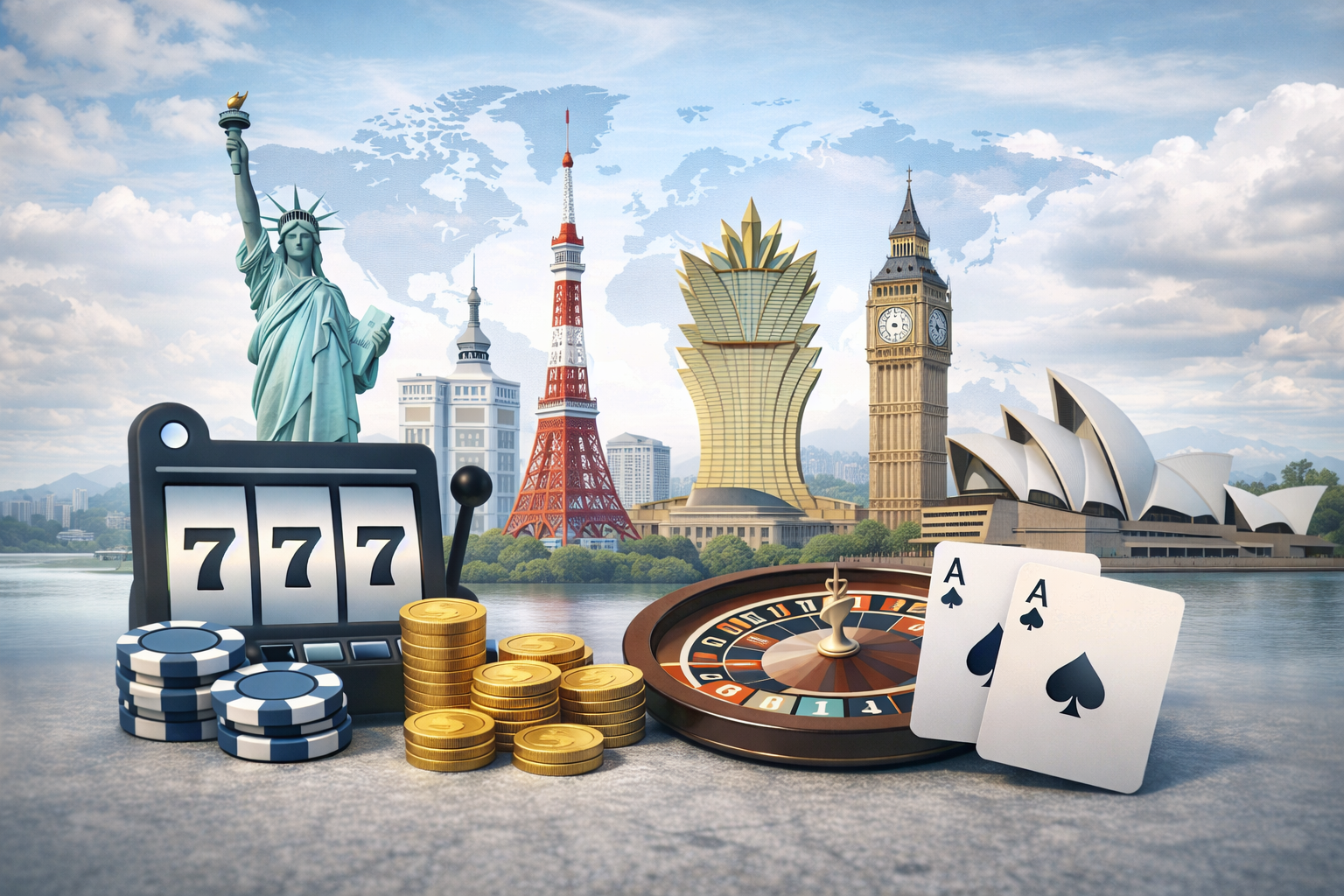
The following is a pure glimpse of the biggest gaming and gambling market in the world, according to the established data in the industry and the trends over time.
The United States: Size And Diversity
In the world, the gambling market in the US is the largest. It is its diversity (as opposed to a single format) that is its strength. There are land-based casinos, sports betting, online gaming, lotto, and tribal casinos.
Why the US leads:
- Several large casino centres, such as Las Vegas and Atlantic City.
- Legal sports betting in states is growing rapidly.
- Expanding Internet casino and mobile betting.
Sports betting has provided robust growth since its legalization state by state, since slots continue to be the main source of casino revenues in the US.
China: The Golden Goose through Macau
Gambling is highly restricted in mainland China, but the effect on the rest of the world takes place through Macau, which is a territory governed by Chinese sovereignty. That is why China is one of the most powerful gambling markets in the world.
Macau As A World-wide Casino
Macau is bringing more revenue to casinos than Las Vegas, with the major contribution being high-stakes table games.
Key features:
- Good emphasis on baccarat and VIP play.
- International tourism is in heavy form.
- Weak but strong casino licenses.
There are slots, but table games are the primary revenue earners, making Macau distinct among the large markets.
Japan: New Giant In The Making.
Japan already has a very rich gaming culture based on pachinko that exists in a gray area in legal terms. Japan has been trending towards full casino-licensed integrated resorts in recent years.
Why Japan matters:
- Large population with high spending power
- Deep-rooted gaming habits
- Government-backed resort development
While full-scale casinos are still developing, Japan is widely viewed as one of the future leaders in global gambling.
Europe: Mature And Regulated Markets
Europe does not have one single dominant country, but several large and stable markets.
The United Kingdom
The United Kingdom is one of the most developed online gambling markets in the world.
Strengths include:
- Strong online casino and sportsbook sectors
- Clear regulation and licensing
- High adoption of mobile gaming
Slots and online casino games account for a large share of revenue.
Germany And France
Germany and France are major markets driven by lotteries, sports betting, and regulated online play. Both countries focus heavily on consumer protection and controlled growth.
Australia: High Spend Per Player
Australia consistently ranks among the top gambling markets per capita. The country is especially known for its strong slot machine culture, locally called “pokies.”
Why Australia stands out:
- High number of gaming machines per person
- Strong pub and club gambling culture
- Stable regulation
Pokies generate a significant share of national gambling revenue.
Online Gaming As A Global Connector
Online casinos, such as SafeCasino Australia, slots, and betting platforms now connect all major markets. Countries with strong internet access and mobile adoption tend to grow faster, even if land-based casinos are limited.
Online growth is driven by:
- Mobile-first gaming design
- Faster payment systems
- Cross-border access
Final Thoughts
The world’s largest gaming markets are shaped by more than money. Culture, regulation, and technology play equal roles. The United States leads through scale, China through high-stakes play, Europe through regulation, and Australia through player spending.
As online gaming continues to expand, the gap between markets is narrowing. What remains constant is player demand for familiar games, clear rules, and trusted platforms. That combination is what keeps these countries at the top of the global gaming map.