Get all your news in one place.
100’s of premium titles.
One app.
Start reading
Reuters
Reuters
Business
Michael Nienaber and Holger Hansen

Germany adds brown coal to energy exit under landmark deal

Brown coal train lorries of RWE Rheinbraun filled with lignite are being transported near the coal power plant of Niederaussem of German utility RWE, west of Cologne, Germany, January 16, 2020. REUTERS/Wolfgang Rattay

Germany is set to become the first country to drop both nuclear and coal power under a landmark agreement to compensate workers, companies and regional governments as it switches off brown coal-fired plants by 2038.

The government struck a deal worth more than 40 billion euros ($44.7 billion) in the small hours of Thursday morning with the premiers of Germany's coal-mining regions.
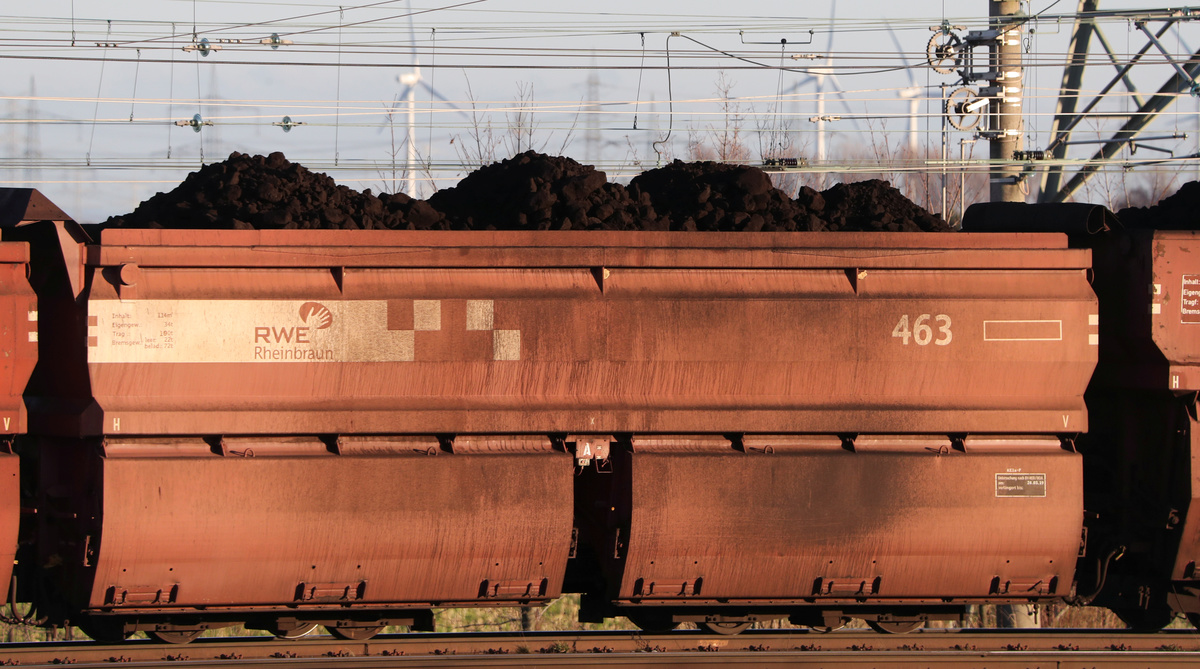
A train lorry of RWE Rheinbraun filled with lignite is being transported near the coal power plant of Niederaussem of German utility RWE, west of Cologne, Germany, January 16, 2020. REUTERS/Wolfgang Rattay

Once the heartland of Germany industry, the coal regions of North-Rhine Westphalia have fallen on hard times as traditional heavy industries have lost sway, while coal regions in the east have yet to fully shrug off the impact of four decades in Communist East Germany.

Designed to ensure Europe's largest economy meets its 2030 target for cutting greenhouse gas emissions, the exit will be accompanied by heavy investments in renewable energy.

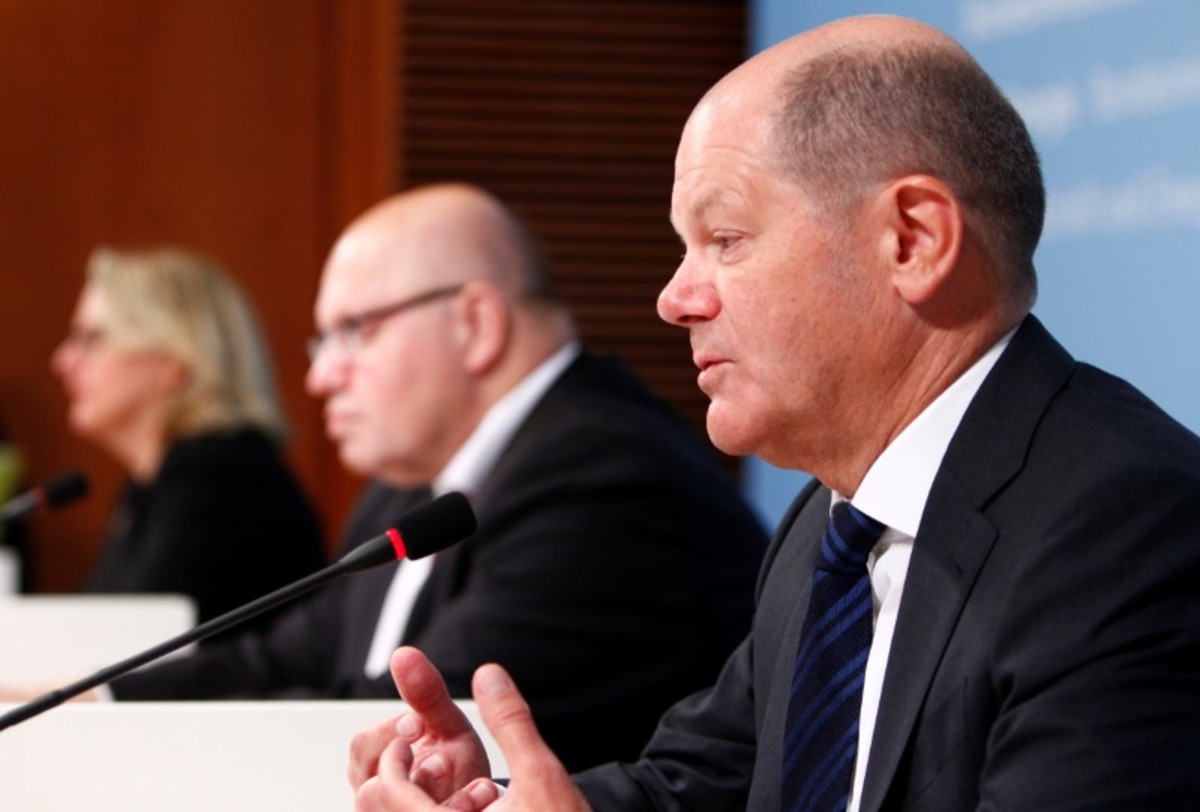
"Germany, one of the strongest and most successful industry nations in the world, is taking huge steps towards leaving the fossil fuel era," Finance Minister Olaf Scholz told a news conference.
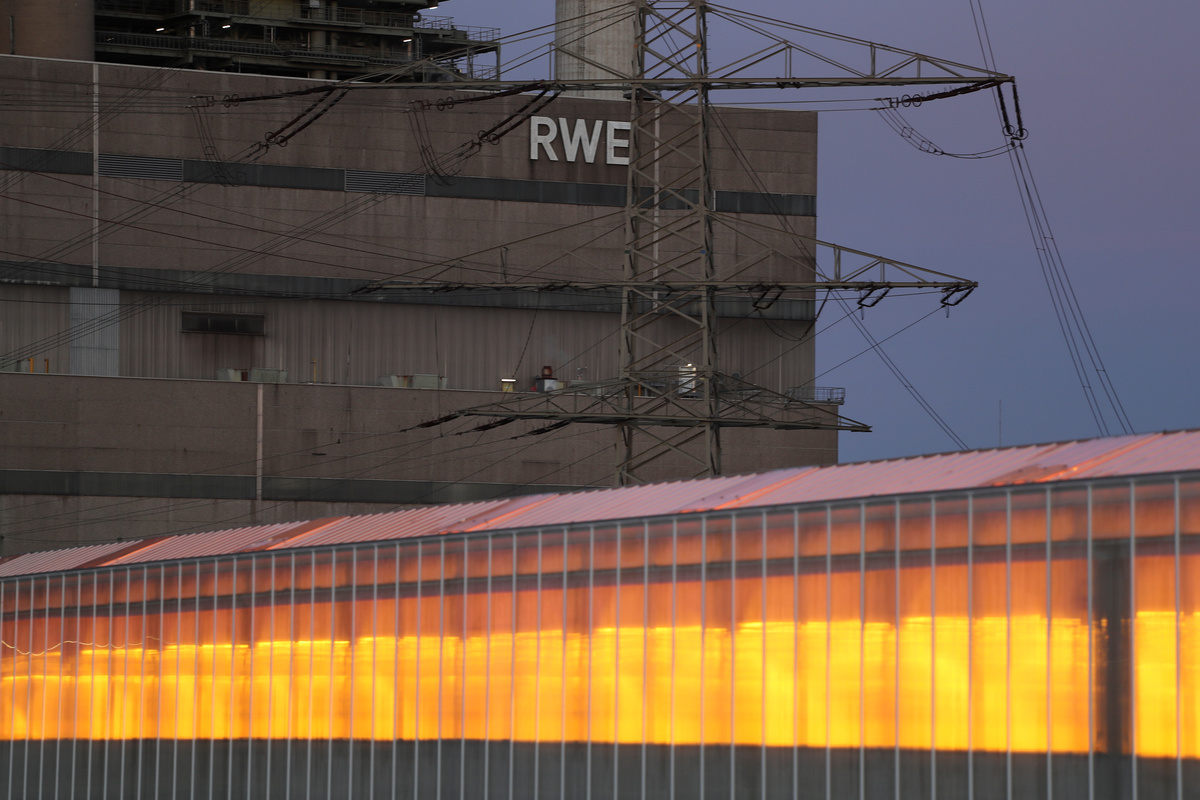
A greenhouse for tomatoes is powered and lit up by the nearby Neurath lignite power plant of German utility RWE near Grevenbroich, north-west of Cologne, Germany, January 16, 2020. REUTERS/Wolfgang Rattay

The decision marks a major turnaround for Chancellor Angela Merkel's conservative-Social Democrat coalition. It abandoned as unachievable a key emissions target shortly before taking office in 2017, only to change course after growing public concerns about climate change fuelled a surge in polls by the Green Party.

"These were tough negotiations," Environment Minister Svenja Schulze said. "But you can see the result - we are the first country that has a binding agreement to exit coal and nuclear power - and that's an important signal internationally."

Economy Minister Peter Altmaier said the legislation would be brought before parliament by the end of January.
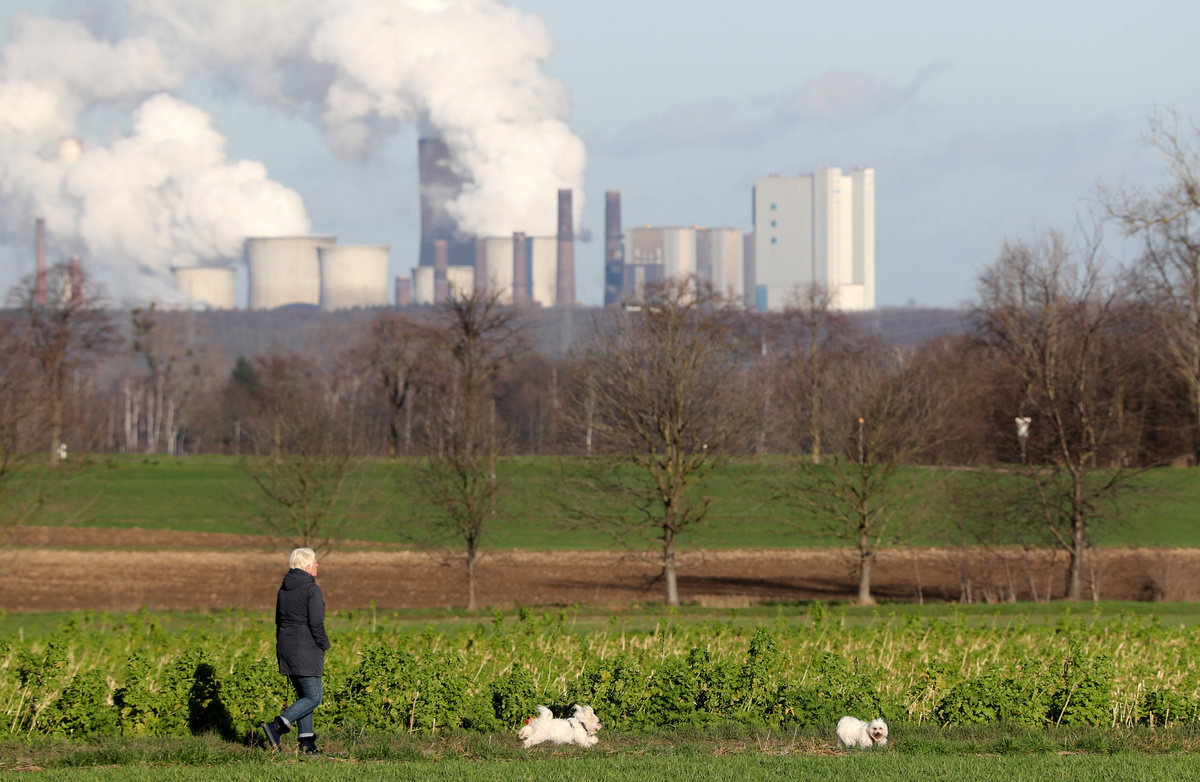
A woman walks her dogs in the village of Berrendorf-Wuellenrath, in front of the RWE lignite power plant of Frimmersdorf, west of Cologne, Germany, January 16, 2020. REUTERS/Wolfgang Rattay

The oldest, dirtiest plants, some dating back to the 1950s, will go first, starting with a 300MW plant in the Rhineland scheduled to close this year. Over the following 18 years, the remaining 29 will close.

"What we have here is a good agreement for climate protection because it makes it clear that we mean business," Altmaier told a news conference.

Caught on the hop when a series of unusually hot summers and the impact of Swedish schoolgirl Greta Thunberg's Fridays for Future movement caused public opinion to turn, the German government last year introduced a major climate package, which included economy-wide carbon pricing.

A Molotov cocktail is prepared in a globe in the Hambach Forest, near the town of Buir, Germany, January 16, 2020. REUTERS/Wolfgang Rattay

The government added on Thursday that carbon emissions certificates held by power stations would be cancelled after they close, a move that should cap emissions and drive up the prices for certificates traded under the European Union's scheme.

Analysts thought the impact on the coal market would be limited, since EU demand for coal has long stagnated in the face of competition from renewables and gas. Coal prices fell 40% last year and have barely recovered since.
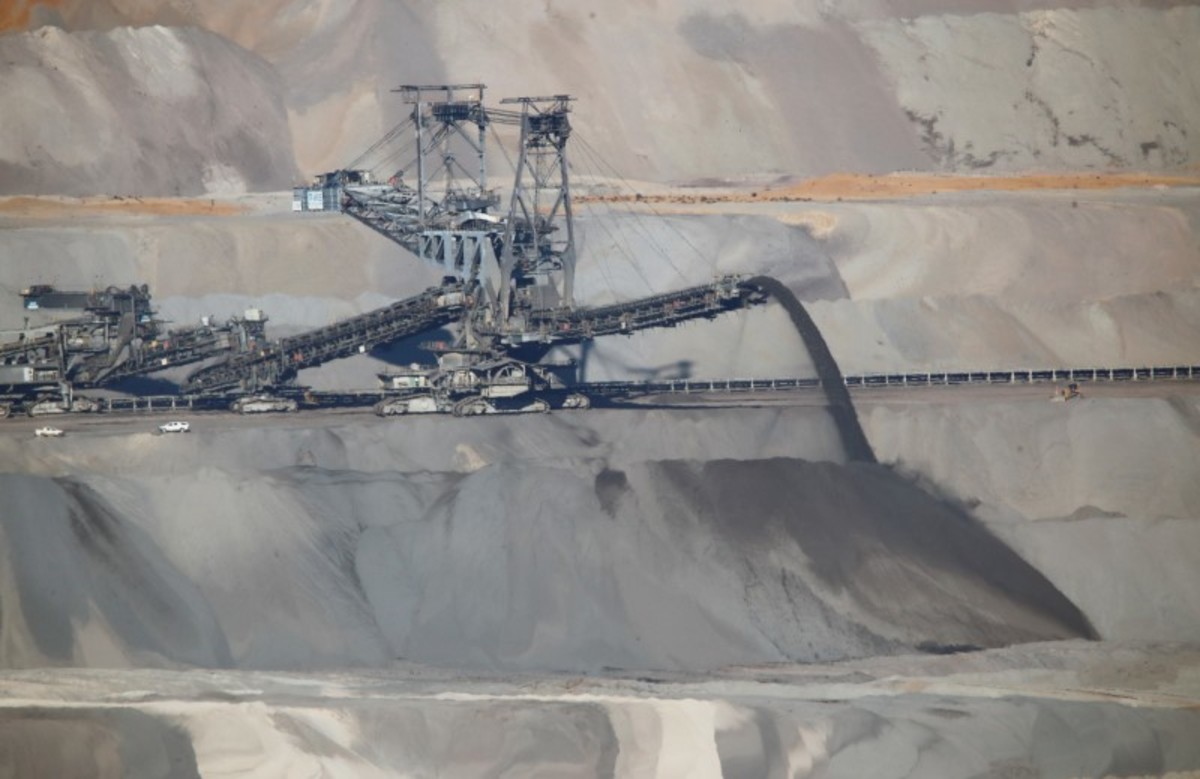
An excavator of German utility RWE works in the open-cast brown coal mining area of Hambach, Germany, January 16, 2020. REUTERS/Wolfgang Rattay

COMPENSATION FOR ALL

The affected states of Brandenburg, Saxony and Saxony-Anhalt in the east and North-Rhine Westphalia in the west will get up to 40 billion euros in compensation from Berlin. Affected companies will get 4.35 billion euros.

They include RWE <RWEG.DE>, which according to two government sources will get 2.6 billion euros for shutting down two coal-fired plants, and miner Mibrag, owned by Czech energy group EPH, which will get 1.75 billion euros.
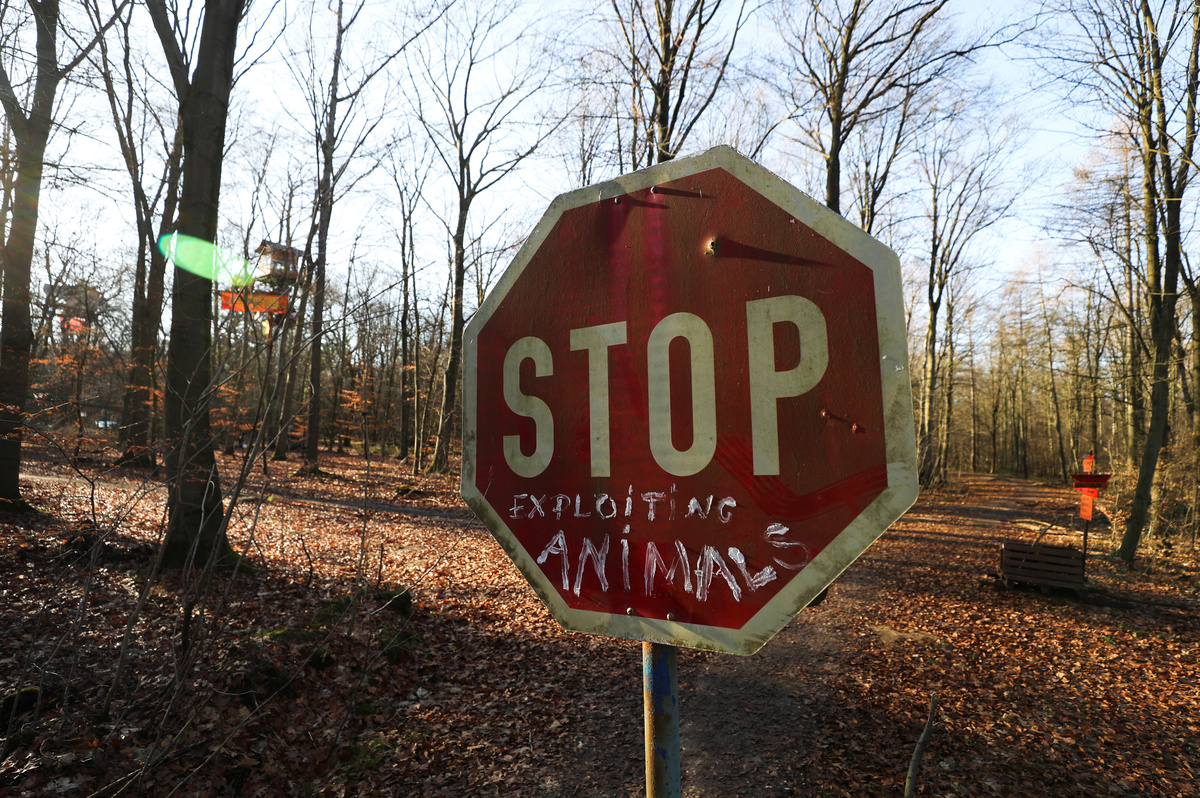
A stop sign is pictured in the Hambach Forest, near the town of Buir, Germany, January 16, 2020. REUTERS/Wolfgang Rattay

Shares in RWE, Germany's largest operator of coal-fired power plants, rose as much as 3% to 30.3 euros on the news, their highest level since Sept. 25, 2014.

Energy-intensive companies which compete internationally will be eligible for annual subsidies from 2023 to compensate for higher electricity costs caused by the coal exit, government spokesman Stefan Seibert said, without giving details.

Even so, the BDI industry association criticised the agreement, saying companies had hoped for more help to cope with increased energy costs.
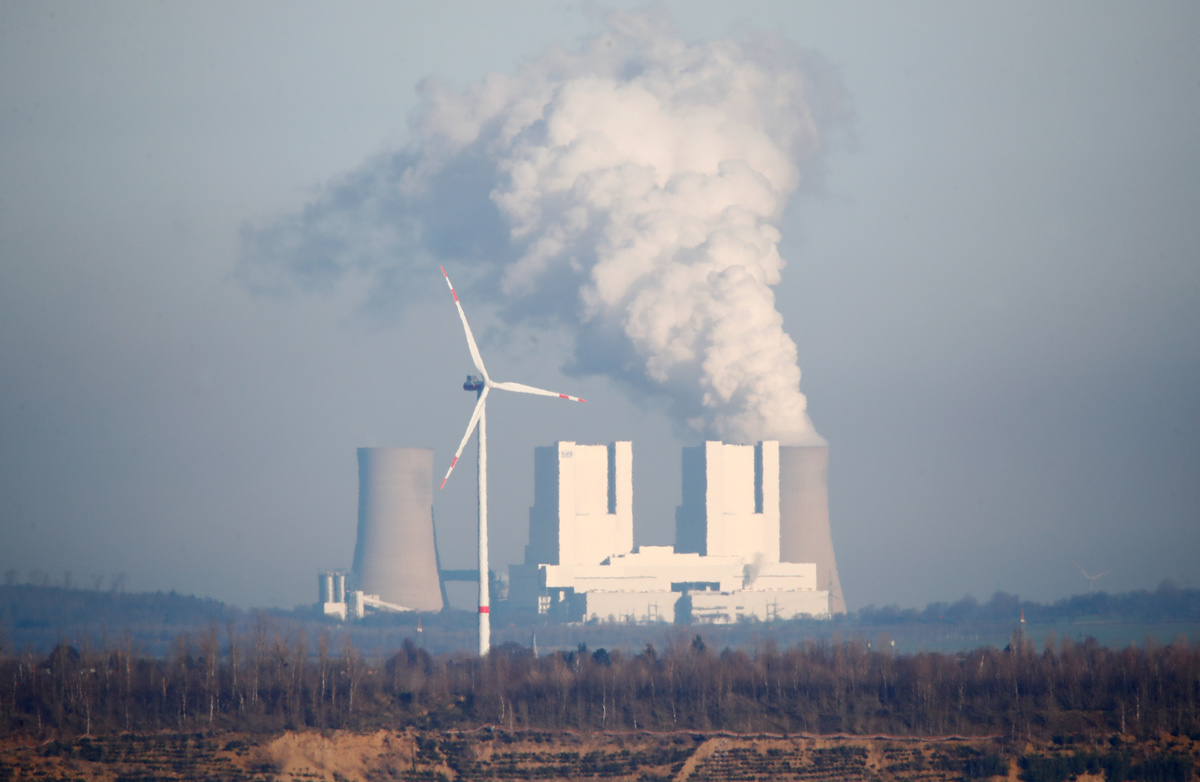
Steam rises from Neurath lignite power plant, in Grevenbroich, Germany, January 16, 2020. REUTERS/Wolfgang Rattay

Seibert said that Berlin would also pay compensation to employees affected by the coal exit law up to 2043. The exact sum for each worker remains unclear.

Germany already has plans to phase out hard coal power stations, a process that is already well under way. The new package extends that to brown coal, or lignite, of which Germany is the world's largest producer.

Brown coal generates about 19% of the country's electricity, but is considered the most polluting type of coal, partly because its low energy density means more must be burned.
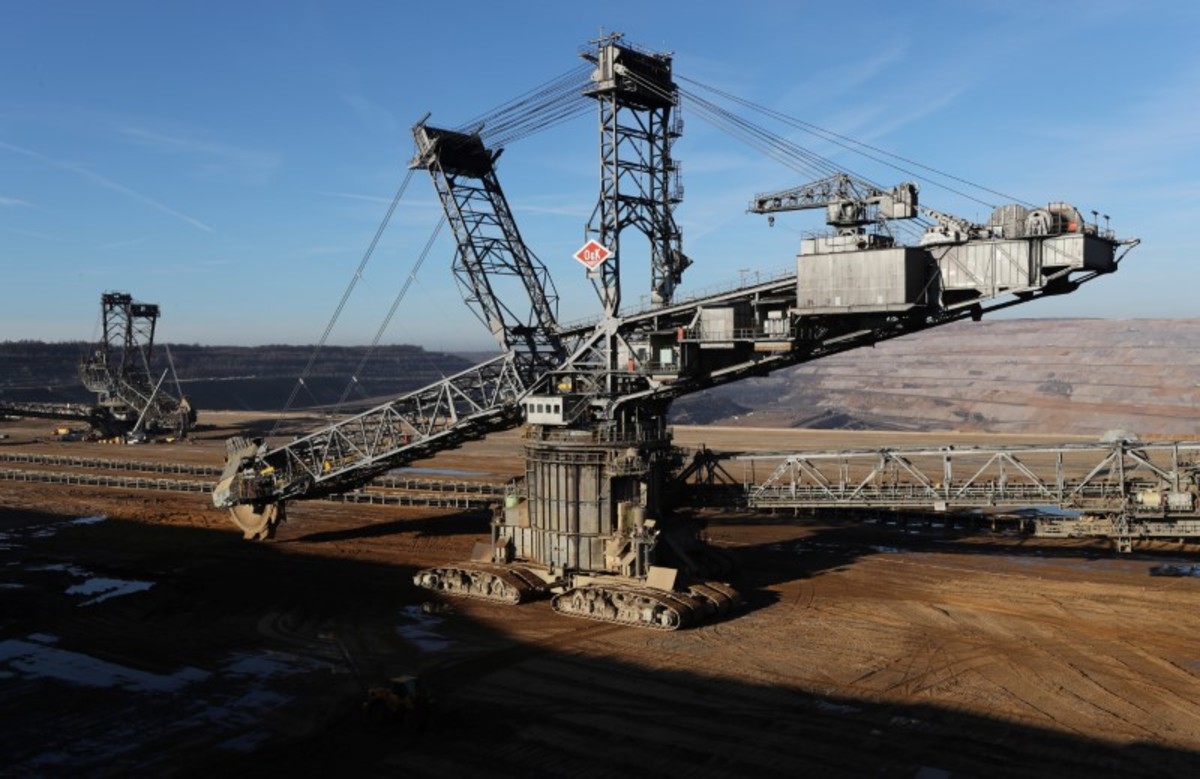
Excavators of German utility RWE stand in the open-cast brown coal mining area of Hambach, Germany, January 16, 2020. REUTERS/Wolfgang Rattay

The process will see at least one more coal-fired power station brought online before a complete exit from coal. Utility Uniper's <UN01.DE> new Datteln 4 coal-fired power plant will be connected to the grid, since the modern unit is cleaner than the first stations to be taken off line.

Elsewhere, the loss of energy caused by the coal exit will be offset by adding natural gas-powered capacity at existing plants, for example at Jaenschwalde in Brandenburg.
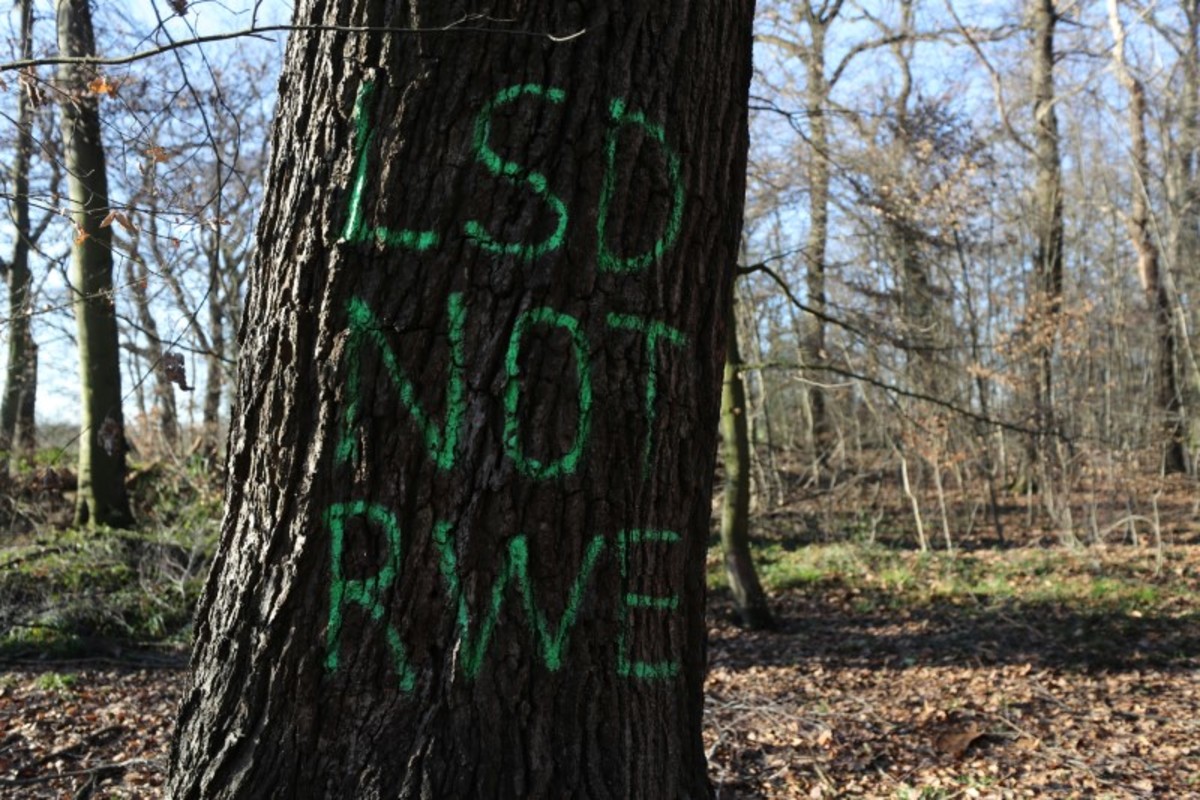
A tree in the Hambach Forest is sprayed with the graffiti "LSD not RWE", near the town of Buir, Germany, January 16, 2020. REUTERS/Wolfgang Rattay

(Additional reporting by Joseph Nasr; writing by Thomas Escritt; editing by Michelle Martin and Jason Neely)
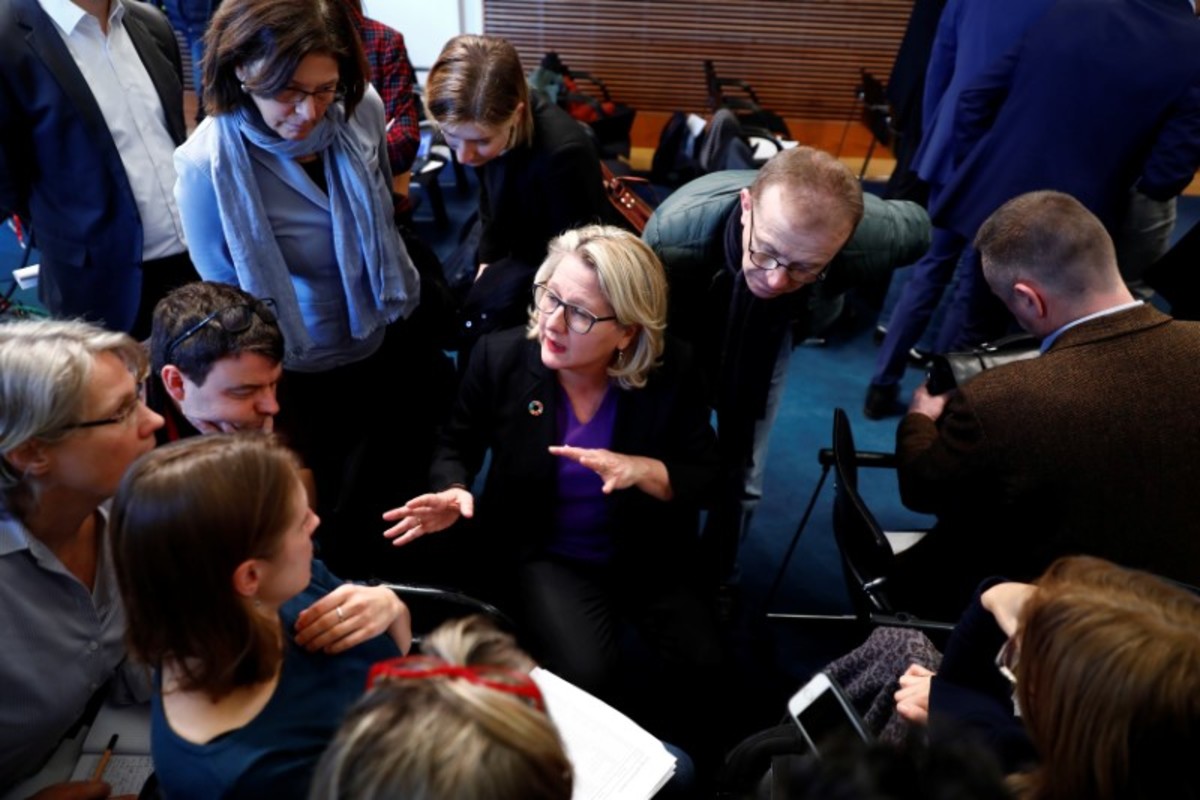
Environment Minister Svenja Schulze talks to journalists following a news conference after Chancellor Angela Merkel and state premiers reached an agreement with the regions most affected by the planned brown coal exit, in Berlin, Germany, January 16, 2020. REUTERS/Michele Tantussi
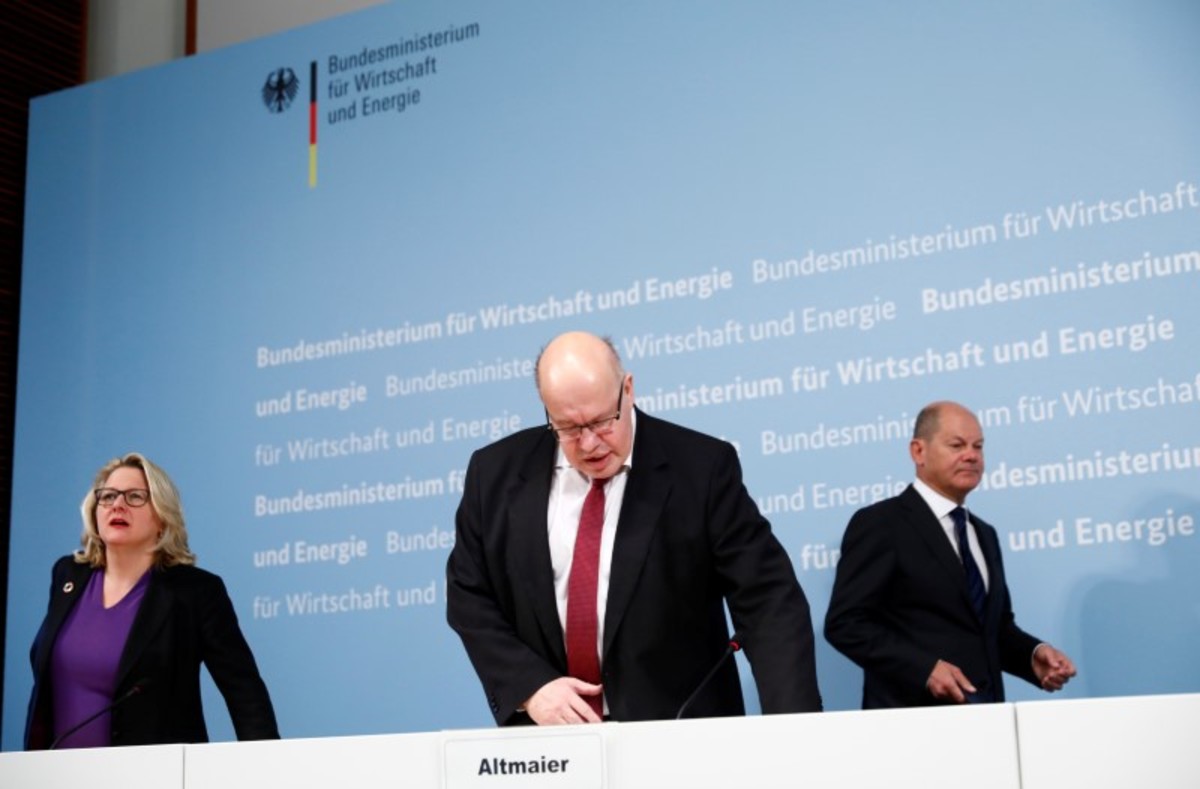
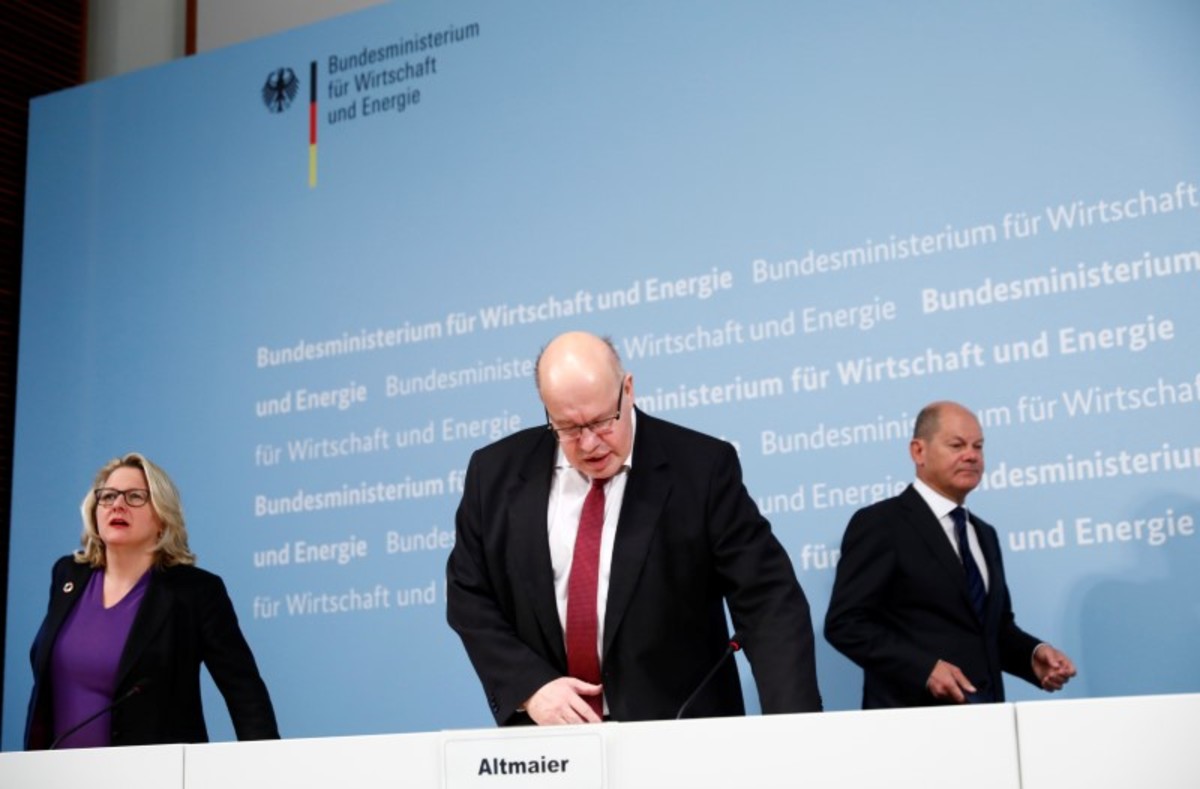
Germany's Economy and Energy Minister Peter Altmaier, Environment Minister Svenja Schulze and Finance Minister Olaf Scholz arrive for a news conference after Chancellor Angela Merkel and state premiers reached an agreement with the regions most affected by the planned brown coal exit, in Berlin, Germany, January 16, 2020. REUTERS/Michele Tantussi
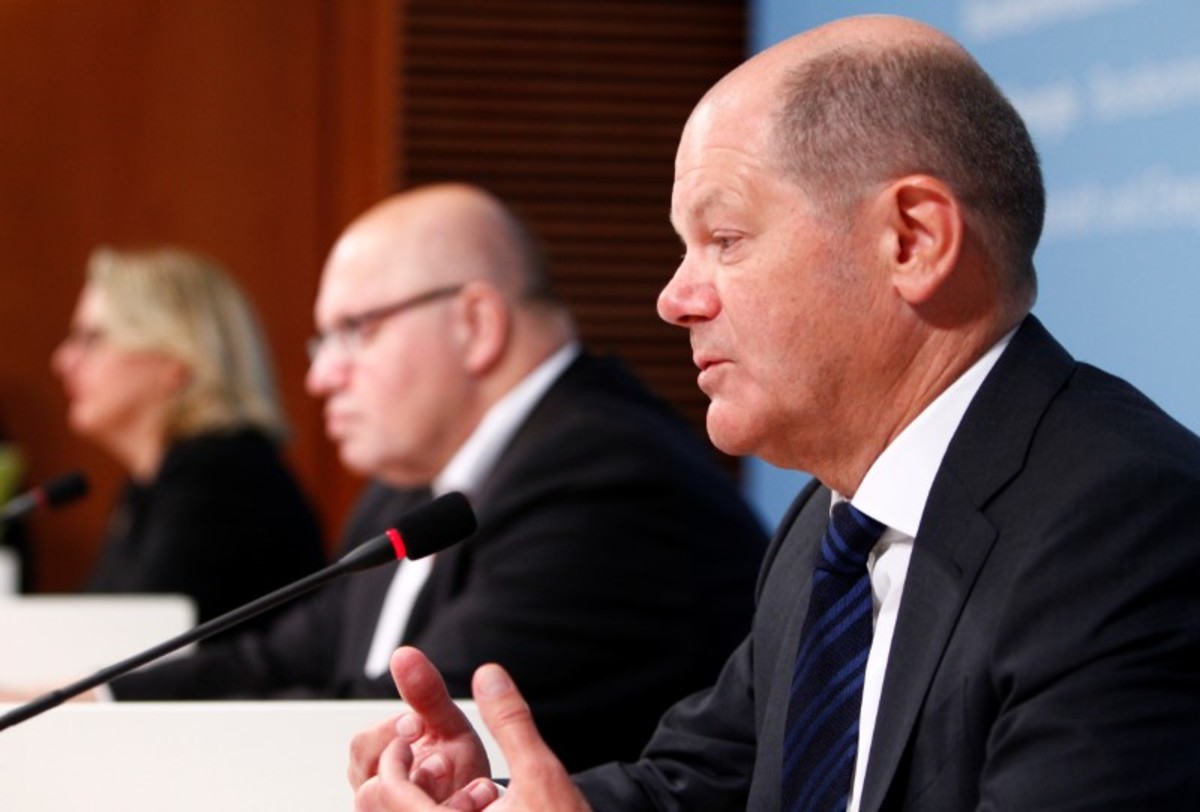
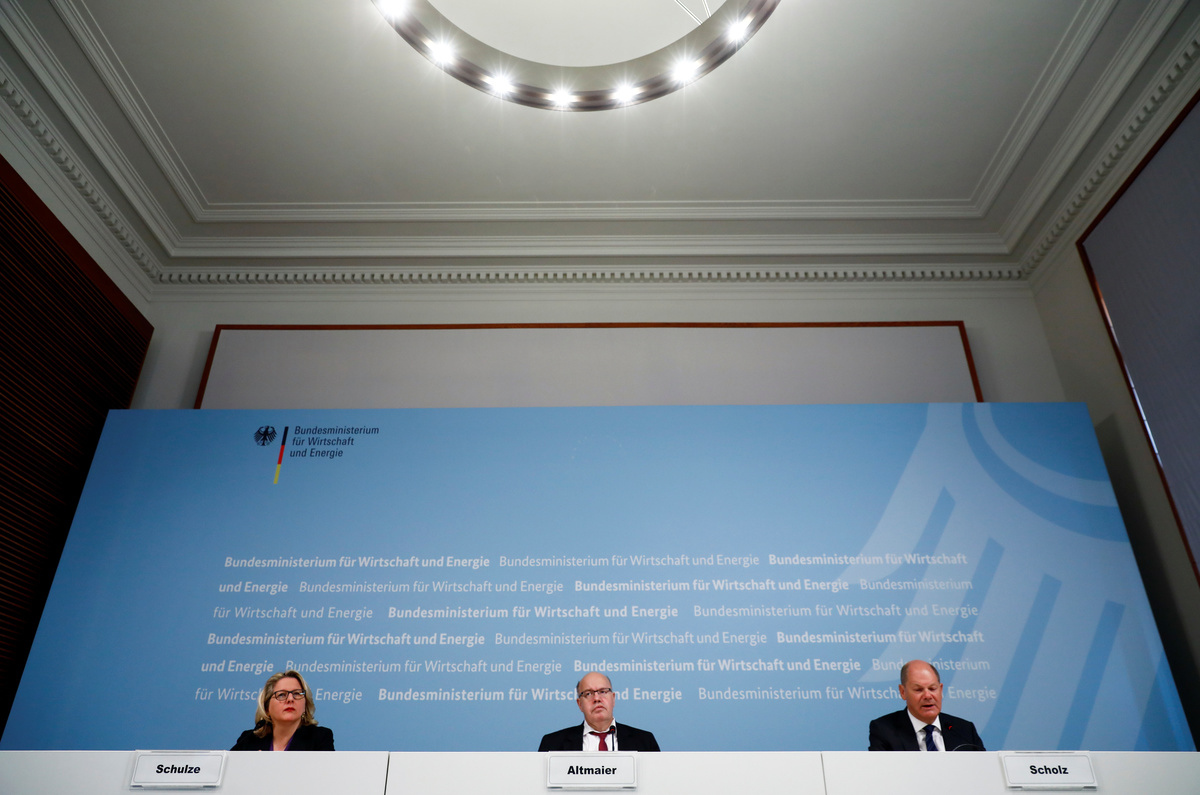
Germany's Finance Minister Olaf Scholz, Economy and Energy Minister Peter Altmaier and Environment Minister Svenja Schulze hold a news conference after Chancellor Angela Merkel and state premiers reached an agreement with the regions most affected by the planned brown coal exit, in Berlin, Germany, January 16, 2020. REUTERS/Michele Tantussi
Germany's Economy and Energy Minister Peter Altmaier, Environment Minister Svenja Schulze and Finance Minister Olaf Scholz hold a news conference after Chancellor Angela Merkel and state premiers reached an agreement with the regions most affected by the planned brown coal exit, in Berlin, Germany, January 16, 2020. REUTERS/Michele Tantussi
Germany's Economy and Energy Minister Peter Altmaier, Environment Minister Svenja Schulze and Finance Minister Olaf Scholz arrive for a news conference after Chancellor Angela Merkel and state premiers reached an agreement with the regions most affected by the planned brown coal exit, in Berlin, Germany, January 16, 2020. REUTERS/Michele Tantussi
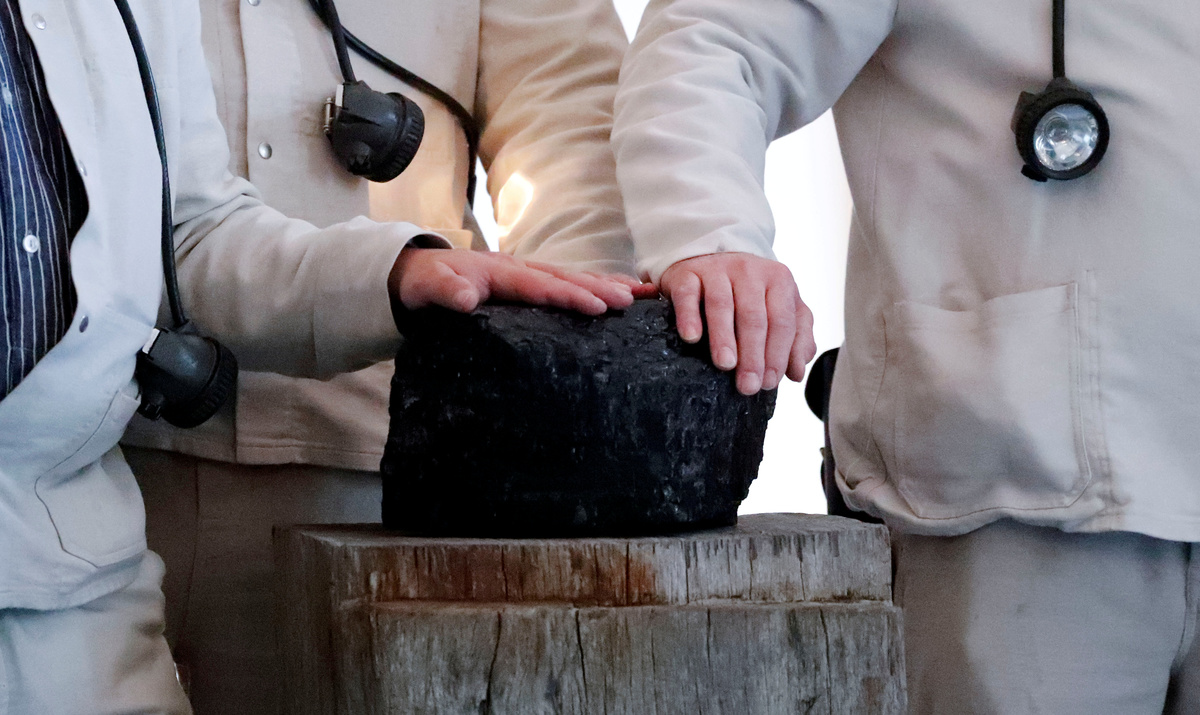
FILE PHOTO: Miners touch the symbolic last piece of stone coal harvested in a German mine to mark the end of coal mining in Germany after it was handed over to German President Frank-Walter Steinmeier at Bellevue palace in Berlin, Germany, April 3, 2019. REUTERS/Fabrizio Bensch - RC1FEB7DF6C0/File Photo
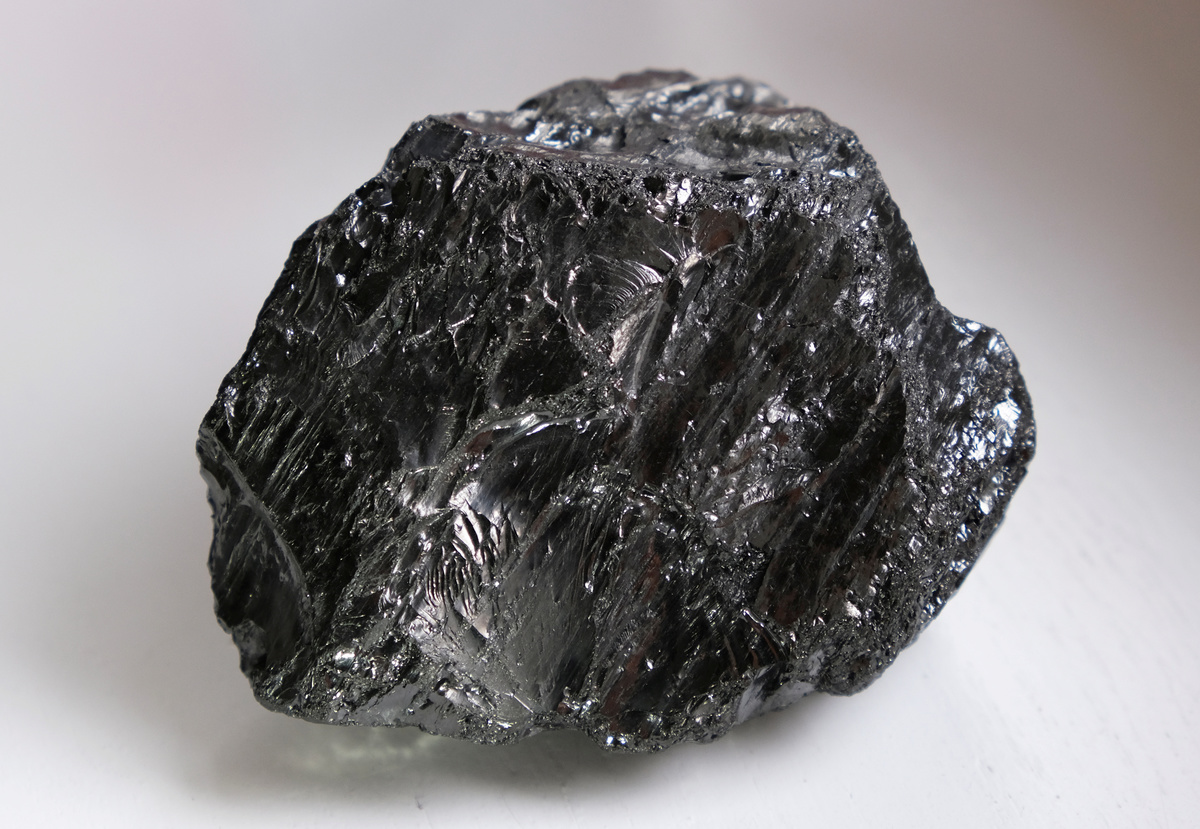
FILE PHOTO: A piece of anthracite stone coal the size of a tennis ball, extracted from Germany's second last coal mine "Von Oeynhausen" in Ibbenbueren of the RAG foundation, is pictured December 18, 2018. Picture taken December 18, 2018. REUTERS/Wolfgang Rattay
Germany's Finance Minister Olaf Scholz, Economy and Energy Minister Peter Altmaier and Environment Minister Svenja Schulze hold a news conference after Chancellor Angela Merkel and state premiers reached an agreement with the regions most affected by the planned brown coal exit, in Berlin, Germany, January 16, 2020. REUTERS/Michele Tantussi
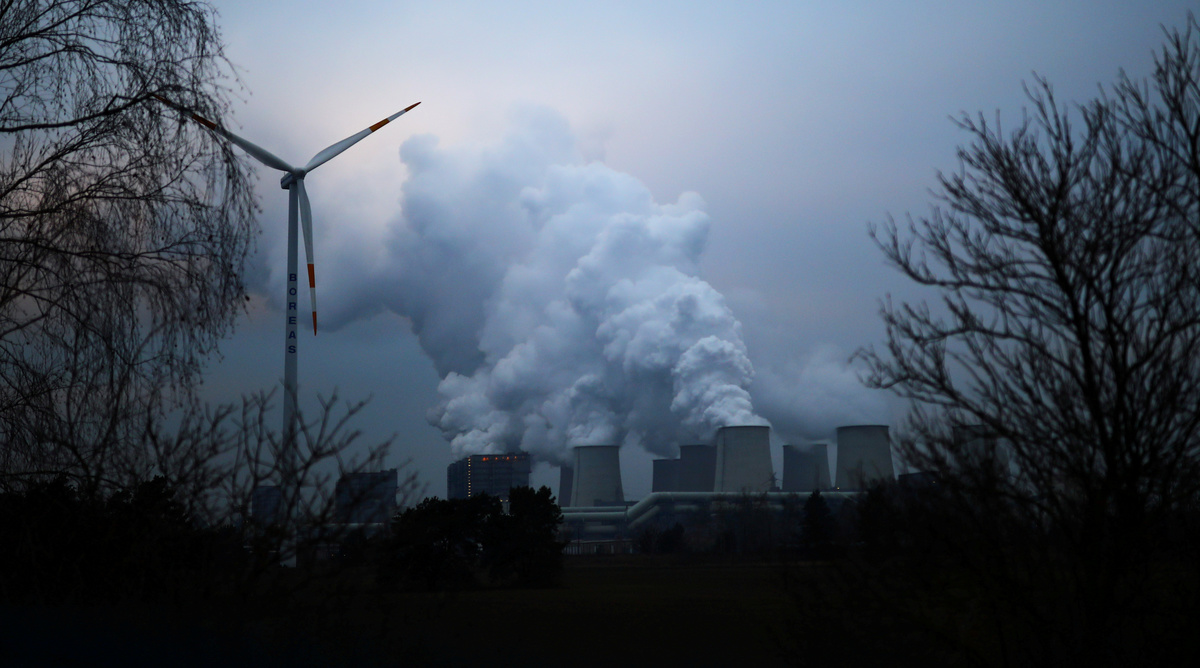
FILE PHOTO: Water vapour rises from the cooling towers of the Jaenschwalde lignite-fired power plant of Lausitz Energie Bergbau AG (LEAG) beside a wind turbine in Jaenschwalde, Germany, January 24, 2019. REUTERS/Hannibal Hanschke - RC1B488C4B80/File Photo
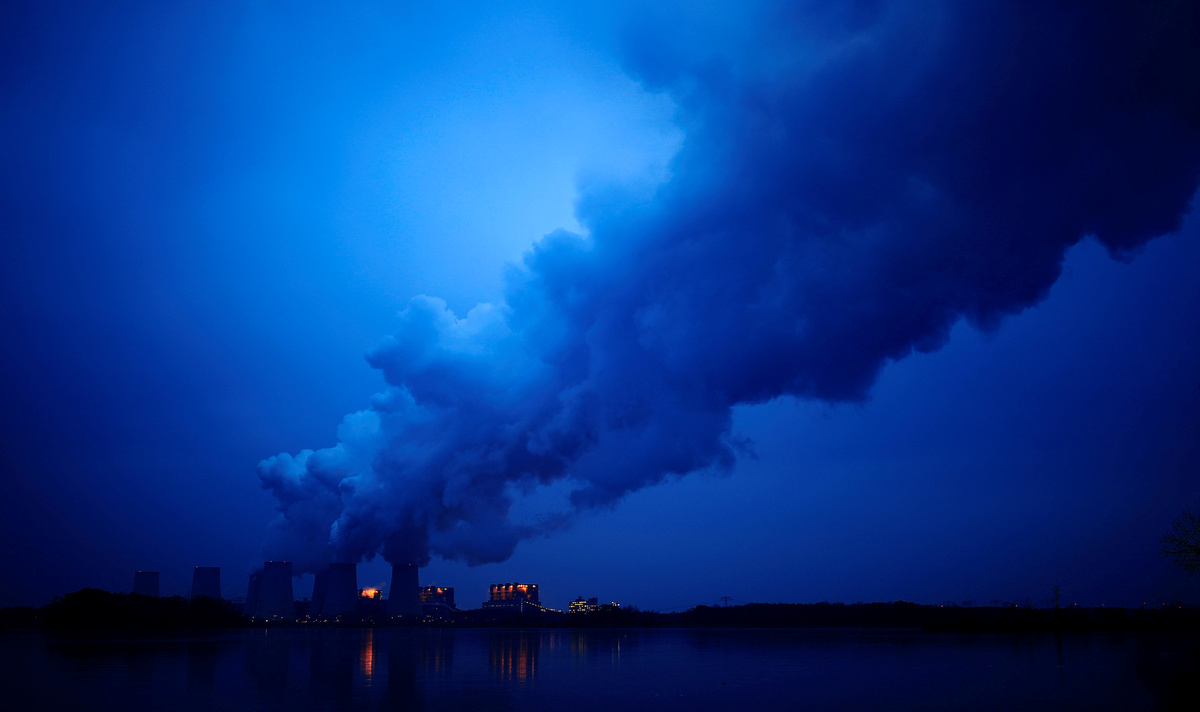
FILE PHOTO: Water vapour rises from the cooling towers of the Jaenschwalde lignite-fired power plant of Lausitz Energie Bergbau AG (LEAG) in Jaenschwalde, Germany, January 24, 2019. REUTERS/Hannibal Hanschke - RC1966531B40/File Photo
Sign up to read this article
Read news from 100’s of titles, curated specifically for you.
Already a member? Sign in here
Related Stories
Top stories on inkl right now
One subscription that gives you access to news from hundreds of sites
Already a member? Sign in here
Our Picks
Fourteen days free
Download the app
One app. One membership.
100+ trusted global sources.