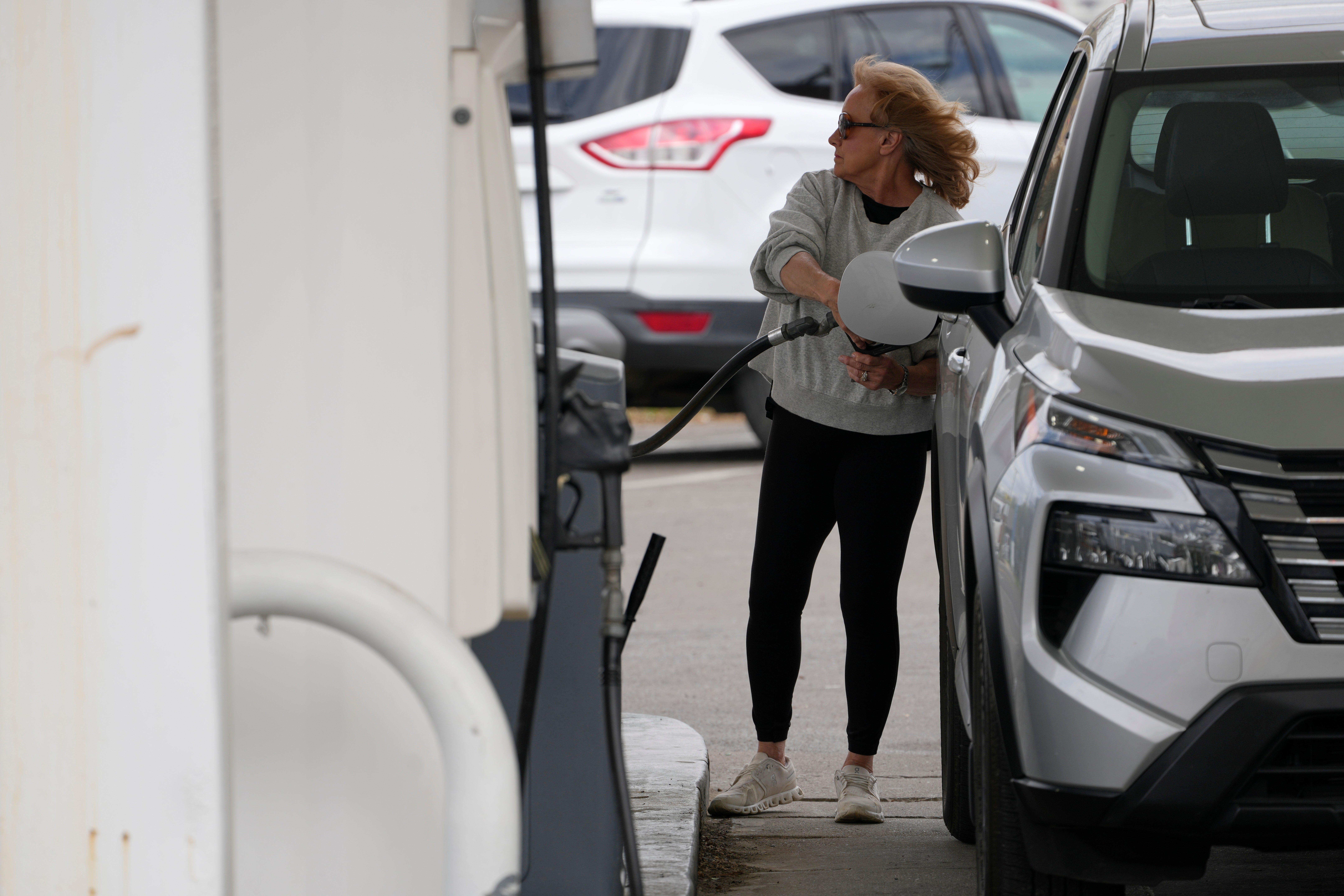
Gas has soared past $4 a gallon across the United States and shows no signs of slowing down any time soon.
The average price of a gallon of regular fuel is now over $4, according to motor club AAA. In California, drivers are paying more than $6 a gallon in some locations.
The milestone is a significant one as it’s the first time gas prices have surged past $4 since August 2022. Just over one month ago, prices were $2.98, AAA noted.
Fuel costs have skyrocketed in concert with oil prices that shot up after the U.S. launched military strikes on Iran February 28.
In Oklahoma, which consistently has the nation’s lowest gas prices, a gallon of gas is up 81 cents compared to a month ago. It still remains the cheapest state for gas, followed by Kansas, Iowa, Nebraska, and Arkansas, according to a statement from AAA last week.
California, the most expensive state for gas in the country, saw its prices rise $1.19 since late February to $5.89 Tuesday.
Drivers in El Centro, a small city two hours east of San Diego, are paying $1.36 more than they did a month ago. Gasoline is over $6 a gallon in at least two cities - San Rafael and Santa Rosa, according to AAA.
Relief from high prices likely won’t happen soon, said Linda Giesecke, director of refined products at energy consultancy Rapidan Energy Group.
“We expect gas prices to keep rising - following crude oil prices - until at least later this spring or summer when there may be a durable resolution to the Hormuz outage,” Giesecke told The Independent in an email. “Even then, gasoline's return to pre-conflict levels may not come soon, depending on how fragile any ceasefire will be.”
Gas prices could “peak at $4.50 to $5,” she said.
The surge in fuel costs comes at a time when consumers are making travel plans for Spring Break and Easter. As gas prices push up airfare, some travelers are choosing to drive to their travel destinations rather than fly, GasBuddy Head of Petroleum Analysis Patrick DeHaan told New Orleans news station WWL Tuesday.
Amid Tuesday’s $4 gas prices, President Donald Trump said nations upset by high fuel prices should “go get your own oil” as Iran maintains its chokehold on the Strait of Hormuz.
Trump expressed frustration toward allies that haven’t helped the U.S. reopen the critical passageway. He also said they should buy oil from the U.S. because “we have plenty.”
To help curb rising prices, the Trump administration announced this past Wednesday that it would try to ease the pain at the pump by suspending air-pollution regulations for higher-ethanol E10 and E15 gas from May 1 to May 20.
The move is meant to bring more fuel to the U.S. market in a time when Iran’s presence in the Strait of Hormuz is slowing oil shipping. The waterway typically sees 20 percent of the world’s oil supply sail through it each year.
“Increasing ethanol content will generally increase our fuel supply, as the same amount of petroleum blendstock can be used to produce a greater volume of fuel,” Jim Stanley, director of media relations at industry representative Western States Petroleum Association, told The Independent in an email.
Consumers looking to save money on fuel costs should fill up on Sundays, according to an analysis by fuel savings platform GasBuddy. Wednesday through Friday are the days when gas is most expensive, on average.
“While price trends fluctuate with oil markets and seasonal demand, weekly patterns remain surprisingly consistent,” GasBuddy noted. “In most states, prices gradually rise through the week before easing into the weekend, creating a reliable window for motorists to save simply by adjusting the timing of their fill-up.”
Additional reporting by the Associated Press
Investors urged to be patient as stock markets rattled by Iran war
Some US airlines may ‘not survive’ unless oil prices come down soon, experts say
Popular US mortgage rate hits six-month high as Iran war drags on
Post office set to add 8% surcharge on packages in first-ever fuel fee
I grew up with immigrant parents. Here’s what I learned about financial success
Non-traditional retirement strategies are gaining momentum - here’s what to know