
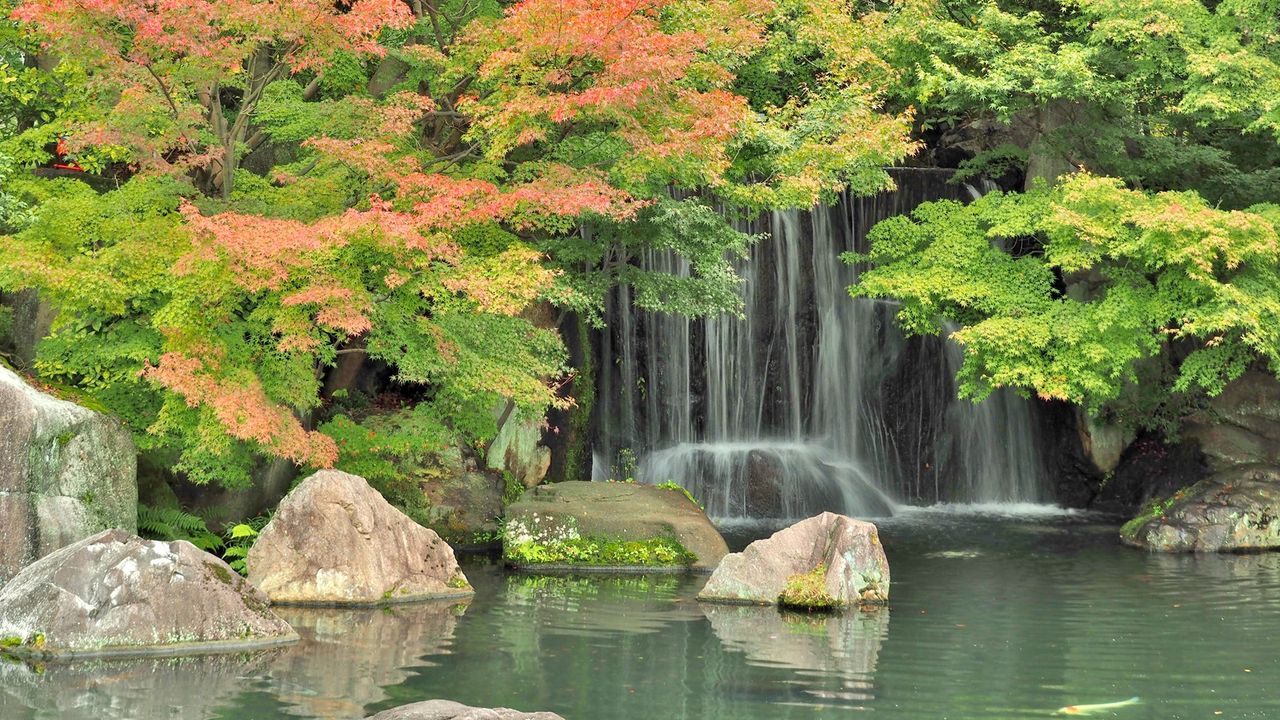
Wabi-sabi is the Japanese concept of beauty in imperfection and simplicity. Found in every aspect of our lives, outdoors it is an appreciation of natural beauty and how the elements can soften, decay, and leave its mark on our surroundings.
Rather than striving to keep paving pristine and garden borders immaculate, this concept is all about welcoming the formation of moss and lichen, the patination on metal and the gentle shaping of shrubs and trees by prevailing winds and shifting soil. Letting flowers and crops self-seed and rainwater pool in natural depressions within boulders and the landscape, our surroundings are gently altered in harmony with nature.
This concept is at the heart of many small Japanese garden ideas, by accepting nature's mark making, and welcoming the way it can shape our meticulously designed gardens, we can embrace the individual flourish and fleeting treasures it leaves behind. We spoke to horticultural experts to find out how they embrace wabi-sabi in their work and in their own yards, and they explain how you can savour it too.
Plant A Pine For Enduring Form and Grace
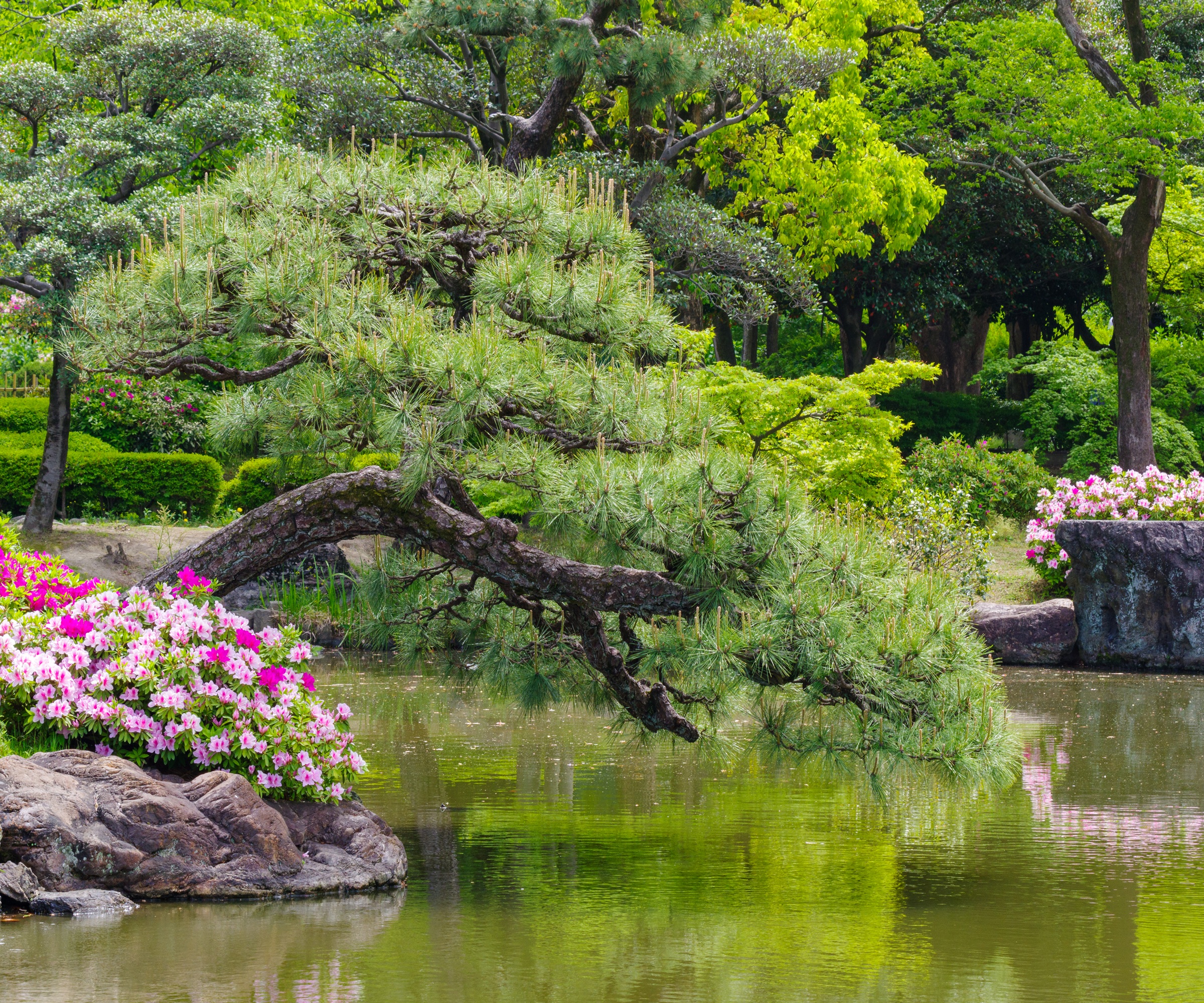
Specimen trees play an important role in Japanese gardens, such as the Meijer Japanese Garden in Michigan, recently featured in Homes & Gardens' Beyond Wild Expectations series, both as dramatic centrepieces and by framing specific vistas.
While there are endless species to choose from, it is those that have been contorted and shaped by prevailing winds that possess the unrivalled character and qualities prized by wabi-sabi.
It is possible to select a container grown tree with a distinct personality, but you can accentuate a tree’s charms through the way you plant and nurture it.
Landscape designer Scott Solomonson explains. ‘I was taught a long time ago that a specimen pine tree that is deliberately planted at a slight angle can achieve outstanding beauty in a Japanese garden.
'As the tree matures, the tree-top will naturally grow straight up while forever having a curved trunk at the base. This imperfection gives the tree and the whole garden a feeling of aging naturalistic beauty, as if the tree endured weathering decades of storms and strong winds.’
You can find beautiful pot grown pine trees at Walmart.
Celebrate Seasonality With Plants
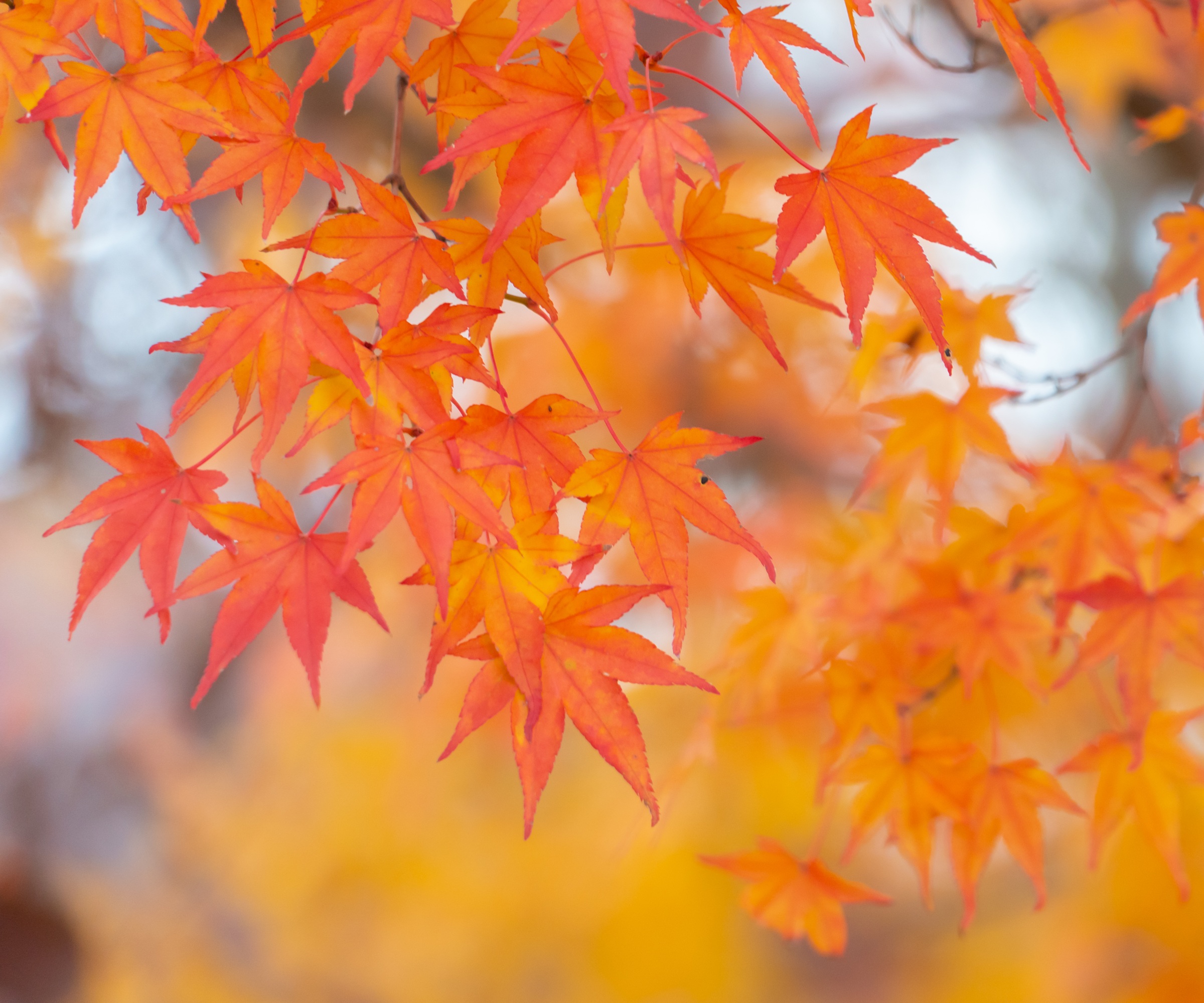
The fleeting charms of deciduous trees, blooms and crops are moments of keen anticipation and delight. Encouraging us to be present in the moment, we should celebrate these through our planting choices.
Landscape designer Shireen Zia explains, ‘Choose plants that mature beautifully, use materials that weather naturally, and leave room for small imperfections. Peeling bark, moss-covered stones, or a fading seedhead all reveal the garden’s true rhythm.’
While planting choices depend on our yard’s hardiness zone, growing conditions and personal taste, there are many standout plants that epitomize this style of gardening.
Amongst the best plants for a Japanese garden include the Panicle hydrangea – with elegant white blooms that fade to papery petals and the spectacular summer flowering Japanese iris.
A selection of live potted Paniculata Hydrangea can be found at Walmart.
Make Room For Nature to Lead
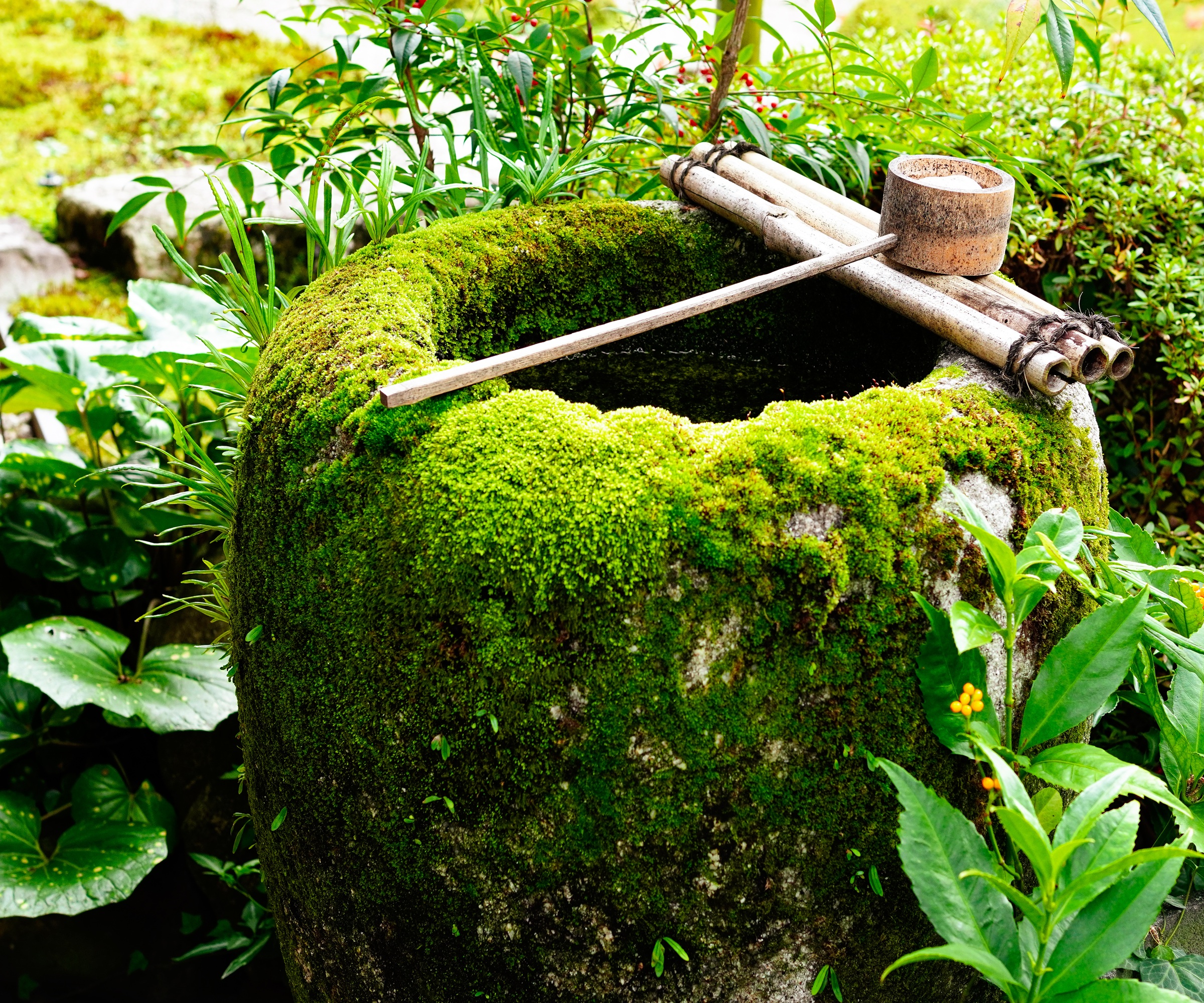
‘Wabi-sabi is about honest simplicity – the kind that makes you breathe a little slower when you look at it,’ says Jim Fucetola, Owner of Moss Acres.
‘Instead of fighting every crack or crevice, allow moss or low plants to settle in and soften the landscape organically. A single weathered stone surrounded by moss can be far more meaningful than a complicated arrangement.’
Materials that fade, color, wear and deteriorate over time are all part of the balance between careful garden curation and nature.
While traditional Japanese garden design favors natural materials, such as stone and timber, there is plenty of room for contemporary materials that weather too.
Consider structures and detailing made of Corten steel that develops a rusted appearance when exposed to the elements and copper that oxidises creating an enchanting blue-green patination.
Place Rocks Sensitively
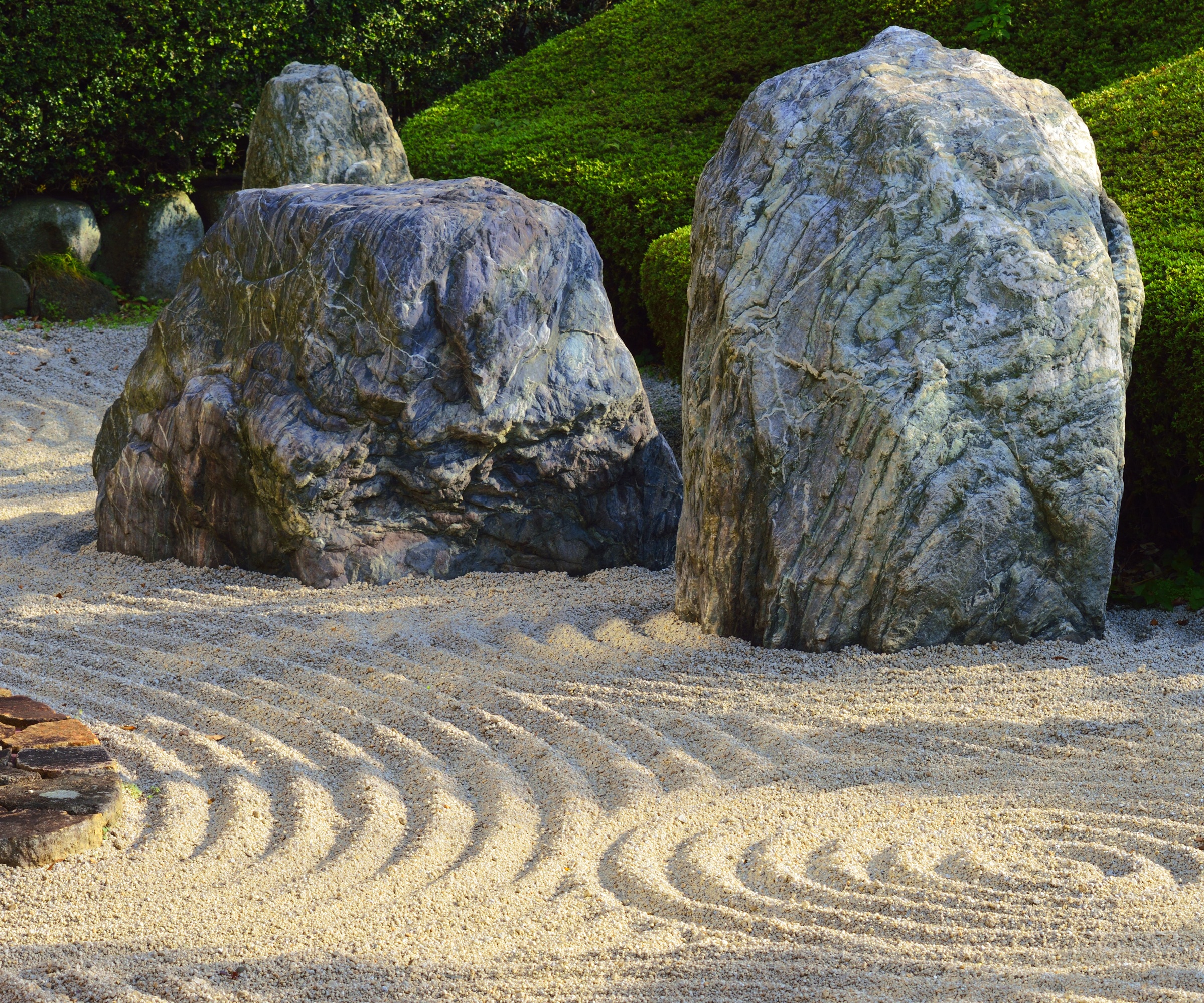
Symbolizing permanence and stability, rocks play a significant role in Japanese garden design and the embracing of wabi-sabi.
In rock gardens or sekitei with their vast areas of raked sand and prominent boulders, they signify majestic and immovable mountains, while in leafy strolling gardens they form the setting for cascading water or ornamental acers and azaleas.
Natural river rocks and other decorative aggregates can be found at Amazon.
‘Boulder placement can also provide unique hints of beauty that are only found in nature,’ says Scott Solomonson. ‘Large boulders with a slight lean to them can create the feeling of a mountain stream that deposited the boulders as they rolled from high up in the mountain to their final resting place at the base of the mountain.
'If the boulders are slightly buried and have plants growing around them, the garden will feel like it has been there forever.’
If you are encouraged to embrace wabi-sabi in your yard why not check out trees with unusual bark for year-round interest, the different types of moss to grow in your yard. Plus, discover the intriguing differences between lichen and moss.