It’s shaping up to be another bumper year for wearable technologies. Apple has finally launched the fabled Apple Watch and despite mixed early reviews, pre-orders have already approached 1m units in the US alone. Analysts are predicting that they will ship anywhere between 7.5m and 31m this year, shaking up the current wearables market. This year’s CES and Mobile World Congress showroom floors were filled with new internet of things (IoT) innovations, and by 2020 we are expecting to have around 25bn connected devices.
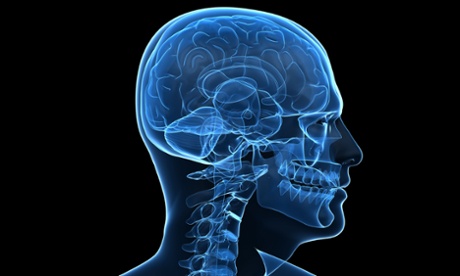
But what if there were no watches, phones, glasses or other objects to get in the way of our user experience? What if we could control and consume technology with our own thoughts or natural body movements? Many established biotechnology software companies, as well as startups, are working on new devices as we march towards technological singularity – the point at which technology, artificial intelligence and hardware will merge completely with the human body.
Here are several promising technologies that are at the forefront of this brave new world:
General Electric neural implants
GE is creating implants that will allow humans to control machines with their thoughts. They have already successfully implanted these devices into dozens of patients, highlighting some of the amazing possibilities of the technology, such as controlling drones and robots and administering medicines.
Google smart lenses
Google are doing many crazy things these days. Considering that their head of engineering is rockstar futurist Ray Kurzweil this comes as no real surprise. Last year, Google Smart Lenses were announced to tackle diabetes head on, and the innovation is not expected to stop there, with augmented reality projected onto user’s retinas also a possibility.
DARPA neural implants
Defense Advanced Research Projects Agency (DARPA), in conjuction with the US government’s BRAIN program, is developing implants to interact with user’s nervous systems. This could combat many diseases and chronic conditions, such as arthritis and depression. Not only that, but the implants enable control of heavy machinery too; they have already let a paralysed woman fly a plane with just her mind.
So while the current crop of wearables seem nice, researchers are already looking forward to the exciting possibilities of next generation technologies. Are mainstream consumers ready to be implanted with microchips? Or are wearables better out than in?
See more on SAP technology:
Nick Milani is solution strategy lead for SAP hybris billing in telecommunications at SAP. Find him on Twitter @nickmilaniau
This advertisement feature is brought to you by SAP, sponsors of the Guardian Media Network’s Next-gen tech hub