The Madeleine McCann docudrama controversy has once again put true-crime storytelling under the spotlight, reigniting a difficult question that never seems to fade: Should real-life tragedies be turned into entertainment without the consent of those most affected?
This time, the debate has been triggered by a new Channel 5 docudrama that revisits one of the world's most enduring missing-child cases. But instead of praise for keeping the story in public view, the production has sparked anger from the family at the centre of it all.
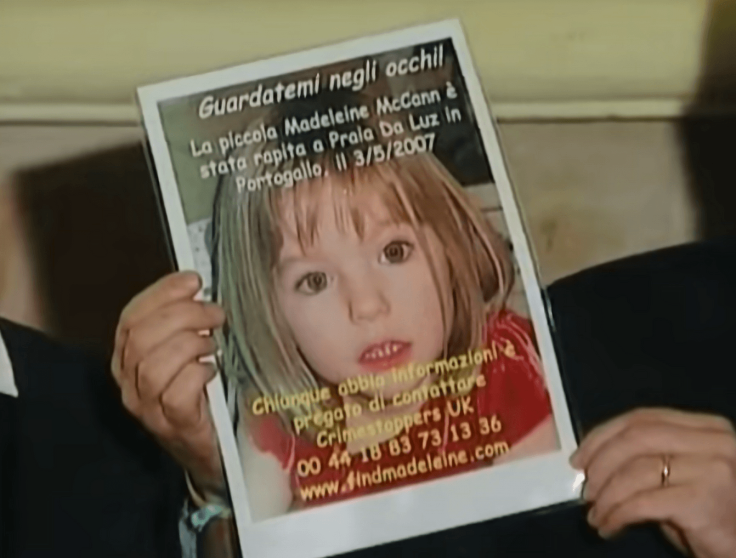
Nearly two decades after Madeleine McCann disappeared in 2007 during a holiday in Praia da Luz, Portugal, the emotional weight of the case is still being felt, not only in ongoing public interest, but now in how it is being retold on screen.
Madeleine McCann's parents hit out at Channel 5 saying true crime drama about their daughter's disappearance had 'negative impact' on their family https://t.co/a4WqqJFds5
— Daily Mail (@DailyMail) May 21, 2026
Family Condemnation Sparks Channel 5 Backlash
The strongest reaction has come directly from Kate McCann and Gerry McCann, who issued a statement criticising the production behind Channel 5's Under Suspicion: Kate McCann.
In their message, they said, 'We have not given, or been asked for, our consent and have had no involvement whatsoever in its making.'
They also made clear their concerns about how the dramatisation could affect their family emotionally, saying they are 'disappointed' by the decision to air the programme and questioning its value.
The couple further warned about what they see as a recurring issue in true crime television, adding that 'programmes like this always have a negative impact on our family.'
Their statement was released through the Find Madeleine Campaign website and also shared on the campaign's official Facebook page, signed simply as 'Kate, Gerry & Family'.
Channel 5’s Madeleine McCann drama is catnip for conspiracy theorists https://t.co/OKQ8Z9cfEO pic.twitter.com/e8c0iNy6Zs
— The Independent (@Independent) May 20, 2026
Channel 5 Defends The Production And Its Sources
Channel 5 has responded by acknowledging the sensitivity of the subject matter while defending the integrity of the project.
A spokesperson stated that the production team worked carefully to ensure 'accuracy, restraint and fairness', noting that the story was built using source material including official police documents, interview transcripts, court records, and publicly available accounts.
The broadcaster also claimed that the McCann family had been informed about both the production and its transmission date. However, this point has been directly challenged by the family, creating a sharp dispute over communication and consent.
The drama, titled Under Suspicion: Kate McCann, stars actress Laura Bayston in the role of Kate McCann, focusing heavily on the period when she was treated as a suspect during the early stages of the investigation.
Under Suspicion Kate McCann Series Raises Ethical Questions
The release of Under Suspicion: Kate McCann has intensified discussion around true crime docudrama ethics, particularly when productions reconstruct real police investigations involving individuals who were never charged.
In this case, the story revisits a moment in 2007 when Portuguese authorities named Kate and Gerry McCann as formal suspects before that status was later lifted.
While the series draws on official records, critics argue that dramatisation introduces interpretation, and interpretation can easily blur into perception. Once that happens, audiences may begin to see real people through a fictional lens, even when disclaimers are present.
This is why the Madeleine McCann disappearance dramatisation has struck such a sensitive nerve; it is not just about retelling events, but about how those events are framed and remembered.
Family Consent In True Crime Shows Remains A Divisive Issue
The reaction from the McCann family has once again pushed the issue of family consent in true crime shows into public debate.
For many viewers, true-crime content exists in a grey zone between journalism and entertainment. Broadcasters often argue that public records justify retelling cases, especially those that remain unresolved or are historically significant.
But families living through the aftermath often see it differently. For them, each new adaptation can feel like reopening an old wound, especially when they have no creative input and no ability to shape how they are portrayed.
The McCanns' frustration lays bare just how deep this tension runs, especially their repeated concern that the programme moved forward without any consultation and aired despite their clear objections, leaving them feeling sidelined in a story that, for them, never stopped being painfully real.