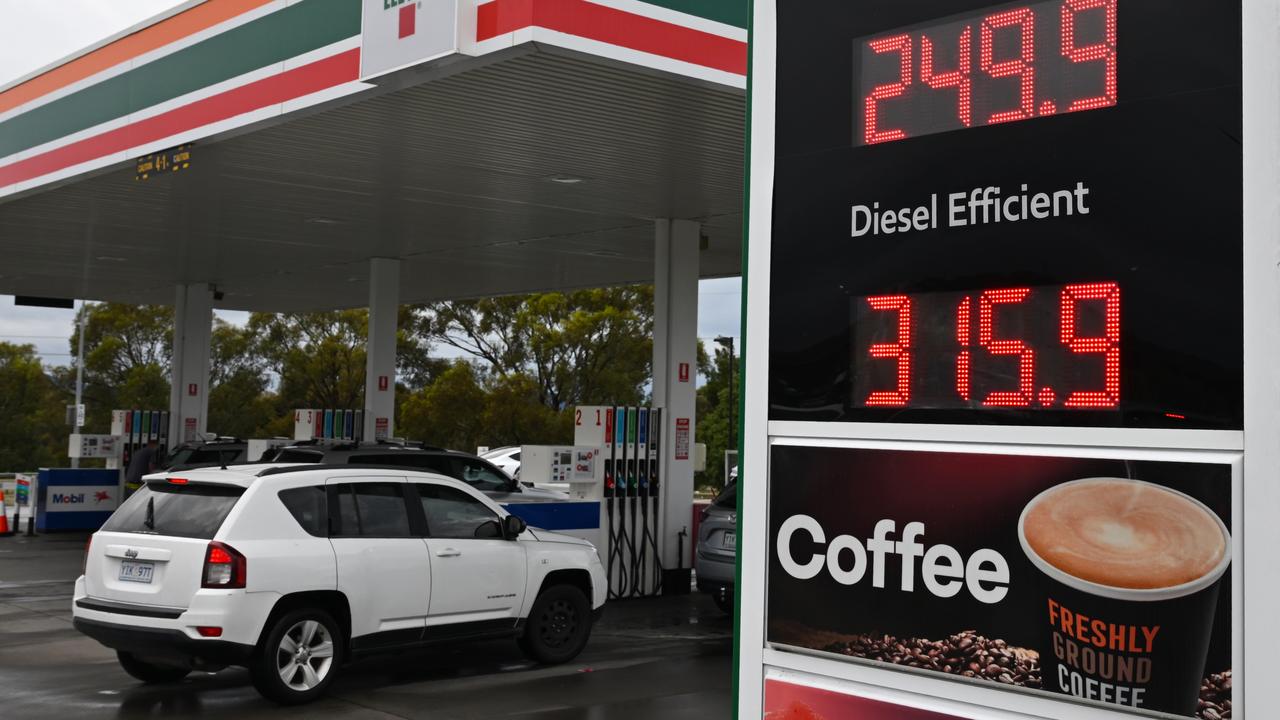
Motorists will need to wait longer for cheaper fuel as a tax cut might take weeks to start flowing through the bowser, as Labor resists turning to fuel rationing to shore up supply.
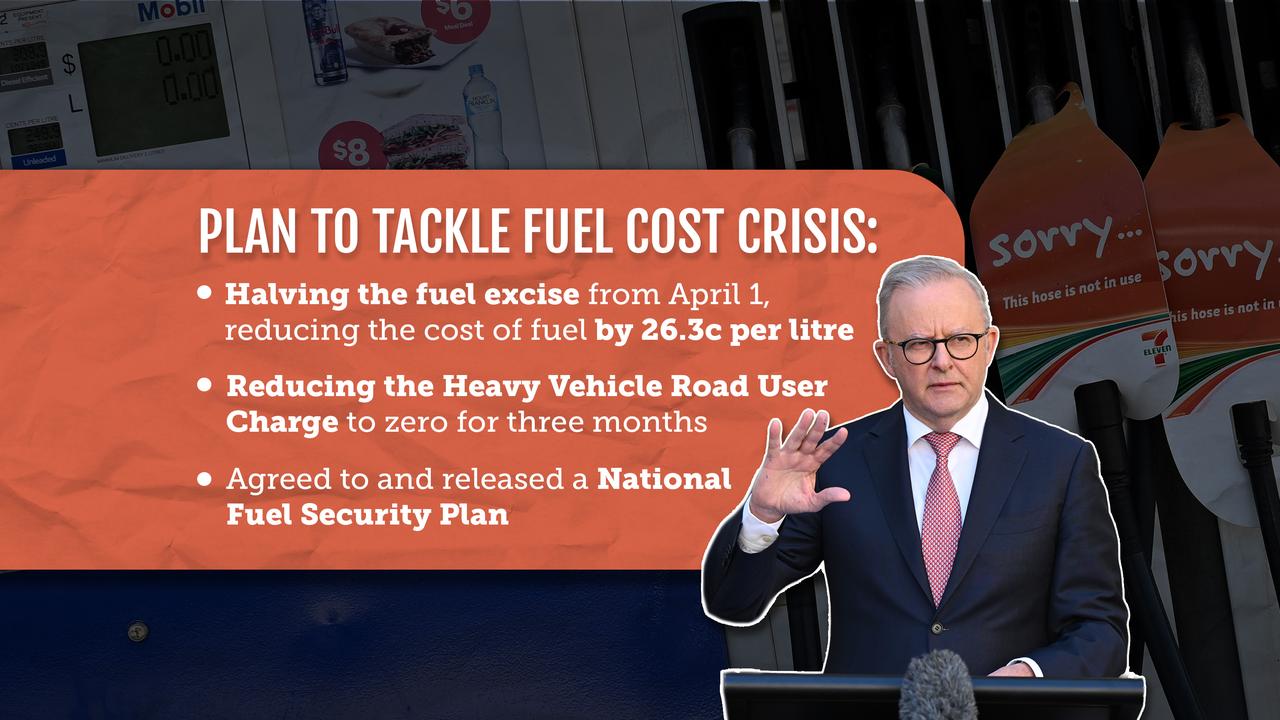
The federal government's halving of the fuel tax will begin on Wednesday, slashing petrol and diesel costs by 26.3 cents a litre in response to soaring prices caused by the conflict in the Middle East.
That equates to $10.50 on a small, 40-litre tank or $21 for Australia's best-selling new vehicle - the Ford Ranger - which has an 80-litre tank.
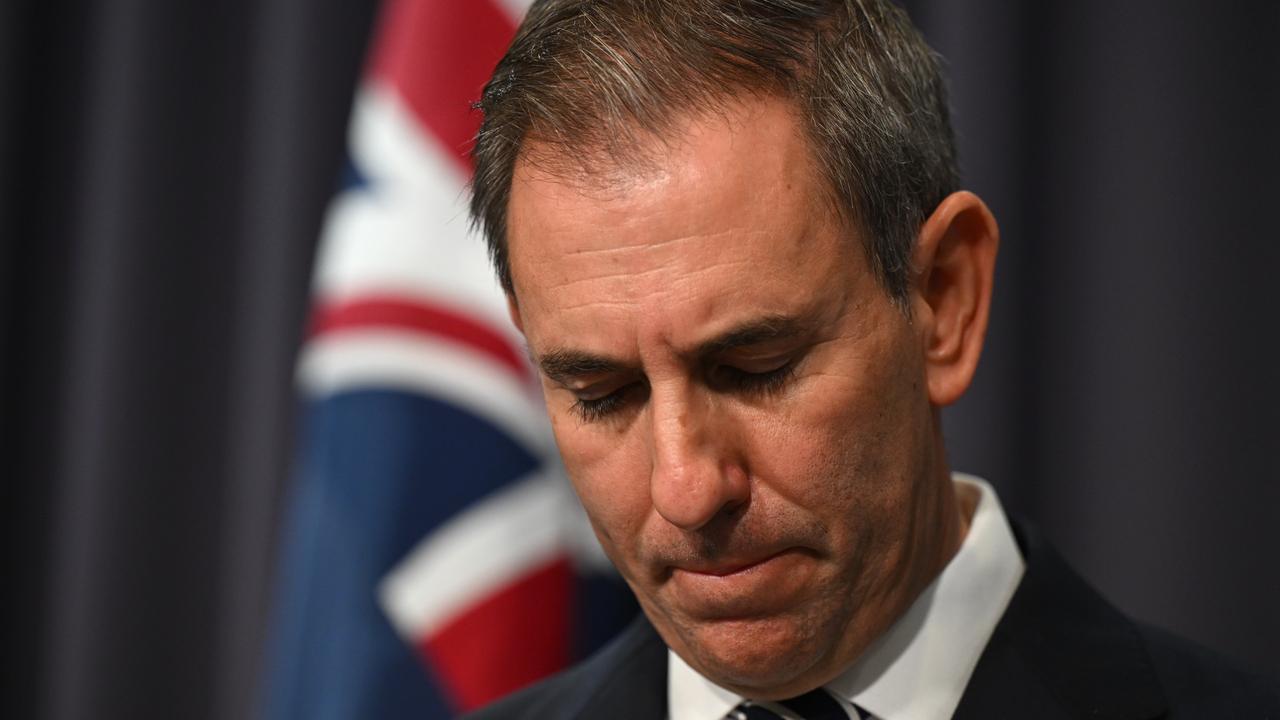
Treasurer Jim Chalmers warned motorists prices at service stations wouldn't immediately start falling when the excise comes into effect.
"The fuel in the tanks right now has been purchased at the higher rate, and so people should expect it would take somewhere between maybe one and two weeks for the full benefit of the excise to flow through," he told reporters.
"I want to manage expectations on that front, because people shouldn't rock up at five past midnight tonight and expect to see the full benefit passed on."
Addressing the Labor caucus on Tuesday, Prime Minister Anthony Albanese said the government wanted to avoid rationing fuel.
"We have been concentrating on supply, supply, supply," he said.
"People are doing it tough. There is uncertainty over the war and uncertainty over how it ends.
"This is causing understandable anxiety."
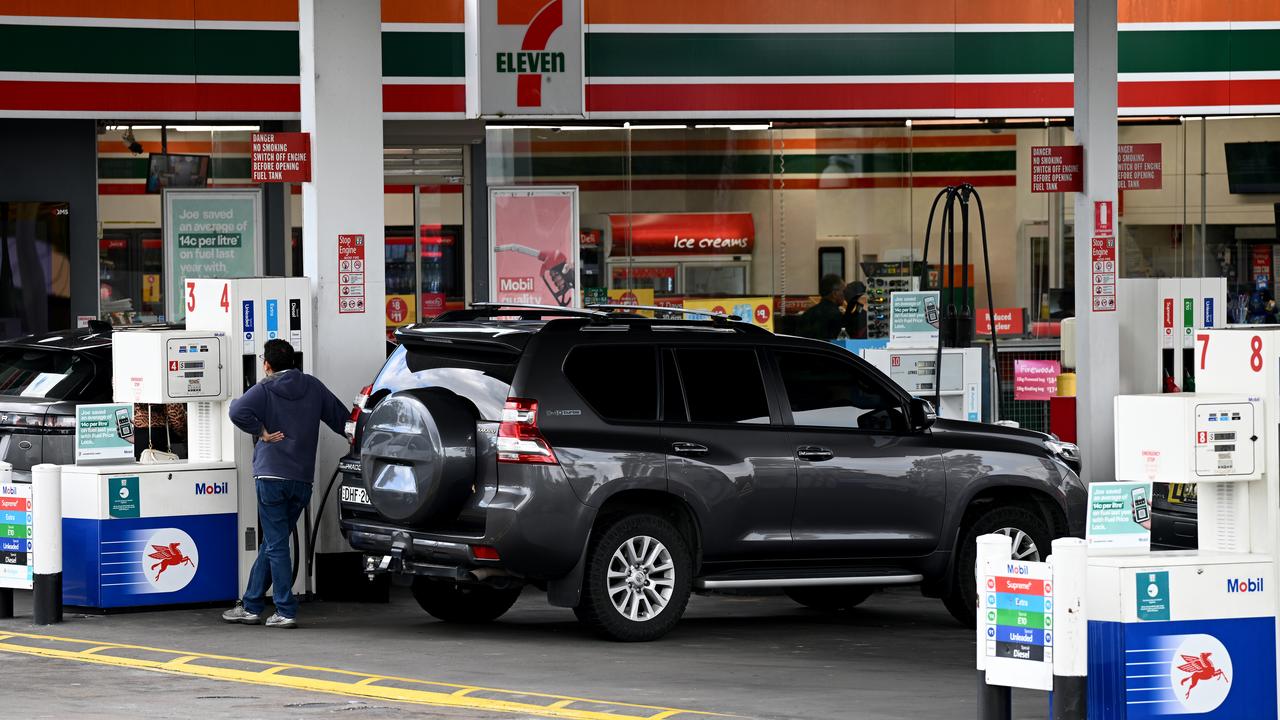
NSW leads the states with the greatest number of service stations without diesel (247) and 61 without stock.
In Victoria that number drops to 82 stations without diesel, and 40 with no stock.
Queensland follows with 77 servos without diesel, and 39 with no unleaded stock.
The government is pushing laws through the parliament to halve the fuel tax.
The two policies are expected to cost taxpayers $2.55 billion between April and June.
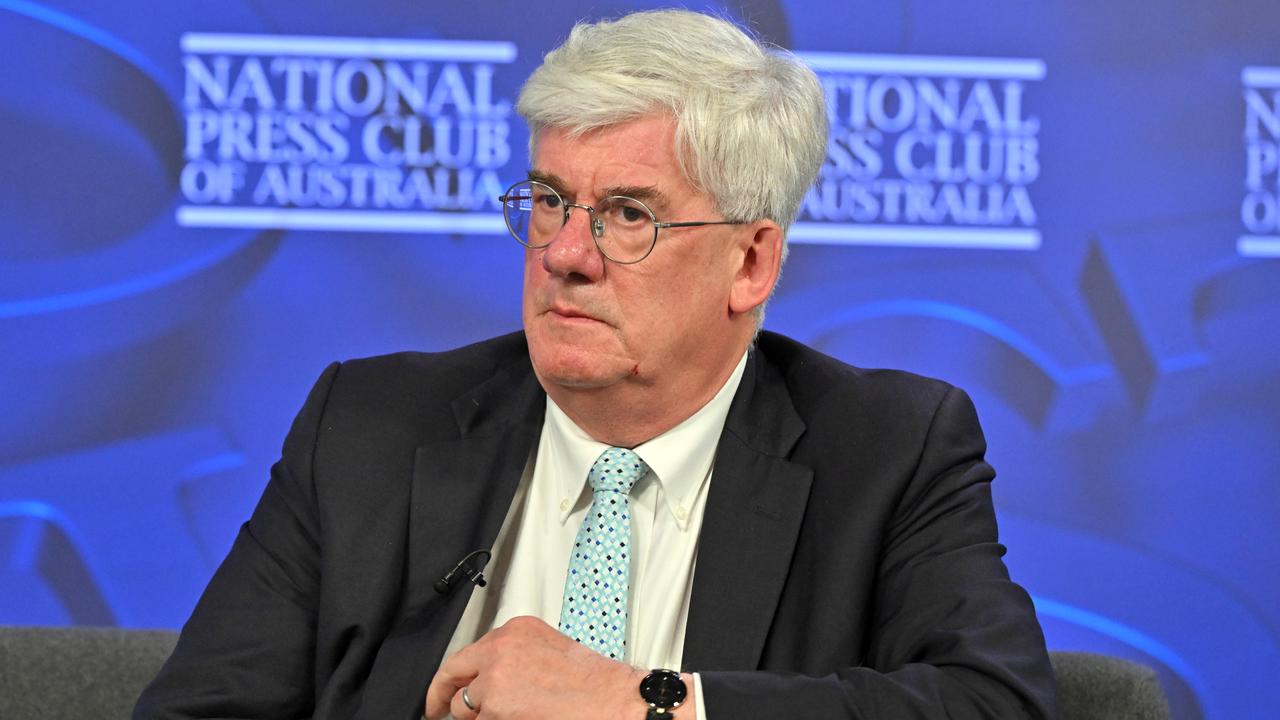
Opposition Leader Angus Taylor criticised the government for initially rejecting the coalition's call for a cut to the excise.
"I want to see lower oil prices. I want to see lower fuel prices at the bowser ... and that means you've got to reopen the Strait of Hormuz," he told reporters.
The opposition has supported the US-led war on Iran which has disrupted shipping through one of the world's biggest oil corridors, sending prices skyrocketing.
NRMA spokesman Peter Khoury said petrol prices were likely to trend upwards for as long as the war drags on.
"We've broken the record several times, we break it on a daily basis, so cutting the excise won't take long before those prices get back up and that's going to be the challenge," he said.
Economist Saul Eslake said the excise move would be welcome relief for motorists battling high fuel prices, but would likely lead to higher interest rates over the longer term.
"What the government giveth in these circumstances, the Reserve Bank may taketh away," he told AAP.
Chris Richardson, also an economist, said the cuts would come with a "sting in their tail" as inflation will be kept higher for longer.
Labor will also pause the road-user charge for heavy vehicles for three months, easing some financial pressure on already stretched supply chains.